


•The Donation Comes Amid Global Food Crisis
In a landmark gesture of global solidarity, the Republic of Korea has donated 23,258 metric tonnes of rice, valued at approximately Sh2.3 billion (around $17.7 million USD), to the United Nations World Food Programme (WFP) to address food insecurity among refugees in Kenya.
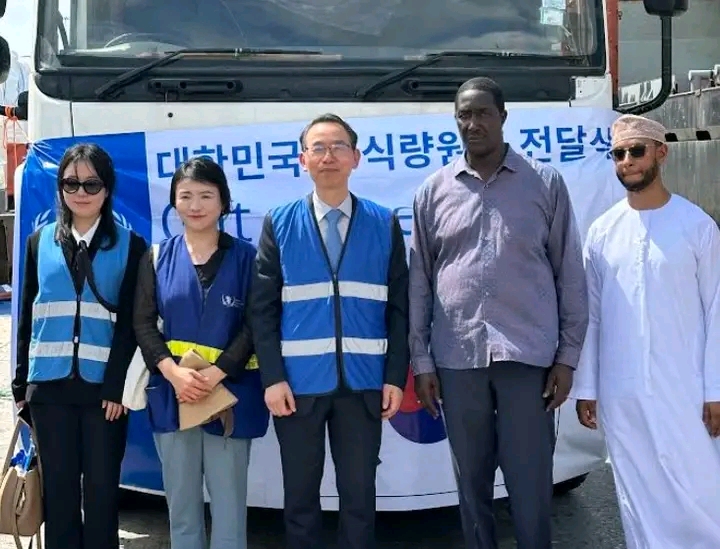
The consignment, the largest single rice donation from Korea to Kenya to date, was officially handed over at the Port of Mombasa in a ceremony that underscored the deepening humanitarian partnership between the two nations.
This substantial contribution aims to alleviate acute food shortages in Kenya’s refugee camps, where funding constraints have strained aid efforts, while also supporting the Kenyan government’s long-term vision for refugee self-reliance.
A Timely Response to a Growing Crisis
Kenya hosts approximately 875,000 refugees, primarily in the Dadaab and Kakuma refugee camps, making it one of the largest refugee-hosting nations in Africa.
These camps, home to individuals fleeing conflict and persecution from countries such as Somalia, South Sudan, and the Democratic Republic of Congo, have faced significant challenges in recent years due to rising global food prices, climate-related disruptions, and dwindling donor funding.
Over the past five months, WFP has been forced to reduce food rations for refugees, exacerbating hunger and malnutrition risks among vulnerable populations.
The Korean rice donation arrives at a critical juncture, offering immediate relief to thousands of families grappling with food insecurity. Bai Mankay Sankoh, WFP Kenya’s Deputy Country Director, hailed the donation as a lifeline for refugees.
“This generous contribution from the Republic of Korea will not only combat hunger and malnutrition but also provide psychological relief to refugees facing the daily uncertainty of food availability,” Sankoh said during the handover ceremony. “We are deeply grateful to the Government and people of Korea for their unwavering commitment to humanity when it matters most.”
Korea’s Growing Role in Global Humanitarian Efforts
The donation, which marks the largest rice contribution from South Korea to Kenya, reflects the country’s longstanding partnership with WFP, which began in 2018. Over the years, Korea has consistently provided rice and other forms of aid to support vulnerable populations in Kenya and beyond.
Speaking at the Port of Mombasa, Korean Ambassador to Kenya Kang Hyung-shik reaffirmed his country’s dedication to addressing global humanitarian challenges.
“Kenya has shown remarkable generosity and resilience in hosting refugees despite mounting global pressures,” he noted. “This donation underscores Korea’s commitment to standing in solidarity with Kenya and supporting the global fight against hunger.”
The 23,258-tonne rice consignment is expected to provide critical food assistance to refugees across Kenya’s camps, helping to stabilize food supplies and restore full rations for those affected by recent cuts.
Beyond immediate relief, the donation aligns with broader efforts to improve nutrition and food security, addressing both short-term needs and long-term resilience in refugee communities.
Supporting Kenya’s Vision for Refugee Self-Reliance
In addition to addressing immediate food needs, Korea’s donation supports the Kenyan government’s innovative Shirika Plan, a transformative initiative aimed at transitioning refugees from dependency on humanitarian aid to self-reliance.
The plan seeks to integrate refugees into Kenya’s social and economic fabric through inclusive development programs, such as vocational training, access to education, and opportunities for livelihoods.
By bolstering food security, the Korean donation provides a foundation for refugees to engage in these programs with greater stability, paving the way for sustainable progress.
The Shirika Plan represents a forward-thinking approach to refugee management, emphasizing dignity and opportunity for displaced populations.
Korea’s contribution is a vital step in supporting this vision, ensuring that refugees have the nutritional support needed to participate in economic and social development initiatives.
A Global Call to Action
The donation comes at a time when humanitarian organizations worldwide are grappling with unprecedented funding shortages.
WFP and other aid agencies have repeatedly warned that without increased donor support, millions of refugees and displaced persons risk falling deeper into food insecurity.
Korea’s contribution sets a powerful example for other nations, demonstrating the impact of targeted, large-scale aid in addressing global hunger crises.
As climate change, conflict, and economic instability continue to drive displacement, partnerships like the one between South Korea, WFP, and the Kenyan government are critical to sustaining humanitarian efforts.
The rice donation not only provides immediate relief but also reinforces the importance of collective action in building a more resilient and inclusive future for refugees.
Looking Ahead
South Korea’s historic 23,258-tonne rice donation to Kenya is a beacon of hope for nearly 875,000 refugees facing food insecurity in one of Africa’s largest refugee-hosting nations.
Valued at Sh2.3 billion, this contribution strengthens the partnership between Korea, WFP, and Kenya, addressing immediate hunger needs while supporting long-term goals of refugee self-reliance through the Shirika Plan.
As global humanitarian challenges intensify, this act of generosity highlights the power of international cooperation in creating meaningful change for vulnerable communities.
For more information on how you can support refugee food security or learn about WFP’s initiatives, visit the official WFP website or contact local humanitarian organizations. Together, we can build a future where no one goes hungry.
Share This Post