
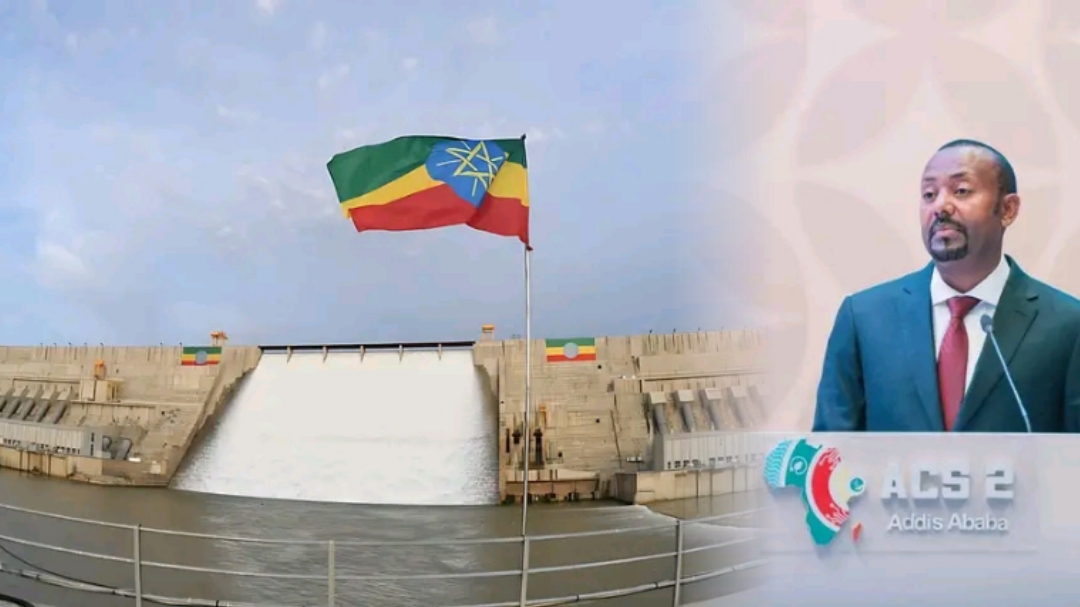

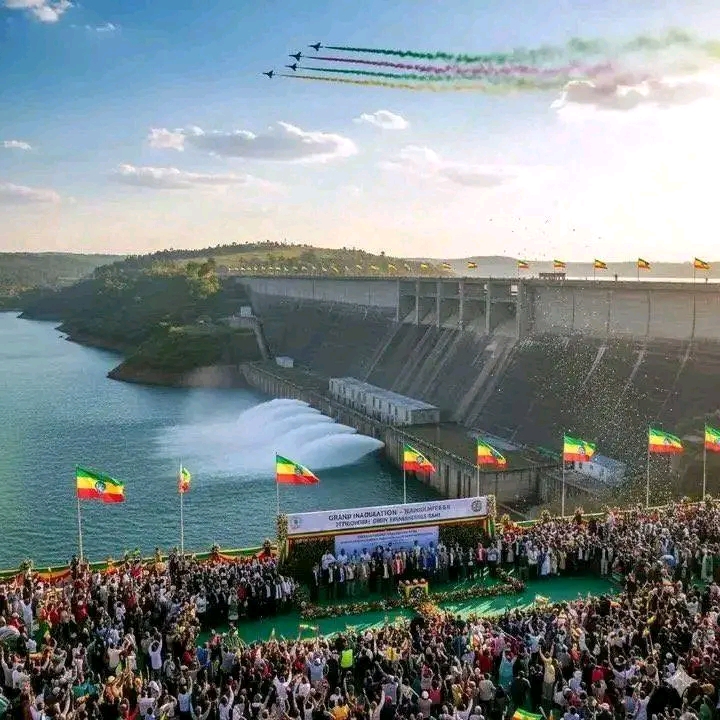
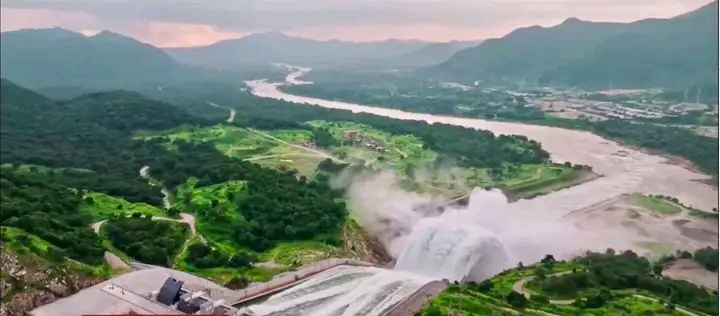
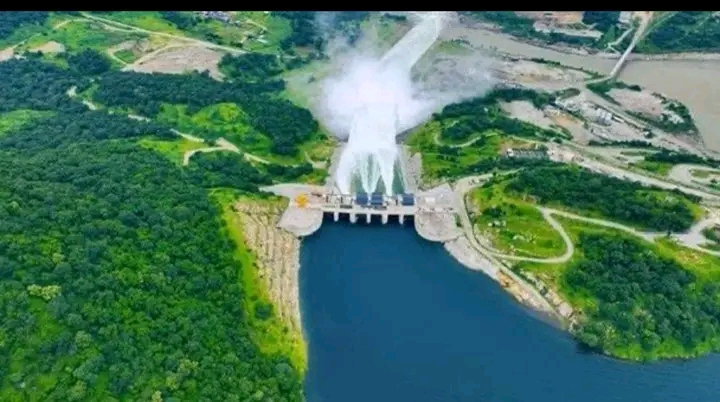
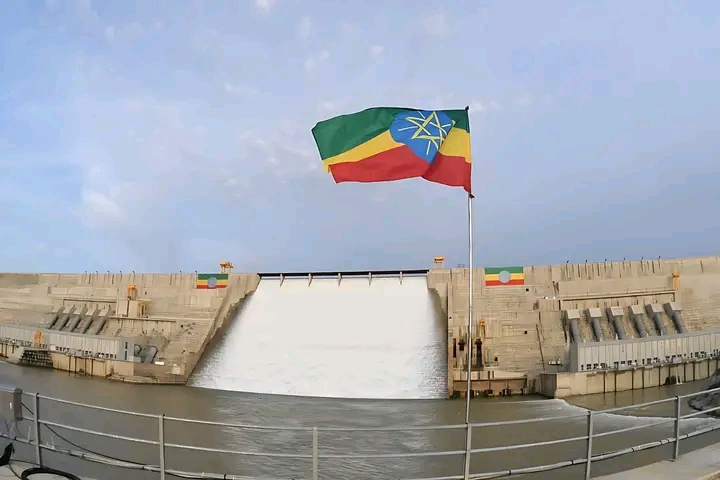
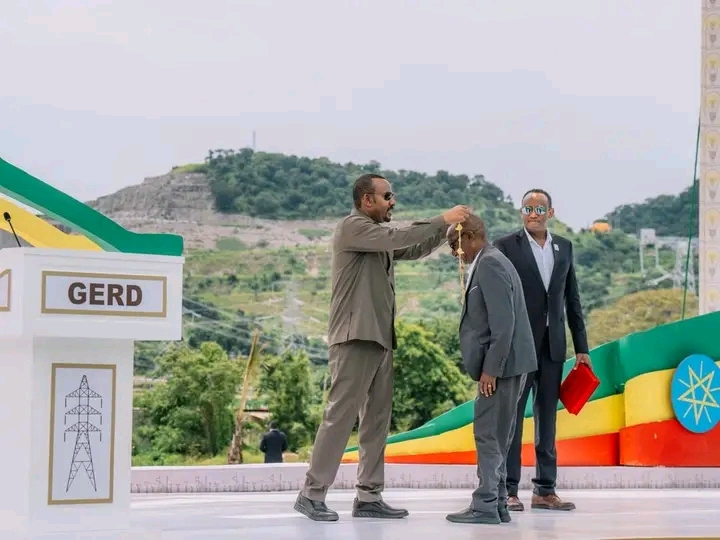
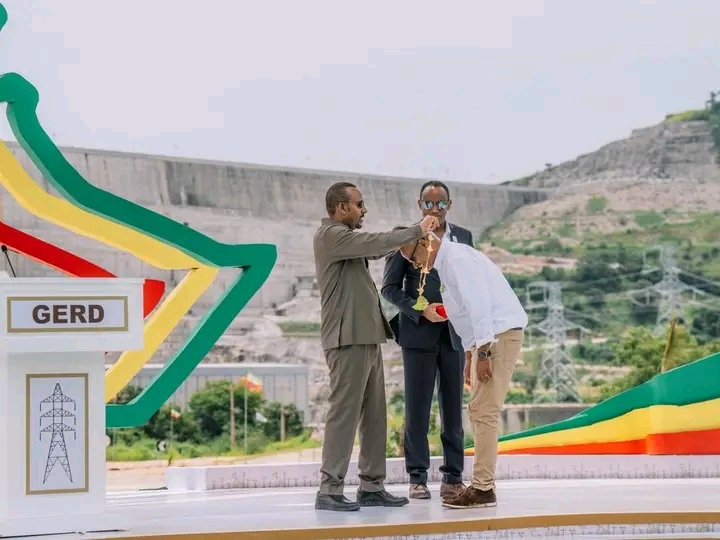
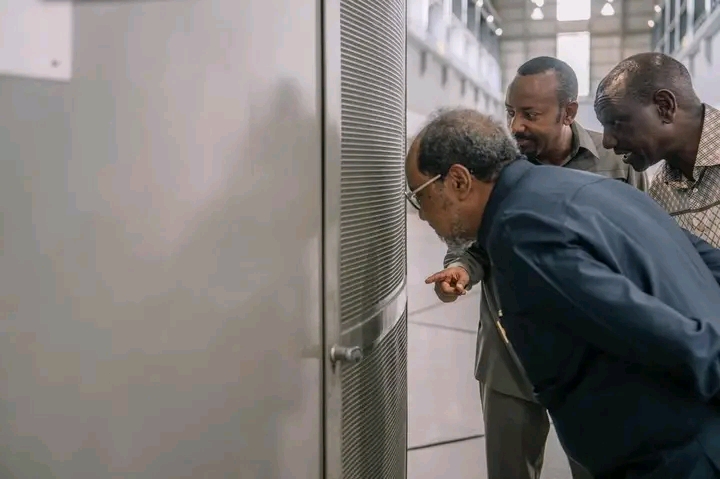
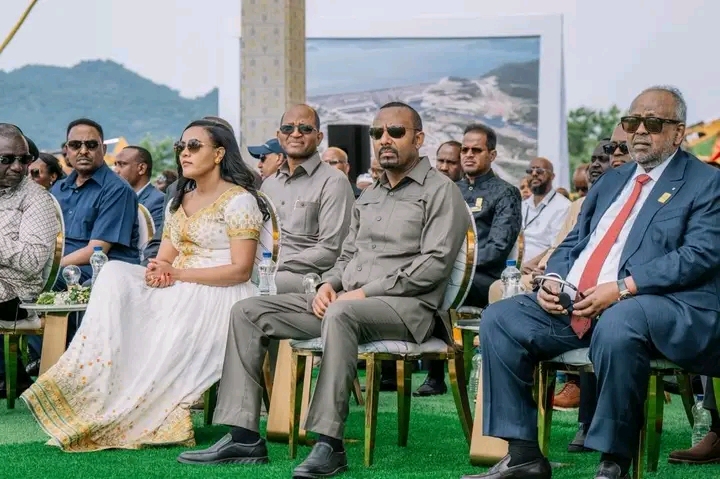
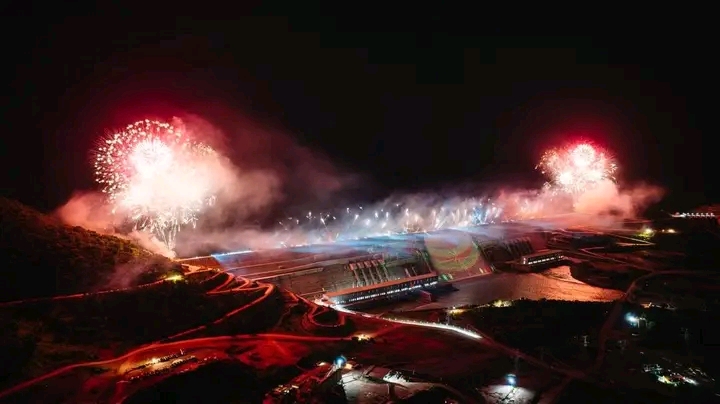
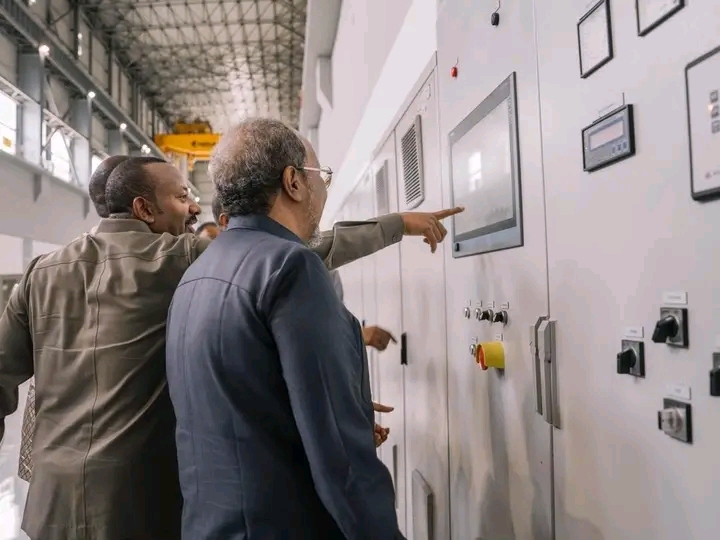
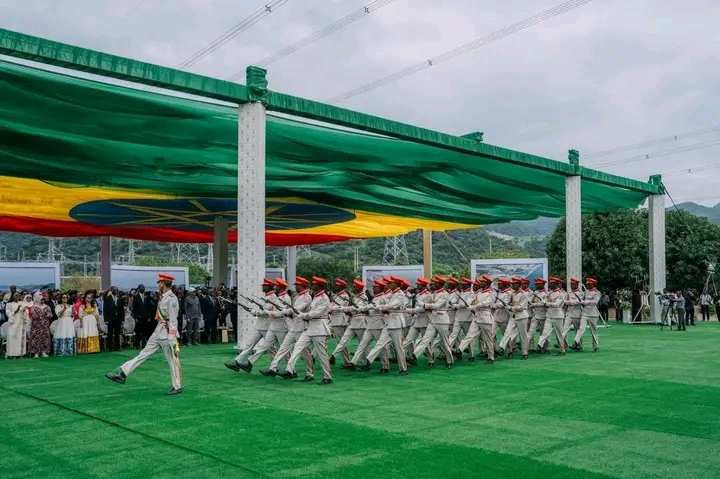
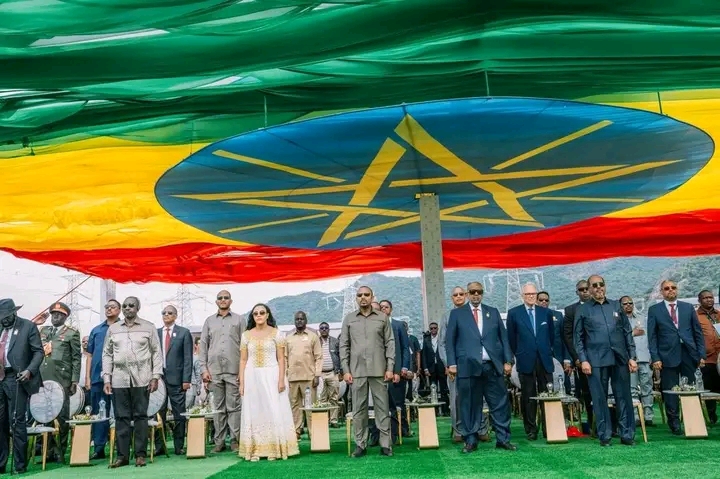
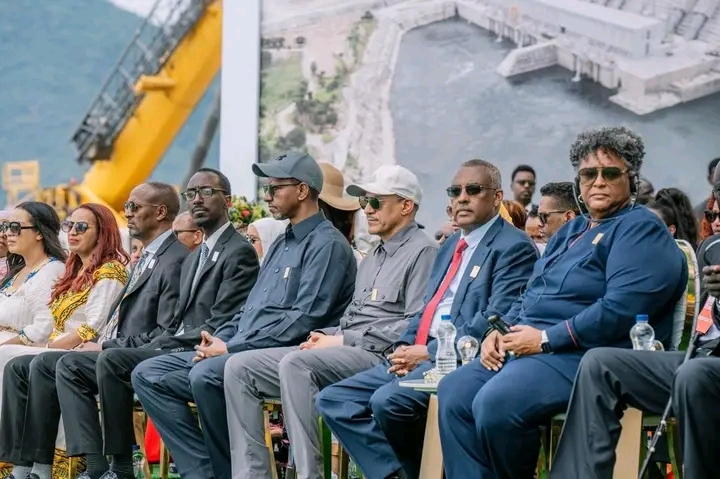
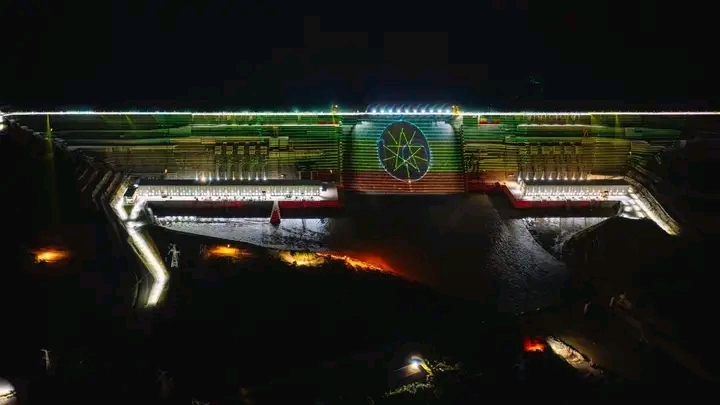
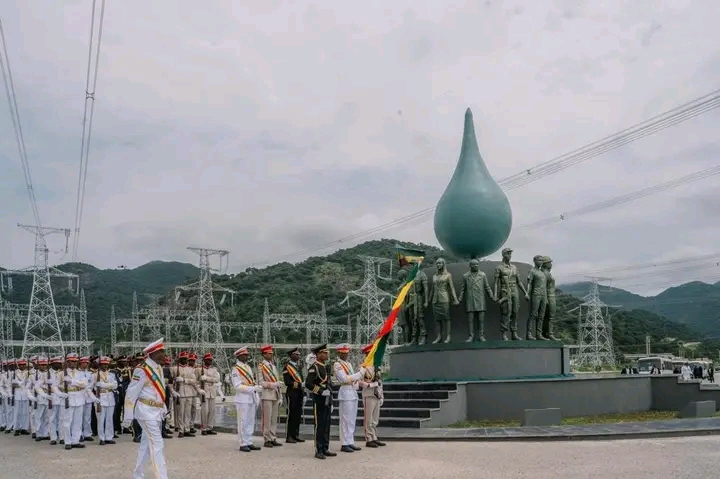
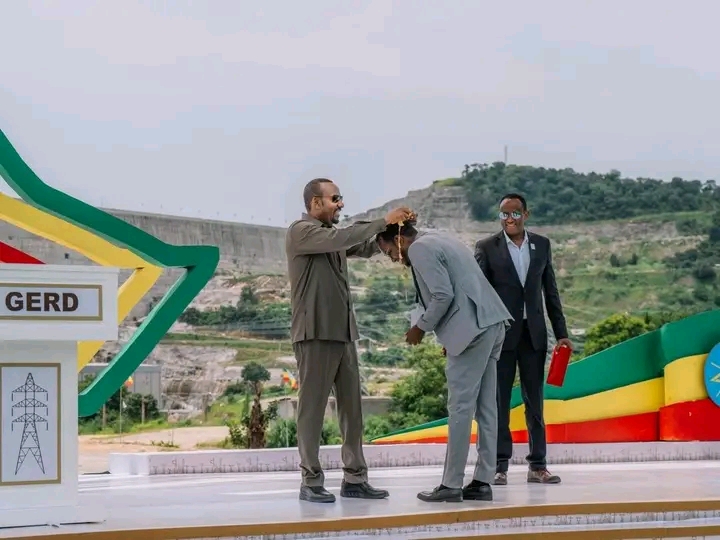
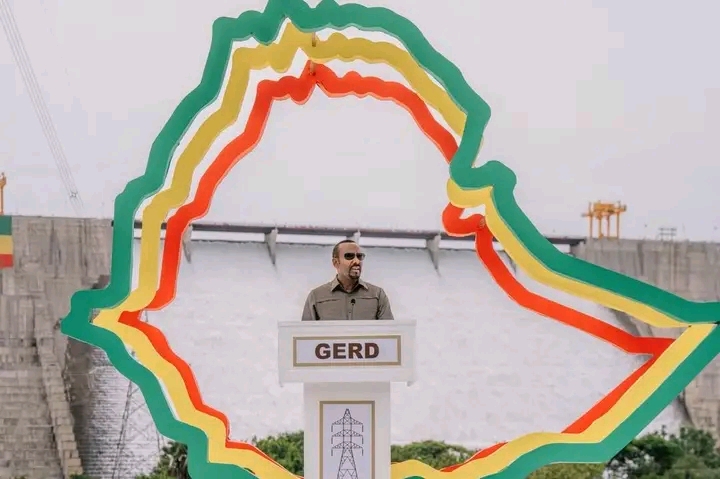
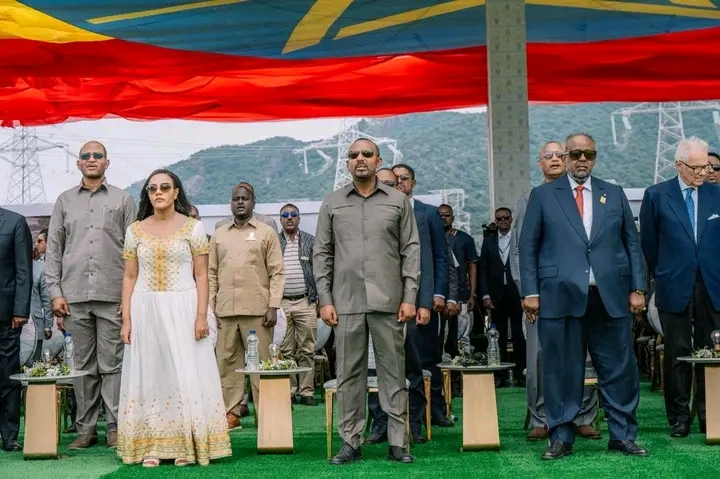
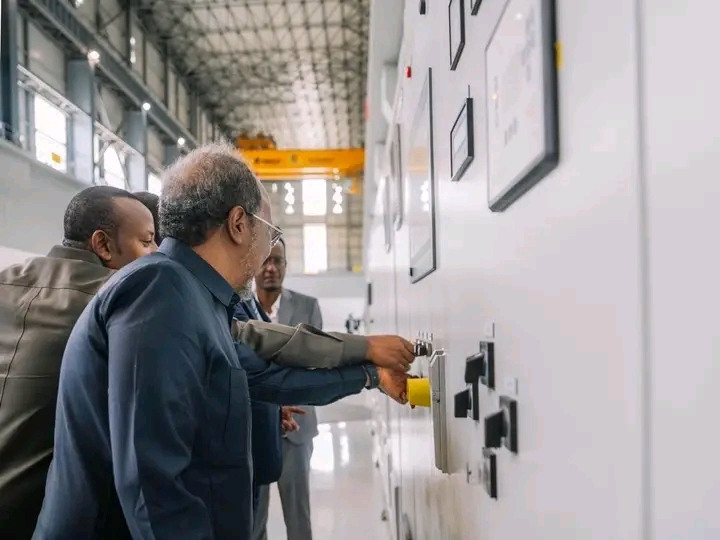
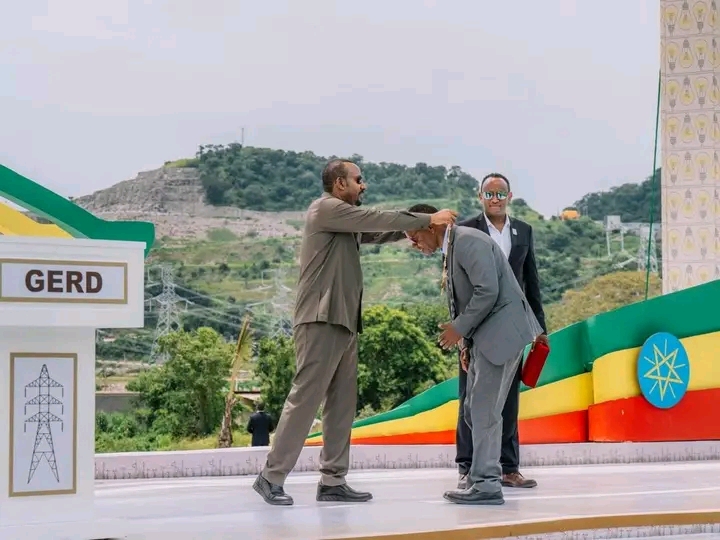
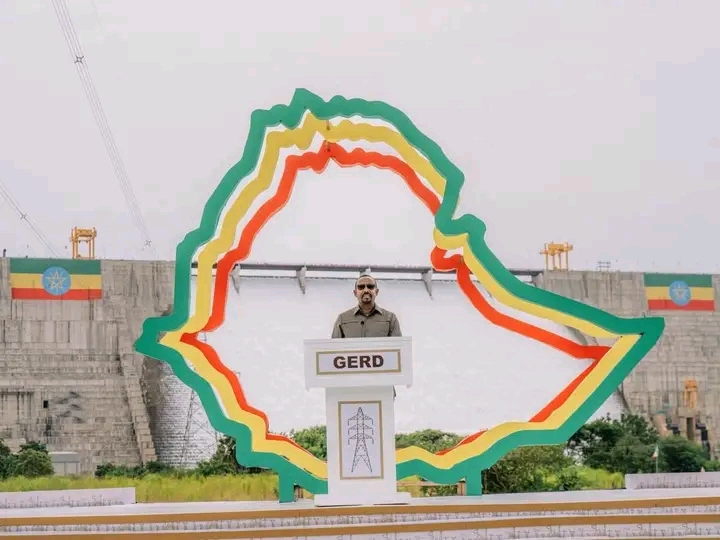
In a historic moment that reverberates across the African continent, Ethiopian Prime Minister Abiy Ahmed has officially inaugurated the Grand Ethiopian Renaissance Dam (GERD), a monumental achievement poised to redefine Ethiopia’s role as a powerhouse in regional energy production.
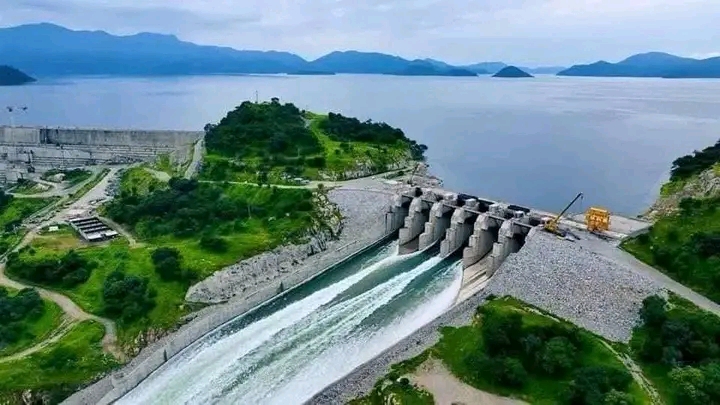
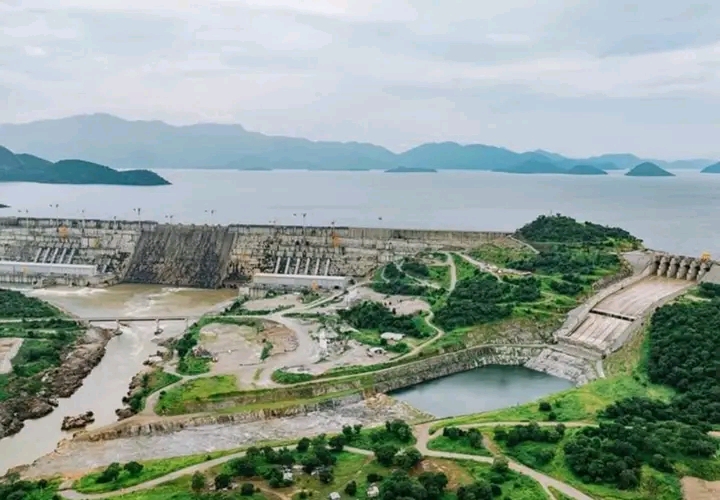
Towering majestically along the Blue Nile in the Benishangul-Gumuz region, this multi-billion-dollar hydroelectric marvel stands as the largest of its kind in Africa, heralding a transformative era of sustainable energy, economic prosperity, and regional integration.
A Vision Realized: The Grand Ethiopian Renaissance Dam
The GERD, a project more than a decade in the making, represents Ethiopia’s ambitious vision to harness its natural resources for national and regional development.
With a staggering capacity to generate over 6,000 megawatts of electricity, the dam is set to nearly triple Ethiopia’s current power output, addressing chronic energy shortages and fueling the nation’s rapidly growing economy.
This colossal infrastructure, spanning 1.8 kilometers in length and rising 145 meters high, is a testament to Ethiopia’s determination to achieve energy self-sufficiency while contributing to the continent’s sustainable development goals.
The journey to this milestone has not been without challenges. Initiated in 2011, the GERD’s construction faced technical complexities, financial hurdles, and geopolitical tensions, particularly with downstream nations Egypt and Sudan, who expressed concerns over water security.
However, through persistent diplomacy and negotiations, Ethiopia has reaffirmed its commitment to equitable water sharing, ensuring the dam’s benefits extend beyond its borders.
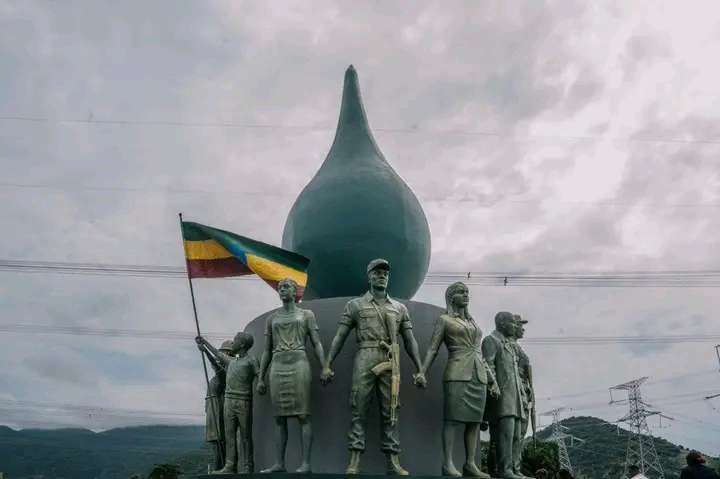
The inauguration marks a triumph of resilience, engineering prowess, and national pride, with Prime Minister Abiy Ahmed hailing the project as “a symbol of Ethiopia’s sovereignty and unity.”
Powering Progress: Economic and Social Impacts
The GERD is more than a feat of engineering; it is a catalyst for transformative change.
By providing reliable and affordable electricity, the dam will illuminate millions of homes, schools, and hospitals across Ethiopia, where nearly 40% of the population still lacks access to power.
Industries, from manufacturing to agriculture, will benefit from a stable energy supply, driving job creation, innovation, and economic diversification.
The dam’s completion aligns with Ethiopia’s broader development agenda, including its 10-Year Development Plan, which aims to position the country as a leading African economy by 2030.
Beyond Ethiopia’s borders, the GERD is set to become a cornerstone of regional energy integration. With plans to export surplus electricity to neighboring countries such as Sudan, South Sudan, Djibouti, and Kenya, the dam will strengthen economic ties and foster cooperation across the Horn of Africa.
This cross-border energy trade is expected to generate significant revenue for Ethiopia, bolstering its foreign exchange reserves and funding further infrastructure development.
Moreover, the project aligns with the African Union’s Agenda 2063, which emphasizes sustainable energy as a driver of continental growth.
A Sustainable Future: Environmental and Social Considerations
The GERD is designed with sustainability at its core. By harnessing the power of the Blue Nile, the dam offers a clean, renewable energy source that reduces Ethiopia’s reliance on fossil fuels and contributes to global efforts to combat climate change.
The project’s reservoir, capable of holding 74 billion cubic meters of water, will also support irrigation and fisheries, enhancing food security and livelihoods in the region.
However, the dam’s environmental and social impacts have been subjects of intense scrutiny.
Ethiopia has implemented measures to mitigate potential disruptions, including resettlement programs for communities displaced by the reservoir and environmental safeguards to protect the Nile’s ecosystem.
Ongoing dialogues with downstream nations ensure that the dam’s operations balance Ethiopia’s energy needs with the water requirements of Egypt and Sudan, fostering a spirit of cooperation in the Nile Basin.
A Symbol of Unity and Ambition
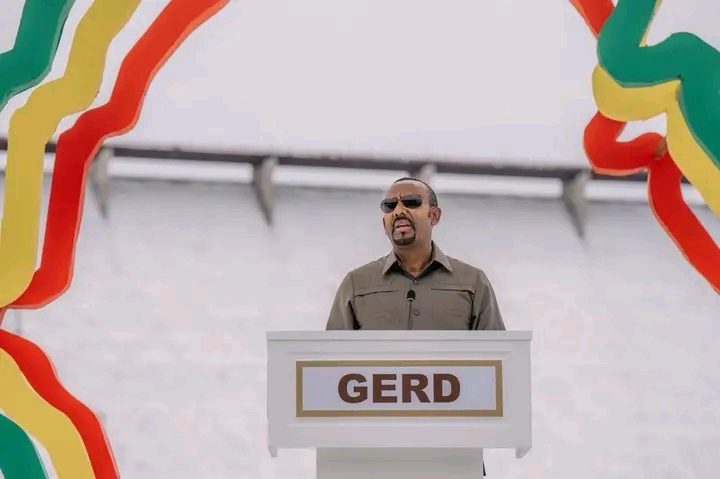
Prime Minister Abiy Ahmed, speaking at the inauguration ceremony, described the GERD as “a beacon of hope for future generations.”
The project, entirely funded by the Ethiopian government and public contributions, embodies the nation’s collective resolve to overcome adversity and chart a path toward prosperity.
From its inception, the GERD has galvanized national pride, with millions of Ethiopians investing in bonds and rallying behind the project as a symbol of self-reliance.
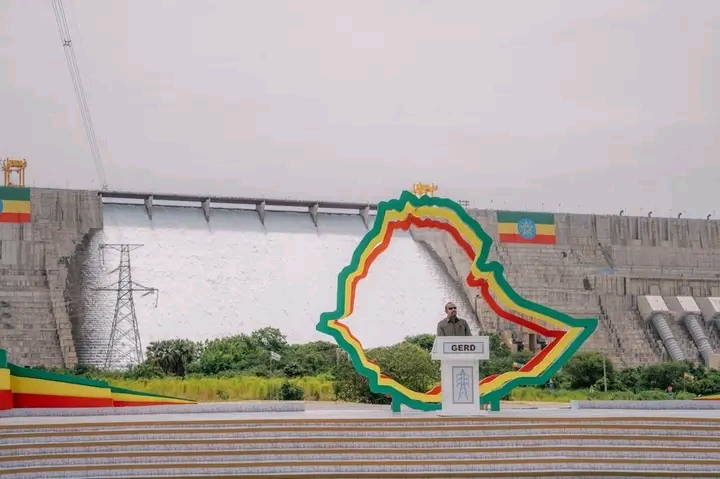
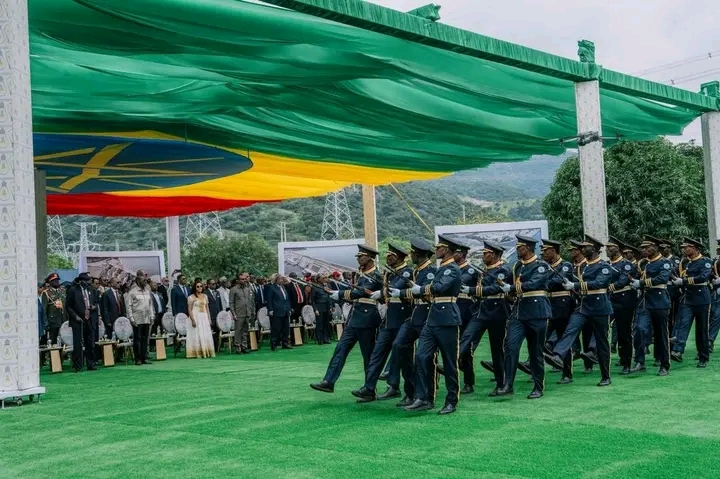
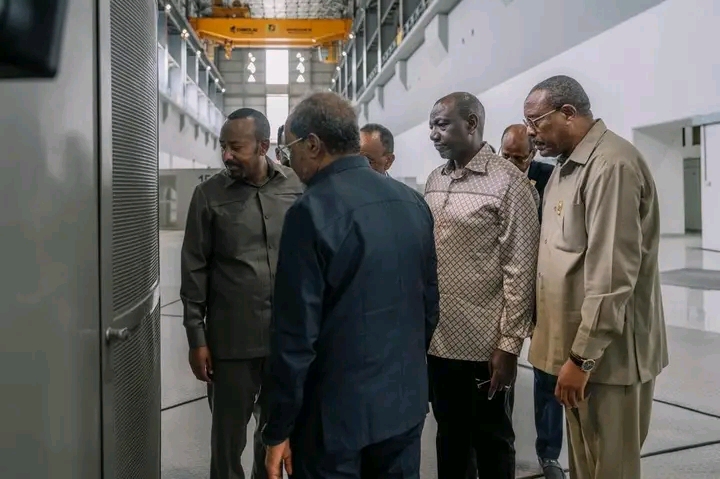
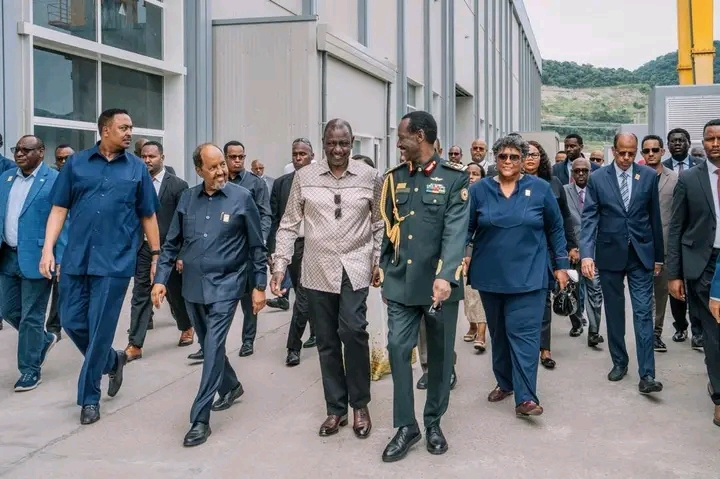
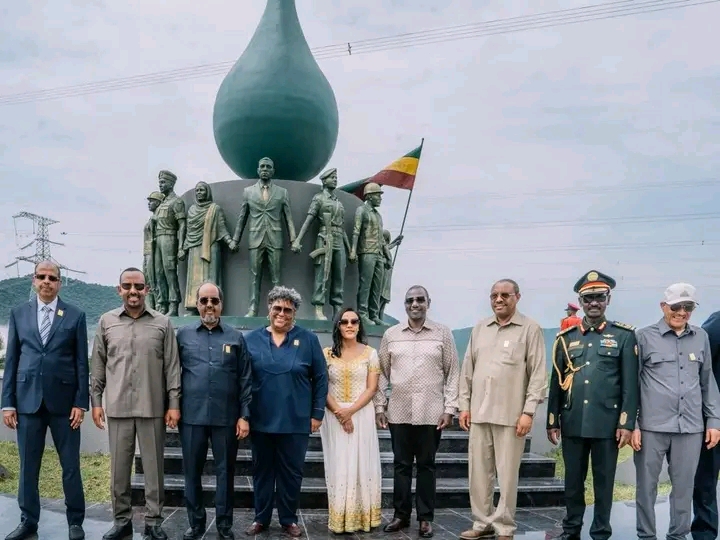
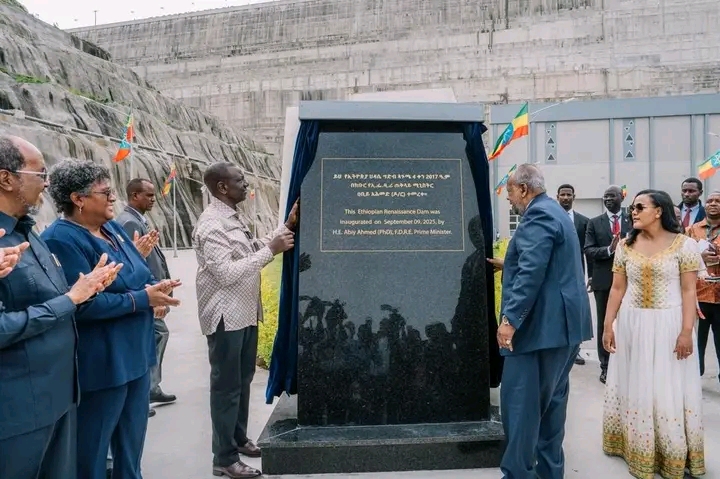
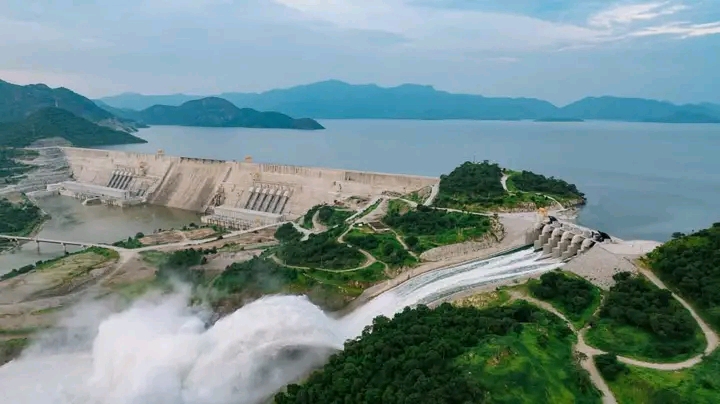
The dam’s completion also carries profound geopolitical significance. As Africa’s largest hydroelectric project, the GERD positions Ethiopia as a leader in the continent’s energy landscape, challenging traditional power dynamics and showcasing the potential of African-led development.
Its success underscores the importance of homegrown solutions to address the continent’s challenges, from energy poverty to economic inequality.
Looking Ahead: A Bright Future for Ethiopia and Beyond
As the GERD begins operations, its impact will be felt far beyond Ethiopia’s borders. The dam is expected to play a pivotal role in achieving universal electricity access, driving industrialization, and fostering regional stability.
For Ethiopia, it marks the dawn of a new era—one where energy abundance fuels economic growth, empowers communities, and strengthens ties with neighboring nations.
The Grand Ethiopian Renaissance Dam is more than a dam; it is a bold declaration of Africa’s potential to shape its own destiny.
As the turbines begin to spin and the lights come on across the region, the GERD stands as a testament to what can be achieved through vision, perseverance, and unity.
For Ethiopia and the continent at large, this is not just a moment of triumph—it is the beginning of a brighter, more sustainable future.
Share This Post