

•Tragedy Comes Amid Heavy Rains Reported Recently in the Area
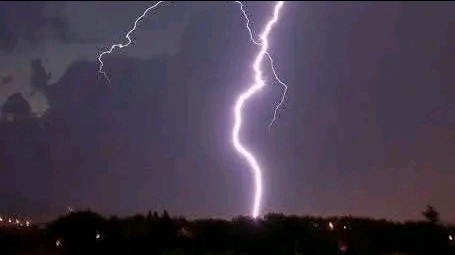
Garissa County, Kenya| In a heartbreaking incident that has left a community in mourning, two individuals, including an elderly man, were fatally struck by lightning in the Harbole area of Fafi Constituency, Garissa County.
The tragedy unfolded during a fierce downpour, highlighting the deadly dangers of thunderstorms in Kenya’s northeastern region during the ongoing rainy season.
The victims were reportedly caught outdoors when the lightning bolt struck, delivering an instantaneous and lethal surge of electricity.
Eyewitnesses described the scene as chaotic, with heavy rains pounding the semi-arid landscape, turning dirt paths into muddy streams and amplifying the intensity of the storm.
The sudden loss has sent ripples of grief and fear through the close-knit pastoralist community in Harbole, where residents rely heavily on open grazing lands and are often exposed to the elements.
Local sources indicate that the incident occurred recently, amid a period of intensified rainfall across parts of Kenya.
While Garissa County is typically characterized by arid conditions, sporadic heavy showers—often accompanied by thunderstorms—can bring devastating consequences.
Authorities, including police and county officials, have confirmed the deaths but are yet to release an official detailed report. Investigations are underway to ascertain the exact circumstances, though preliminary accounts point to a direct lightning strike.
This tragic event has reignited urgent calls from residents for enhanced public education on lightning safety.
Community leaders in Fafi Constituency emphasize the need for widespread awareness campaigns, particularly as Kenya experiences variable rainy seasons influenced by climate patterns.
“We lose lives unnecessarily because many people don’t know the risks or how to protect themselves,” said one local elder, speaking on condition of anonymity. “The government and organizations must step in with training and resources before more families suffer.”
Understanding Lightning Risks in Kenya
Lightning strikes are a significant but often underestimated natural hazard in Kenya, claiming dozens of lives annually.
Although western regions like Kisii, Kakamega, and Busia are notorious hotspots due to their highland terrain and frequent thunderstorms, incidents in northeastern counties like Garissa underscore that no area is entirely immune—especially during unpredictable weather shifts.
Experts attribute lightning fatalities to several factors. Exposure in open areas makes pastoralists, farmers, and those in rural settings particularly vulnerable when they seek shelter under isolated trees or continue outdoor activities.
Many homes in remote areas lack proper grounding or lightning conductors. Traditional beliefs and misconceptions sometimes deter people from taking evidence-based precautions.
During rainy seasons, thunderstorms can produce bolts carrying millions of volts, heating the air to temperatures five times hotter than the sun’s surface and causing explosive expansion that results in thunder.
Essential Lightning Safety Tips for Kenyans
To prevent similar tragedies, health and meteorological authorities recommend several key guidelines, especially during the rainy season.
Seek proper shelter immediately by moving indoors to a sturdy building or hard-topped vehicle when thunder is heard. Remember the rule: when thunder roars, go indoors.
Avoid high-risk spots. Stay away from tall, isolated trees, open fields, hilltops, or bodies of water. Do not shelter under trees, near metal fences, or in open structures like sheds.
Take indoor precautions as well. Avoid using plugged-in electrical appliances, corded phones, or plumbing during storms. Stay away from windows and doors.
If outdoors and unable to reach shelter, crouch low with minimal ground contact—keep feet together and head down. Avoid lying flat on the ground.
For post-strike response, remember that lightning victims do not carry residual charge. Immediately provide first aid, including CPR if needed, and seek medical help.
The Kenya Meteorological Department frequently issues warnings for potential thunderstorms, urging vigilance in affected areas.
Public health officials also stress boiling or treating water and maintaining hygiene to combat related risks like waterborne diseases during floods.
As Garissa residents grieve and bury their loved ones, this incident serves as a stark reminder of nature’s power and the importance of preparedness.
Community advocates are pushing for county-led initiatives, such as school programs and radio broadcasts, to disseminate lightning safety information in local languages.
Authorities have assured the public that more details will follow once investigations conclude. In the meantime, experts urge all Kenyans to prioritize safety as rains continue in various parts of the country.
This tragedy not only highlights personal loss but also the broader need for climate resilience in vulnerable regions. Stay informed, stay safe—lightning awareness can save lives.
Share This Post