
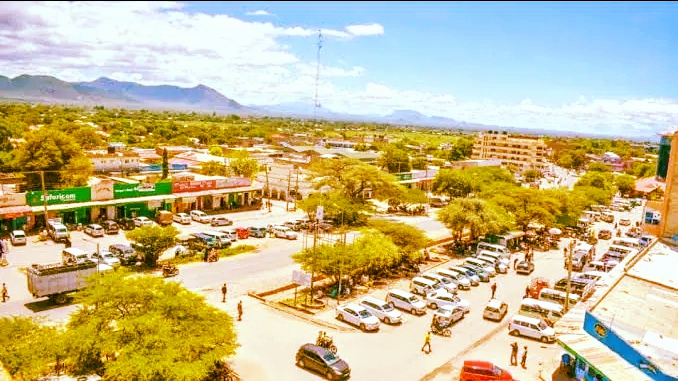

Isiolo County remains gripped by a suffocating atmosphere of fear and frustration this Tuesday evening, January 26, 2026, as relentless insecurity continues to erode the fragile peace in this pastoral heartland of northern Kenya.
Since morning, heightened anxiety has swept across the region, fueled by a fresh standoff at the Isiolo livestock market and the lingering trauma of a brutal bandit raid just two days earlier.
These events underscore a disturbing pattern: recurring livestock thefts that not only devastate livelihoods but also claim lives and deepen communal mistrust.
The latest flashpoint traces back to the chilling raid on Kambi Odha village in Burat Ward, which occurred on Sunday, January 24, 2026.
Armed bandits descended on the settlement under cover of darkness, unleashing terror on unsuspecting residents.
According to local accounts, the attackers made off with a substantial number of sheep and goats—valuable assets in a region where livestock represents wealth, food security, and social standing.
In the chaos of the assault, one person was shot dead, leaving behind a grieving family and a community reeling from the loss.
Though residents mounted a desperate counter-effort and managed to recover a handful of animals, the majority of the stolen herd vanished with the raiders.
The incident has amplified long-standing fears, as villagers describe nights haunted by the sound of gunfire and the constant threat of armed groups crossing communal boundaries.
Such raids are rarely isolated; they often stem from deep-rooted rivalries between pastoralist communities, exacerbated by competition over shrinking grazing lands and water sources amid recurring drought pressures.
Barely 48 hours later, insecurity struck again. This very evening, reports emerged of an unknown number of goats stolen from the Bulla Gadhud area, sending shockwaves through already traumatized herders.
The brazen theft has intensified calls for immediate action, with locals accusing authorities of failing to provide meaningful protection.
The cumulative effect has spilled over into public spaces: earlier today, frustration boiled over into a tense standoff at the Isiolo livestock market, where traders and herders confronted the daily reality of diminished herds and rising risks.
The market—once a bustling hub of economic life—now symbolizes vulnerability, where every transaction carries the shadow of potential loss.
Despite the gravity of these developments, police and security agencies have remained conspicuously silent, issuing no official confirmation, statement, or update on either the Kambi Odha raid or the Bulla Gadhud incident.
This absence of communication only deepens public distrust and fuels speculation about the effectiveness of ongoing multi-agency operations in the region.
While security teams have, in recent months, recovered stolen livestock and arrested suspects in coordinated efforts—such as the return of dozens of animals following shootouts with rustlers—the persistence of attacks suggests that root causes remain unaddressed.
The broader context is grim. Livestock rustling in Isiolo and neighboring counties has evolved into a sophisticated criminal enterprise, often involving heavily armed groups that exploit porous borders and weak enforcement.
These raids frequently escalate into deadly clashes, claiming lives and displacing families. Pastoralists, who depend entirely on their herds for survival, face existential threats: lost animals mean lost income, diminished food supplies, and eroded social status.
Children drop out of school to guard remaining livestock, women shoulder heavier burdens, and entire villages live in perpetual lockdown after dusk.
Experts and community leaders have long warned that without decisive interventions—ranging from strengthened community policing and intelligence sharing to addressing underlying drivers like climate-induced resource scarcity and youth unemployment—the cycle will only intensify.
The deadly toll in Kambi Odha is not an aberration but part of a regional epidemic that has seen multiple fatalities in coordinated rustling incidents across northern Kenya.
As night falls on Isiolo, the question is no longer whether another raid will occur, but when and at what cost.
Residents demand more than promises; they need visible, sustained security presence, rapid response mechanisms, and accountability from those entrusted with their protection. Until then, the tension will continue to simmer, threatening to erupt into even greater violence.
The people of Isiolo deserve safety, stability, and the chance to rebuild their lives—anything less is a betrayal of their resilience in the face of unrelenting adversity.
Share This Post