
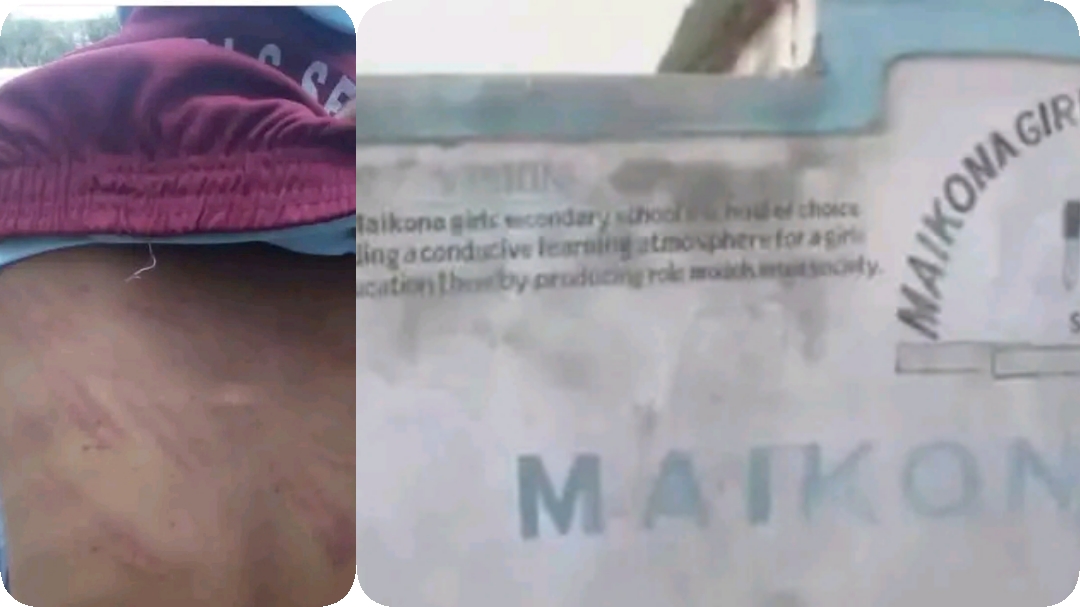

In a shocking incident that has sparked widespread condemnation across Kenya, at least 36 female students from Maikona Girls Secondary School in North Horr Constituency, Marsabit County, have sustained injuries following an alleged brutal corporal punishment meted out by teachers.
The incident, which reportedly occurred after the school’s victory at the 2025 Kenya National Drama and Music Festival, has ignited public outrage, prompted parental protests, and led to a formal investigation by the Ministry of Education.
In this article, we will delve into the details of the incident, its aftermath, and the broader implications for Kenya’s education system.
The Incident: A Celebration Turned Violent
According to reports, the disturbing incident unfolded when students at Maikona Girls Secondary School were allegedly punished for not participating in celebrations following the school’s triumph at the 2025 Drama and Music Festival, a prestigious national event showcasing artistic talent among Kenyan schools.
The school’s delegation, comprising students and teachers, had returned to the institution after securing a victory, but the mood of jubilation quickly turned sour.
Sources indicate that some teachers, displeased with what they perceived as a lack of enthusiasm from certain students, resorted to extreme disciplinary measures.
Eyewitness accounts and reports circulating on social media allege that the teachers used makeshift tools, including wires from Bunsen burners—typically used in science laboratories—to inflict punishment on the students.
The result was devastating: 36 girls sustained injuries, some severe enough to require medical attention.
The use of such unconventional and dangerous implements in disciplining students has drawn sharp criticism, with many describing the act as not only excessive but also inhumane.

The incident has raised serious questions about the persistence of corporal punishment in Kenyan schools, despite its official ban under the Basic Education Act of 2013.
Parental Fury and Community Backlash
The news of the alleged abuse spread rapidly, prompting an immediate and visceral reaction from parents and the local community.
Enraged parents stormed Maikona Girls Secondary School, demanding answers and accountability from the school administration.
Videos shared on platforms like X captured chaotic scenes at the school, with parents confronting teachers and administrators, accusing them of endangering their children’s lives.
“We entrusted our daughters to this school for education, not torture!” one parent was quoted as saying in a post on X.
Another parent expressed dismay at the use of Bunsen burner wires, questioning how such a tool could be deemed appropriate for disciplining children.
The community’s anger reflects growing frustration with incidents of teacher misconduct and the perceived failure of school administrations to uphold child welfare standards.
Ministry of Education Responds
The Ministry of Education has swiftly responded to the crisis, launching a formal investigation to establish the facts surrounding the incident.
Principal Secretary for Education, Julius Bitok, issued a statement assuring the public that the ministry is treating the matter with utmost seriousness.
“We are committed to ensuring that justice is served. Once the investigation is complete, appropriate action will be taken against those found culpable,” Bitok said.
The ministry’s investigative team has been dispatched to Maikona Girls Secondary School to interview students, teachers, and administrators, as well as to assess the extent of the injuries sustained by the students.
Preliminary findings are expected to be released in the coming weeks, with the ministry promising transparency and accountability.
This incident has also reignited calls for stricter enforcement of laws prohibiting corporal punishment in schools.
The Basic Education Act explicitly bans physical punishment, stipulating that teachers found guilty of such acts face disciplinary action, including potential dismissal or legal prosecution.
However, reports of corporal punishment continue to surface, highlighting gaps in policy implementation and oversight.
Broader Implications: A Wake-Up Call for Kenya’s Education System
The Maikona Girls incident is not an isolated case but part of a troubling pattern of corporal punishment in Kenyan schools.
Despite legal frameworks banning the practice, some educators continue to rely on physical discipline, often citing cultural norms or the need to maintain order.
Education experts argue that such practices not only violate children’s rights but also have long-lasting psychological and physical consequences.
“This incident is a stark reminder that we need to invest in teacher training and sensitization on alternative disciplinary methods,” said Dr. Mary Otieno, a child psychologist based in Nairobi. “Physical punishment creates fear, not respect, and undermines the learning environment.”
The scandal has also sparked a national conversation about the welfare of students in rural and marginalized areas like Marsabit County, where access to quality education and child protection services is often limited.
Maikona Girls Secondary School, located in the arid North Horr Constituency, serves a predominantly pastoralist community, and the incident has highlighted the challenges faced by students in such regions.
Public Outrage and Social Media Amplification
The incident has dominated discussions on social media, particularly on X, where users have expressed outrage and called for justice using hashtags such as #MaikonaGirls and #StopCorporalPunishment.
Posts on X have included graphic descriptions of the injuries sustained by the students, with some users sharing unverified images purportedly showing bruises and welts on the victims’ bodies.
While these posts have amplified public awareness, they have also raised concerns about the spread of unverified information, prompting calls for responsible reporting.
Prominent figures, including education activists and politicians, have weighed in on the issue.
Marsabit County Senator Chute Mohamed condemned the incident, urging the government to take decisive action to prevent similar occurrences in the future.
“Our children deserve safe learning environments. This kind of brutality has no place in our schools,” he stated.
Moving Forward: Calls for Reform and Accountability
As investigations continue, stakeholders are calling for comprehensive reforms to address the root causes of corporal punishment in Kenyan schools. Proposed measures include:
- Enhanced Teacher Training: Incorporating modules on positive discipline and child psychology into teacher training programs to equip educators with non-violent disciplinary methods.
- Strengthened Oversight: Establishing independent school inspection bodies to monitor compliance with child protection laws and ensure accountability.
- Community Engagement: Involving parents and local communities in school governance to foster transparency and trust.
- Counseling and Support: Providing psychological support for students affected by the incident and creating safe reporting mechanisms for future grievances.
The Maikona Girls incident serves as a sobering reminder of the work still needed to safeguard the rights and well-being of students in Kenya’s education system.
For the 36 girls injured in this tragedy, and for countless others across the country, justice and reform cannot come soon enough.
Looking Ahead
The alleged corporal punishment at Maikona Girls Secondary School has sent shockwaves through Kenya, exposing deep-seated issues in the education sector.
As the Ministry of Education investigates and parents demand accountability, the nation watches closely, hoping for justice and meaningful change.
This incident must serve as a catalyst for ending corporal punishment and fostering a culture of respect and care in schools.
For now, the focus remains on supporting the affected students and ensuring that those responsible are held accountable.
Share This Post