
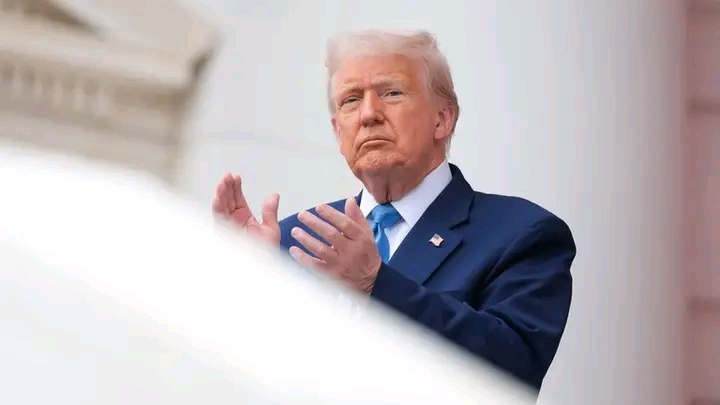

In a development that could reshape the trajectory of the ongoing Ukraine-Russia conflict, U.S. President Donald Trump is reportedly contemplating a complete withdrawal from the Ukraine peace process due to stalled progress, according to sources cited by The New York Times (NYT) in a report published on Monday.
The U.S. leader, who has long expressed skepticism about America’s role in the conflict, is also said to be reluctant to escalate economic sanctions against Russia, raising questions about the future of U.S. involvement in resolving one of the most pressing geopolitical crises of the decade.
A Shift in U.S. Policy?
The NYT report indicates that Trump’s frustration with the peace process stems from a recent phone call with Russian President Vladimir Putin, during which the Russian leader reportedly conveyed confidence in Moscow’s military position.
Sources briefed on the conversation told the NYT that Putin’s stance left Trump with the impression that Russia believes it is winning the war and intends to press its advantage. “He said, essentially, ‘I’m out,’” one source told the NYT, suggesting Trump’s exasperation with the lack of diplomatic headway.
Trump’s apparent reluctance to tighten sanctions on Russia marks a departure from traditional U.S. strategies aimed at pressuring Moscow economically.
According to officials cited by the NYT, Trump explicitly stated he has “no intention” of imposing harsher economic measures on Russia, a position that contrasts with reports from The Wall Street Journal (WSJ).
The WSJ suggested that Trump is considering new sanctions but has yet to make a final decision, highlighting a potential divergence in the administration’s approach to the conflict.
Trump’s Stance on the Ukraine Conflict
Trump’s skepticism about U.S. involvement in the Ukraine-Russia conflict is not new. He has repeatedly described the war as “Europe’s war,” arguing that European nations should bear the primary responsibility for supporting Ukraine.
The NYT report notes that Trump was particularly taken aback by Russia’s unwavering demands for any peace agreement, which include Ukraine’s neutrality, demilitarization, denazification, and recognition of territorial changes reflecting Russia’s control over parts of eastern Ukraine.
These conditions, seen as non-negotiable by Moscow, have been a sticking point in negotiations, further fueling Trump’s disillusionment with the process.
The U.S. president’s frustration was compounded by recent Russian military actions. Trump publicly criticized Moscow for launching “missiles and drones… into cities in Ukraine for no reason whatsoever,” describing Putin’s actions as “absolutely CRAZY.”
However, Moscow has countered that its strikes on Ukrainian military-related facilities were retaliatory, citing a significant uptick in Ukrainian drone attacks on Russian territory.
Russian officials reported intercepting over 100 Ukrainian unmanned aerial vehicles (UAVs) daily, framing these incidents as attempts by Kyiv to undermine the peace process.
Kremlin’s Response and the Broader Context
Kremlin spokesman Dmitry Peskov responded to Trump’s remarks by acknowledging the emotional intensity surrounding the negotiation process.
“The start of the negotiation process is a very important moment which is fraught with emotional overload,” Peskov said, emphasizing that Putin’s decisions are driven by the need to ensure Russia’s security.
Despite the tensions, Peskov praised the Trump administration’s efforts to broker an end to the conflict, suggesting that Moscow remains open to dialogue.
The potential U.S. withdrawal from the peace process comes at a critical juncture. Trump, who has yet to approve new military aid packages for Ukraine, has faced criticism from some quarters for his reluctance to deepen U.S. support for Kyiv.
His administration’s approach contrasts with that of its predecessors, which prioritized robust military and economic assistance to Ukraine.
The NYT report did not clarify whether Trump might reconsider military support for Kyiv, leaving open the question of how the U.S. will balance its strategic interests in the region.
Implications for Global Diplomacy
A U.S. exit from the Ukraine peace talks could have far-reaching consequences for international efforts to resolve the conflict.
European leaders, who have been in close communication with Trump, may face increased pressure to fill the diplomatic void left by Washington’s potential disengagement.
The WSJ report underscores Trump’s growing impatience with the peace process, warning that he may abandon it entirely if current efforts fail to yield results.
This uncertainty has raised concerns among allies about the cohesion of Western support for Ukraine.
Moreover, Trump’s hesitation to impose stricter sanctions on Russia could embolden Moscow, which has maintained a firm stance on its territorial and security demands.
The Kremlin’s insistence on Ukraine’s neutrality and demilitarization, coupled with its rejection of compromises on territorial issues, has complicated efforts to reach a sustainable peace agreement.
Analysts suggest that without U.S. leadership in the negotiations, the prospects for a near-term resolution may dim, potentially prolonging the conflict and its humanitarian toll.
A Polarized Debate
Trump’s approach to the Ukraine-Russia conflict has sparked polarized reactions. Supporters argue that his reluctance to escalate sanctions and his potential withdrawal from the peace process reflect a pragmatic recognition of the limits of U.S. influence in a complex European conflict.
Critics, however, warn that disengaging from the talks risks undermining Ukraine’s sovereignty and emboldening authoritarian regimes globally.
The absence of new U.S. military aid packages further fuels concerns about Kyiv’s ability to counter Russian advances on the battlefield.
As the situation evolves, the international community is closely watching Trump’s next moves.
His administration’s decisions in the coming weeks could redefine the U.S.’s role in the Ukraine-Russia conflict and shape the broader geopolitical landscape.
For now, the uncertainty surrounding Trump’s commitment to the peace process underscores the challenges of achieving a lasting resolution to one of the most intractable conflicts of our time.
For more information on global reactions to the Ukraine-Russia conflict, stay tuned to our news website for real-time updates and in-depth analysis.
Share This Post