
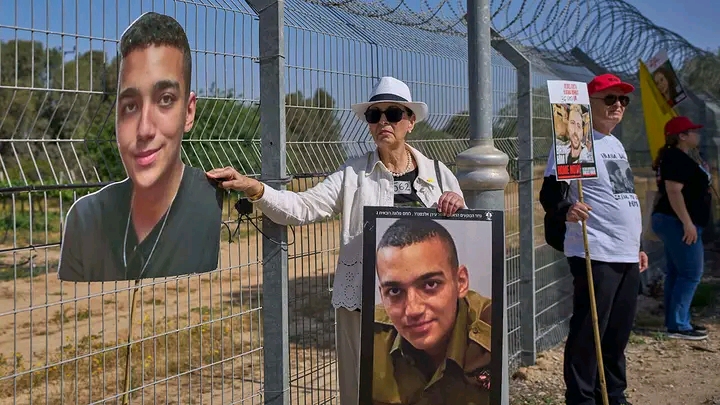

Doha, Qatar| In a historic shift in Middle East diplomacy, Hamas has agreed to release Edan Alexander, the last known surviving American hostage held in Gaza, following direct negotiations with the United States.
The talks — the first publicized contact between Washington and Hamas since the group was designated a terrorist organization by the U.S. in 1997 — mark a dramatic recalibration of American policy amid a deepening humanitarian crisis and mounting war fatigue.
A Historic Break in Policy Norms
The agreement, announced by Hamas in an official statement on May 11, confirms that Alexander, a 21-year-old dual U.S.-Israeli citizen and Israel Defense Forces (IDF) soldier, will be released “within days” as part of wider discussions aimed at securing a ceasefire, facilitating humanitarian aid, and exploring a potential de-escalation of hostilities in Gaza.
The breakthrough came after several days of undisclosed, high-level negotiations in Doha, Qatar — a departure from decades of strict U.S. refusal to engage with Hamas directly.
The talks are believed to have been mediated with the support of Qatar and Egypt, both of which have played pivotal roles in previous hostage exchanges and truce arrangements.
A Family’s Relief and a Nation’s Strategic Gamble
Alexander’s family, informed by U.S. officials of his impending release, expressed guarded relief, while American diplomats have framed the move as a humanitarian success rooted in pragmatic realism rather than ideological shift.
U.S. President Donald Trump, who reinstated large-scale military support for Israel upon returning to office in January, celebrated the news on his social platform TruthSocial, describing it as “a gesture of goodwill in response to American and mediator efforts from Qatar and Egypt.”
He added that the development “may be the first step toward a final chapter to end this brutal war.”
Trump’s special envoy for hostage affairs, Adam Boehler, welcomed the announcement but urged Hamas to go further by returning the remains of four other American citizens believed to have died in captivity.
Backdrop of War and Diplomacy
Alexander was captured on October 7, 2023, during a surprise Hamas assault that killed roughly 1,200 Israelis and led to the abduction of more than 250 individuals.
While two temporary ceasefires earlier in the conflict facilitated the release of many hostages, 58 are still believed to be held — with at least 34 presumed dead.
Since the collapse of the last truce in early March, Israel resumed and intensified its military campaign across Gaza, asserting that military pressure remains vital to dismantling Hamas and recovering remaining captives.
The Israeli government has publicly voiced strong opposition to the U.S.-Hamas talks, having been excluded from the dialogue.
Prime Minister Benjamin Netanyahu’s office reiterated its stance, stating, “All negotiations will proceed under the cover of fire,” affirming Israel’s commitment to ongoing operations in Gaza despite diplomatic overtures.
Strategic Timing and Political Undercurrents
Observers note that Hamas’s decision to release Alexander comes just days before President Trump is scheduled to visit the Middle East from May 13 to 16, with stops expected in Israel, Saudi Arabia, and possibly Qatar.
A senior Palestinian official told the BBC that the timing is “clearly tied” to Trump’s diplomatic tour, suggesting the group aims to strengthen its leverage ahead of any new round of ceasefire talks or postwar negotiations.
While the Biden administration had also pursued indirect contacts with Hamas via intermediaries before 2025, Trump’s willingness to authorize direct communication — albeit through unofficial channels and intermediaries — marks a tactical departure from the more rigid posture of previous U.S. administrations.
Despite continued alignment on broader strategic goals, reports suggest growing tensions between Trump and Netanyahu, particularly over policy toward Iran and concerns about the pace and scope of Israel’s Gaza campaign.
These differences may be influencing Washington’s more flexible approach to engagement with actors on the ground.
A New Phase or Temporary Relief?
The imminent release of Edan Alexander stands as a rare success amid a protracted and brutal conflict, but it also underscores the complex calculus driving decisions on all sides.
For the U.S., the move reflects a shift from absolute policy rigidity to results-oriented diplomacy.
For Hamas, the release provides an opportunity to project political maturity and humanitarian concern, even as it continues armed resistance.
Whether this unprecedented dialogue will serve as a catalyst for broader peace efforts or simply as a momentary pause in the cycle of violence remains to be seen.
While direct talks may open new channels for negotiation, the enduring hostilities, deep mistrust, and divergent end goals of the involved parties continue to cast a long shadow over any hopes for lasting resolution.
Still, for the family of Edan Alexander — and the dwindling number of hostages whose fates remain unknown — the latest developments offer a glimmer of hope in a conflict marked by heartbreak and hard-line politics.
Share This Post