

•The Development Comes Amid Escalating Sanctions and Diplomatic Tensions
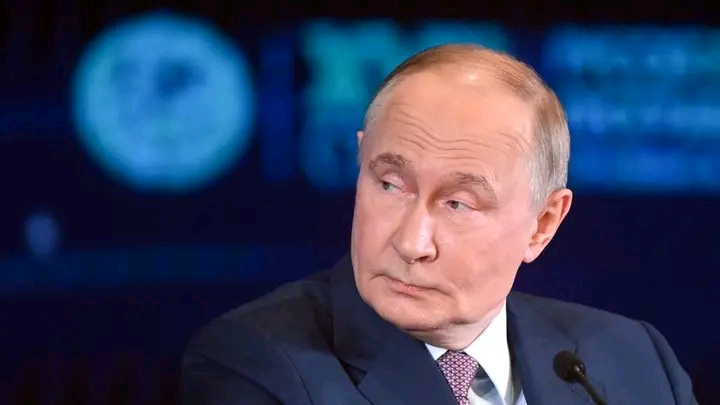
In a move that underscores the fragile state of Russia-US relations, Russian President Vladimir Putin has officially confirmed the postponement of a highly anticipated summit with US President Donald Trump, originally slated for Budapest.
The announcement comes on the heels of fresh US sanctions targeting Russia’s oil giants, casting a shadow over potential diplomatic breakthroughs and highlighting the ongoing geopolitical chess game between the two superpowers.
Speaking candidly to journalists on Thursday, Putin revealed that the idea for the Budapest meeting was first floated by the American side during a recent phone call between the two leaders. “The proposal was initially made by the American side,” Putin stated, emphasizing the collaborative origins of the summit plan.
However, he acknowledged the wisdom in delaying the talks, warning that rushing into such high-stakes discussions without adequate preparation would be a grave error. “It would have been a mistake to approach the summit without the necessary preparations,” he admitted, leaving the door open for a rescheduled encounter.
This pragmatic stance reflects Putin’s long-held belief in the power of dialogue over discord, as he reiterated: “Dialogue is always better than confrontation, arguments, and the continuation of war.”
The summit, which promised to address a myriad of pressing global issues—from arms control and cybersecurity to energy markets and regional conflicts—was unveiled just last week by both the Kremlin and the White House.
The announcement followed a pivotal phone conversation between Trump and Putin, fueling speculation about a potential thaw in bilateral ties strained by years of mutual distrust, economic penalties, and proxy confrontations.
Yet, optimism was short-lived. On Wednesday, Trump publicly declared the postponement, a decision that coincided with the US administration’s imposition of new sanctions on two of Russia’s most prominent energy firms: Rosneft and Lukoil.
These sanctions, aimed at curbing Russian oil exports, represent the latest salvo in Washington’s strategy to economically isolate Moscow amid ongoing disputes over Ukraine, election interference allegations, and energy dominance in Europe.
Putin did not mince words in his response, labeling the measures as an “unfriendly move” that does little to foster improved relations between the two nations. “Such actions do not boost Russia-US relations,” he asserted, underscoring the counterproductive nature of punitive policies.
Despite the provocative timing, Putin downplayed the economic fallout for Russia, assuring that the restrictions would have minimal ripple effects on the nation’s robust economy.
“The new restrictions would not have a significant impact on the Russian economy,” he noted, pointing to Russia’s diversification efforts and resilience in the face of previous sanction waves.
This confidence stems from Moscow’s strategic pivots toward alternative markets in Asia and the Middle East, as well as investments in domestic production capabilities that have buffered against Western pressures.
Delving deeper, Putin framed the sanctions as part of a broader pattern of coercion from the US, designed to bend Russia to Washington’s will.
“The US sanctions are yet another attempt by Washington to exert pressure on Moscow,” he explained, adding a pointed reminder: “No self-respecting country ever does anything under pressure.”
This rhetoric echoes Russia’s narrative of sovereignty and resistance, positioning the Kremlin as a defender against hegemonic influences.
Intriguingly, Putin hinted at internal dynamics within the Trump administration, suggesting that certain advisors or officials may be steering the president toward aggressive policies against Russian energy interests.
“There are certain people in the US administration that have been encouraging Trump to restrict Russian oil exports,” he remarked, provocatively questioning their true allegiances: “We should consider who these individuals actually work for.”
This insinuation adds a layer of intrigue, implying possible ulterior motives or divided loyalties that could undermine genuine diplomatic progress.
Looking beyond the immediate impasse, Putin struck an optimistic chord about future collaboration, insisting that Russia and the US share numerous overlapping interests ripe for partnership.
From joint efforts in counterterrorism and space exploration to stabilizing global energy prices and addressing climate challenges, he argued that mutual gains await if both sides abandon “pressure tactics” in favor of “serious conversations about the long term.”
This vision of constructive engagement contrasts sharply with the current cycle of retaliation, offering a roadmap for de-escalation in an era marked by volatility.
As the world watches this unfolding drama, the postponement serves as a stark reminder of the complexities in Russia-US diplomacy.
With sanctions intensifying and summits on hold, the path to reconciliation appears arduous, yet Putin’s emphasis on dialogue suggests that windows for negotiation remain ajar.
Analysts speculate that rescheduling could hinge on concessions or breakthroughs in ongoing talks, but for now, the Budapest summit stands as a symbol of what could have been—and what might still be—in the turbulent landscape of international relations.
This development not only impacts bilateral ties but also reverberates across global markets, where Russian oil plays a pivotal role.
Investors and policymakers alike will be monitoring for signs of escalation or easing, as the interplay between economic warfare and diplomatic overtures continues to shape the geopolitical narrative.
Share This Post