
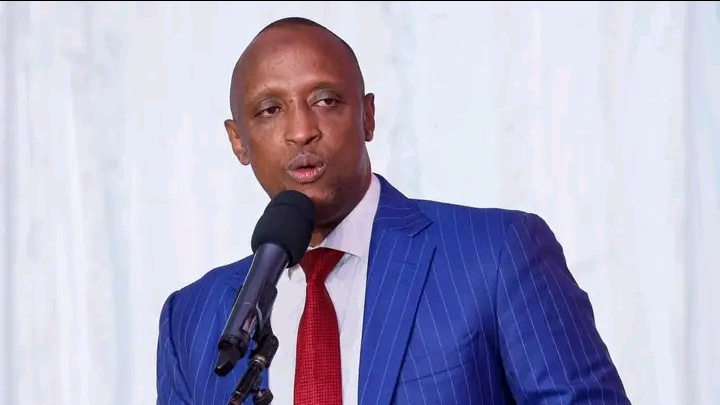

In a bold and defiant stand against what he describes as a calculated attempt to undermine his leadership, Isiolo County Governor Abdi Ibrahim Hassan(Guyo) has vehemently rejected a directive from the Office of the Director of Public Prosecutions (ODPP) calling for his arrest.
The governor, a prominent figure in Kenya’s political landscape, insists the allegations tying him to a high-profile kidnapping and robbery case are nothing more than “frivolous and speculative” fabrications designed to tarnish his reputation and derail his governance agenda.
This development, unfolding amid heightened political tensions in Isiolo, has sparked widespread debate about the intersection of justice, politics, and power in Kenya’s devolved system.
The ODPP’s Directive: Charges of Kidnapping and Robbery with Violence
The controversy erupted on September 5, 2025, when the ODPP issued a stern order directing the Directorate of Criminal Investigations (DCI) to apprehend Governor Guyo alongside seven other suspects.
The charges leveled against them are grave: kidnapping with intent to cause grievous harm and robbery with violence—offenses that carry severe penalties under Kenyan law.
According to the ODPP’s statement, the directive stems from a thorough review of evidence submitted by the DCI, which purportedly links the group to a violent incident on June 19, 2025.
The alleged crime took place at the Outbark Hotel in Maanzoni, Machakos County, where former Isiolo County Chief Officer for Health, Abdirahaman Mohamed, was reportedly meeting with 15 Members of the County Assembly (MCAs).
These MCAs were vocal supporters of an impeachment motion against Governor Guyo, adding a layer of political intrigue to the narrative.
Reports indicate that the governor and his associates allegedly stormed the hotel, disarmed Mohamed, assaulted him, and bundled him into a vehicle. He was then transported to the Ruai Sewage area in Nairobi, where he was blindfolded, beaten, and left abandoned.
During the ordeal, Mohamed claims to have lost valuable items, including a licensed Glock pistol with 15 rounds of ammunition, an iPhone 16, Ksh 70,000 in cash, and other personal belongings.
CCTV footage from the hotel is said to have captured Governor Guyo at the scene, along with the other named suspects: Abdullahi Jaldesa Banticah, Dade Boru, Abdirashid Ali Diba (alias Ngila), Abdinur Dima Jiilo, Ahmed Duale, Josephat Mwangi Komu, and Yusuf Maina.
The ODPP emphasized its commitment to justice, stating that the evidence warrants prosecution in the public interest, and urged swift action by law enforcement to ensure the suspects are arraigned promptly.
Governor Guyo’s Fiery Rebuttal: “A Smear Campaign to Silence Me”
In a press statement released on the evening of September 5, 2025, Governor Guyo did not mince words, labeling the ODPP’s move as a “political witch-hunt” orchestrated by adversaries intent on intimidating and silencing him.
“I have never been arrested or involved in any criminal activity throughout my life,” the governor asserted emphatically, underscoring his clean record and dedication to public service.
He dismissed the allegations as “baseless, politically motivated, and meant to tarnish my reputation,” arguing that they lack any substantive evidence and are rooted in speculation rather than facts.
Governor Guyo, who has been at the helm of Isiolo County since his election in 2022, pointed to the timing of the directive as suspicious, coming just months after a failed impeachment attempt against him in the Senate.
That motion, backed by the same MCAs allegedly targeted in the June incident, highlighted governance issues and accusations of misconduct, but ultimately fell short.
Critics and supporters alike have speculated that the arrest order could be linked to lingering grudges from that political battle, with some X users and commentators describing it as a “politically motivated move” following the impeachment’s collapse.
Adding weight to his defense, the governor referenced an anticipatory court order issued by the Kiambu Law Courts on August 27, 2025.
This interim ruling restrains both the ODPP and DCI from arresting, harassing, or interfering with him and his associates until the matter is fully adjudicated in court.
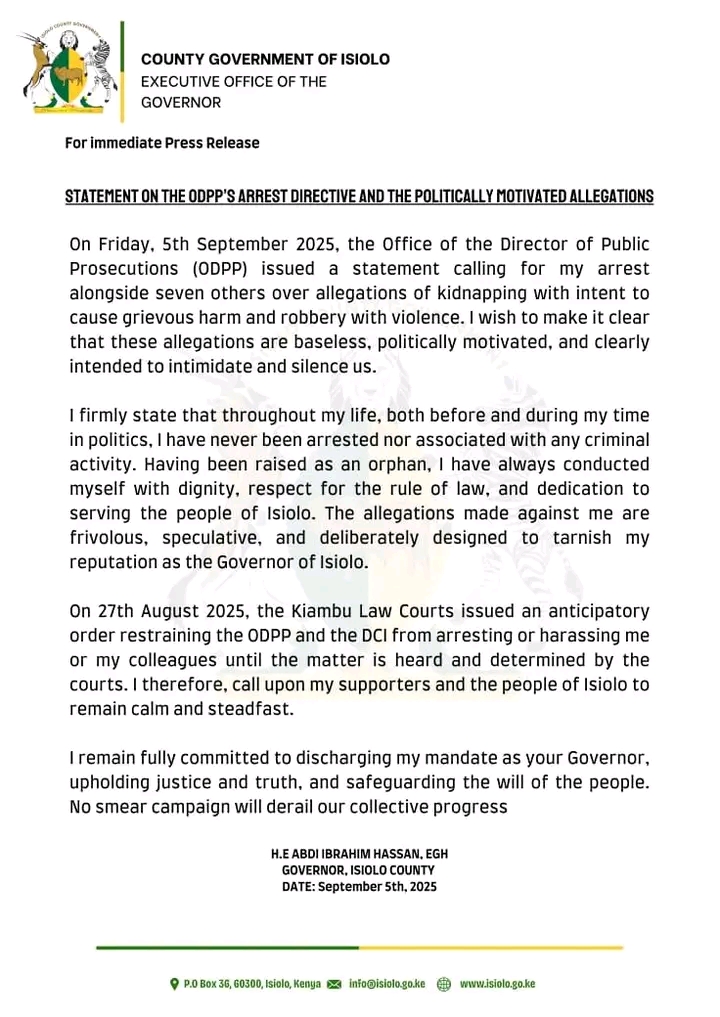
Governor Guyo highlighted this legal safeguard as evidence of the allegations’ fragility, urging Kenyans to view the situation through the lens of due process rather than sensationalism.
Broader Context: Political Tensions and Calls for Calm in Isiolo
This isn’t the first time Governor Guyo has found himself in the crosshairs of controversy.
Earlier in 2025, he faced scrutiny over his handling of county affairs, including allegations of constitutional violations such as appointing an unauthorized speaker and relocating assembly sessions without MCA consent.
Social media has been abuzz with discussions, with posts on X (formerly Twitter) ranging from accusations of impunity to defenses framing the charges as retribution for his political stance.
One prominent post detailed the abduction claims, while others criticized the governor’s alleged involvement in suppressing dissent.
Despite the escalating drama, Governor Guyo has called for calm among his supporters and the residents of Isiolo County.
“No smear campaign will derail our collective progress,” he concluded in his statement, reaffirming his unwavering commitment to justice, transparency, and continued service to the people.
He emphasized that his administration remains focused on development priorities, such as improving healthcare, infrastructure, and economic opportunities in the arid region, which has long grappled with marginalization.
Implications for Kenyan Politics and Justice System
The case against Governor Guyo raises broader questions about the politicization of law enforcement in Kenya, where accusations of selective prosecution have plagued high-profile figures.
Legal experts note that while the ODPP’s independence is enshrined in the Constitution, perceptions of bias can erode public trust.
As the matter heads to court, all eyes will be on whether the evidence holds up or if it unravels as the governor predicts.
For now, Governor Abdi Ibrahim Guyo stands firm, portraying himself as a victim of political machinations rather than a perpetrator of crime.
As investigations proceed and legal battles loom, Isiolo—and indeed Kenya—waits to see if this saga will redefine accountability or expose deeper fissures in the nation’s governance.
Share This Post