

•From a Humble Hawker’s Roots to an Aspiring Doctor
In the unforgiving, drought-ravaged landscapes of Isiolo County, where resilience is as essential as water itself, a remarkable story of determination and dreams unfolds.
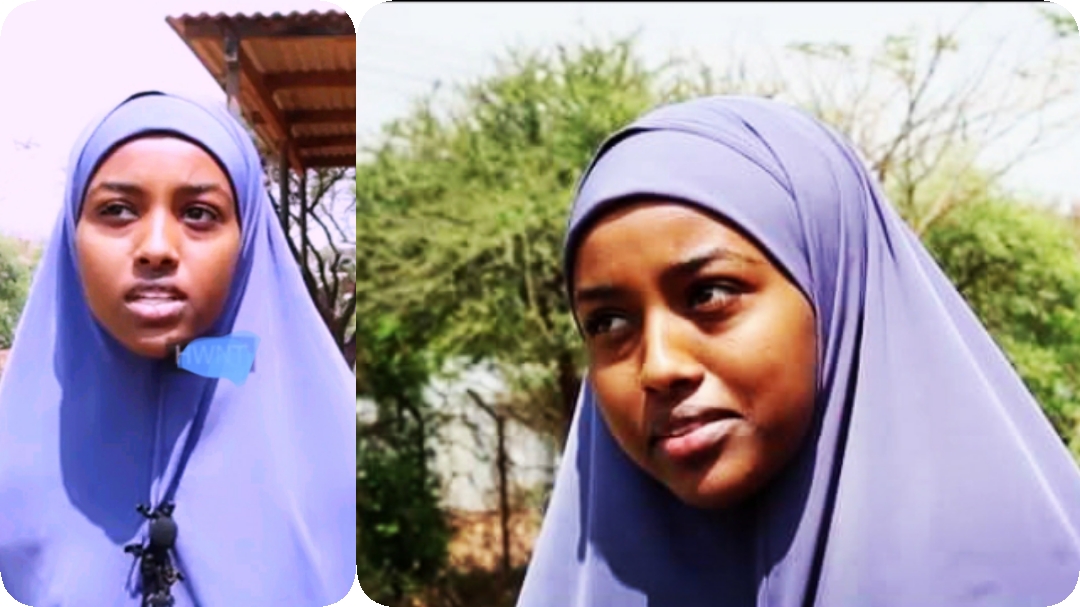
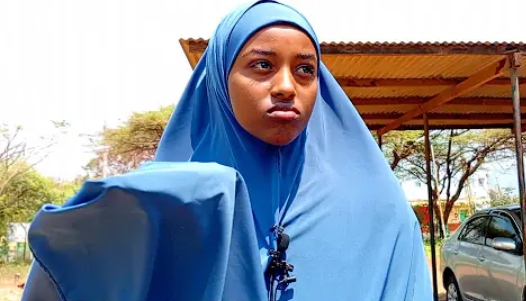
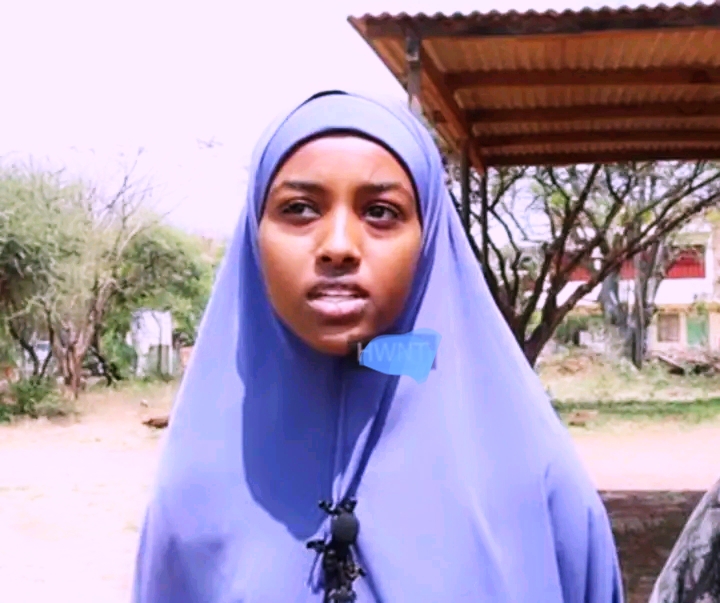
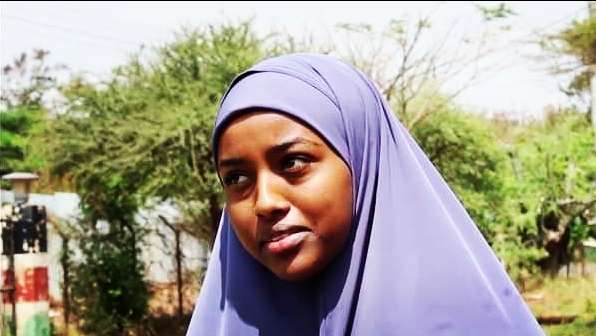
Saafo Adam Sheikh, an 18-year-old prodigy from Isiolo Girls Secondary School, shattered expectations by scoring an impressive A- in the 2024 Kenya Certificate of Secondary Education (KCSE) examinations.
Yet, as she stands on the threshold of a transformative future, financial barriers threaten to eclipse her ambitions of becoming a doctor.
With a coveted admission to Uzima University in Kisumu for a Bachelor of Medicine and Surgery(MBCHB), Saafo’s journey from a hawker’s daughter to a potential healer exemplifies the unyielding spirit of Kenya’s youth— but it also highlights the stark inequalities plaguing bright students in northern and North Eastern regions.
A Triumph Against All Odds: Saafo’s Educational Odyssey
Saafo’s path to academic excellence has been paved with perseverance amid profound hardship. Born and raised in Isiolo town, she grew up in a modest household supported solely by her mother, Mumina Ali, a dedicated small-scale trader who hawks goods in the bustling local markets.
Mumina’s earnings, often meager and unpredictable, have long struggled to cover the family’s basic needs, let alone the escalating costs of education. Despite these challenges, Saafo’s resolve never wavered.
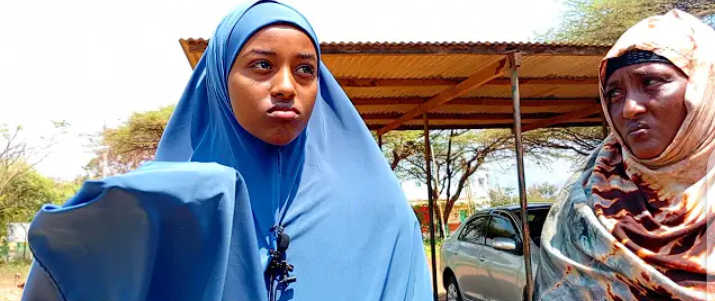
Throughout her secondary school years, she studied under the constant shadow of fee arrears, relying on the generosity of the Jomo Kenyatta Foundation to sponsor her high school education.
Her A- grade in the KCSE not only placed her among Isiolo’s top performers but also symbolized a beacon of hope for her community. “Saafo’s achievement is a testament to what sheer determination can accomplish, even in the face of adversity,” notes a local educator familiar with her story.
This stellar performance earned her a placement through the Kenya Universities and Colleges Central Placement Service (KUCCPS) at Uzima University, an institution renowned for its medical programs.
The Bachelor of Medicine and Surgery degree aligns perfectly with Saafo’s lifelong aspiration: to don the white coat and return to serve her underserved community, addressing healthcare gaps in regions where medical access is often a luxury.
The Financial Impasse: A Staggering Barrier to Higher Education
However, the euphoria of admission has been tempered by harsh financial realities. Uzima University requires an annual tuition fee of KES 535,700—a sum that dwarfs Mumina’s modest income from her hawking business.
Saafo is expected to report to campus on September 8, but without the necessary funds, her slot could slip away, joining the ranks of countless talented Kenyan students derailed by economic constraints.
Compounding the family’s woes is the burden of supporting another sibling already enrolled at Machakos University, where arrears exceed KES 200,000.
Mumina Ali, speaking with quiet resolve, shares the weight of these responsibilities: “My earnings from trading are just enough for daily survival. University fees feel like an impossible mountain, especially with multiple children pursuing education.”
Efforts to secure scholarships or bursaries for Saafo’s tertiary studies have thus far yielded no results, leaving the family in a precarious position as the deadline looms.
This predicament is far from unique. In northern and North Eastern Kenya, where poverty rates are disproportionately high and infrastructure lags behind, brilliant minds like Saafo’s often collide with insurmountable financial walls.
According to education experts, thousands of high-achieving students from marginalized areas face similar dilemmas annually, perpetuating cycles of inequality and untapped potential.
Saafo’s case underscores a broader systemic issue: the need for more robust funding mechanisms, such as expanded government scholarships or targeted interventions for needy students in arid and semi-arid lands (ASAL) regions.
An Urgent Appeal: Rallying Support for a Future Healer
Undeterred by the obstacles, Saafo remains optimistic and proactive. She is now reaching out to well-wishers, philanthropic organizations, and influential leaders to bridge the funding gap.
Specifically, the family has appealed to Isiolo County political luminaries and electrd leadership, including Governor Abdi Guyo, Senator Fatuma Dullo, MPs Mumina Bonaya, Joseph Samal, and Mohamed Tupi, urging them to champion her cause.
“I dream of becoming a doctor to give back to my community, to heal and inspire others facing similar struggles,” Saafo expresses with unwavering conviction.
For those moved by her story, support can be channeled directly through Mumina Ali’s contact number: 0704264633. Contributions, no matter the size, could be the lifeline that propels Saafo toward her goal, transforming her from a statistic of unmet potential into a symbol of triumph.
Beyond One Story: The Broader Call for Educational Equity
Saafo Adam Sheikh’s narrative is a poignant reminder of the disparities in Kenya’s education landscape.
While the government has made strides in expanding access through initiatives like KUCCPS and free secondary education, the transition to university remains a chokepoint for many from low-income backgrounds.
In regions like Isiolo, where pastoralist lifestyles and economic vulnerabilities prevail, stories like Saafo’s highlight the urgent need for policy reforms—such as increased bursary allocations, partnerships with private sectors, and community-driven fundraising models.
As Kenya strives toward its Vision 2030 goals of equitable development, investing in talents like Saafo’s is not just an act of charity but a strategic imperative. Her success could ripple outward, inspiring a new generation of professionals committed to uplifting their communities.
In the end, Saafo’s dream hangs in the balance, not for lack of ability or ambition, but for want of resources. Will Kenya’s collective goodwill rise to the occasion?
For this hawker’s daughter with a doctor’s heart, the answer could redefine her destiny—and perhaps, that of her entire region.
Share This Post