
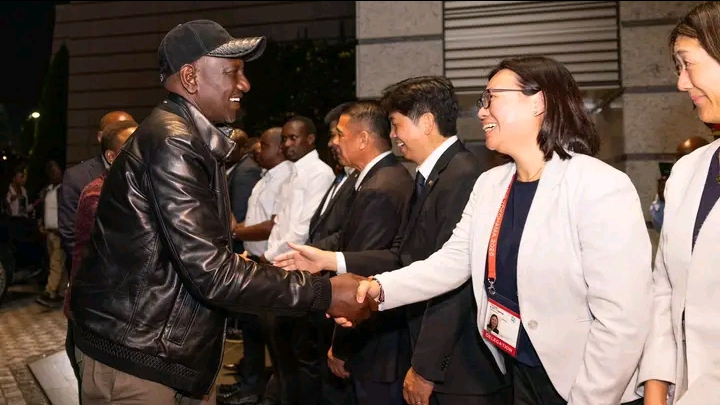


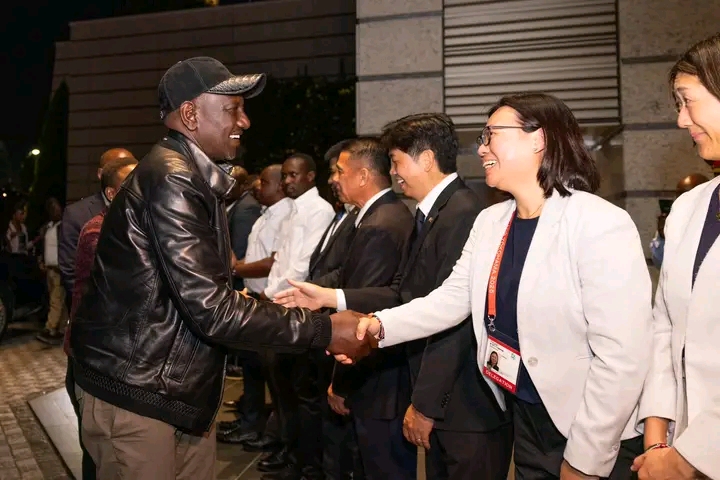


In a pivotal move to bolster Kenya’s economic ties with global partners, President William Ruto touched down in Yokohama City, Japan, on Tuesday, August 19, 2025, ahead of the Ninth Tokyo International Conference on African Development (TICAD 9).
The high-profile summit, which officially commenced on Wednesday, August 20, and runs through Friday, August 22, serves as a cornerstone platform for fostering sustainable development across Africa through strategic collaborations with Japan and international stakeholders.
As the conference unfolds amid a backdrop of global economic challenges, Ruto’s participation underscores Kenya’s ambition to emerge as the continent’s gateway for investment, innovation, and growth.
The Essence of TICAD: A Legacy of Japan-Africa Partnership
Launched in 1993 by the Government of Japan, TICAD has evolved into a triennial forum co-organized with the United Nations, the United Nations Development Programme (UNDP), the World Bank, and the African Union Commission (AUC).
It emphasizes African-led development, focusing on high-level policy dialogues to address pressing issues like economic diversification, infrastructure, health, and peace-building.
Unlike traditional aid models, TICAD prioritizes public-private partnerships, encouraging Japanese businesses to invest in Africa’s potential while aligning with the continent’s Agenda 2063—the African Union’s blueprint for transformative growth.
This year’s TICAD 9, hosted in the vibrant port city of Yokohama for the third time, carries the theme “Co-creating Innovative Solutions with Africa for the Economy, Society, and Peace.” The agenda spans plenary sessions on economic transformation, trade and investment, human resource development, and regional stability.
Side events, including those by the World Bank and private sector forums, highlight opportunities in green energy, digital innovation, and sustainable agriculture.
With over 50 African heads of state, Japanese Prime Minister Shigeru Ishiba, and international dignitaries in attendance, the summit aims to unlock billions in investments, building on the $30 billion pledged at TICAD 8 in Tunisia in 2022.
For Kenya, TICAD represents more than a diplomatic engagement—it’s a catalyst for economic resurgence. Japan has long been a key partner, investing over KSh 600 billion (approximately $4.6 billion) in the country, making Kenya the largest recipient of Japanese aid in Africa.
Landmark projects like the expansion of Mombasa Port, the Olkaria Geothermal Power Plant, and the Dongo Kundu Special Economic Zone (SEZ) exemplify this enduring alliance, enhancing infrastructure and creating thousands of jobs.
Ruto’s Vision: Kenya as the Continent’s Investment Hub
In a statement shared on social media upon his arrival, President Ruto articulated Kenya’s strategic positioning: “Arrived in Yokohama City, Japan, for the Tokyo International Conference on African Development (TICAD 9). At the meeting beginning Wednesday, we will advance the prime position of Kenya as the gateway to our region and the entire continent. Kenya has many opportunities for investment in infrastructure development, special economic zones, agriculture, energy resources, ICT and digitisation, among others. Accompanied by Prime Cabinet Secretary and Cabinet Secretary for Foreign Affairs Musalia Mudavadi and other officials.”
This message, accompanied by photos of the delegation’s warm reception, highlights Ruto’s proactive agenda.
Traveling with Prime Cabinet Secretary and Foreign Affairs Minister Musalia Mudavadi—whose dual role underscores the trip’s diplomatic and economic weight—the president is flanked by key officials to negotiate deals that align with Kenya’s Bottom-Up Economic Transformation Agenda (BETA).
Kenya’s allure as an investment destination is multifaceted. As East Africa’s economic powerhouse, it boasts a strategic location with access to the Indian Ocean via Mombasa Port, serving as a vital trade hub for landlocked neighbors like Uganda, Rwanda, and South Sudan.
The African Continental Free Trade Area (AfCFTA), which Kenya actively champions, positions the country to tap into a market of 1.3 billion people, potentially boosting intra-African trade from its current 15% to levels seen in Europe (60%) and Asia.
Spotlight on Investment Opportunities: A Deep Dive
President Ruto’s emphasis on diverse sectors reflects Kenya’s untapped potential, ripe for Japanese expertise and capital:
- Infrastructure Development: Kenya seeks partnerships for mega-projects like the Lamu Port-South Sudan-Ethiopia Transport (LAPSSET) Corridor and railway expansions. Japan’s track record in funding Mombasa Port upgrades—handling over 30 million tonnes of cargo annually—could extend to smart city initiatives in Konza Technopolis.
- Special Economic Zones (SEZs): The Dongo Kundu SEZ near Mombasa is a flagship project, projected to create 27,000 jobs through manufacturing and logistics. Japanese firms, already numbering 120 in Kenya, are encouraged to invest in export-oriented industries, leveraging tax incentives and streamlined regulations.
- Agriculture: As a top exporter of tea, coffee, and avocados, Kenya aims to modernize farming with precision agriculture and irrigation technologies. Ruto has urged Japan to lower tariffs on Kenyan produce to address the bilateral trade imbalance—Japan exports $1 billion worth of goods to Kenya annually, while Kenyan exports stand at just $70 million. 32 Collaborations could focus on sustainable practices to combat climate change and ensure food security.
- Energy Resources: Kenya’s renewable energy sector, where geothermal accounts for 45% of power (much powered by Japanese turbines), offers opportunities in solar, wind, and green hydrogen. TICAD discussions include electric vehicle manufacturing and battery storage, aligning with global net-zero goals.
- ICT and Digitization: With a thriving tech ecosystem dubbed “Silicon Savannah,” Kenya invites investments in fiber optics, data centers, and fintech. Initiatives like the Digital Economy Blueprint could benefit from Japanese innovation in AI and cybersecurity.
- Other Sectors: Health, education, and blue economy ventures, including maritime training and fisheries, round out the opportunities. Ruto’s push for human resource development includes programs like the ABE Initiative, sending Kenyan youth to Japan for advanced training.
Ongoing Developments and Key Outcomes at TICAD 9
As the summit progresses, tangible progress is already evident. As of the latest update on Thursday, August 21, Kenya signed several cooperation documents, including:
- A Statement of Intent on the Samurai Bond, enabling access to Japanese capital markets for diversified financing.
- A Letter of Intent for accelerated access to Cefiderocol, an antibiotic for bacterial pneumonia, supported by the Global Antibiotic Research and Development Foundation.
- A Memorandum of Cooperation on Human Resource Development between the Kenya Industrial Research and Development Institute (KIRDI) and Japan’s Ministry of Economy, Trade, and Industry (METI).
President Ruto also held talks with UN Secretary-General Antonio Guterres on regional security, including conflicts in Eastern DRC, Somalia, and Sudan, as well as the Multinational Security Support Mission in Haiti.
They emphasized sustainable financing for peacekeeping and commended efforts by the East African Community (EAC) and Southern African Development Community (SADC).
In plenary sessions, Ruto advocated for reforms in global credit rating systems to better reflect Africa’s realities and proposed an Africa Credit Rating Agency to unlock affordable financing.
He also called for private sector involvement to drive innovation, noting that transformation requires bold, action-oriented decisions.
Broader Implications: A Win for Kenya and Africa
President Ruto’s engagement at TICAD 9 not only elevates Kenya’s profile but also advances Africa’s collective agenda.
By addressing trade imbalances, promoting peace, and attracting investments, the summit could catalyze sustainable growth, job creation, and poverty reduction.
Challenges like corruption and bureaucratic hurdles remain, but Ruto’s assurances of transparent governance aim to build investor confidence.
As Yokohama buzzes with optimism, this conference marks a new chapter in Japan-Africa relations, with Kenya at the forefront.
With 60 years of diplomatic ties celebrated this year, the partnerships forged here promise to propel the continent toward prosperity, innovation, and stability. For investors eyeing Africa, Kenya’s gateway beckons—unlocking doors to endless possibilities.