
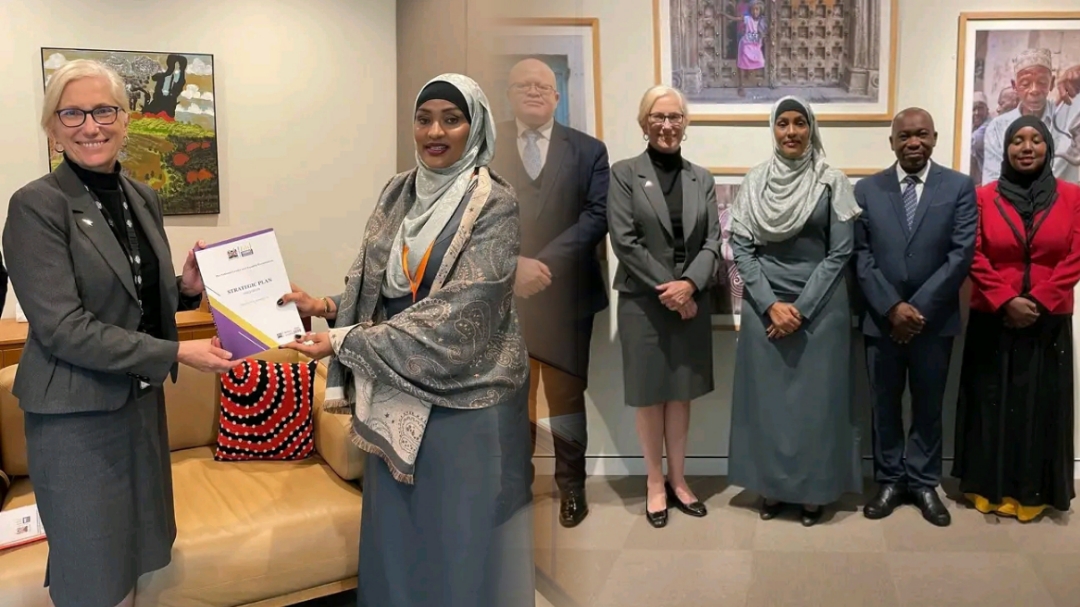

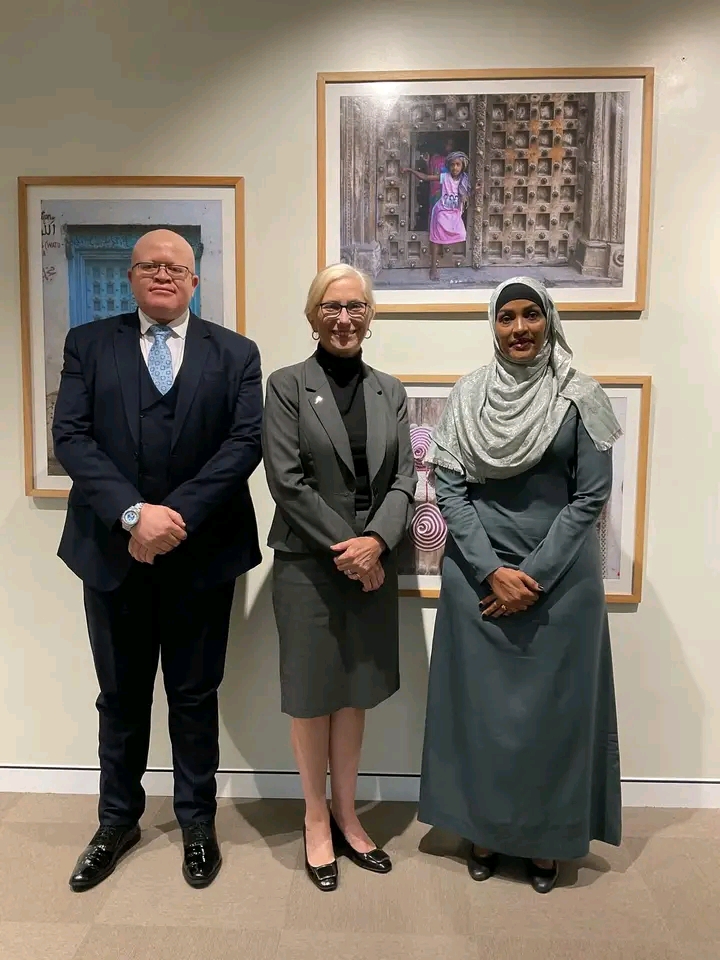
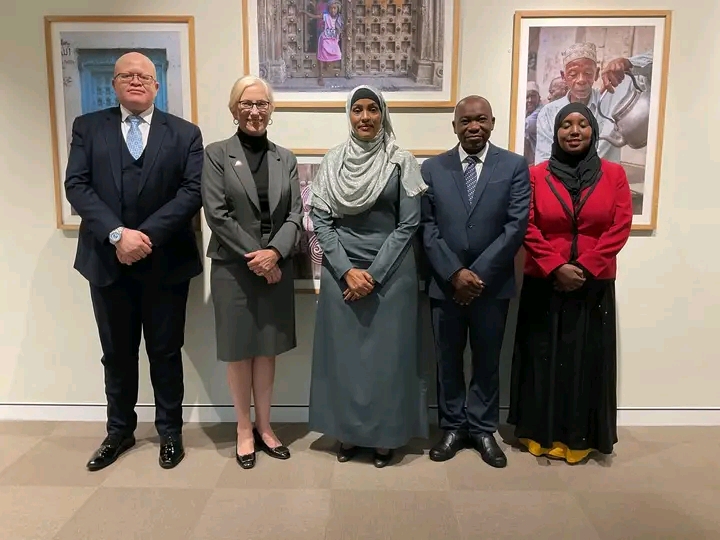
In a pivotal move to bolster gender equality and human rights across Kenya, Rehema Jaldesa, the dynamic Chairperson of the National Gender and Equality Commission (NGEC), convened with Australian High Commissioner to Kenya, Ambassador Jenny Da Rin on Monday, the 11th of August 2025.
This high-level meeting, held at the Australian High Commission offices in Nairobi, underscores a shared commitment to fostering an inclusive society where women, marginalized groups, and vulnerable populations thrive.
As Kenya grapples with persistent challenges like gender-based vulnerabilities, climate change impacts, and social inequalities, this collaboration signals a new era of international solidarity aimed at driving equitable socio-economic development.
Who is Rehema Jaldesa? A Trailblazer in Kenyan Advocacy
At the helm of this initiative stands Rehema Dida Jaldesa, a seasoned Kenyan politician and advocate whose career has been defined by unwavering dedication to equality and human rights.
Born on July 29, 1971, Jaldesa has risen through the ranks of public service, serving as the Women’s Representative for Isiolo County in the National Assembly from August 31, 2017 to 2022.
Her tenure has been marked by efforts to amplify the voices of underrepresented communities, particularly in arid and semi-arid regions where gender disparities are acute.
Prior to her current role, she held the position of Chief Administrative Secretary for Tourism, Wildlife, and Heritage, bringing a multifaceted perspective to issues intersecting gender, environment, and economic empowerment.
Jaldesa’s appointment as NGEC Chairperson on December 5, 2024, followed by her swearing-in on December 9, 2024, represents a milestone in Kenya’s gender equality landscape.
Described as a “seasoned public servant” with a history of championing human rights, her leadership has already infused the Commission with fresh energy.
Under her guidance, NGEC has recommitted to dismantling systemic barriers, such as those hindering education for girls and indigenous women, while celebrating milestones like the decade-long amplification of indigenous women’s leadership.
Jaldesa’s personal ethos aligns seamlessly with NGEC’s mandate, making her the ideal figure to spearhead international partnerships like this one.
The National Gender and Equality Commission: Kenya’s Vanguard for Inclusion
Established under the National Gender and Equality Commission Act of 2011, NGEC serves as a successor to the Kenya National Human Rights and Equality Commission, with a core mission to promote gender equality and eradicate all forms of discrimination.
Headquartered in Nairobi, the Commission focuses on special interest groups, including women, persons with disabilities, youth, and minorities, ensuring their integration into Kenya’s development agenda.
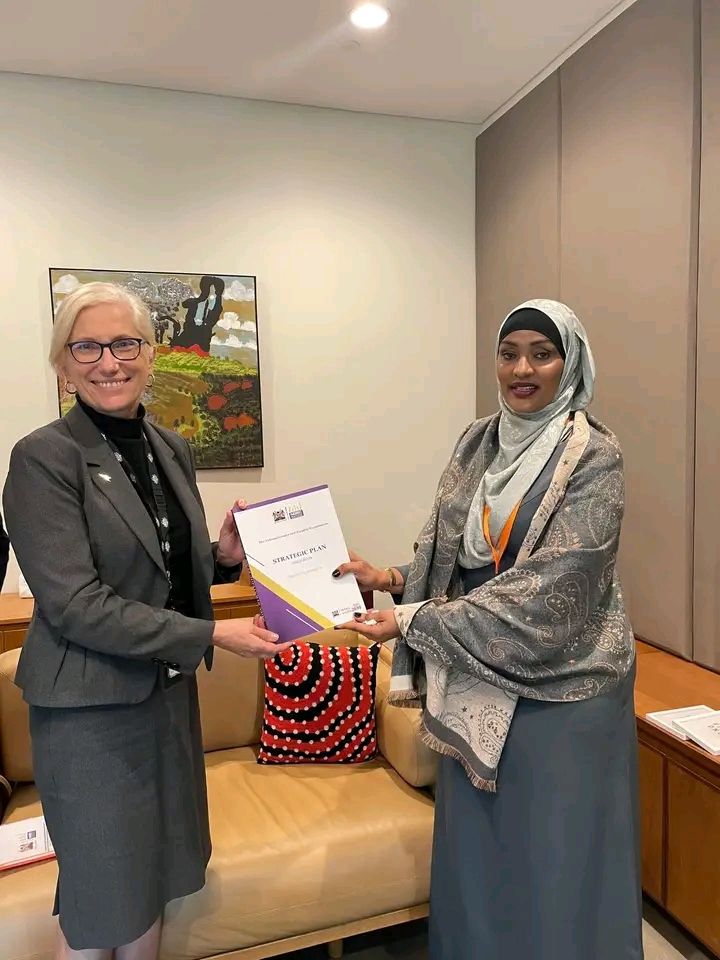
Recent achievements under Jaldesa’s stewardship include the launch of a new strategic plan, which prioritizes innovative approaches to challenge gender stereotypes and foster inclusion.
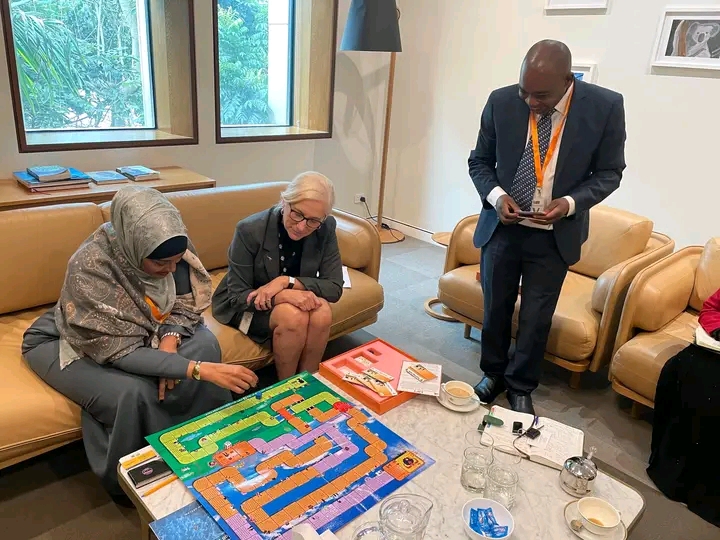
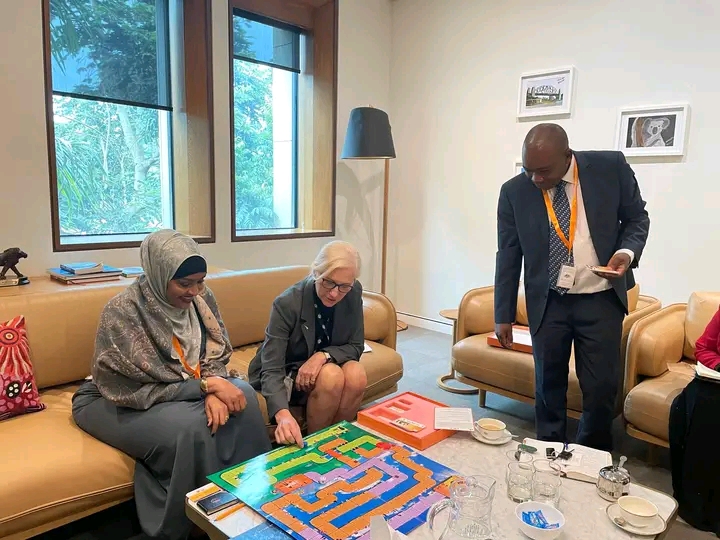
This plan, coupled with tools like the NGEC-JICA “Life Board Game” (LIFT)—a creative board game designed to debunk gender myths through interactive play—highlights the Commission’s blend of policy advocacy and community engagement.
Key Discussions: From Climate Justice to Women’s Political Empowerment
The meeting between Jaldesa and Ambassador Da Rin delved into a broad spectrum of collaborative opportunities, anchored on shared values of equality, inclusion, and human rights.
Central to the talks was the exploration of strategic entry points for joint action, reflecting both nations’ priorities in addressing global and local challenges.
One focal area was climate justice, emphasizing inclusive, community-led resilience in Kenya’s arid and semi-arid lands—regions disproportionately affected by climate change.
Discussions highlighted gender-based vulnerabilities, such as how women in these areas bear the brunt of resource scarcity, and proposed initiatives to mitigate these through targeted interventions.
Another key pillar was women’s economic empowerment, with an emphasis on skills development and vocational training for girls, young mothers, and women in hardship zones.
Linking these efforts to the Australia Awards Alumni network, the partners aim to create sustainable pathways for economic independence, empowering women to contribute meaningfully to Kenya’s growth.
The dialogue also addressed strengthening civic education and protection for women in politics ahead of the 2027 elections.
In a country where female political participation faces barriers like violence and cultural biases, this initiative seeks to equip women with the tools to lead confidently.
Additionally, the meeting explored elevating women’s roles as peacebuilders in conflict-prone regions, recognizing their potential in fostering lasting dialogues and stability.
Further topics included enhancing the accessibility of e-government services and promoting inclusive infrastructure for persons with disabilities, ensuring digital and physical spaces are equitable.
Technical exchanges and staff training were proposed in areas like gender equality, the care economy, minority inclusion, and rights-based development planning, paving the way for knowledge-sharing between Kenyan and Australian experts.
Both sides expressed enthusiasm for co-designing measurable, pilot-ready initiatives, potentially kickstarted through Australia’s Direct Aid Program—a flexible funding mechanism for grassroots projects.
Voices from the Meeting: Gratitude, Commitment, and Shared Vision
In her post-meeting statement, Jaldesa expressed profound gratitude for the engagement: “This morning, I had the pleasure of meeting with H.E. Ambassador Jenny Da Rin, Australian High Commissioner. Our discussion focused on fostering stronger collaboration in advancing gender equality, human rights, and inclusion in Kenya. We explored opportunities for partnership to promote women’s empowerment, protect the rights of marginalized groups, and ensure no one is left behind. Grateful for the shared vision, commitment, and solidarity in building a more just and inclusive society.”
Ambassador Da Rin echoed this sentiment in the Australian High Commission’s statement: “Thank you to Hon. Rehema Jaldesa, Chairperson of the National Gender and Equality Commission-Kenya, and members of the Commission for an important exchange on gender equality, inclusion, and minority communities; and areas where 🇰🇪 and 🇦🇺 can work together. We congratulate the Commission on the launch of its new strategic plan. We also enjoyed playing NGEC-JICA’s Life Board Game – (LIFT) – a fun and innovative way to challenge gender stereotypes and promote inclusion.”
The statement, also shared in Swahili to reach a broader audience, reaffirmed Australia’s global commitments: “Australia’s unwavering commitment to gender equality and inclusion is reflected in our new International Gender Equality Strategy, our International Disability Equality and Rights Strategy, and our commitments at global, regional, and national levels.”
These strategies align with Australia’s broader development cooperation in Kenya, which includes empowering women and girls, advancing human rights, and combating violence against women.
NGEC’s official release encapsulated the encounter: “NGEC and Australian High Commission Explore Strategic Partnership for Inclusive Development. The meeting focused on potential areas of collaboration… The engagement marks the beginning of a promising partnership in advancing an inclusive, equitable, and just society for all.”
Australia’s Role in Kenya’s Gender Agenda: A History of Support
Australia’s involvement in Kenya’s gender equality efforts is not new. Through diplomatic channels and programs like the Australia Awards, the nation has consistently supported initiatives that promote women’s leadership and social justice.
Stories like that of Caroline Rotich, an Australia Awards alumna dedicated to gender equality, exemplify the impact of such partnerships.
By aligning with NGEC, Australia aims to amplify these efforts, contributing to Kenya’s vision of leaving no one behind in its socio-economic progress.
Looking Ahead: A Blueprint for an Equitable Future
This engagement between Rehema Jaldesa and Ambassador Da Rin is more than a diplomatic courtesy—it’s a blueprint for transformative action.
As Jaldesa noted, the collaboration will enhance NGEC’s advocacy for equity and vulnerable populations, while Da Rin emphasized the power of joint efforts in tackling inequalities.
With pilot initiatives on the horizon, this partnership holds immense promise for creating a more inclusive Kenya, where gender equality and human rights are not just ideals but lived realities.
As global challenges like climate change and political transitions loom, leaders like Jaldesa are at the forefront, bridging local needs with international support.
This alliance not only strengthens Kenya-Australia ties but also sets a precedent for how cross-border cooperation can drive meaningful change in gender equality, women’s empowerment, and human rights.
Stay tuned as these initiatives unfold, potentially reshaping the landscape for marginalized communities across Kenya.
Share This Post