
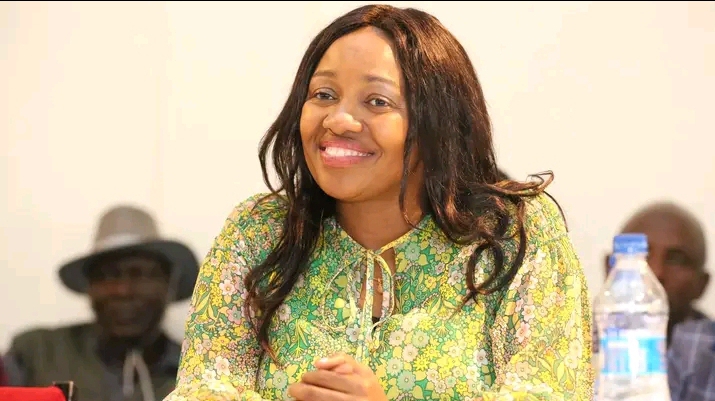

In the heart of Kenya’s Rift Valley, where vast landscapes meet the pressing needs of underserved communities, Nakuru County Governor Susan Kihika is emerging as a beacon of progress in the realm of public health.
With a steadfast vision to bridge the gap between urban advancements and rural realities, Kihika has reaffirmed her administration’s unwavering commitment to enhancing healthcare access across Nakuru’s remote areas.
By prioritizing the upgrade and expansion of existing medical facilities, she is not only addressing immediate health challenges but also laying the foundation for a healthier, more equitable future for thousands of residents.
At the forefront of this transformative agenda is the ambitious construction of the new 80-bed Kuresoi North Sub-County Hospital in Kiptororo Ward—a project that symbolizes Kihika’s dedication to localized, high-quality care.
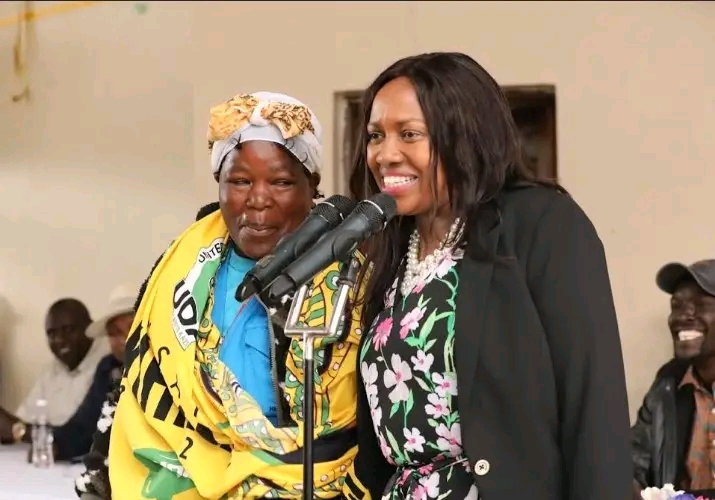
Speaking during a pivotal meeting with opinion leaders in Kuresoi North Sub-County, the governor shared an exciting update: the hospital is already 35% complete, marking a significant milestone in her administration’s efforts to decentralize healthcare services.
This state-of-the-art facility is designed to revolutionize medical delivery in the region, featuring a modern maternity ward equipped to handle safe deliveries, a fully outfitted operating theatre for surgical procedures, comprehensive outpatient services for everyday consultations, a well-stocked pharmacy to ensure medication availability, an advanced laboratory for diagnostic testing, and an X-ray unit for precise imaging—all under one roof.
The strategic location of the hospital in Kiptororo Ward addresses a longstanding barrier to healthcare: the burdensome travel distances that rural patients often endure to seek specialized treatment.
For years, residents of Kuresoi North and surrounding areas have faced the daunting prospect of long journeys to urban centers like Nakuru Town, where overcrowded facilities and high costs exacerbate health disparities. Kihika’s initiative promises to drastically reduce these distances, making timely interventions a reality rather than a luxury.
“We are working with speed to ensure that the people of Kiptororo and the greater Kuresoi North Sub-County have access to quality healthcare within their locality,” Kihika declared passionately during the gathering.
“No mother should have to travel far to deliver safely, and no patient should miss timely treatment due to distance.” Her words resonate deeply in a region where maternal and child health outcomes have historically lagged behind national averages, underscoring the human impact of her policies.
Beyond the flagship hospital project, Governor Kihika announced another key achievement: the reactivation of the long-stalled Githima Dispensary.
Once dormant due to infrastructural and operational hurdles, this facility has now been revitalized and is actively providing essential primary healthcare services to the local community.
From routine check-ups and vaccinations to basic treatments for common ailments, the dispensary serves as a vital first line of defense, preventing minor issues from escalating into emergencies.
This move exemplifies Kihika’s holistic approach to healthcare reform, which emphasizes not just new builds but also the revival of underutilized assets to create a robust network of support.
In a bid to maximize the reach and affordability of these services, Kihika urged residents to register with the Social Health Authority (SHA), the government’s flagship program for universal health coverage. By enrolling in SHA, families can access subsidized medical care, alleviating the financial strain that often deters people from seeking help.
“Universal health coverage is not just a policy—it’s a promise to every Kenyan that quality care is a right, not a privilege,” Kihika emphasized, highlighting how her administration is aligning local efforts with national initiatives to foster inclusivity.
This encouragement comes at a critical time, as Kenya continues to roll out reforms aimed at achieving Sustainable Development Goal 3—ensuring healthy lives and promoting well-being for all ages.
Governor Kihika’s focus on healthcare is intricately woven into a broader development blueprint designed to elevate the social and economic fabric of Nakuru County.
Since assuming office, she has championed initiatives that span education, infrastructure, agriculture, and youth empowerment, all with an eye toward sustainable growth.
In Kuresoi North, a sub-county known for its agricultural prowess and diverse population, improved medical services are expected to boost productivity by reducing downtime due to illness, empowering women through better maternal care, and fostering community resilience.
Local leaders and residents alike are expressing growing optimism, viewing these advancements as a catalyst for long-term prosperity.
As construction on the Kuresoi North Sub-County Hospital accelerates toward completion, Governor Susan Kihika’s leadership stands out as a model of proactive governance in rural Kenya.
Her hands-on approach, combined with a clear vision for equity, is not only transforming healthcare landscapes but also inspiring hope among Nakuru’s rural dwellers.
With projects like these gaining momentum, the dream of accessible, world-class medical care in even the most remote corners of the county is swiftly becoming a tangible reality.
For more updates on Nakuru County’s healthcare initiatives and Governor Kihika’s ongoing efforts, stay tuned to ICBNews, local news channels and official county portals.
Share This Post