
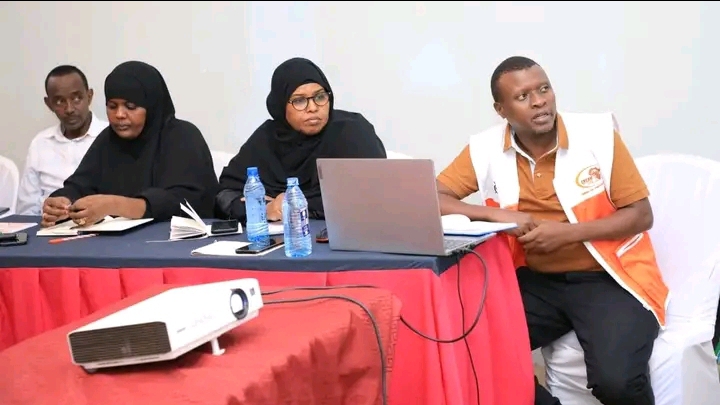

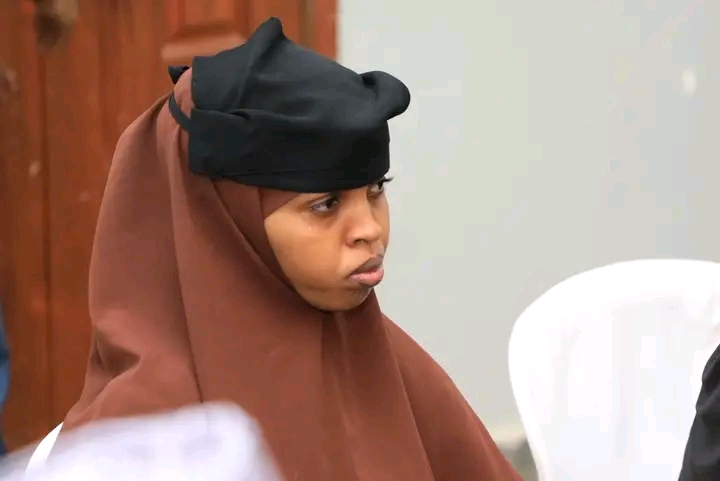
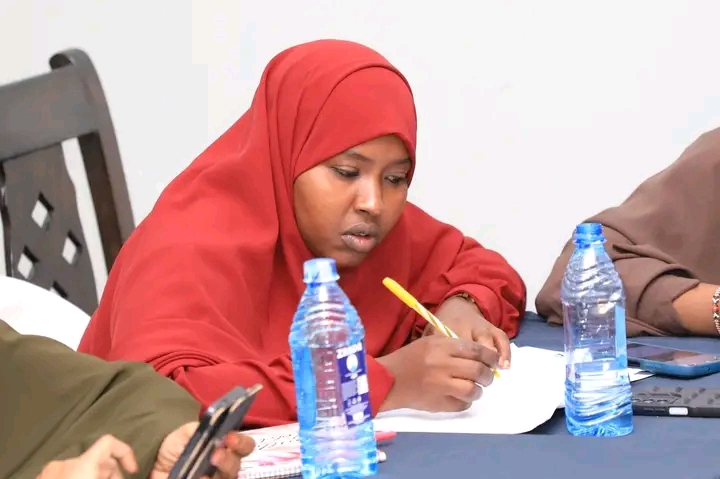
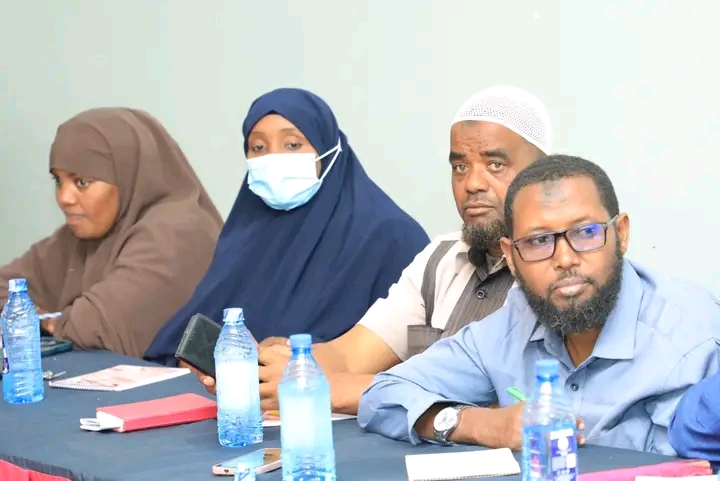
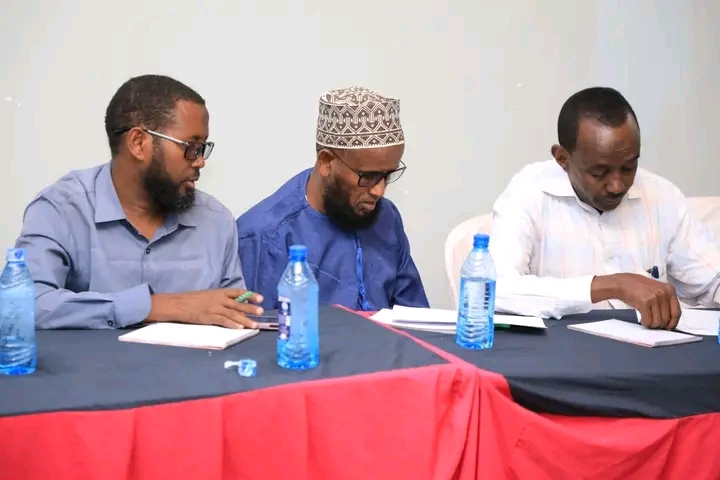
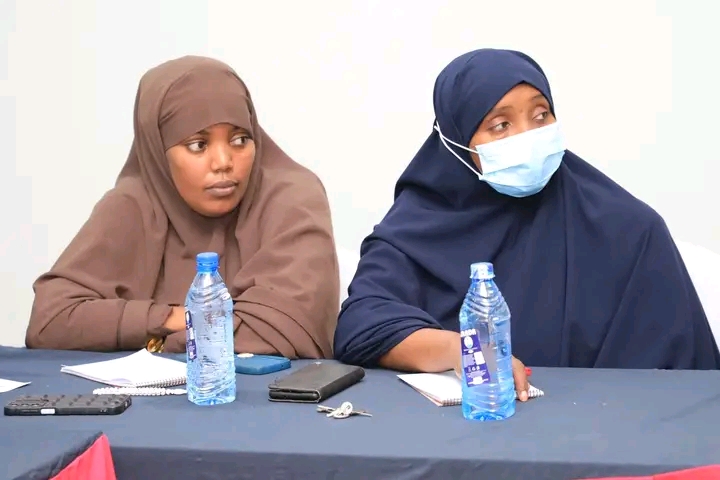
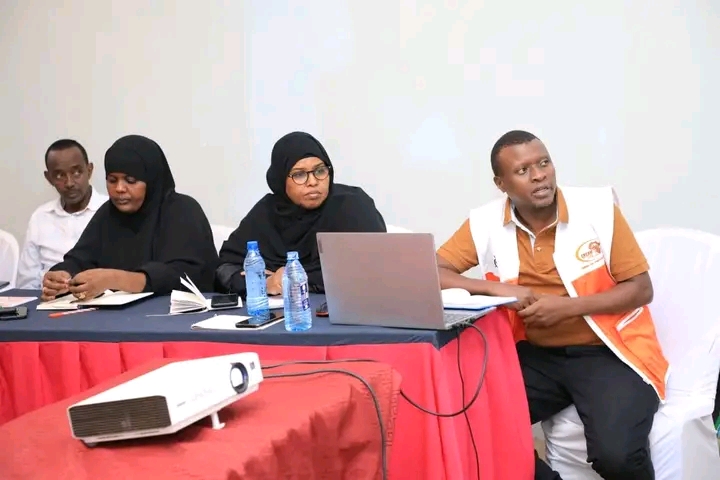
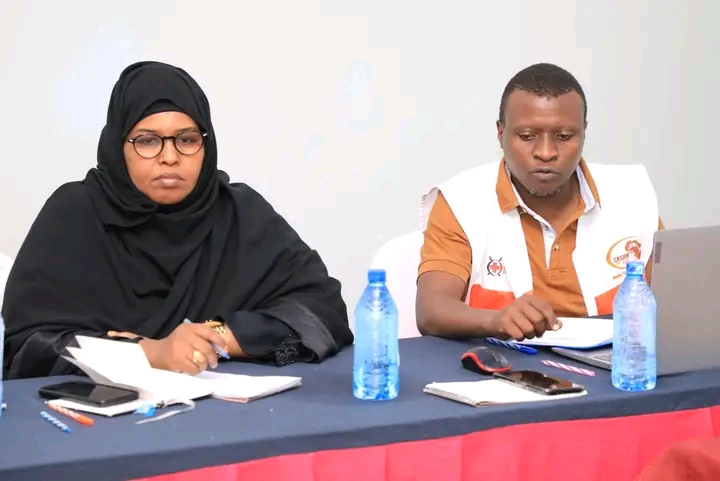
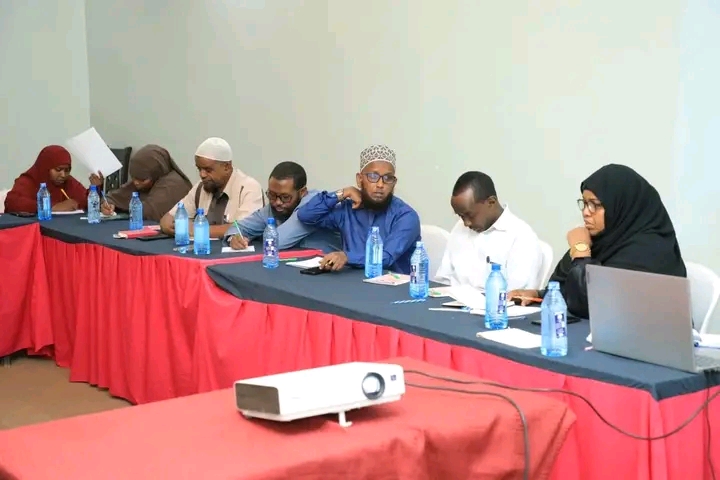
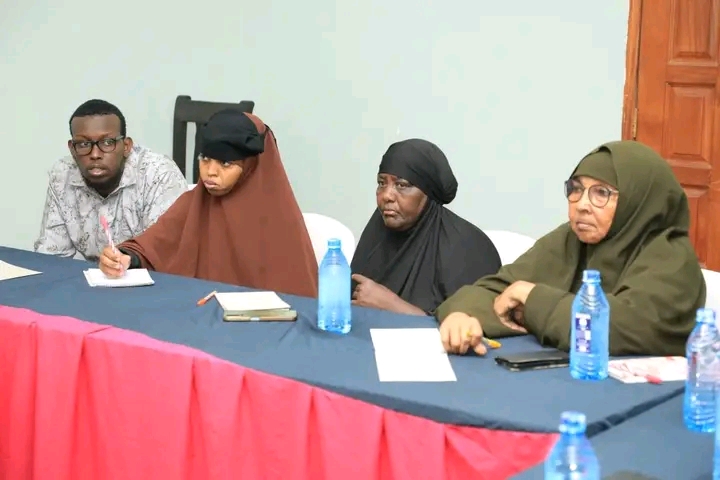
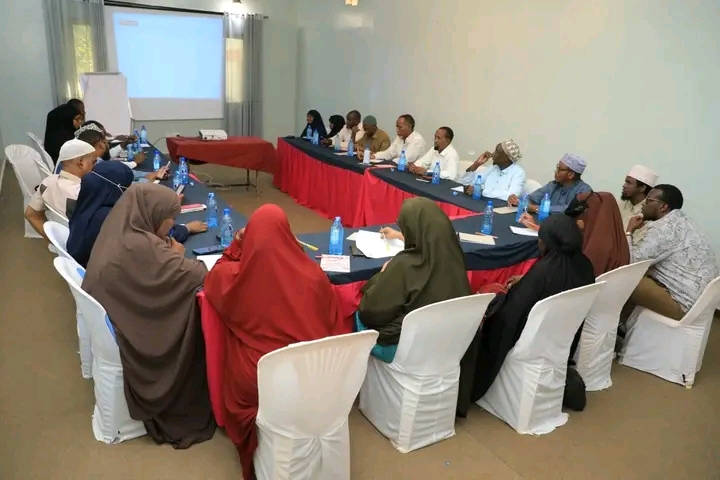
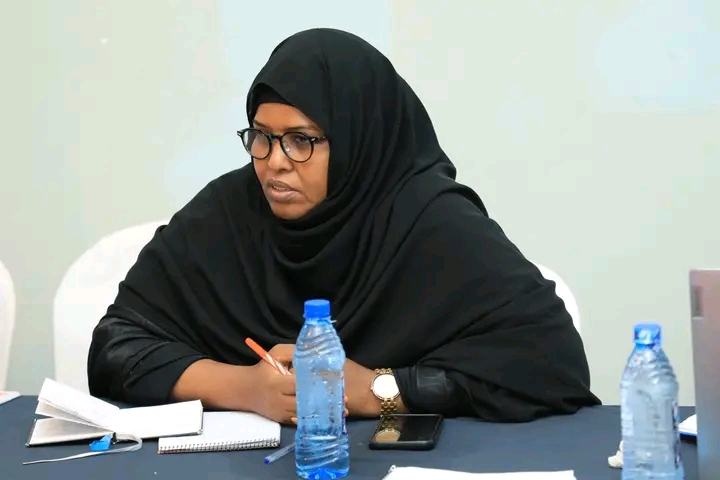
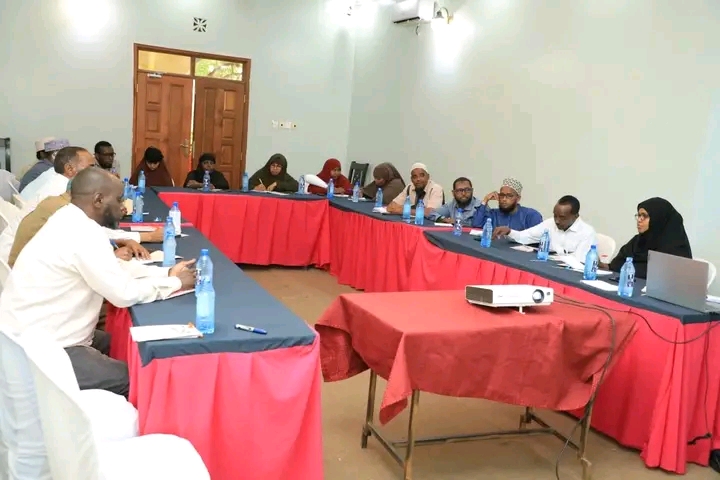
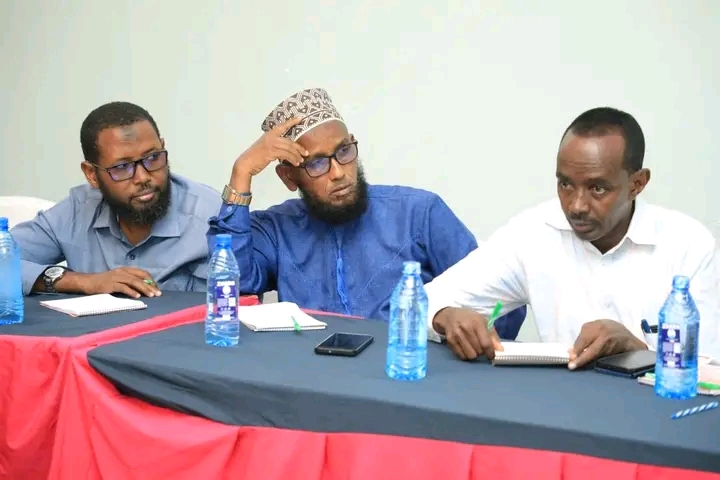
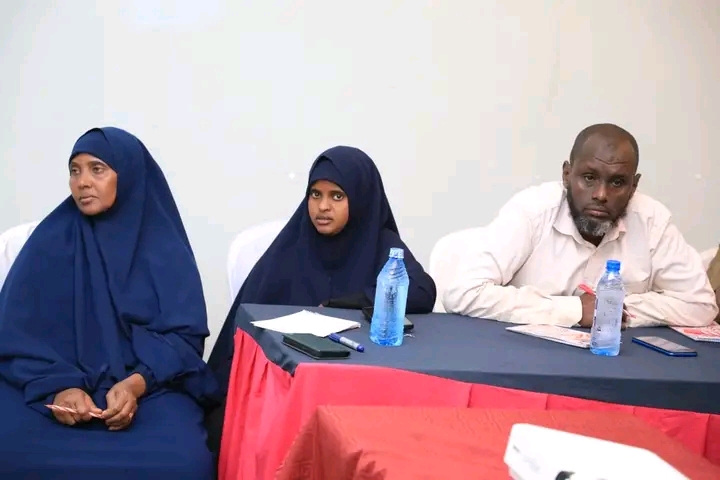
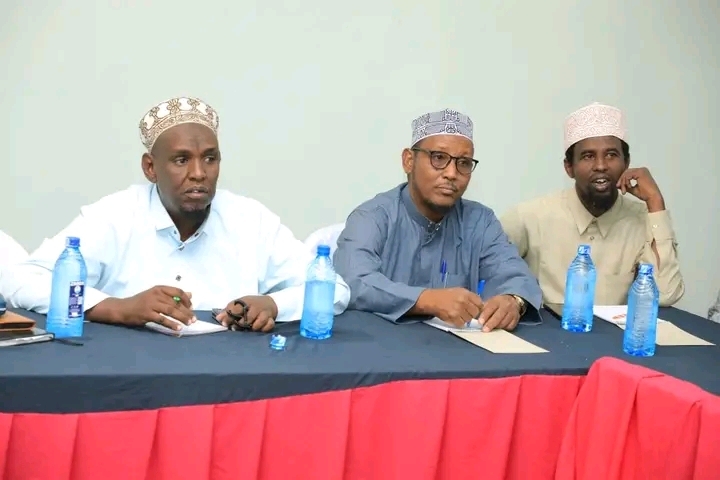
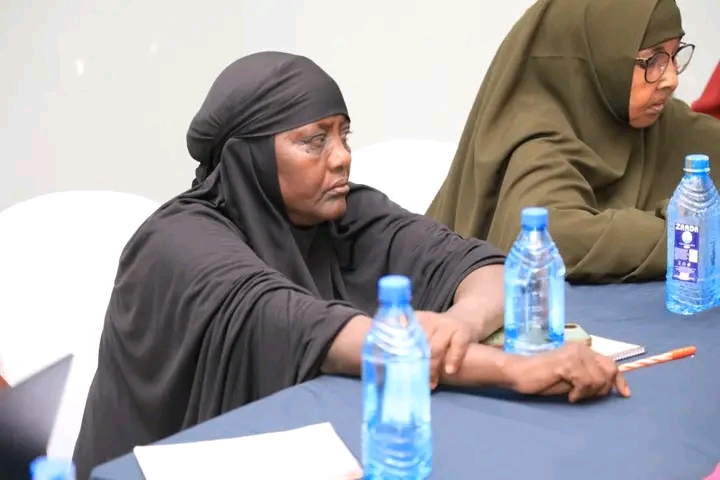
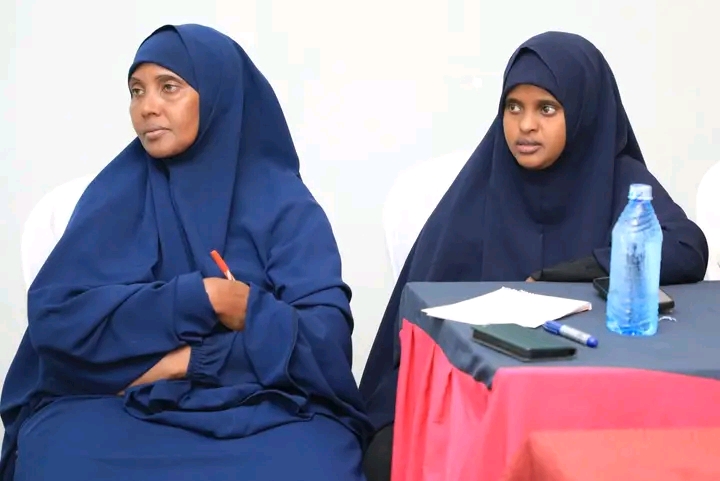
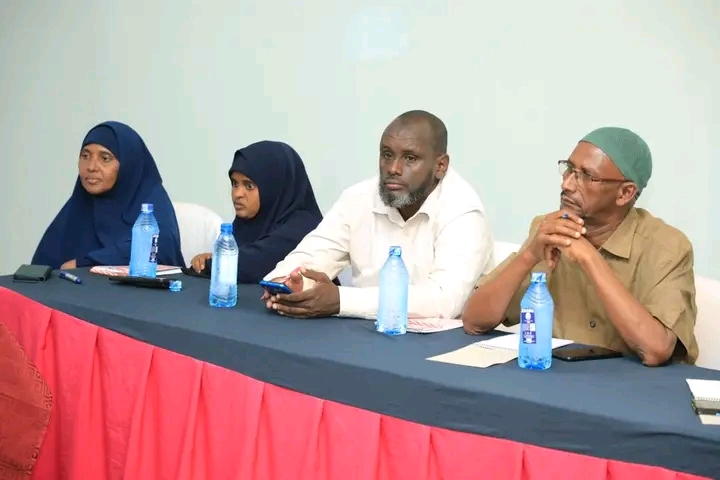
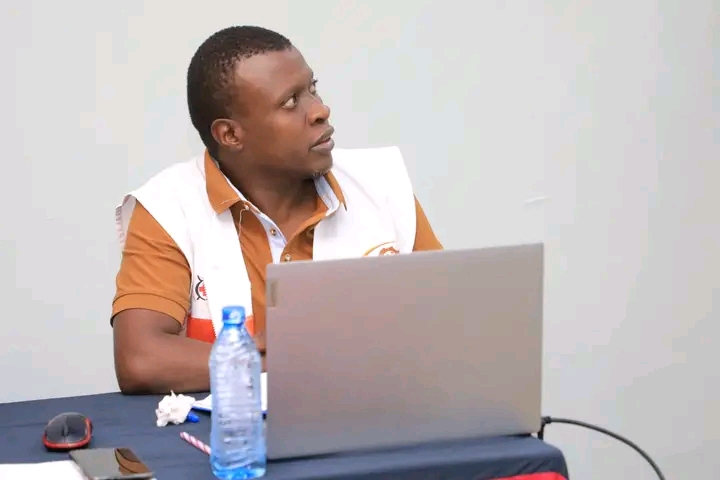
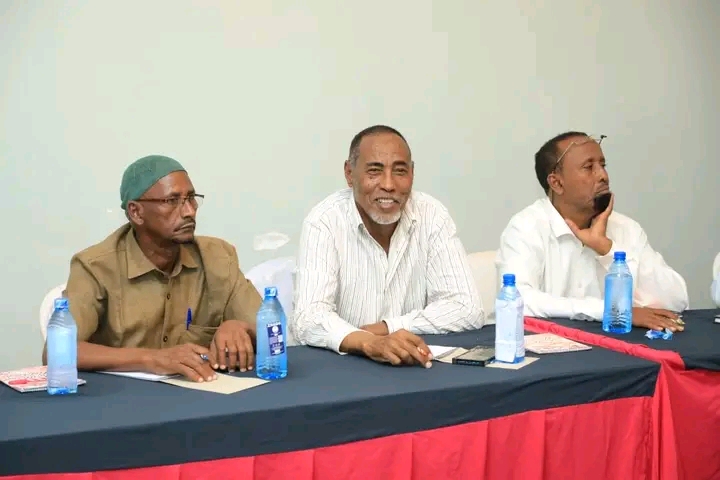
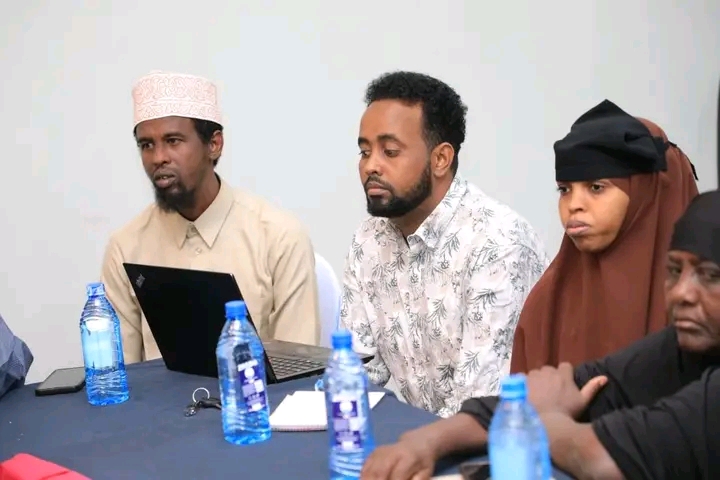
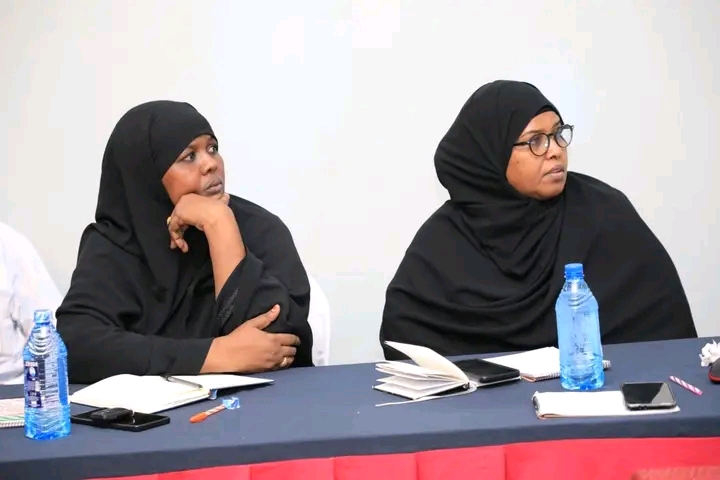
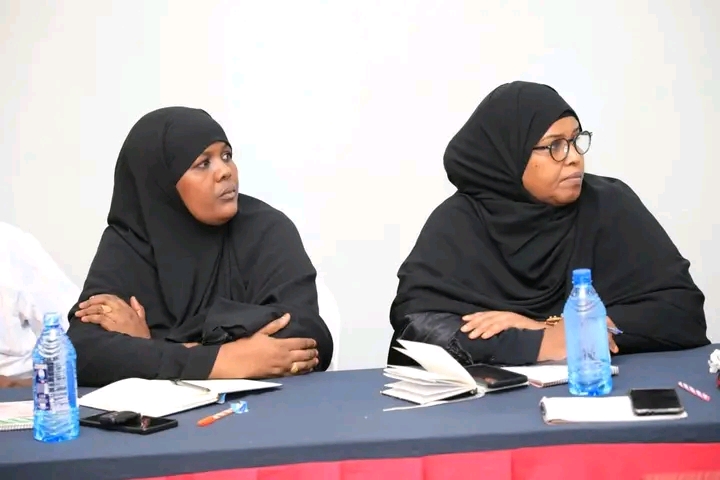
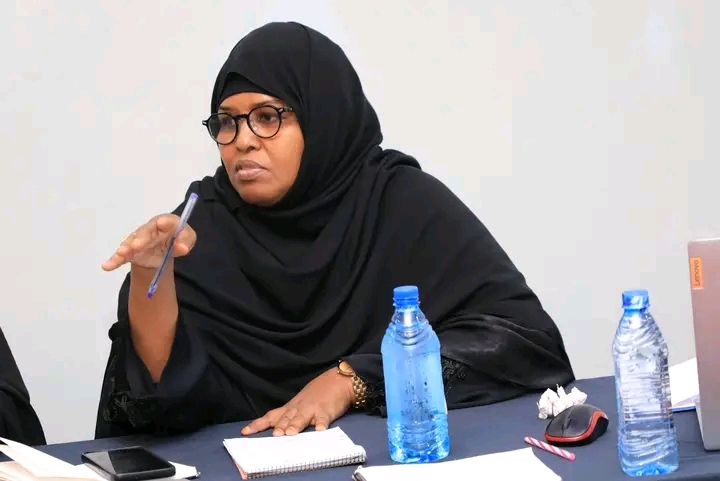
In a significant step toward addressing Gender-Based Violence (GBV) in Mandera County, the Mandera Gender Technical Working Group convened a pivotal meeting to strengthen coordination and lay the groundwork for comprehensive anti-GBV initiatives.
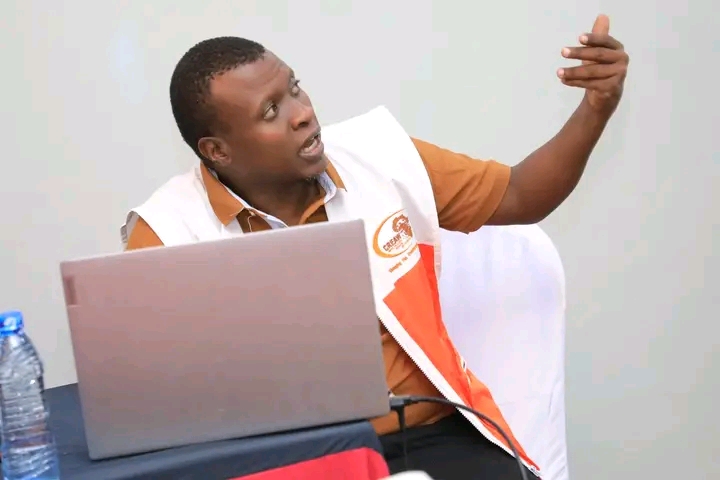
The session, chaired by the County Chief Officer for Women Empowerment and supported by the Centre for Rights, Education and Awareness (CREAW) Kenya, brought together key stakeholders, including government officials, civil society organizations, and community leaders, to strategize on combating GBV in the region.
A Unified Approach to Tackle Gender-Based Violence
The meeting, held in Mandera, focused on fostering a collaborative framework to prevent and manage GBV, a pervasive issue that disproportionately affects women and girls in the county.
By uniting diverse stakeholders, the Gender Technical Working Group aims to create a cohesive strategy that addresses the root causes of GBV, enhances survivor support systems, and promotes gender equality.
The session marked a critical milestone in Mandera’s ongoing efforts to create a safer and more equitable environment for all residents.
Under the leadership of the County Chief Officer for Women Empowerment, the meeting underscored the importance of a structured and coordinated approach to tackling GBV.
CREAW Kenya, a leading organization in advancing women’s rights, played a key role in facilitating discussions and providing technical support to ensure the initiative’s success.
Key Objectives and Outcomes
The meeting yielded several actionable outcomes aimed at strengthening Mandera’s response to GBV:
- Formation of a Sub-Committee for Terms of Reference (TOR): A dedicated sub-committee was established to spearhead the development of the Terms of Reference for the Gender Technical Working Group. The TOR will define the group’s mandate, roles, and responsibilities, ensuring clarity and accountability in its operations. This step is critical to formalizing the group’s structure and enhancing its effectiveness in coordinating anti-GBV efforts.
- Directive to Draft a County-Specific GBV Action Plan: The County Department of Gender was tasked with identifying a suitable partner organization to lead the development of a comprehensive GBV Action Plan. This plan will outline specific strategies, timelines, and resources needed to prevent GBV, support survivors, and hold perpetrators accountable. The action plan will be tailored to address the unique cultural, social, and economic dynamics of Mandera County.
- Steps Toward a Tailored GBV Policy: The meeting initiated discussions on the development of a GBV policy customized to Mandera’s specific needs. This policy will provide a legal and institutional framework to guide the county’s efforts in preventing GBV, protecting vulnerable populations, and promoting gender equity. The policy is expected to address gaps in existing frameworks and incorporate community-driven solutions.
CREAW Kenya’s Commitment to Women’s Rights
CREAW Kenya reaffirmed its unwavering commitment to supporting Mandera County in its fight against GBV.
The organization emphasized the importance of coordinated policies, community engagement, and survivor-centered approaches in addressing gender-based violence.
By partnering with the county government and other stakeholders, CREAW Kenya aims to amplify efforts to protect women’s rights, provide access to justice for survivors, and foster a culture of zero tolerance for GBV.
“Addressing Gender-Based Violence requires a collective effort that brings together government, civil society, and communities,” said a representative from CREAW Kenya.
“We are committed to supporting Mandera County in developing robust policies and action plans that prioritize the safety and empowerment of women and girls.”
Why This Matters for Mandera County
Mandera County, located in Kenya’s northeastern region, faces unique challenges in addressing GBV, including cultural norms, limited access to services, and economic constraints.
These factors often exacerbate vulnerabilities for women and girls, making coordinated interventions critical.
The establishment of the Gender Technical Working Group and the outcomes of this meeting signal a proactive approach to tackling these challenges head-on.
The development of a county-specific GBV Action Plan and policy is particularly significant, as it will provide a roadmap for addressing local needs while aligning with national and international frameworks, such as Kenya’s Constitution and the Sustainable Development Goals (SDGs).
By prioritizing survivor support, prevention, and accountability, Mandera County is taking a bold step toward creating a safer and more inclusive society.
Looking Ahead
The formation of the sub-committee and the directive to draft a GBV Action Plan mark the beginning of a transformative journey for Mandera County.
Stakeholders are optimistic that these initiatives will lead to tangible improvements in the prevention and management of GBV.
The Gender Technical Working Group plans to hold regular meetings to monitor progress, refine strategies, and ensure inclusive participation from all sectors of society.
As Mandera County moves forward with these initiatives, the collaboration between the county government, CREAW Kenya, and other partners will be instrumental in driving systemic change.
By addressing GBV through coordinated policies, community engagement, and survivor-centered interventions, Mandera is setting a powerful example for other counties in Kenya and beyond.
For more information on efforts to combat Gender-Based Violence in Mandera County, visit the official websites of the Mandera County Government or CREAW Kenya.
Share This Post