
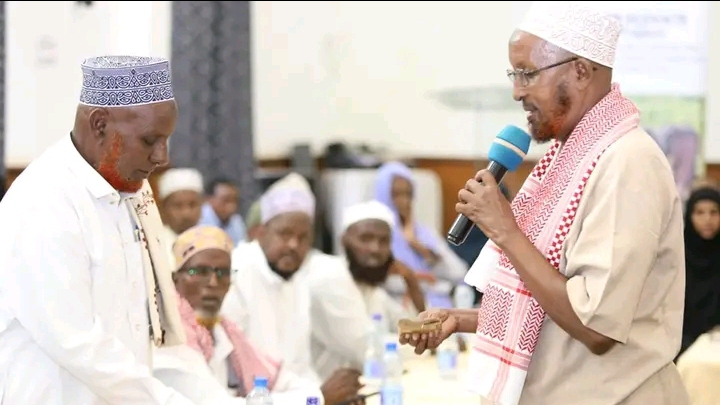

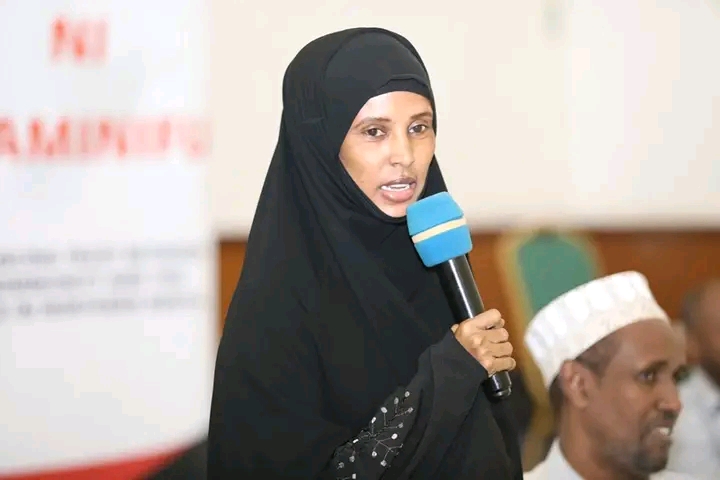
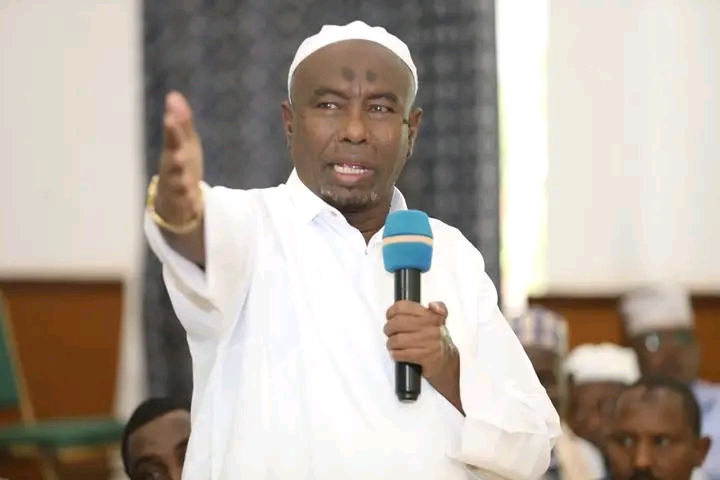
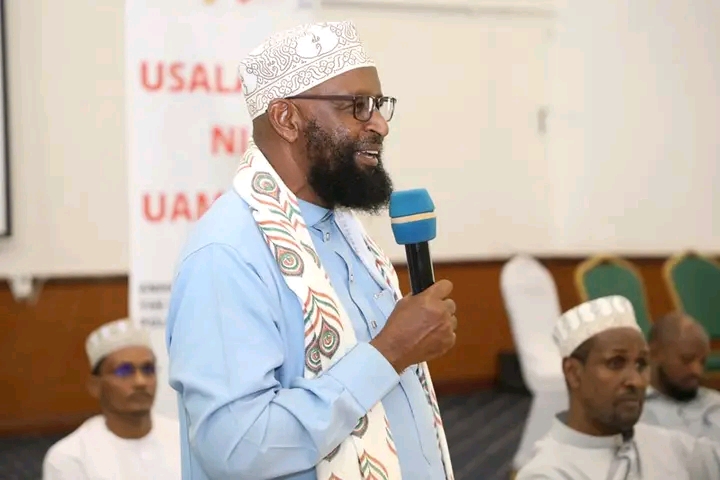
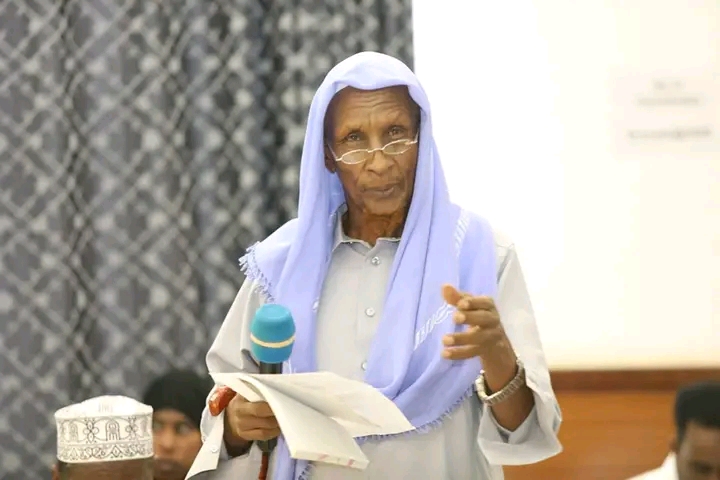
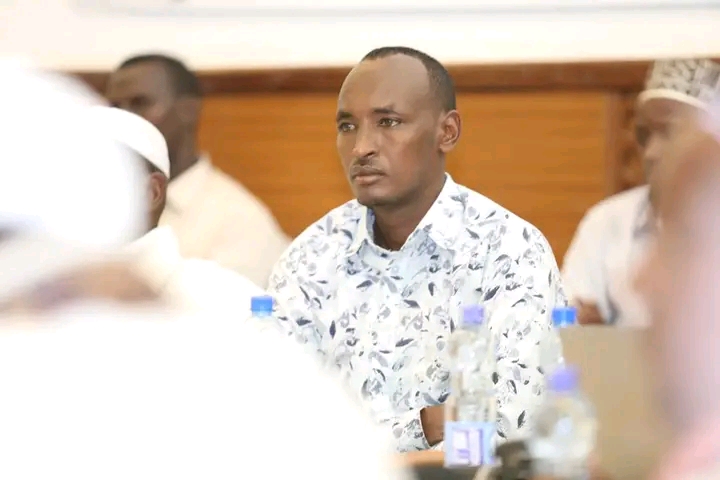
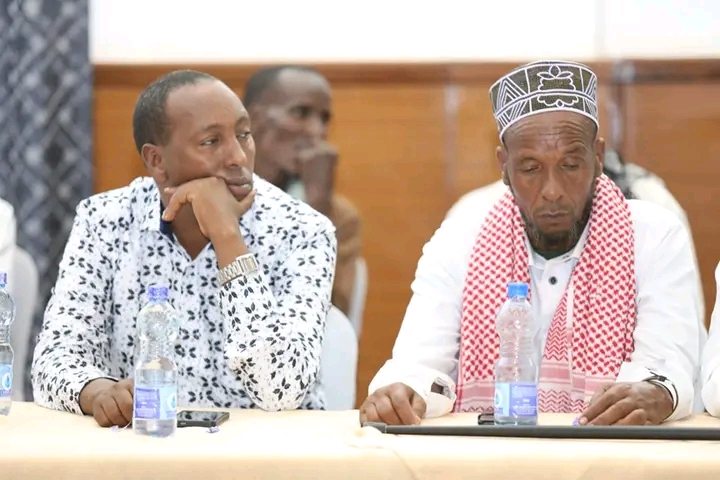
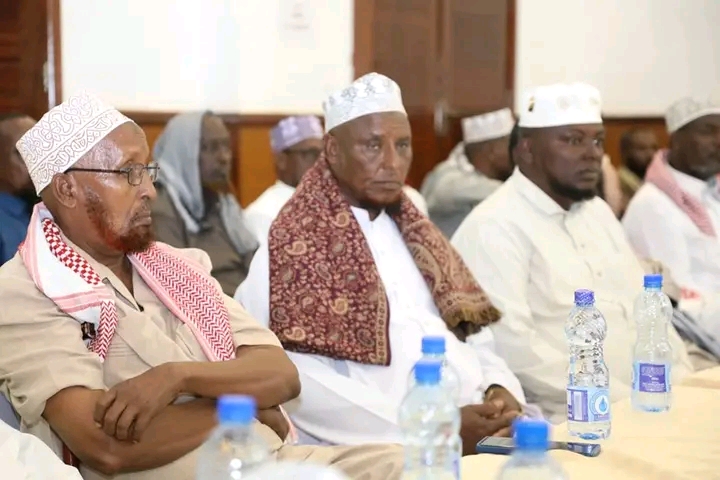
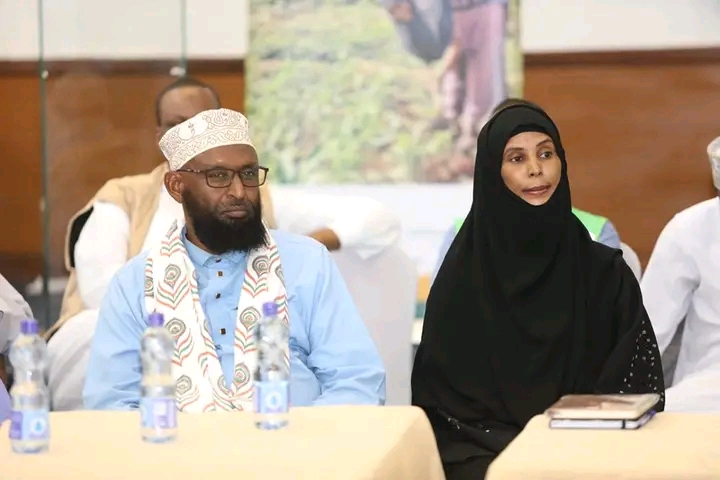
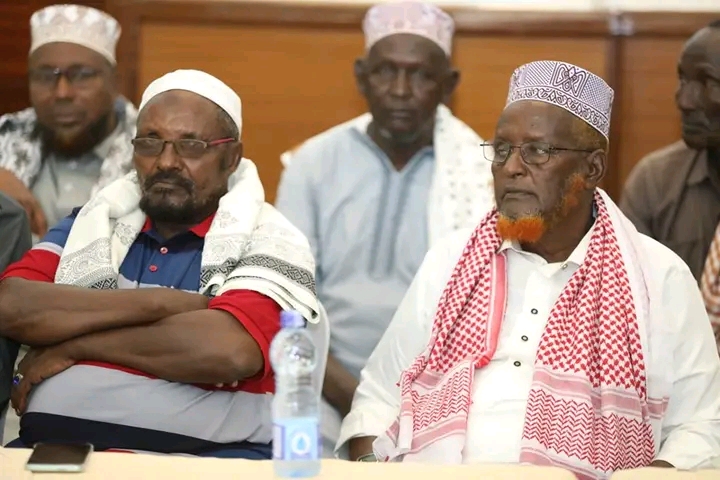
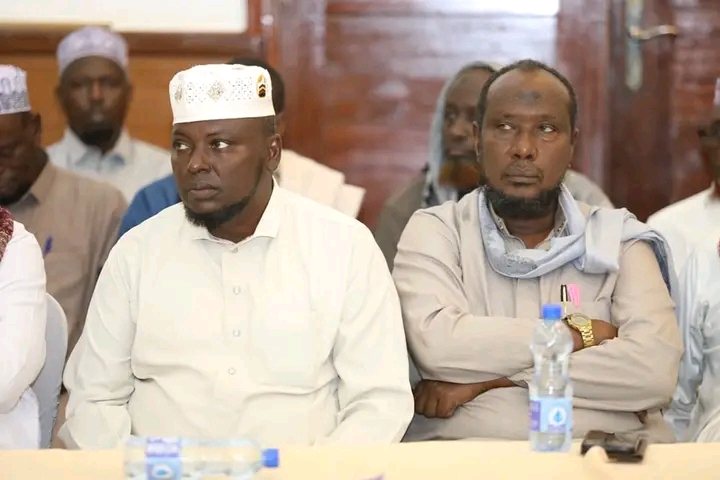
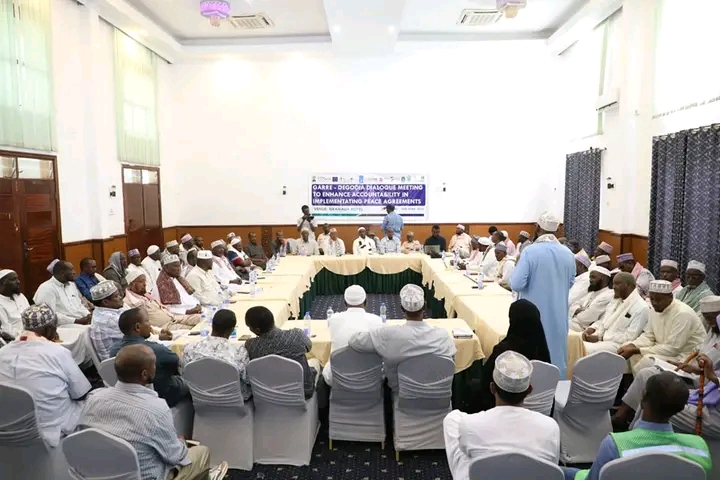
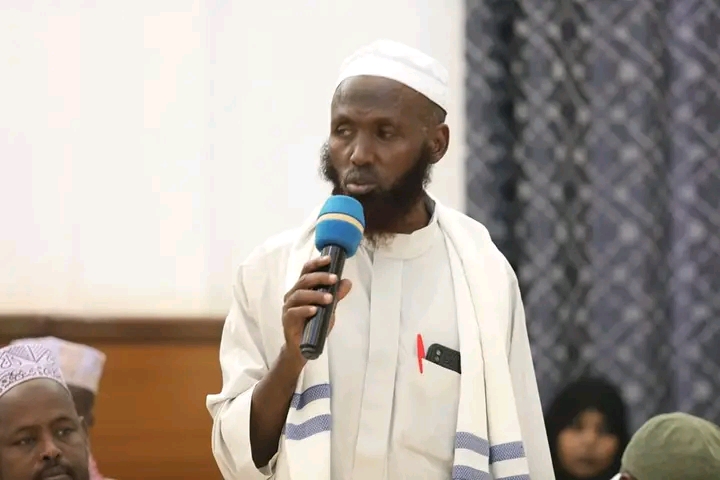
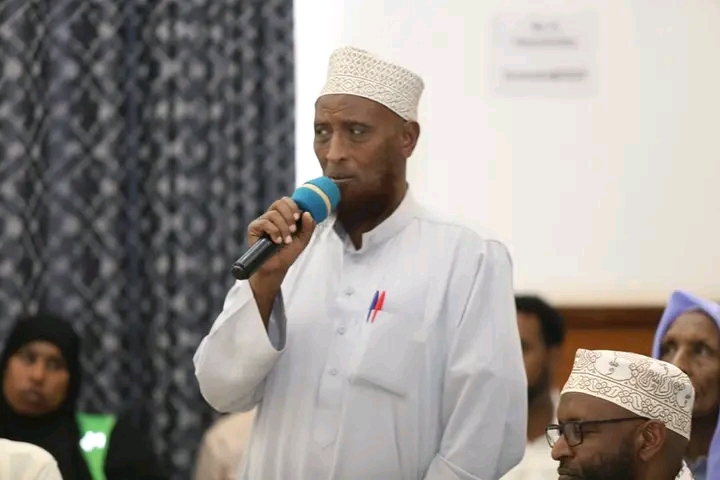
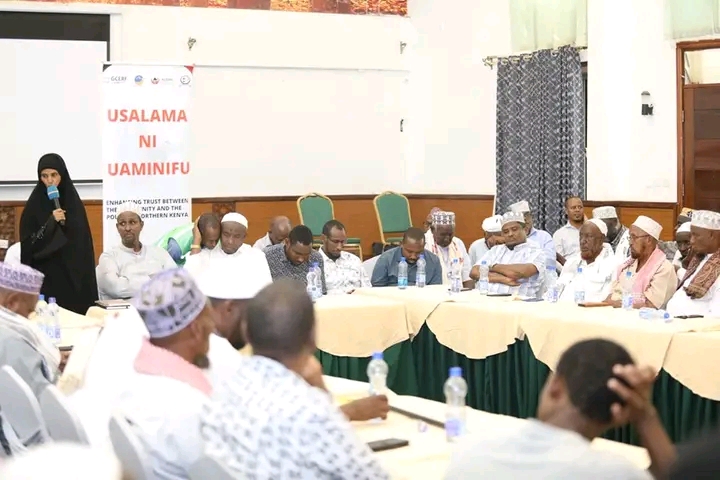
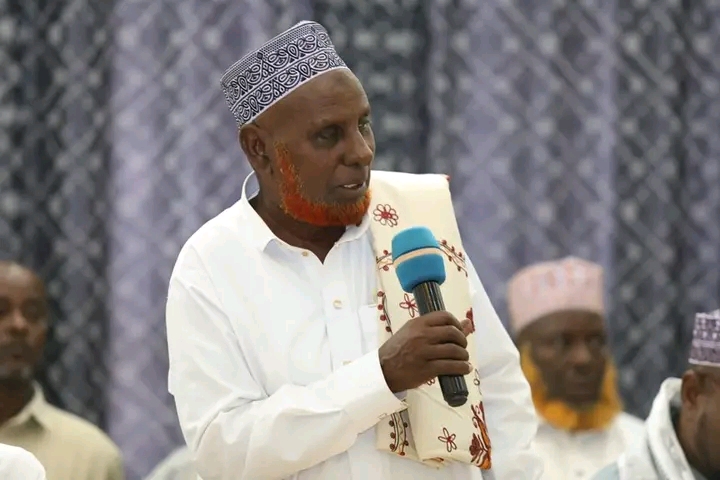
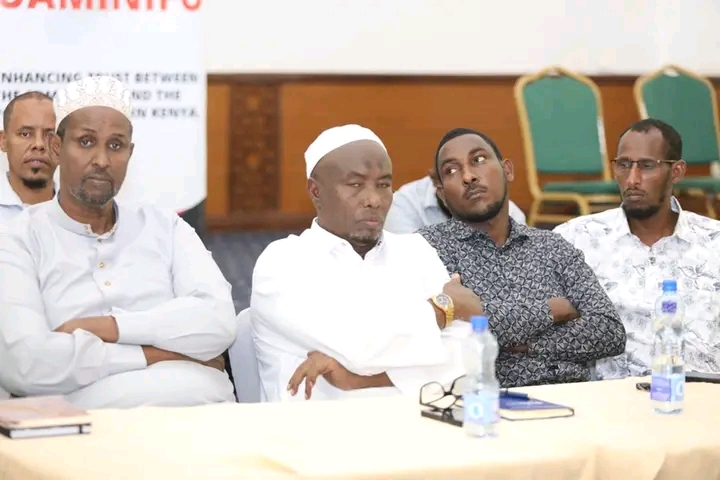
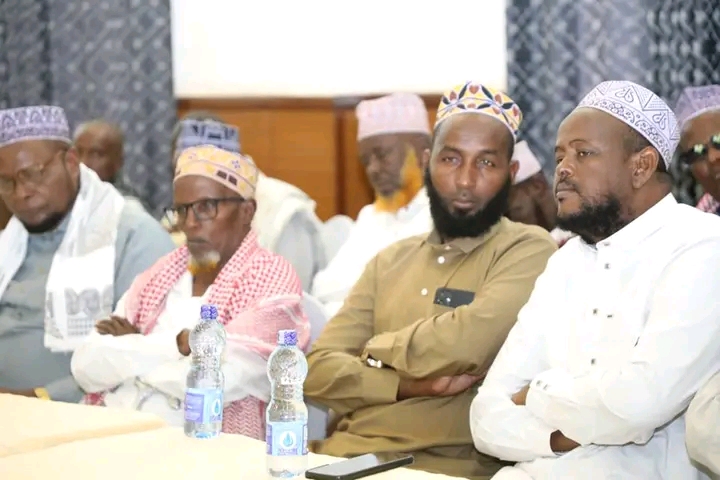
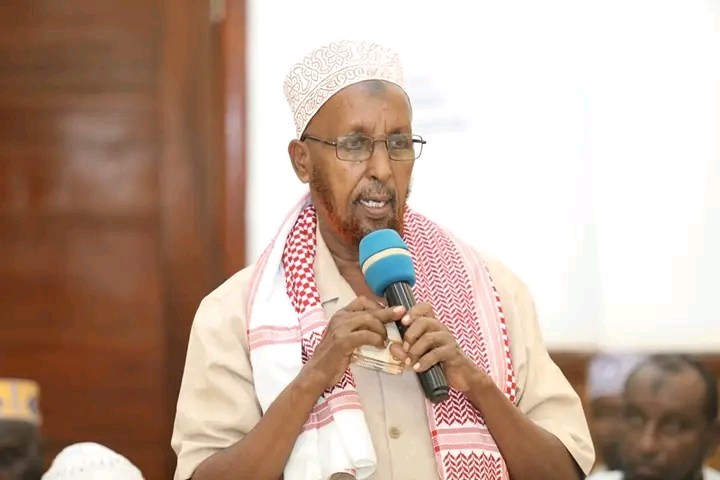
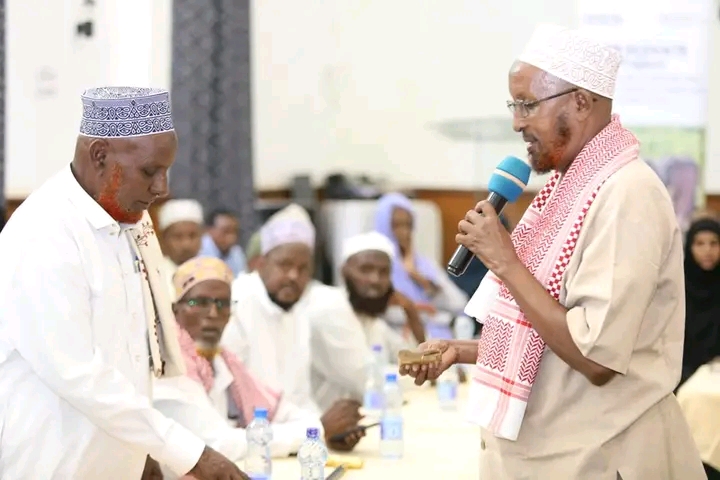
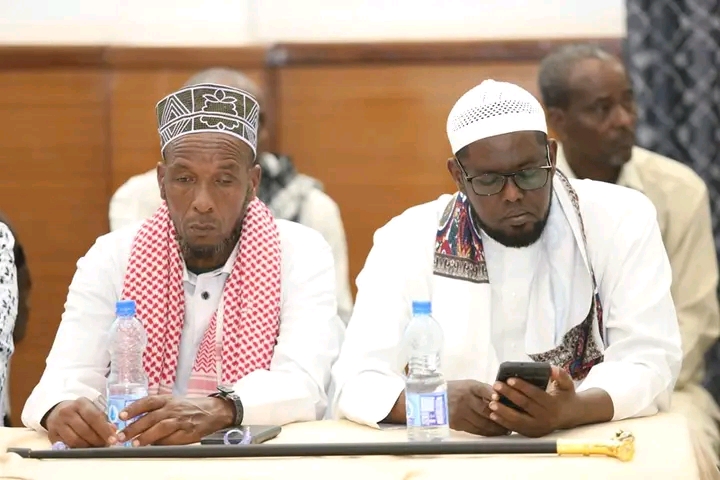
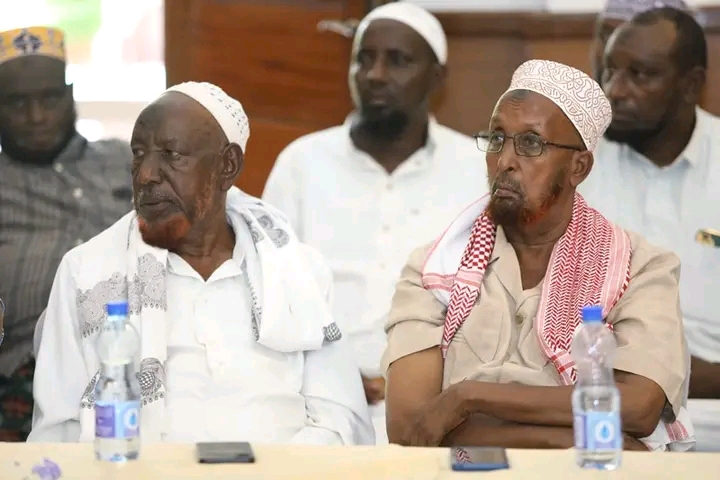
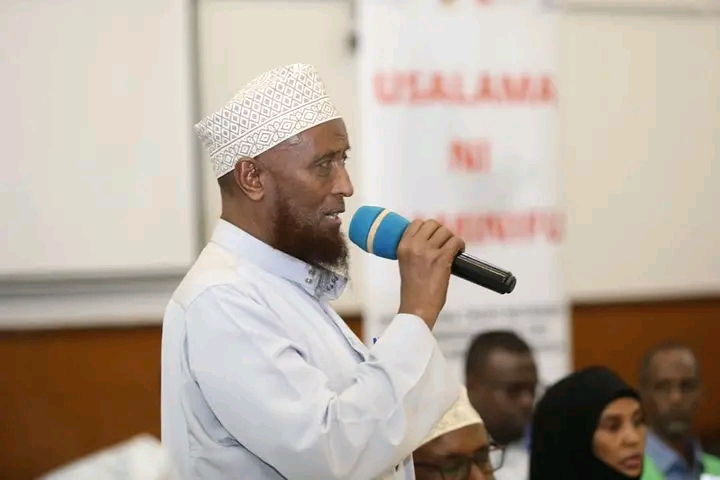
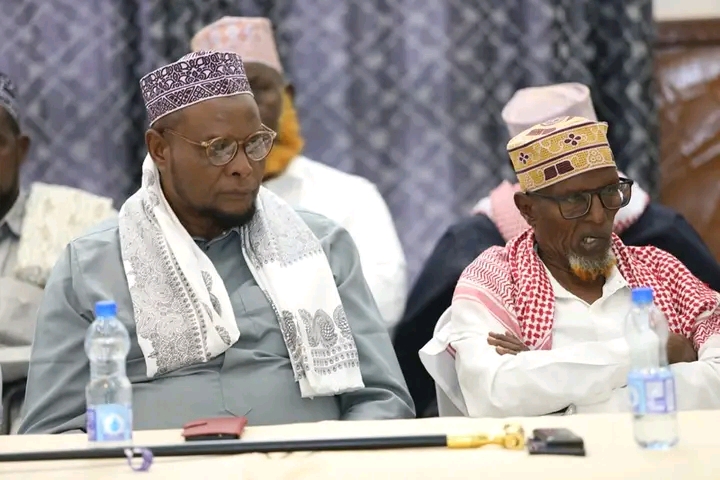
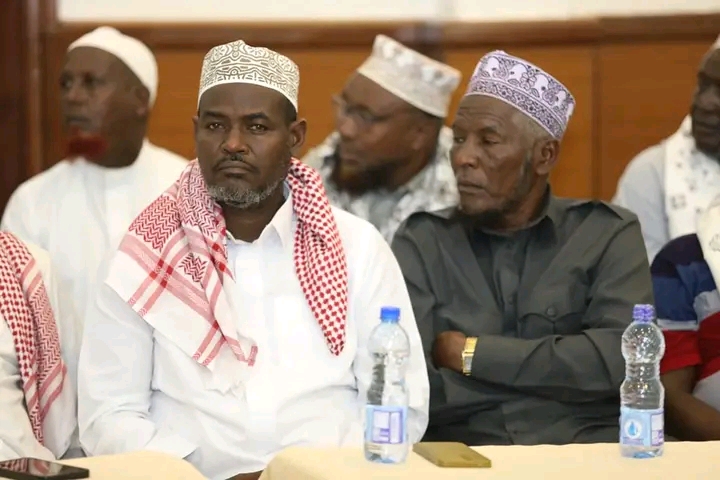
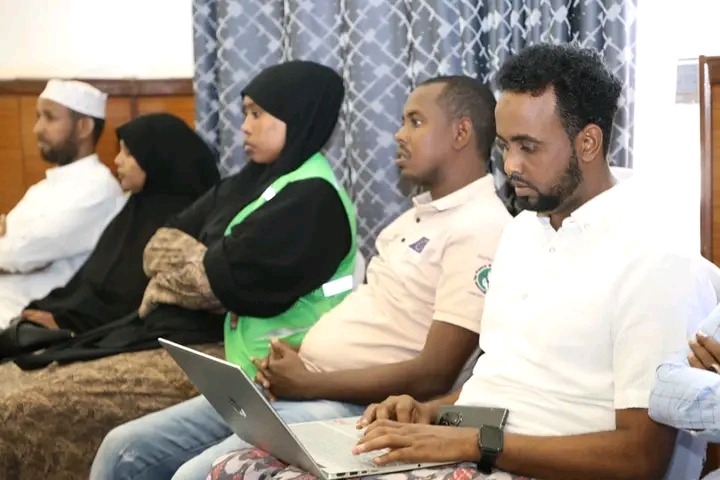
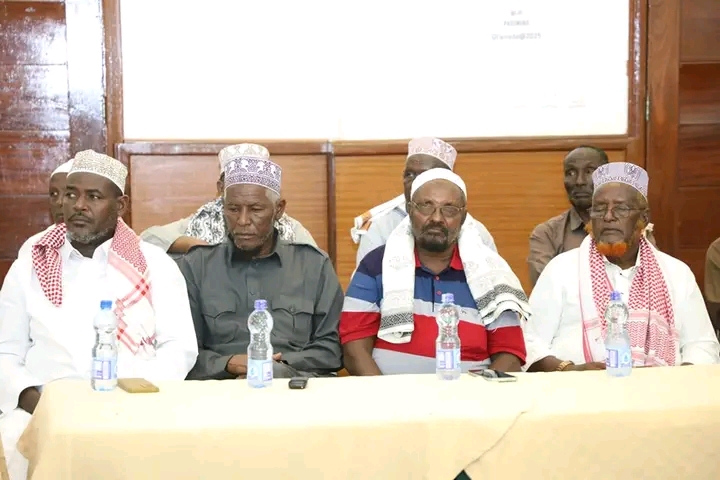
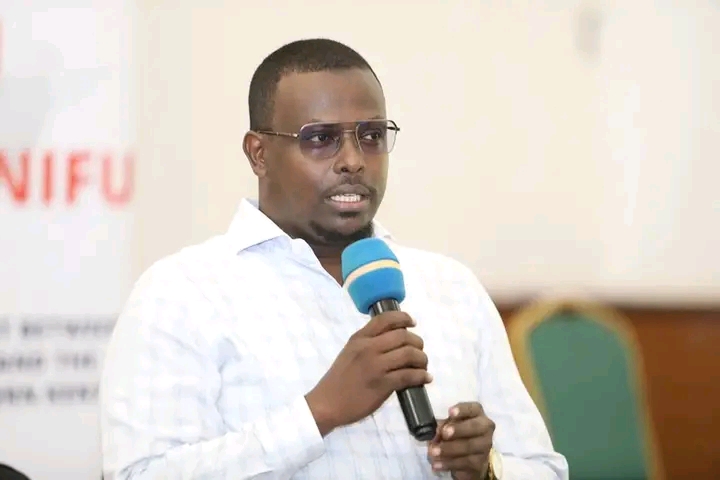
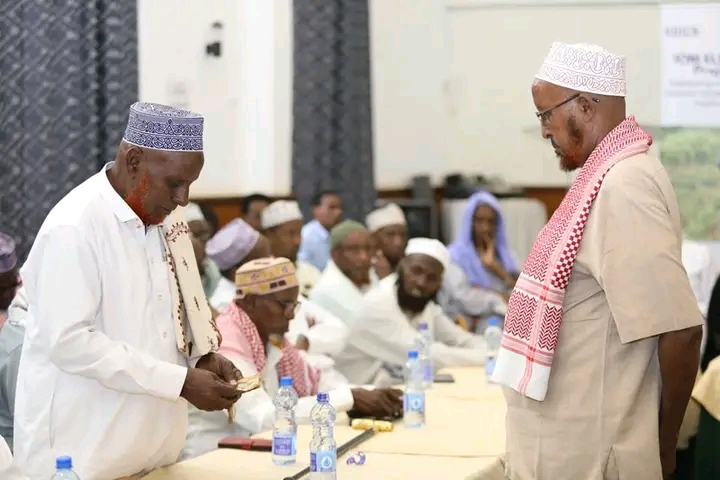
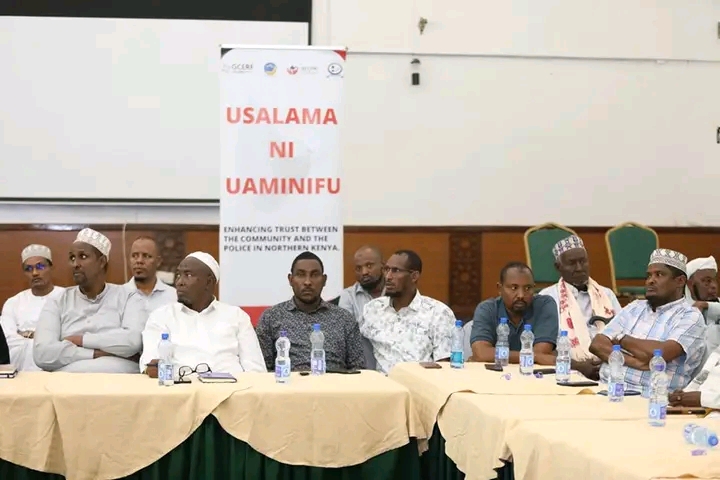
Mandera, Kenya| In a concerted effort to address escalating tensions and promote reconciliation, religious leaders, clan elders, and representatives from both the National and County Governments of Mandera have gathered for a pivotal four-day dialogue between the Garre and Degodia communities.
The high-level forum, convened in response to recent deadly clashes in Banisa Sub-county, aims to tackle unresolved grievances, implement existing peace agreements, and foster sustainable coexistence in the region.
The dialogue, hosted by the Mandera County Government, provides a critical platform for stakeholders to engage in candid discussions on restorative justice and accountability for victims and families affected by the violence in Banisa.
The tragic incidents, which have deepened mistrust between the Garre and Degodia communities, underscore the urgent need for collaborative solutions to prevent further loss of life and property.
A Unified Approach to Peacebuilding
The forum brings together a diverse array of stakeholders, including community leaders, government officials, and peacebuilding organizations, to deliberate on strategies for resolving long-standing disputes.
By prioritizing locally driven reconciliation processes, the initiative seeks to address the root causes of conflict, including resource competition, historical rivalries, and socio-political tensions, which have fueled violence in Mandera County.
Mandera County Governor’s office emphasized its unwavering commitment to supporting grassroots efforts that promote peaceful coexistence and strengthen social cohesion.
“Our goal is to create an environment where all communities can thrive without fear of violence or retribution,” a county official stated. “This dialogue represents a significant step toward healing and rebuilding trust among our people.”
Focus on Restorative Justice and Accountability
At the heart of the dialogue is a commitment to restorative justice, ensuring that affected families and victims receive acknowledgment and support for their losses.
The discussions aim to address pending grievances by fostering transparent communication and mutual understanding between the Garre and Degodia communities.
Key agenda items include reviewing the implementation of previous peace agreements, identifying gaps in their execution, and proposing actionable solutions to prevent future conflicts.
The forum also seeks to establish mechanisms for accountability, ensuring that perpetrators of violence are held responsible while promoting community-led reconciliation over punitive measures.
This approach aligns with Mandera’s broader strategy to build resilience against conflict and create a culture of dialogue and cooperation.
Collaborative Efforts by Peacebuilding Partners
The dialogue is facilitated by the Department of Community Cohesion, Conflict Management, and Prevention of Radicalization, with robust support from a coalition of peace actors.
These include the BORESHA-NABAD Project, implemented by the Danish Refugee Council (DRC) Kenya, the Rural Agency for Community Development and Assistance (RACIDA), Mandera Women for Peace and Development (MWPD), the International Organization for Migration (IOM), Interpeace/NEPCOH, the Alliance for Peace and Development (AFOSC), Islamic Relief, and Vision Corps Initiative.
These organizations bring a wealth of expertise in conflict resolution, community engagement, and peacebuilding, contributing to the dialogue’s comprehensive approach.
The BORESHA-NABAD Project, for instance, focuses on cross-border peace initiatives, addressing shared challenges among communities in Kenya, Somalia, and Ethiopia.
Similarly, MWPD plays a vital role in amplifying women’s voices in peace processes, ensuring gender-inclusive perspectives are integrated into the discussions.
A Broader Context of Conflict in Mandera
Mandera County, located in Kenya’s northeastern region, has long grappled with inter-community conflicts driven by competition over scarce resources, such as water and grazing land, compounded by political and ethnic divisions.
The recent killings in Banisa Sub-county, which claimed multiple lives and displaced families, have heightened fears of retaliatory violence, making this dialogue a timely intervention.
The Garre and Degodia communities, both pastoralist groups, have historically clashed over territorial boundaries and resource access.
These tensions have been exacerbated by environmental challenges, including prolonged droughts, which intensify competition for dwindling resources.
The dialogue aims to address these underlying issues while promoting sustainable development and equitable resource sharing.
Toward a Peaceful Future
The four-day forum is expected to yield concrete outcomes, including strengthened peace agreements, enhanced community dialogue mechanisms, and actionable recommendations for government and non-governmental actors.
By fostering collaboration between local leaders, government officials, and peace-building organizations, the dialogue sets a precedent for inclusive conflict resolution in Mandera and beyond.
As the discussions unfold, the Mandera County Government and its partners remain optimistic about the potential for lasting peace.
“This is not just about resolving past conflicts but about building a future where our communities can coexist harmoniously,” said a representative from the Department of Community Cohesion. “We are committed to walking this journey with our people, step by step.”
Looking Ahead
The success of the dialogue hinges on the active participation of all stakeholders and the sustained commitment of both communities to uphold peace agreements.
Residents of Mandera are encouraged to support these efforts by engaging in local peace initiatives and advocating for unity and reconciliation.
Share This Post