
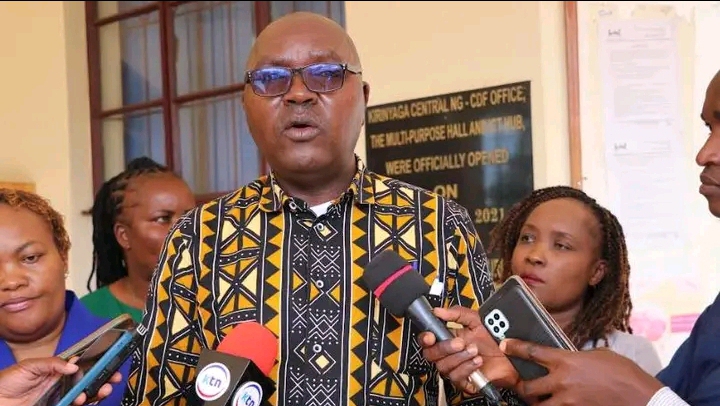

Kerugoya, Kirinyaga County| Land disputes and rampant substance abuse have emerged as leading causes of gender-based violence (GBV) in Kirinyaga County, according to findings presented during a public engagement forum held by the Presidential Taskforce on Gender-Based Violence.
The forum, which took place at the Kirinyaga Central Constituency Development Fund (CDF) Hall in Kerugoya, drew a diverse array of participants, including survivors of GBV, youth representatives, clergy, civil society members, local administrators, and professionals in gender and social justice.
The taskforce—mandated to identify GBV hotspots, analyze emerging trends, evaluate existing legislation, and recommend improvements in enforcement—heard candid testimonies from community members, many of whom linked rising cases of GBV in the county to long-standing land ownership conflicts and increasing drug and alcohol abuse, particularly among the youth and unemployed.
Community Speaks Out
Anthony Nzioki, the taskforce team leader, acknowledged the significance of the submissions made by Kirinyaga residents and praised their courage in openly addressing the pervasive issue.
“The people of Kirinyaga have spoken freely on this matter that affects our country deeply. They have recognized that gender-based violence exists within their communities and are ready to confront it,” said Nzioki.
He noted that while the causes of GBV may vary across different regions, the dominant issues raised in Kirinyaga were specific and consistent: unresolved land disputes, excessive alcoholism, and substance abuse.
“This process is being undertaken nationwide,” Nzioki explained. “What we have gathered here is not conclusive, but for Kirinyaga, it is clear that land-related conflicts, drug abuse, and alcoholism are viewed as the major contributors to GBV.” He stated.
“Additionally, family economic challenges and the inability to meet household needs were highlighted as compounding factors.”
Rising Cases of GBV Raise Alarm
Nationally, cases of gender-based violence appear to be on the rise. According to Nzioki, official statistics indicate that 535 GBV cases were reported in 2023, rising to 578 cases in 2024.
He warned that this year’s figures could be even higher, judging by the volume of media reports from across the country.
The taskforce’s work is aimed not only at identifying such patterns but also at strengthening national and county-level policies and legal frameworks to better prevent and respond to GBV incidents.
Inclusive Approach to Ending GBV
Lucy Njeri, a member of the taskforce and a nominated Member of the County Assembly (MCA) in Kirinyaga, expressed gratitude to President William Ruto for initiating the taskforce and facilitating a people-centered approach to combating gender-based violence.
“This initiative allows communities to speak for themselves and take part in shaping the solutions,” Njeri said. “GBV is a lived reality for both men and women. Everyone—regardless of gender—must be part of the conversation and the efforts to end it.”
She also emphasized the importance of including survivors, local leaders, and experts in the dialogue, noting that collective responsibility is key to dismantling the systemic and cultural roots of GBV.
Call to Action
Participants urged the government to prioritize education and awareness campaigns in rural and urban centers alike, improve access to counseling and rehabilitation services, and fast-track resolution of land disputes through efficient judicial and alternative dispute resolution mechanisms.
They also called for stricter regulation of alcohol and drug sales, particularly in areas where such substances are easily accessible to minors and vulnerable populations.
As the Presidential Taskforce on GBV continues to gather views from counties across the country, the insights from Kirinyaga serve as a critical reminder that effective GBV prevention must address not only legal enforcement but also the underlying social, economic, and cultural triggers that fuel violence within households and communities.
Share This Post