
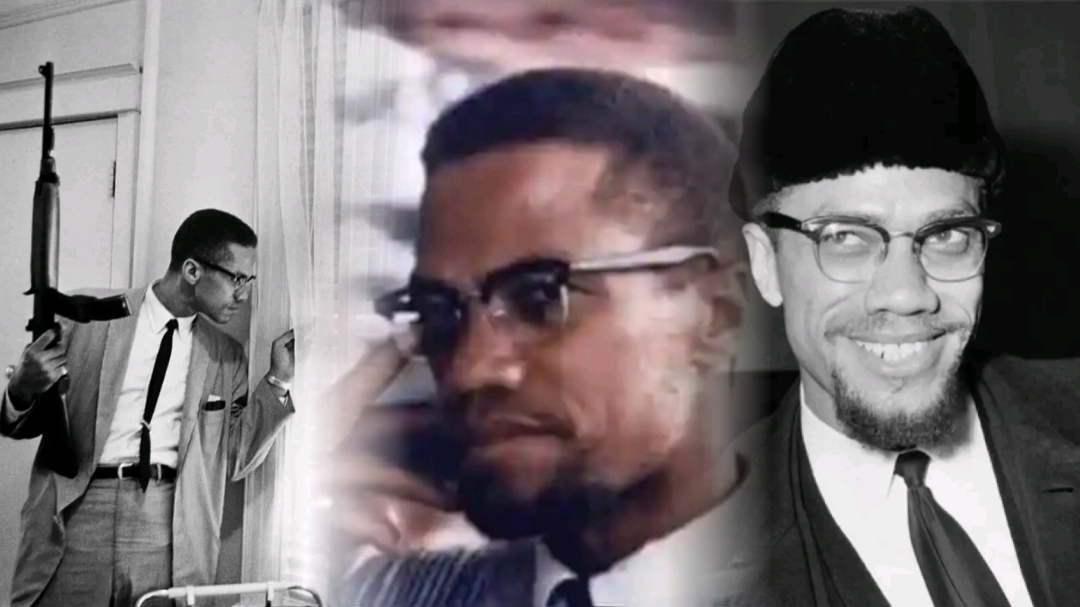

Sixty-one years ago, on February 21, 1965, Malcolm X lost his life in New York City at just 39 years old.
A fearless speaker and powerful advocate for Black dignity, self-determination and justice, Malcolm X challenged the world to confront uncomfortable truths and think beyond limits.
Though his life ended too soon, his words, courage and evolution continue to inspire generations across culture, politics and hip-hop. His legacy lives on, as vibrant and urgent today as it was in the turbulent 1960s.
Born Malcolm Little on May 19, 1925, in Omaha, Nebraska, he entered a world already marked by racial violence.
His father, a Baptist preacher and follower of Marcus Garvey’s Black nationalist ideals, died under suspicious circumstances when Malcolm was just six.
His mother suffered a breakdown and was institutionalized, leaving young Malcolm and his siblings scattered across foster homes. These early wounds, combined with the daily grind of American racism, set the stage for a life defined by struggle, self-reinvention and unyielding resistance.
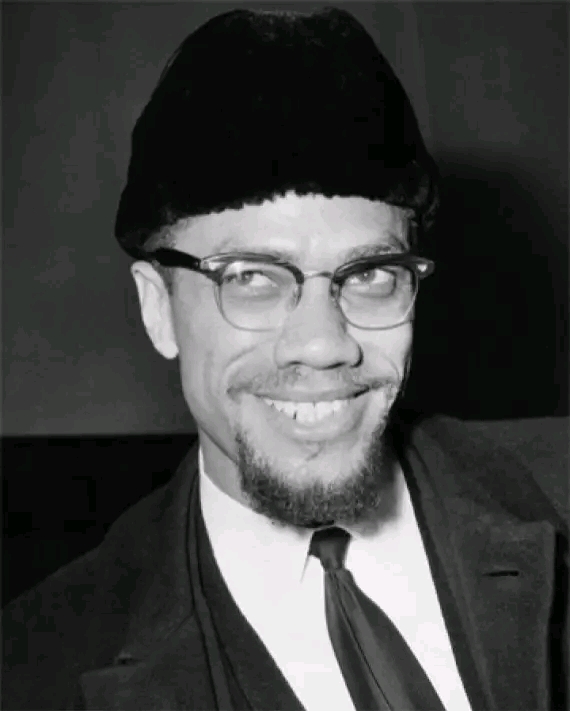
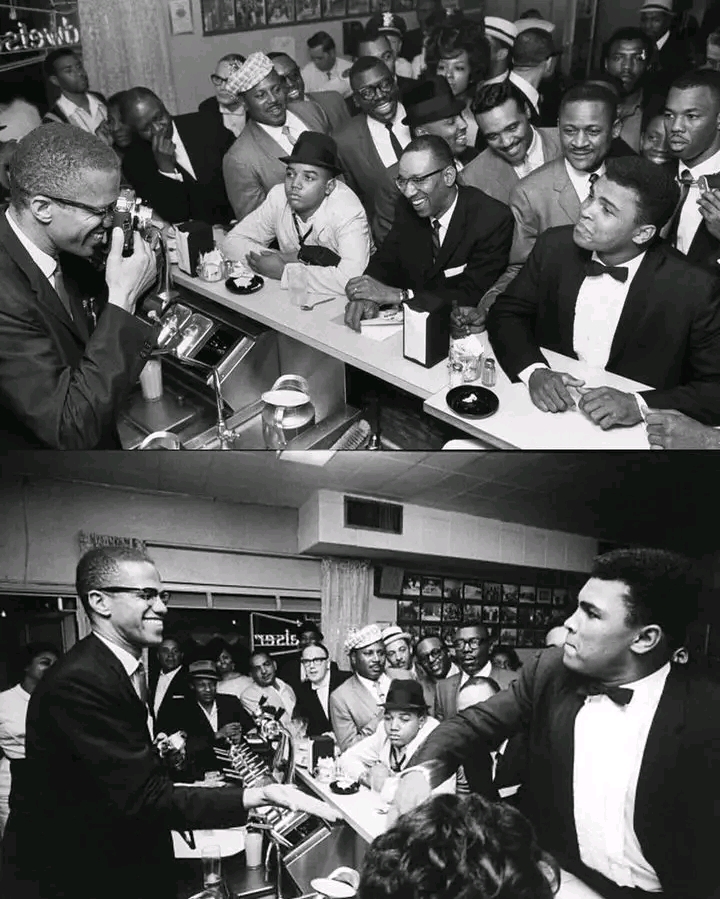
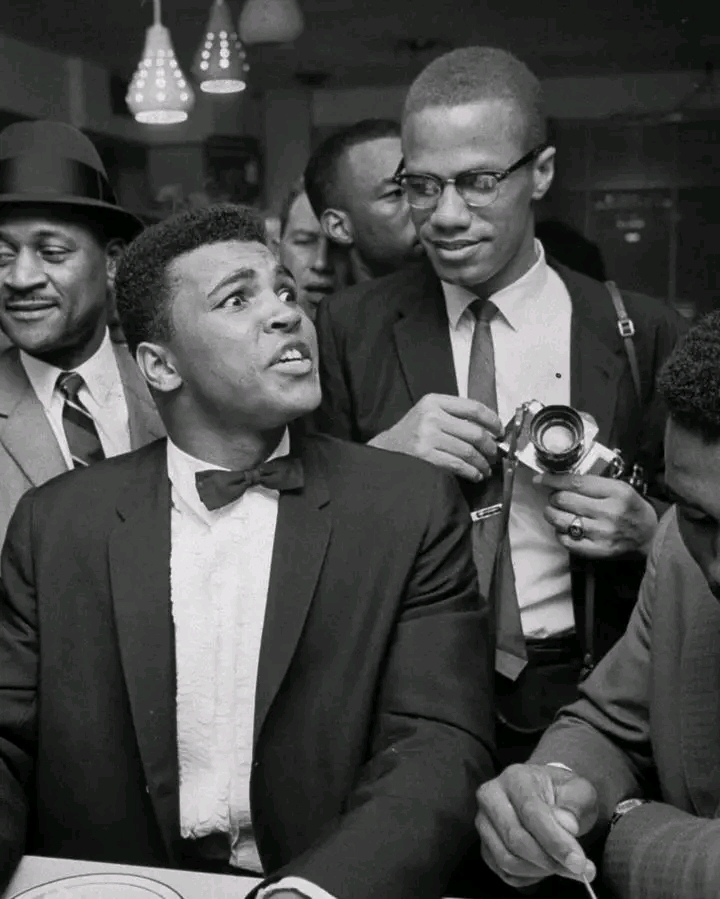
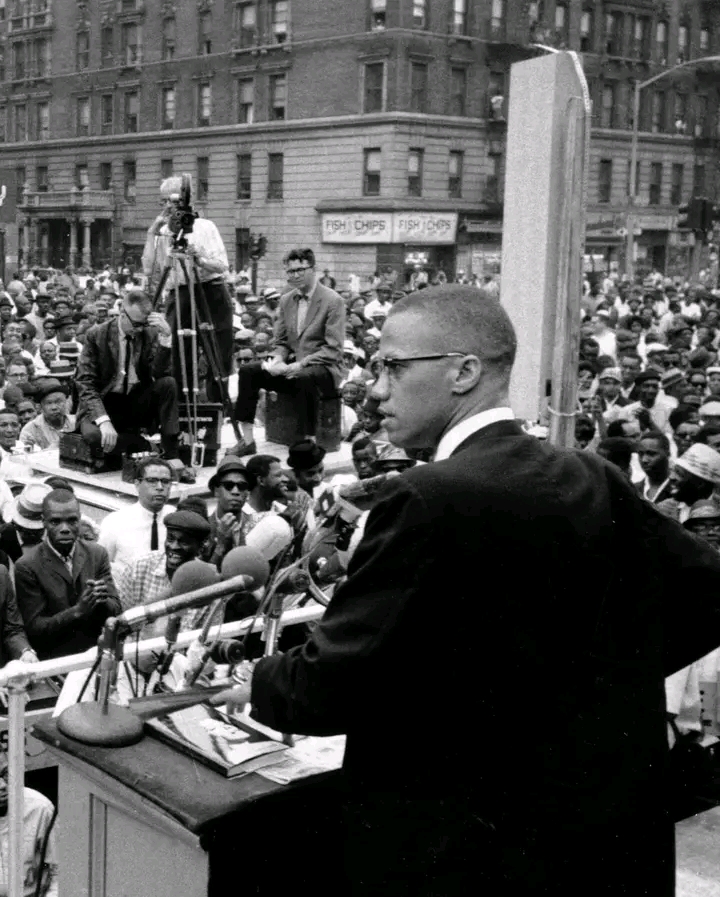
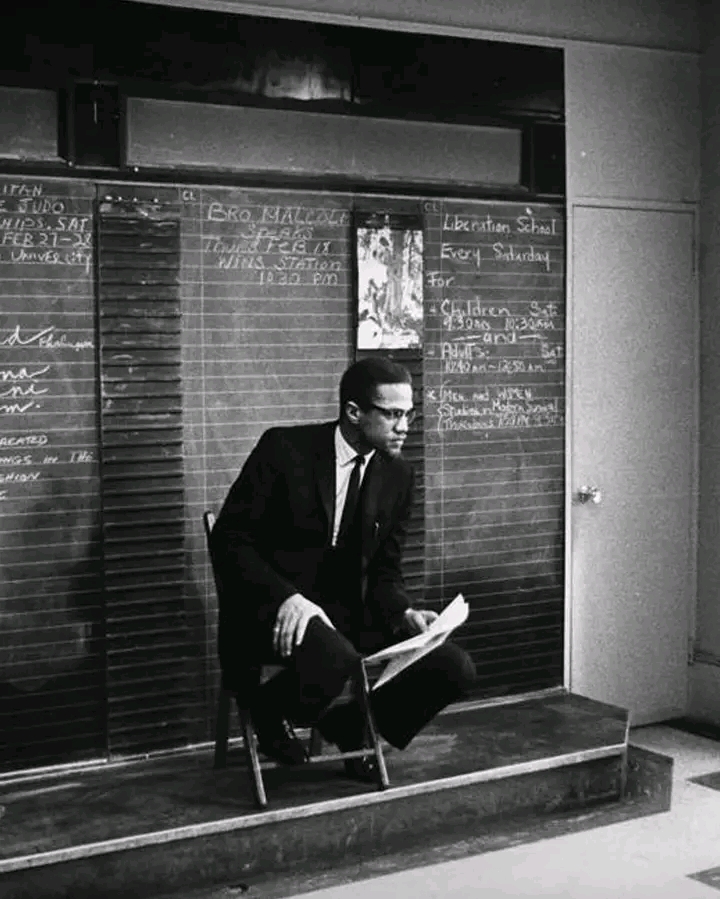
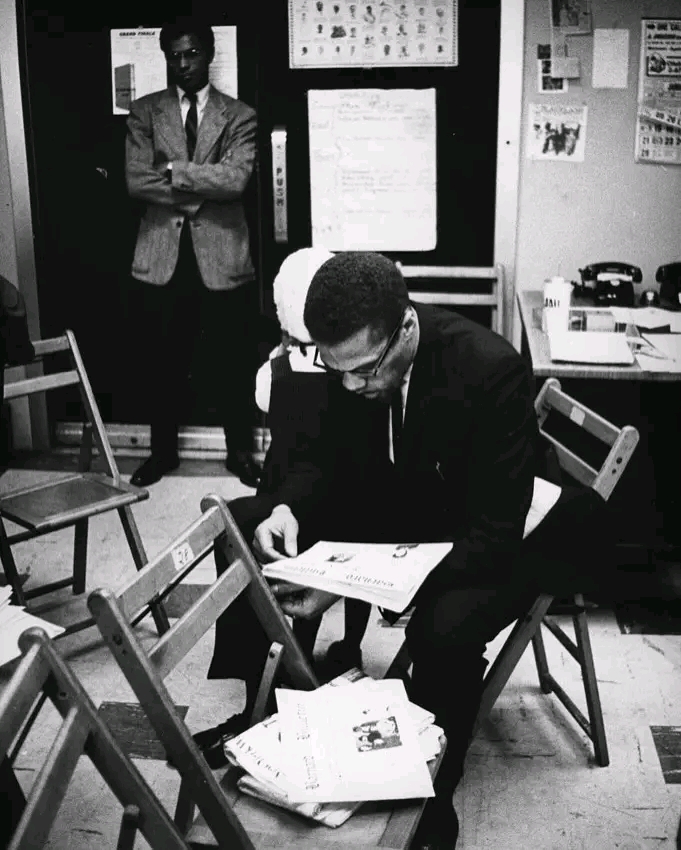
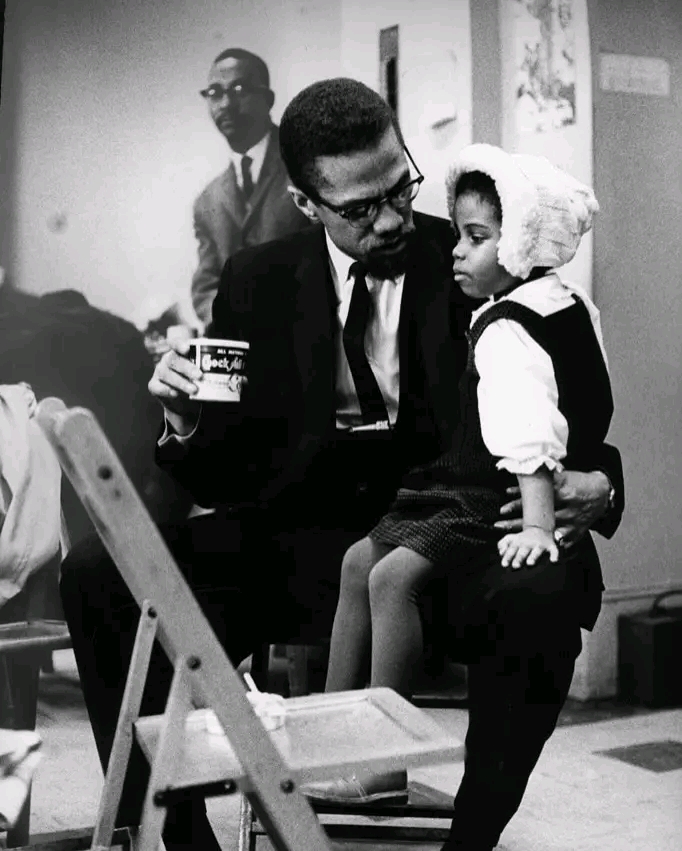
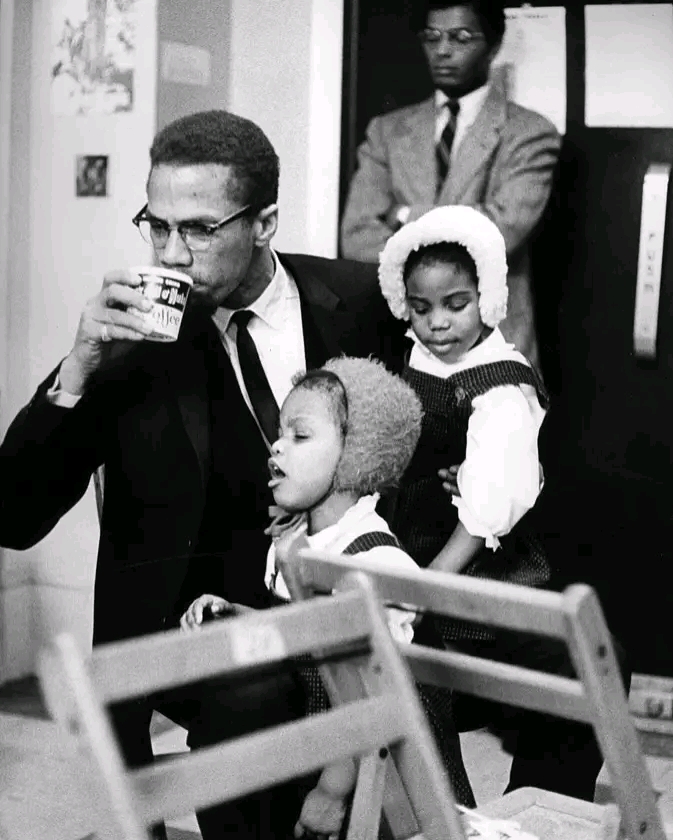
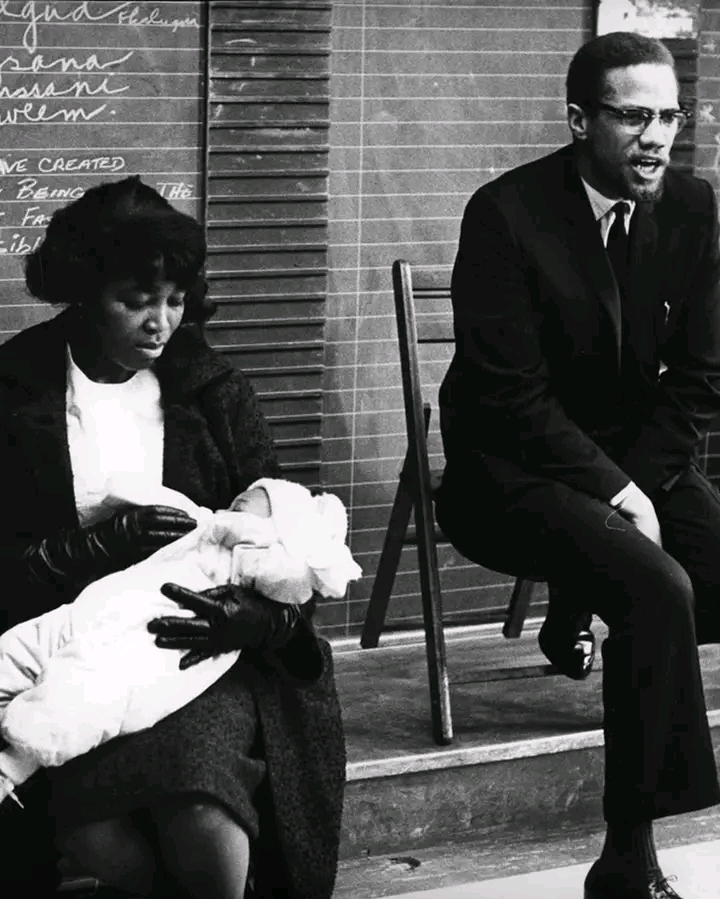
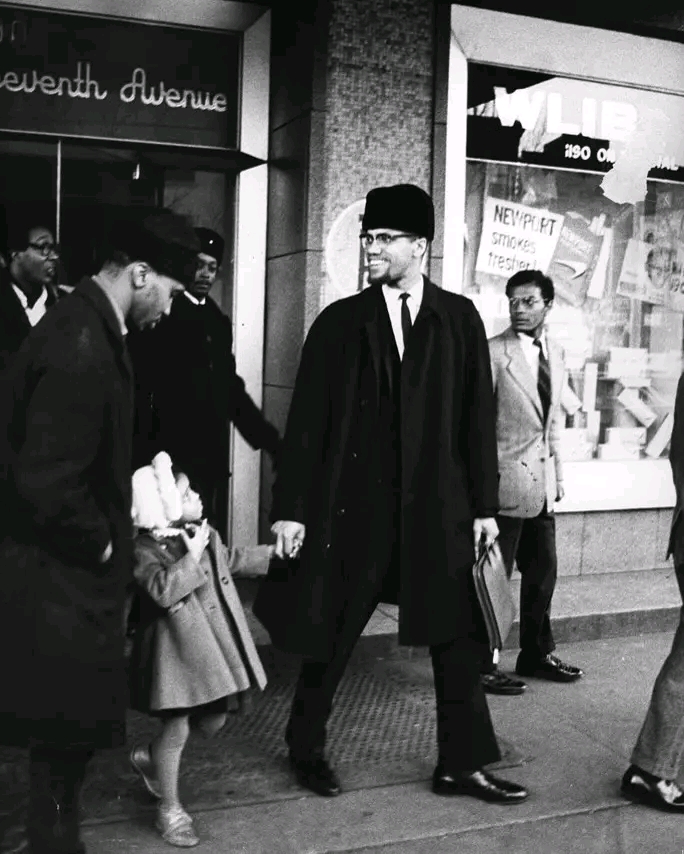
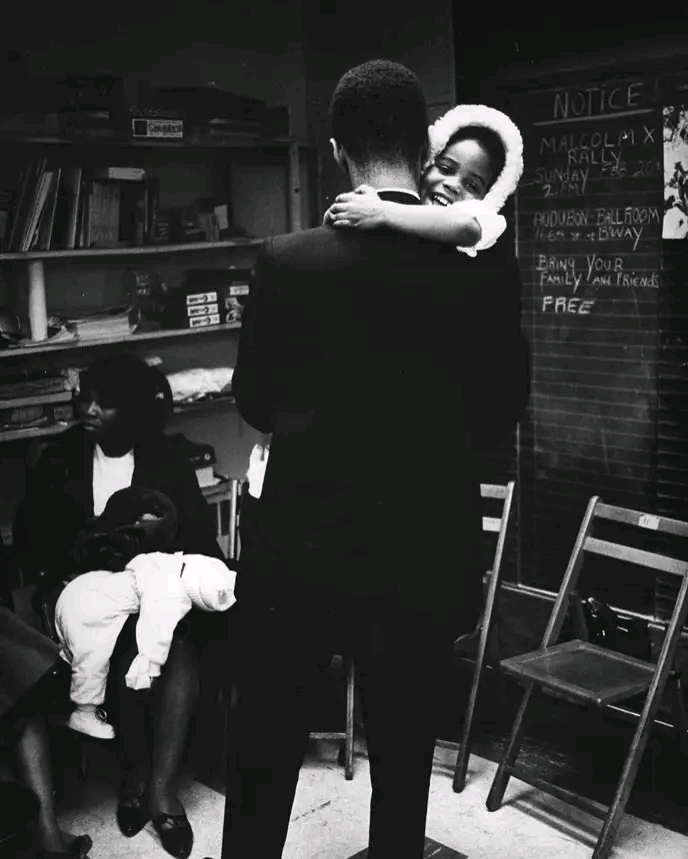
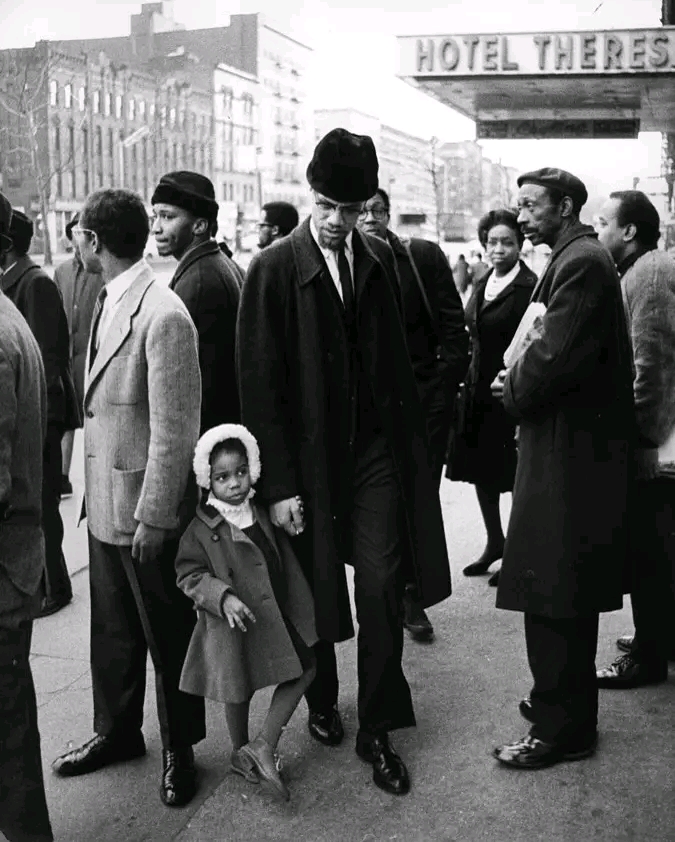
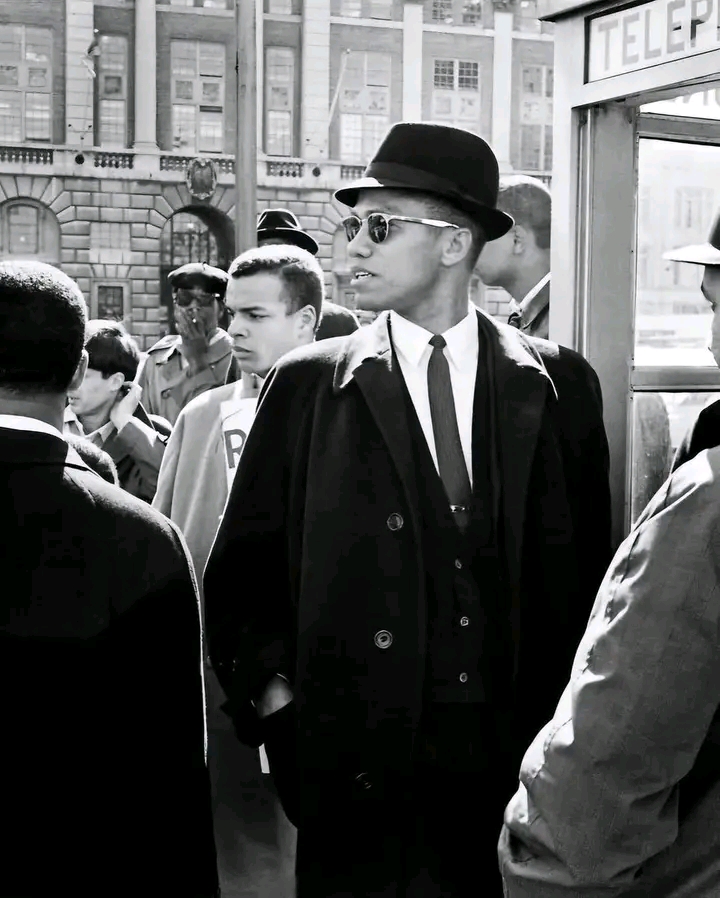
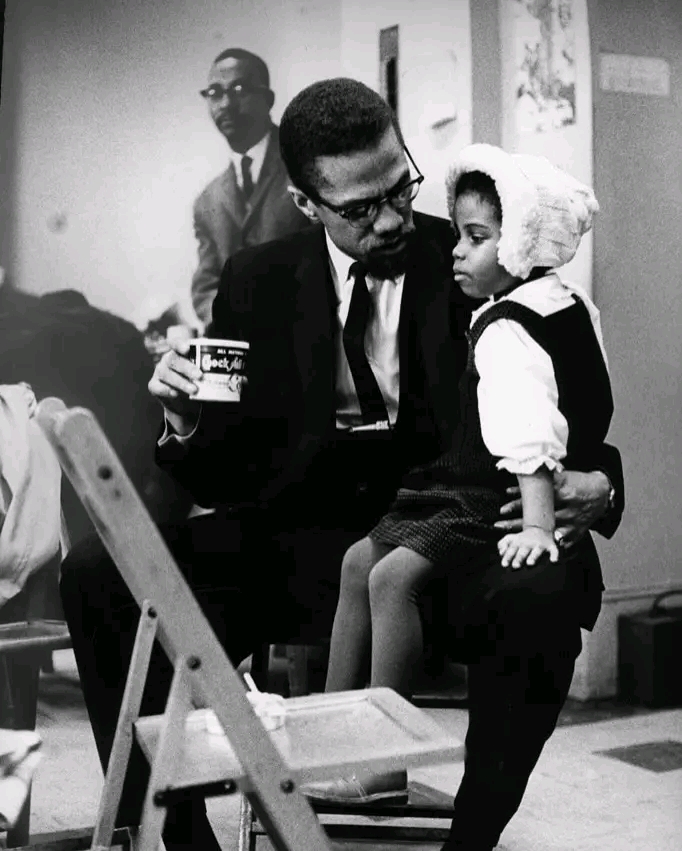
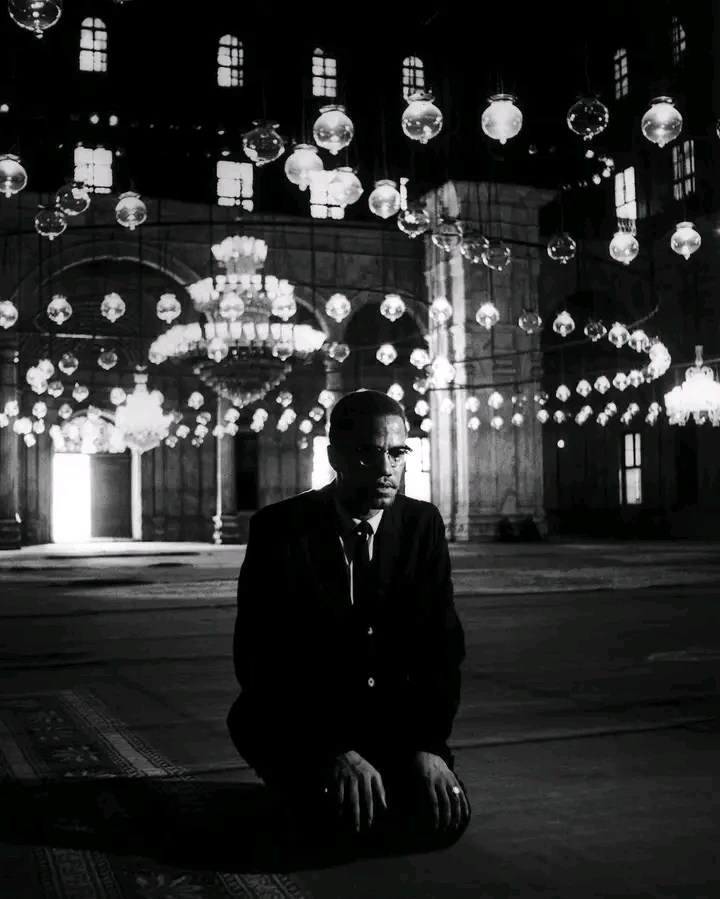
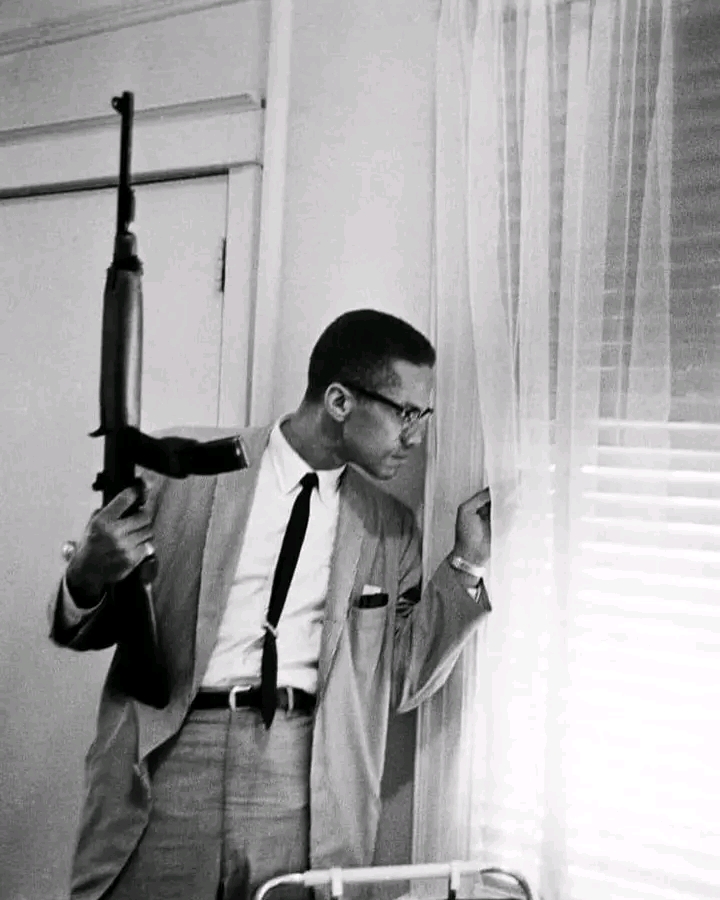
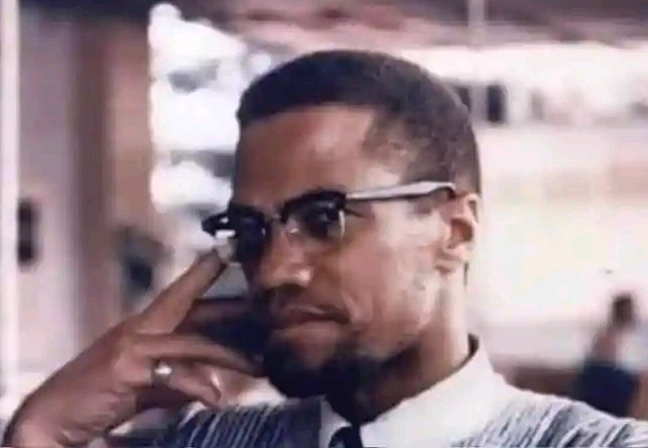
As a young man, Malcolm drifted into street life in Boston and New York, eventually landing in prison in 1946 for burglary.
Behind bars, a remarkable transformation began. He devoured books on history, philosophy and religion, sharpened his mind through rigorous debate and discovered the teachings of the Nation of Islam.
By the time he walked free in 1952, he had shed his “slave name” and emerged as Malcolm X, a dynamic minister whose electrifying oratory would soon draw thousands to the Nation’s message of Black pride, economic self-reliance and separation from white America.
In the years that followed, Malcolm X became the Nation of Islam’s most visible and charismatic voice.
He built temples, recruited members and delivered blistering critiques of systemic racism that no one else dared utter so plainly.
He rejected passive appeals for integration, insisting instead that Black people must control their own destiny “by any means necessary.”
His speeches filled auditoriums and television screens, forcing America to stare directly at the ugly realities of its racial divide. He did not ask for permission to speak truth. He demanded it.
Yet Malcolm X was never static. By early 1964, growing tensions with Nation of Islam leadership led him to break away and chart his own path.
He founded the Muslim Mosque, Incorporated, and the secular Organization of Afro-American Unity, broadening his focus from religious doctrine to global human rights. Then came the pilgrimage to Mecca in April 1964, a journey that reshaped everything.
In the holy city, surrounded by Muslims of every race and nationality, Malcolm X experienced a profound awakening.
He later wrote that he had eaten from the same plate, drunk from the same glass and prayed to the same God alongside people whose skin was “the whitest of white” and whose eyes were “the bluest of blue.”
For the first time, he saw Islam’s power to erase racial barriers completely. “America needs to understand Islam,” he declared, “because this is the one religion that erases from its society the race problem.”
He returned home as El-Hajj Malik El-Shabazz, still fiercely committed to Black liberation but now embracing a more inclusive vision of brotherhood and international solidarity.
This evolution only intensified his enemies. Death threats mounted. His family home was firebombed. On that fateful afternoon in February 1965, as he stepped to the podium at the Audubon Ballroom in Harlem to address supporters, chaos erupted.
Gunmen rushed the stage and opened fire. Malcolm X was struck multiple times and pronounced dead shortly after arriving at Columbia Presbyterian Hospital.
His pregnant wife, Betty Shabazz, and their four young daughters witnessed the horror from the front row. The loss reverberated far beyond Harlem, shaking the civil rights movement and the entire nation.
In the decades since, Malcolm X’s influence has only grown deeper and wider. His autobiography, completed with Alex Haley and published shortly after his death, became a foundational text for generations seeking to understand the Black experience in America.
Political leaders, activists and thinkers across the African diaspora drew strength from his emphasis on Pan-African unity and human rights on the world stage.
Nowhere has his impact been more vivid than in culture. Hip-hop, the global soundtrack of urban youth, embraced Malcolm X as its spiritual godfather.
Public Enemy sampled his fiery speeches and superimposed his image over icons of American power.
Artists from Tupac Shakur to Ice Cube, Rakim to Nas, wove his quotes, his cadence and his uncompromising stance into lyrics that confronted police brutality, economic inequality and cultural erasure.
The “X” symbol appeared on hats, T-shirts and album covers throughout the 1990s, turning Malcolm X into a living emblem of resistance and cool defiance.
Spike Lee’s 1992 biographical film, starring Denzel Washington, introduced his full story to millions more and sparked a fresh wave of “Malcolmania” that still echoes in today’s music, fashion and protest movements.
Politically, his insistence on self-determination continues to fuel debates about reparations, community control and global solidarity with oppressed peoples everywhere.
His willingness to evolve, to admit earlier views were incomplete and to embrace broader human connections, offers a powerful model for anyone committed to genuine progress.
He showed that strength does not require rigidity and that true courage includes the humility to grow.
As we mark sixty-one years since that tragic day in Harlem, Malcolm X stands not as a frozen icon of the past but as a living challenge to the present.
His words still cut through noise and complacency. His example still calls on each new generation to speak boldly, think critically and fight relentlessly for dignity and justice.
In lecture halls and street protests, in classrooms and recording studios, in conversations across continents, the fire he lit refuses to dim.
Malcolm X lost his life at 39, but he gained immortality through the ideas he refused to compromise.
His legacy is not merely remembered. It is lived, debated, celebrated and acted upon every single day by those who refuse to accept a world without justice.
In that ongoing struggle, his voice remains as clear and commanding as ever. The man is gone, yet the message endures, undefeated and unstoppable.
Share This Post