

In a bold and timely response to one of Kilifi County’s most pressing environmental challenges, Public Health Officer Kelvin Anungo, widely known as Diaperman, has rolled out an ambitious initiative to distribute specially designed diaper storage bags to households across the region.
The move aims to dramatically reduce the rampant improper disposal of used diapers that is choking rivers, open spaces, and coastal ecosystems.
Speaking to journalists in Kilifi town, Anungo explained that the campaign was born out of growing frustration with the steady rise in careless dumping of soiled diapers. “We have witnessed an increase in improper disposal of diapers, especially in rivers and open areas, which has greatly contributed to environmental pollution,” he said.
Shocking Cleanup Reveals True Scale of the Problem
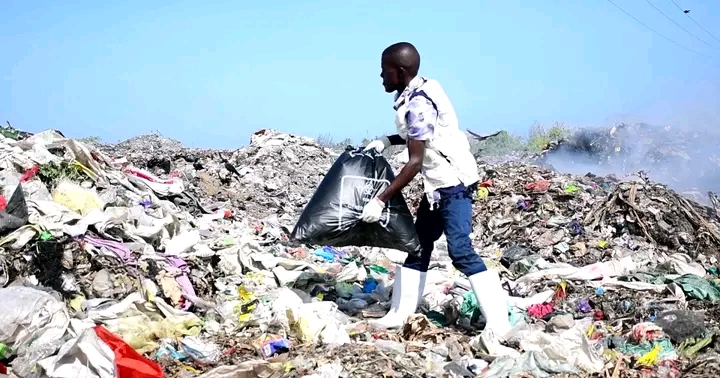
To drive the message home and awaken public conscience, Anungo recently organised a massive collection drive that yielded a staggering 2.2 tons of used diapers in just 72 hours.
Even more alarming, roughly 1.5 tons of that haul consisted of human waste. “This shows how serious the situation is and why we must act urgently,” he declared.
The figures paint a grim picture of daily reality in many neighbourhoods where residents simply toss used diapers into bushes, drainage channels or riverbanks without a second thought.
Such practices turn once pristine waterways into toxic dumps and create breeding grounds for disease-carrying vectors.
Health Dangers Spike During Rainy Season
Anungo issued a stark warning about the heightened public health risks, especially when heavy rains arrive. “When it rains, the waste is washed into water sources and residential areas, increasing the risk of disease outbreaks,” he cautioned.
Contaminated runoff carries pathogens directly into wells, streams and even homes, putting children, the elderly and entire communities at risk of waterborne illnesses.
Beyond immediate health threats, the long-term environmental damage is severe. Disposable diapers are notoriously slow to break down, taking more than 400 years to decompose naturally.
Even when attempts are made to burn them, they rarely combust completely, leaving behind toxic residues that further degrade soil and air quality.
Manufacturers Must Step Up Responsibility
Anungo did not mince words when addressing the role of industry players. He accused diaper manufacturers of shirking their duty by failing to provide clear, practical disposal instructions on packaging or through public campaigns.
“Manufacturers must take greater responsibility by giving strict guidelines on proper disposal and supporting waste management initiatives,” he demanded.
He also called for stronger collaboration between county governments and the national government to procure modern incinerators capable of safely destroying diaper waste. “Incinerators will provide a sustainable solution to this growing menace and help protect our environment,” he added.
Stakeholders Unite in Call for Lasting Solutions
Environmental campaigners, led by Steven Otieno, echoed the call for systemic change. They urged the government to introduce a robust policy framework that forces manufacturers to take full responsibility for the post-consumer waste their products generate.
“We need a clear policy that holds manufacturers accountable for the waste generated by their products,” Otieno stated.
Local residents, represented by Amina Mwaruwa, appealed directly to the Kilifi Municipality for immediate practical relief.
“We urge the municipality to allocate more dumping sites and provide a permanent solution to this challenge, especially during the rainy season when disease outbreaks are common,” Mwaruwa said.
Kilifi Municipality Manager Mwango Kalu acknowledged the difficulties faced by ground teams and appealed for greater community discipline.
“It has been a great challenge even to our municipality officers on the ground. Residents must dispose of diapers in designated areas to enable efficient collection by municipal officials,” he explained.
Kalu stressed that meaningful progress will only come through genuine partnership. He called for manufacturers, government agencies and residents to work hand in hand to tackle the pollution crisis once and for all.
National Scale of the Emergency
The situation in Kilifi mirrors a nationwide emergency. Reports show that Kenyans use more than 300 million disposable diapers every year.
Without proper collection, treatment and disposal systems, this mountain of waste continues to threaten rivers, beaches, farmlands and public health from coast to hinterland.
Through the distribution of storage bags and relentless public education, Diaperman’s initiative offers a practical first step toward reversing the damage.
By combining community action, corporate accountability and smart infrastructure, Kilifi is positioning itself as a leader in the fight against one of Kenya’s fastest-growing environmental threats.
The message is clear: every properly stored and collected diaper today means cleaner rivers, safer neighbourhoods and a healthier future for generations to come.
Share This Post