
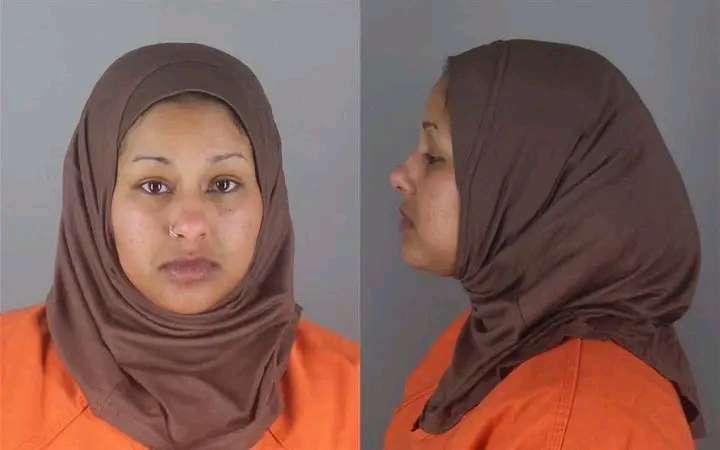

A striking arrest in the heart of Minneapolis has ignited passionate online discussions about substance abuse, community responsibility, and the challenges facing one of America’s largest Somali populations.
On February 18, 2026, at precisely 2:58 PM, Minneapolis Police Department officers took 28-year-old Warda Abdikarim Osman into custody.
She was promptly booked into the Hennepin County Jail, where public records list the matter under allegations only, with no detailed charges released to the public at this early stage.
The timing could not be more charged. Just days after the booking, social media erupted with posts highlighting Osman’s case as emblematic of deeper troubles.
One widely shared commentary noted the high visibility of drug-related incarcerations among Somalis in Minnesota, particularly in Minneapolis and Saint Paul, and expressed visible dismay at the circumstances surrounding this young woman.
The post questioned how someone described in emotive terms as strikingly beautiful could find herself in such a situation, while also leveling criticism at local scholars and community leaders for what it called a failure to consistently preach prevention and repentance on these issues.
Though rhetorical and unverified in its sweeping claims, the sentiment has resonated widely, drawing fresh scrutiny to patterns of drug involvement in the Twin Cities.
Who Is Warda Abdikarim Osman?
Born on July 19, 1997, Warda Abdikarim Osman is a 28-year-old resident with documented ties to the Minneapolis area.
Public records paint a picture of someone whose prior brushes with the law have been relatively minor and resolved without lasting convictions in most instances.
In 2018, authorities in Rice County cited her for a seat belt violation, a petty misdemeanor that resulted in a $110 fine following a guilty plea.
Two years later, in January 2020, she was among a group arrested in Eden Prairie in connection with an incident involving allegations of assault and burglary at a private apartment. Osman faced a charge of fifth-degree assault, but prosecutors dismissed it shortly afterward.
These earlier encounters stand in contrast to the attention now surrounding her latest booking. As of February 20, 2026, official details on the current allegations remain limited. Hennepin County Jail records confirm the arrest and intake but classify the charges as preliminary.
Court and jail systems experienced temporary access issues in the immediate aftermath, leaving observers to rely on speculation fueled by the social media narrative that often associates such cases with narcotics offenses.
The Social Media Storm and Calls for Accountability
The online reaction has been swift and deeply emotional. Commenters have circulated images and reflections emphasizing Osman’s appearance alongside broader frustrations about incarceration trends.
The viral post that first amplified the story lamented what it portrayed as a systemic problem, claiming nearly all Somalis imprisoned in Minnesota facilities, especially those in the Twin Cities, face drug-related holds.
It directly named Osman as the latest example and faulted community scholars for insufficient emphasis on moral guidance and rehabilitation messaging.
Such commentary, while impassioned, reflects real anxieties within Minnesota’s Somali-American community, which numbers in the tens of thousands and forms a vibrant part of the state’s cultural landscape.
Leaders from mosques, cultural organizations, and advocacy groups have long promoted education, youth programs, and faith-based initiatives to steer residents away from substance abuse. Yet critics argue these efforts must intensify amid persistent challenges.
Minnesota continues to grapple with the opioid epidemic, though statewide data show encouraging progress: overdose deaths dropped notably in recent years thanks to expanded addiction services, naloxone distribution, and treatment access.
Still, fentanyl and other synthetics remain a stubborn threat in urban neighborhoods, crossing all demographic lines.
Understanding the Broader Context in Minnesota
The Twin Cities metro area, home to Minneapolis and Saint Paul, hosts one of the nation’s most concentrated Somali diasporas.
This community has achieved remarkable successes in business, education, and public service while confronting hurdles common to immigrant and refugee groups, including economic pressures, cultural adjustment, and exposure to street-level crime.
Drug distribution networks, in particular, have ensnared individuals from diverse backgrounds, prompting law enforcement to prioritize interdiction and prevention.
Experts emphasize that no single community bears exclusive responsibility for the state’s substance issues. Statewide initiatives under Governor Tim Walz have invested heavily in recovery resources, yielding measurable declines in opioid fatalities across demographics.
Community-led efforts, from after-school mentoring to religious outreach, complement these programs.
The social media post’s call for stronger preaching and repeated reminders about repentance aligns with longstanding traditions in Islamic scholarship and Somali cultural values that stress personal reform and collective welfare.
Whether current religious and civic leaders have fallen short remains a matter of ongoing debate within the community itself.
Presumption of innocence remains paramount. Until formal charges are filed and adjudicated through Minnesota’s court system, Osman’s case represents an allegation rather than a proven offense.
Public access to updated information is available through the Hennepin County Sheriff’s Office jail roster and the state’s public court records portal.
Observers are encouraged to monitor these official channels for developments, as details often emerge quickly following initial bookings.
Why This Case Matters
Warda Abdikarim Osman’s arrest arrives at a moment of heightened sensitivity. Immigration enforcement operations, fraud investigations involving public programs, and persistent drug challenges have placed Minnesota’s Somali community under intense national focus.
Stories like this one humanize the statistics, reminding readers that behind every booking number stands an individual with a story, family ties, and potential for redemption or reform.
As authorities continue their work and the public awaits clarity on the specific allegations, the conversation sparked online serves a larger purpose.
It underscores the urgent need for comprehensive strategies that combine enforcement, education, treatment, and community empowerment.
Scholars, imams, parents, and policymakers all have roles to play in reducing the pull of drugs that has affected too many lives across Minnesota.
In the days ahead, more facts will likely surface about the circumstances of February 18.
Until then, Osman’s booking stands as both a personal legal matter and a catalyst for wider reflection on how Minnesota’s diverse communities can confront substance abuse more effectively.
The state has shown resilience before. With sustained commitment from all sectors, it can continue turning the tide.
Share This Post