
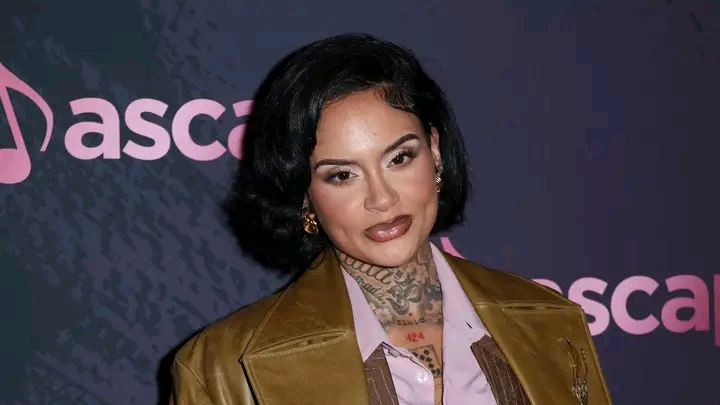

Oakland-raised R&B star Kehlani has opened up about the severe personal toll of speaking out on the Israel-Palestine conflict, detailing a wave of coordinated death threats so sophisticated and persistent that they infiltrated every corner of her life.
In a candid sit-down on Power 105.1 FM’s The Breakfast Club with hosts Charlamagne tha God, DJ Envy, and Jess Hilarious, the Grammy-nominated singer (known for hits like “CRZY,” “Nights Like This,” and her critically acclaimed mixtape series) described threats that went far beyond typical online harassment.
“These were typed-out, detailed, highly organized death threats,” Kehlani told the morning-show panel. “They knew where I was performing, when I was performing, what city I was in, what hotel I was staying at. It got into my safety, my family dynamics, my friendships—everything.”
The 29-year-old artist, who uses she/they pronouns and has been vocal about social justice issues throughout her career, said the threats escalated rapidly after she publicly expressed solidarity with Palestine amid the ongoing Israel-Hamas war and the humanitarian crisis in Gaza.
The harassment, she explained, was methodical: “It wasn’t just random trolls. It felt calculated—like someone or a group was compiling information and distributing it.”
The messages reportedly included specific details about upcoming shows, travel itineraries, and even personal relationships, forcing Kehlani to heighten security and rethink public appearances.
The psychological impact has been profound. “It created really bad paranoia,” she admitted. “You start questioning if everybody is out to get you. Every car that follows you too long, every person who looks at you a little weird at the airport… it messes with you.”
Kehlani’s experience sheds light on a growing phenomenon: high-profile figures facing coordinated intimidation campaigns when they criticize Israeli policy or show support for Palestinian rights.
Similar accounts have come from other artists, actors, and activists in recent years, with many citing doxxing, threats against family members, and sustained online brigading.
Despite the fear, Kehlani remains resolute. “I’m not going to be silenced because someone threatens my life,” she stated firmly. “If anything, it makes me want to speak louder—because if they’re this mad, that means something I said resonated.”
The interview has since gone viral, reigniting conversations about the intersection of celebrity activism, free speech, and the weaponization of online outrage—particularly when it comes to one of the most polarizing geopolitical conflicts of our time.
As the war in Gaza continues into its second year with tens of thousands reported dead and a humanitarian catastrophe unfolding, public figures who choose to speak out are increasingly finding themselves in the crosshairs of organized backlash.
For Kehlani, the cost has been steep, but the singer insists the cause is worth it. “Humanity should never be controversial,” she concluded. “Standing up for innocent lives should never come with a target on your back.”
Share This Post