






Nairobi, Kenya| What was meant to symbolize a proud family milestone and regional unity quickly descended into a heated political showdown in Isiolo County.
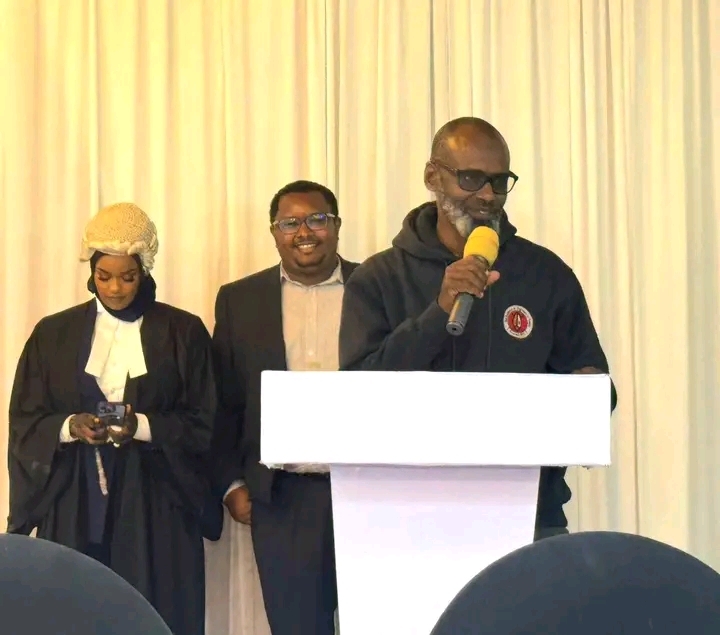
Former Isiolo County Assembly Speaker Mohamed Roba Qoto (commonly known as MRQ) has once again thrust himself into the spotlight with a fiery outburst against President William Ruto during a ceremony celebrating the admission to the Bar of Ayan Mohamed Tupi, daughter of the late Isiolo South MP Mohamed Tupi Bidu.
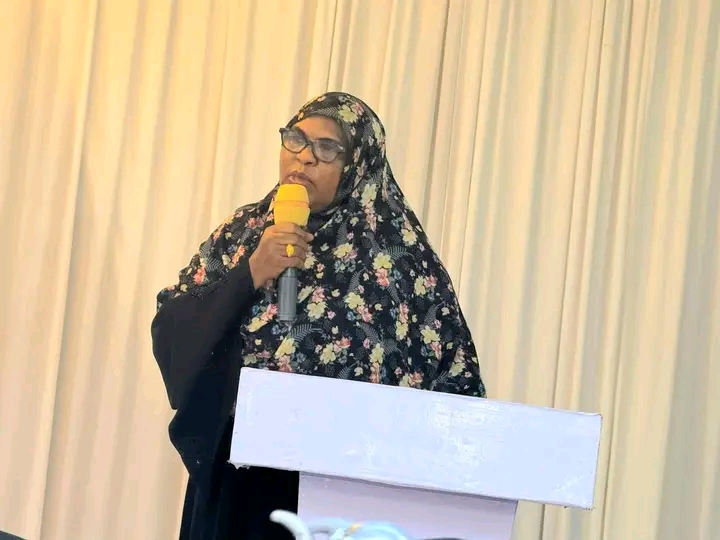
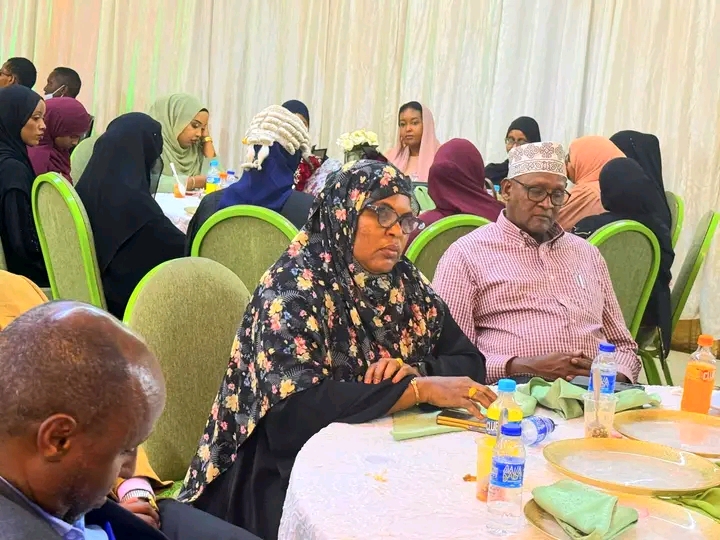
The event, held to honor Ayan’s achievement as a newly qualified advocate, brought together leaders, elders, and community members from across Northern Kenya.
However, the celebratory mood was shattered when Roba seized the opportunity to launch what many described as a veiled attack on the President and an attempt to undermine the growing consensus behind “Tupi Junior” – the late MP’s son – securing the United Democratic Alliance (UDA) ticket for the upcoming Isiolo South parliamentary by-election or nominations.
The Trigger: Moyale MP’s Endorsement Ignites Controversy
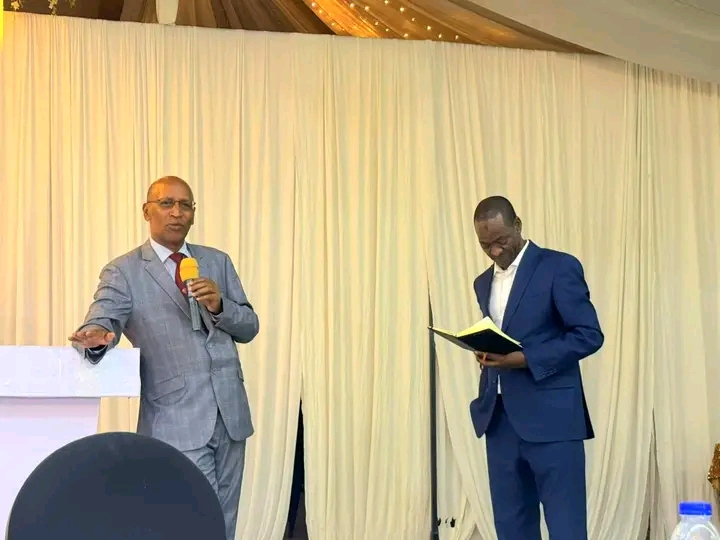
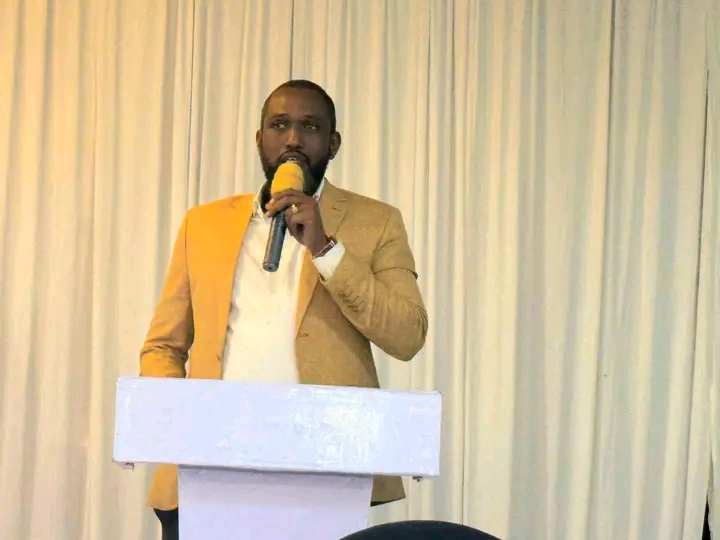
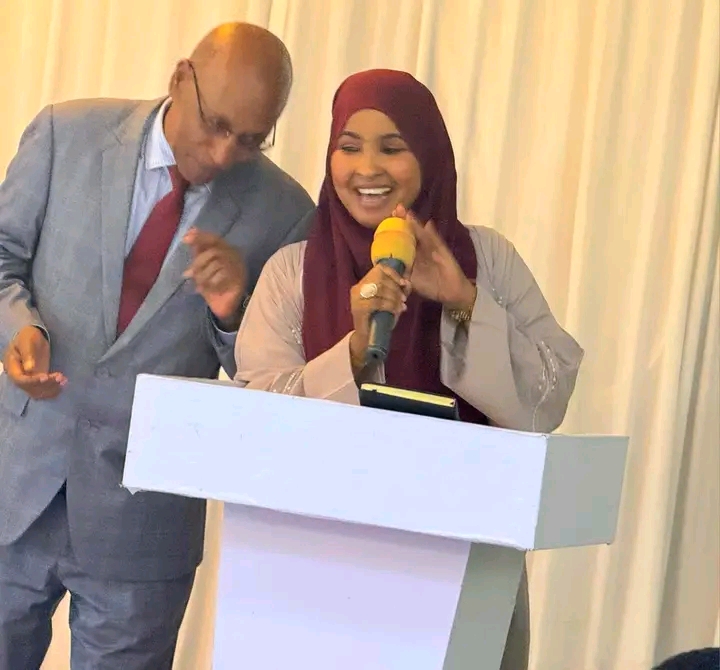
The tension erupted when Moyale MP Prof. Guyo Waqo, a respected figure in the region, took the stage to affirm the unanimous support from Northern Kenya leaders for Tupi Junior’s bid to join the ruling UDA party and contest the Isiolo South seat.
Drawing on deep-rooted traditions of lineage continuity and community solidarity in pastoralist societies, Waqo emphasized that the young Tupi represents a natural successor to his father’s legacy of service and development.
Moments later, Roba grabbed the microphone and vehemently disputed the endorsement. He insisted that “the structure” – a term widely interpreted as referring to his own political network – would ultimately decide the party affiliation and ticket for the aspiring leader.
In a particularly contentious remark, Roba dismissed Waqo as “a guest in Isiolo politics,” despite the MP sharing Karayu ethnic roots with both Roba and the late Tupi family.
The comment drew immediate laughter and murmurs of discomfort from the crowd, highlighting what observers called blatant hypocrisy.
Critics were quick to point out that if Waqo – a senior parliamentarian and ally – is considered an outsider, then figures like Mandera Governor Ali Roba and Marsabit Governor Mohamud Ali, who have previously supported Roba’s political activities and rallies, would also fall into that category.
Bad Manners or Desperate Power Play? Public Reaction and Analysis
Attendees and political analysts alike condemned Roba’s intervention as uncultured, unnecessary, and politically immature.
Waqo, being Roba’s elder, had spoken in goodwill, extending olive branches across clans and counties. Roba’s sharp rebuttal was seen as a sign of personal frustration rather than strategic leadership, painting him as a figure struggling to regain relevance amid his own political setbacks.
To clarify the record: The endorsement of Tupi Junior was not the product of any single “Roba structure.”
It stemmed from broad-based support across the Isiolo community, including rivals, and aligned with longstanding Northern Kenya customs that prioritize protecting family legacies in politics.
Tupi Junior has emerged as a unifying “son of the region,” transcending clan divisions and earning respect for his youth, education, and commitment to development.
Insiders close to the ground reveal Roba’s underlying motives. Sources allege he is attempting to weaponize Tupi Junior’s party choice as leverage in negotiations with President Ruto.
Specifically, Roba is said to be demanding reinstatement to the County Assembly Speaker’s position – a role he lost amid controversies, including violations of Chapter Six of the Constitution on integrity. He reportedly ran partisan campaigns against the sitting Governor while in office, contributing to the very crisis that led to his ouster.
This tactic mirrors recent patterns in Isiolo and broader Northern Kenya politics, where some leaders have resorted to threats of defection (e.g., to opposition figures like Kalonzo Musyoka or “Wamunyoro”) if personal demands are not met.
As one elder put it, “Blackmail has become the currency of the desperate, but politics demands courage, not emotional outbursts at State House.”
Roba’s Political Baggage: A History of Self-Inflicted Wounds
Roba’s ambitions face significant hurdles rooted in his past actions. By engaging in overt partisan activities while serving as a neutral Speaker, he breached constitutional requirements for impartiality.
Any attempt to reclaim the seat could trigger a fresh impeachment process – this time potentially televised, public, and devastating. Under Kenyan law, a successful impeachment on integrity grounds would permanently bar him from holding or running for public office.
Despite these challenges, Roba has remained a vocal critic of Governor Abdi Guyo and, increasingly, President Ruto’s administration. His latest outburst is viewed by many as another episode in a series of destabilization efforts, often backed by external allies.
A Clear Message to Tupi Junior and the Region
Amid the drama, the people of Isiolo South and Northern Kenya at large remain steadfast in their support for President Ruto’s Kenya Kwanza agenda, prioritizing stability, infrastructure development, and peace over individual power struggles.
To Tupi Junior, the advice from community leaders is unequivocal: Resist being drawn into the games of “broken politicians.” As a young, rising star respected across clans in Isiolo, Moyale, Marsabit, and beyond, aligning with UDA offers the best path to advancing his father’s unfinished work – from road projects to water initiatives and security enhancements.
Northern Kenya’s resilient communities have long seen through such maneuvers. This time, as grassroots UDA elections loom and by-elections approach, attempts at political blackmail are unlikely to succeed. The region is focused on progress, unity, and honoring legacies the right way – not through coercion or division.
As Kenya heads toward another election cycle, incidents like this underscore the high-stakes clan dynamics and succession battles in pastoralist counties. Will Isiolo choose continuity and development, or fall back into cycles of intrigue? The coming months will tell.
With Additional coverage from Abu Ameer
(Note| Video to be embedded soon)
Share This Post