



In the bustling heart of Isiolo Town, where the arid landscapes of northern Kenya meet the resilient spirit of pastoralist communities, a groundbreaking motion is poised to transform the fight against one of the region’s most enduring plagues: stock theft.
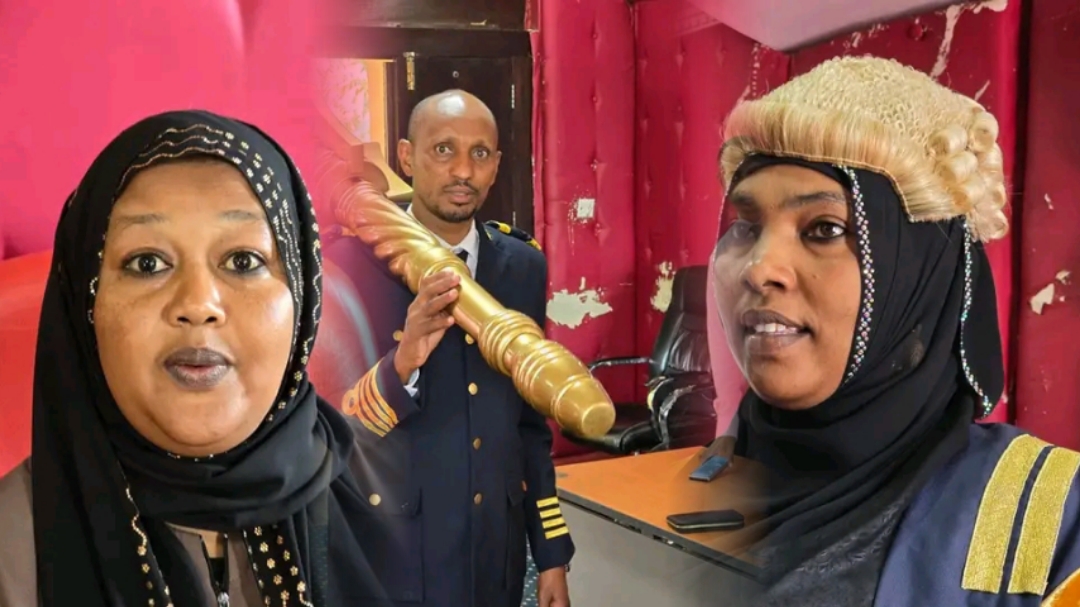
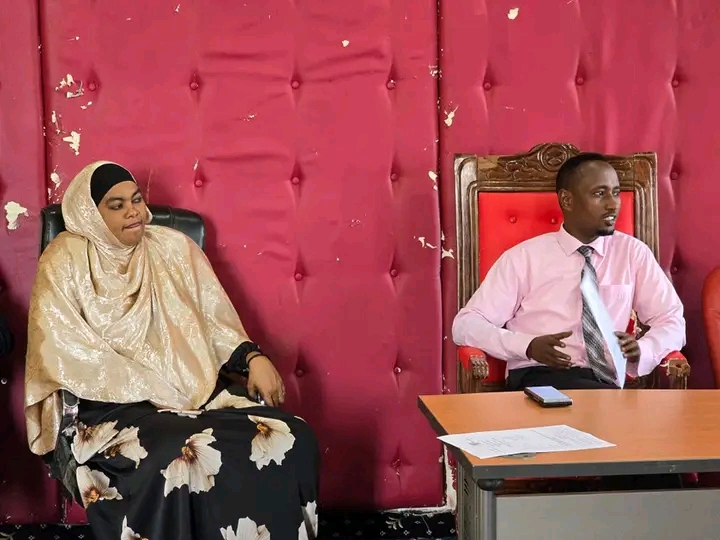
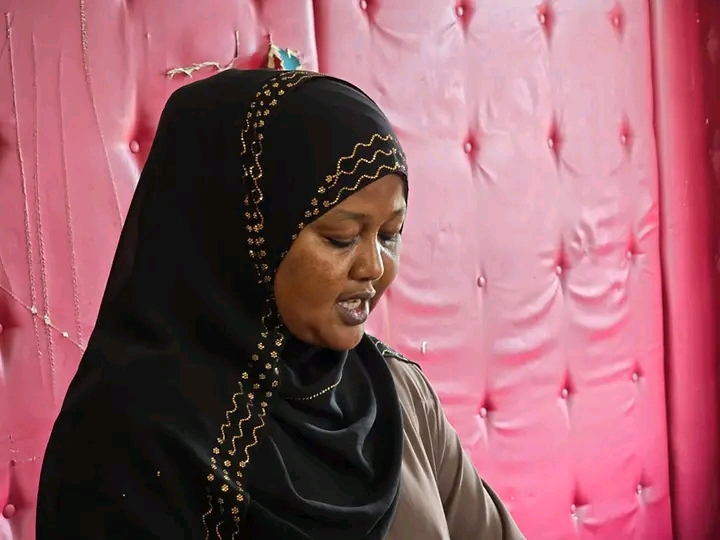
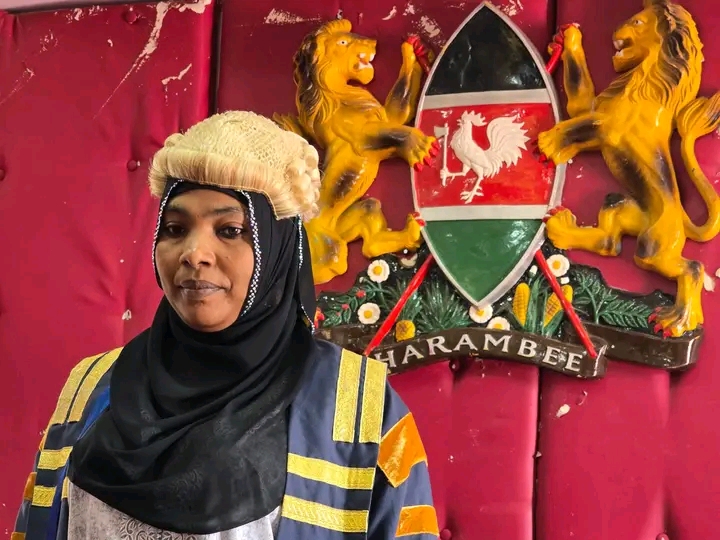
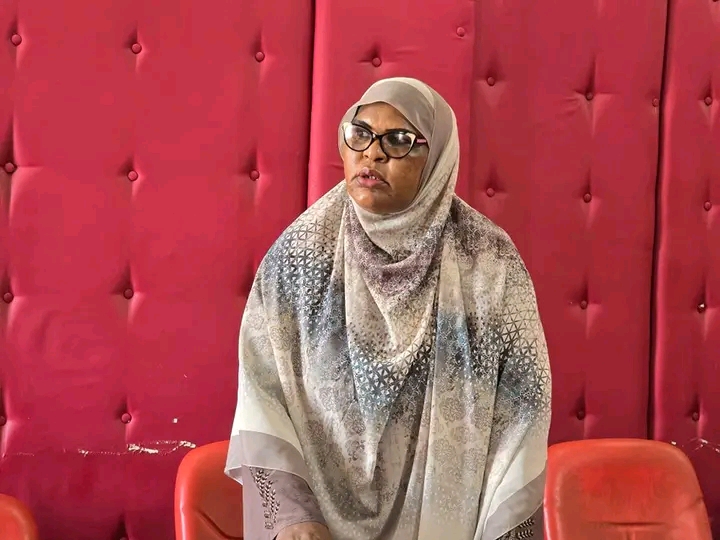
Tabled by the visionary Member of County Assembly (MCA) Kamila Warsame(nominated) during the morning session of the Isiolo County Assembly on the 3rd of September 2025, this forward-thinking proposal seeks to introduce microchip implant technology in livestock across the county.
As the chief architect of this initiative, Warsame’s motion not only addresses a critical economic vulnerability but also embodies a bold step toward securing the livelihoods of thousands in Isiolo’s pastoralist heartland.
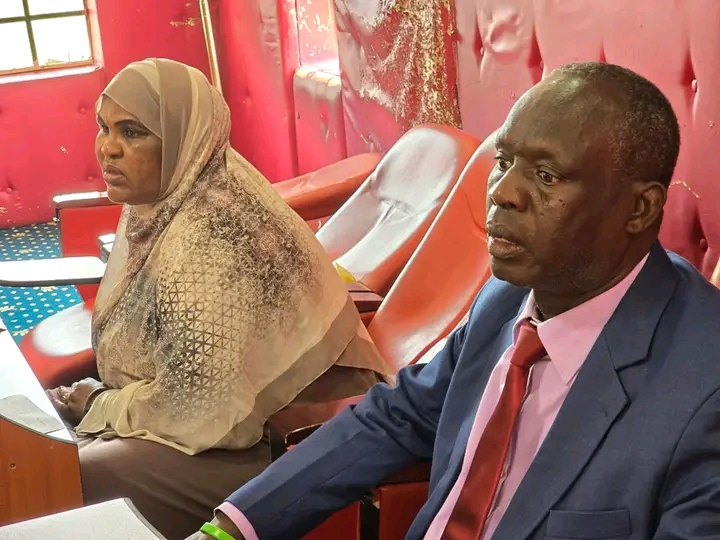
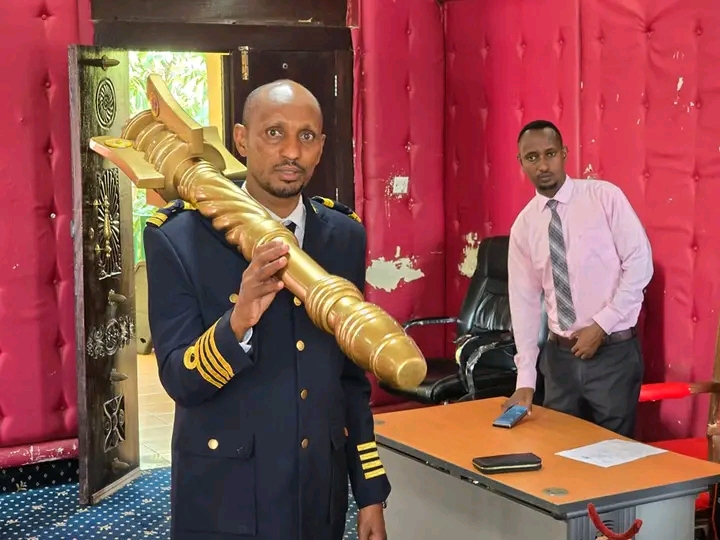
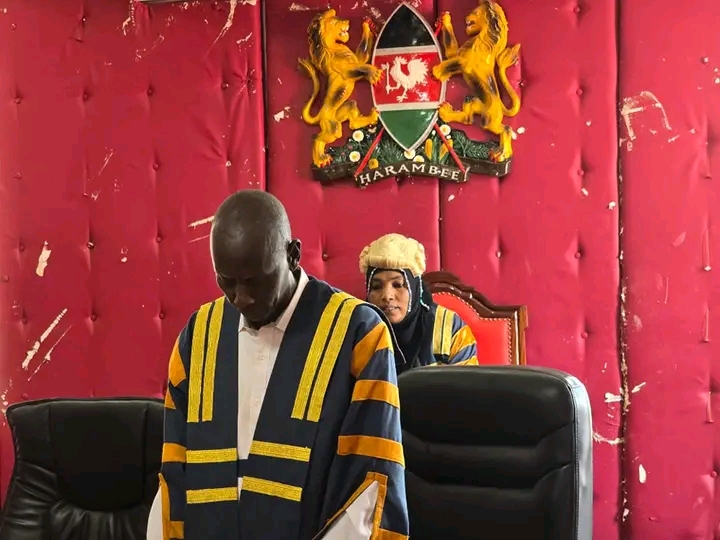
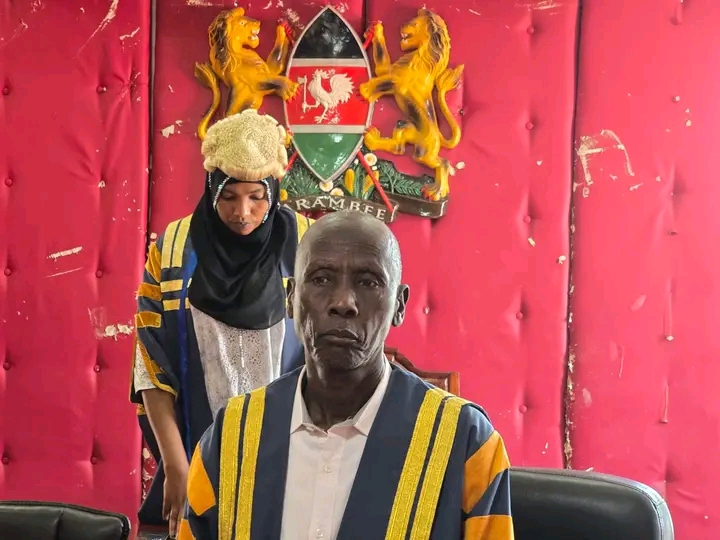
Under the steady gavel of presiding Speaker Dekha Bonja, the assembly chambers buzzed with deliberations that underscored the profound significance of livestock to Isiolo’s identity.
“Livestock is the heartbeat of Isiolo—our cultural heritage and the backbone of the local economy,” Warsame articulated in her compelling presentation, highlighting how cattle rustling and stock theft have long cast a shadow over the region.
These crimes, often intertwined with inter-communal conflicts, have destabilized families, escalated insecurity, and eroded the fragile peace among pastoralist groups.
In Isiolo, where nomadic herding traditions date back centuries, the loss of a single animal can plunge a household into poverty, disrupting food security, education, and even cultural rites.
Warsame’s motion delves deep into the constitutional imperatives that make livestock protection a non-negotiable duty for county governments.
Drawing on Article 186(1) of the Kenyan Constitution, as interpreted alongside the Fourth Schedule, she emphasized that responsibilities for agriculture, livestock, and fisheries development squarely fall under county jurisdiction. This places Isiolo County at the forefront of innovative solutions to safeguard its primary economic driver.
Furthermore, Warsame invoked Article 40, which enshrines the right to property—extending unequivocally to livestock as the principal asset for many pastoralist households. Complementing this is Article 29, which guarantees the right to security, protecting citizens from the violence and criminality that often accompany rustling raids.
At its core, the motion calls for the adoption of microchip implant technology, a modern innovation that involves embedding tiny, tamper-proof RFID (Radio-Frequency Identification) chips beneath the skin of animals such as cattle, goats, and camels.
These chips, no larger than a grain of rice, store unique identification data that can be scanned using handheld devices, enabling rapid verification of ownership. Unlike traditional branding or ear-tagging methods, which are susceptible to alteration or removal by thieves, microchips offer a discreet, permanent solution.
Warsame argued that this technology would serve as a powerful deterrent, making stolen livestock traceable across borders and markets, thereby disrupting the illicit networks that fuel rustling in northern Kenya.
If passed, the motion would mandate the County Executive Committee Member for Agriculture, Livestock, and Fisheries Development to spearhead the implementation of this system county-wide.
This directive aligns with global best practices, where similar technologies have yielded remarkable results in countries like Australia and parts of Europe, reducing theft rates by up to 70% in some agricultural sectors.
In Isiolo, the rollout could involve partnerships with veterinary services, community cooperatives, and tech providers to ensure affordability and accessibility, particularly for small-scale herders.
Warsame envisions a phased approach: starting with pilot programs in high-risk areas prone to rustling, followed by widespread adoption supported by awareness campaigns and training for farmers.
The potential impacts of this initiative extend far beyond mere theft prevention. By restoring confidence among herders, microchipping could foster economic stability, encouraging investments in livestock breeding and value addition—such as dairy processing or meat exports—that have been hampered by insecurity.
It also promises to bolster peace-building efforts, as reduced rustling could mitigate conflicts between communities vying for grazing lands.
“Protecting livestock is not just an economic priority; it’s a pathway to enduring peace and prosperity,” Warsame stated, echoing the assembly’s commitment to people-driven policies that uphold the rule of law and secure livelihoods for all residents.
Critics might raise concerns about initial costs or privacy implications, but Warsame’s proposal addresses these head-on by advocating for subsidized implantation programs and data protections compliant with Kenya’s Data Protection Act.

The technology’s accountability features—such as real-time tracking integrated with national databases—could even aid in disease outbreak management, adding layers of value to an already robust system.
As the Isiolo County Assembly continues its deliberations, Kamila Warsame stands as a beacon of progressive leadership in a region grappling with age-old challenges.
Her motion represents a fusion of tradition and technology, honoring the pastoralist way of life while embracing innovation to shield it from modern threats.
With livestock theft costing Kenyan counties billions annually, Isiolo’s potential adoption of microchip implants could set a precedent for other arid and semi-arid lands (ASAL) regions, inspiring a nationwide shift toward smarter, safer animal husbandry.
The County Assembly of Isiolo reaffirms its dedication to enacting policies that resonate with the people’s needs, ensuring that the echoes of this session translate into tangible security and growth.
As Warsame’s vision gains momentum, it invites stakeholders—from local herders to national policymakers—to rally behind a future where Isiolo’s livestock thrives unthreatened, powering the county toward sustainable development.
For updates on this motion and other assembly proceedings, stay tuned to ICBNews and official assembly channels.
Share This Post