













In a spectacle that encapsulated the raw tensions of Kenyan politics, former Deputy President Rigathi Gachagua returned to Nairobi on the afternoon of August 21, 2025, after an extended and controversial tour of the United States.
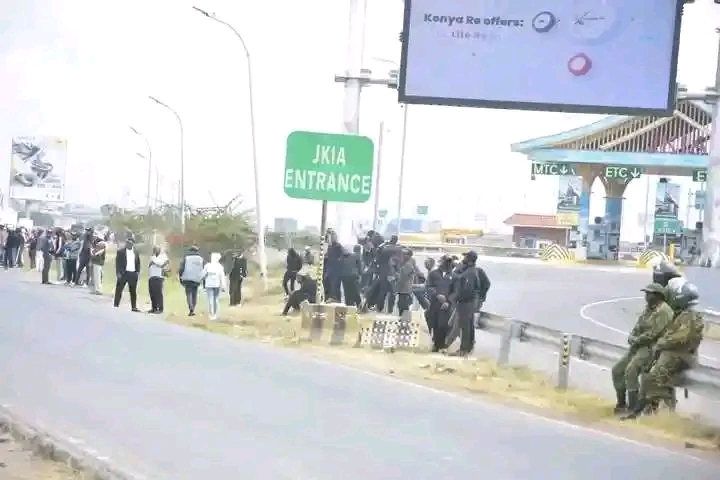
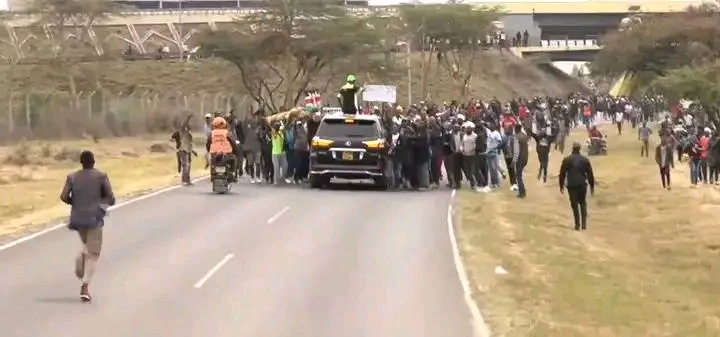
What began as a jubilant hero’s welcome at Jomo Kenyatta International Airport (JKIA) quickly devolved into chaos, with stone-throwing mobs, clashes with police, and attacks on journalists underscoring the volatile fault lines in the nation’s leadership struggle. As supporters hailed his arrival as a triumphant resurgence, critics derided it as the anticlimactic end to a “failed” overseas mission.
This event not only reignites debates on tribalism, national unity, and governance but also positions Gachagua as a pivotal figure in opposition dynamics ahead of upcoming by-elections and beyond.
From Impeachment to Exile: Gachagua’s Path to Opposition Stardom
Rigathi Gachagua’s political journey has been nothing short of tumultuous. Once a key ally to President William Ruto, Gachagua served as Kenya’s Deputy President until his dramatic impeachment in October 2024, amid allegations of corruption, incitement, and undermining the government.
Ousted from power, he swiftly reinvented himself as a formidable opposition leader, founding and heading the Democratic Congress Party (DCP).
His influence is particularly strong in the Mount Kenya region—a political powerhouse—and among the Kenyan diaspora, where he has cultivated a narrative of resistance against what he portrays as an oppressive Ruto administration.
Gachagua’s criticisms have been unrelenting and explosive. He has accused the government of grave human rights violations, including extrajudicial killings and abductions, while alleging secretive ties between Ruto and foreign entities like Sudan’s Rapid Support Forces (RSF) and even the terrorist group Al-Shabaab.
These claims have not only galvanized his base but also drawn international scrutiny, positioning him as a whistleblower in the eyes of supporters and a destabilizing force to detractors.
In early July 2025, Gachagua embarked on what was billed as a four-week political tour of the United States, aiming to amplify his voice on the global stage. During his stay, he engaged extensively with Kenyan communities across various states, inaugurating a new DCP party office in the US and even showcasing his personal residence in Texas.
This visibility allowed him to escalate his attacks on President Ruto, vowing to submit evidence of alleged human rights abuses to US authorities and the incoming Trump administration.
In particularly bold statements, Gachagua claimed insider knowledge of Ruto’s supposed meetings with Al-Shabaab leaders in Mandera County and connections to the RSF, promising to deliver incriminating proof while on American soil.
The Kenyan government responded with fury. Interior Cabinet Secretary Kipchumba Murkomen branded Gachagua’s remarks “unpatriotic” and warned that he would be compelled to record a statement upon returning home. Yet, the tour, which stretched to 42-43 days before being abruptly curtailed, failed to yield the diplomatic breakthroughs Gachagua may have sought.
Speculation swirled that US officials maintained a deliberate distance, offering no official platforms or endorsements, leading some to dub the visit a “failed audition” devoid of tangible international support.
Social media amplified these perceptions, with trending hashtags like #ShamefulRigathi portraying the trip as a platform for “toxic speeches” and ethnic division rather than constructive dialogue.
Critics argued that Washington’s apparent rejection stemmed from a preference for stability under Ruto, viewing Gachagua’s agenda as potentially incendiary.
A Hero’s Welcome Descends into Mayhem: The Return Unfolds
Gachagua’s plane touched down at JKIA on the afternoon of August 21, 2025, via a commercial flight, marking the end of his self-imposed exile.
The airport buzzed with anticipation, fortified by a formidable security detail including anti-terror units, as government officials had preemptively cautioned against any disruptions.
Throngs of DCP supporters, political allies, and well-wishers converged, transforming the terminal into a sea of chants, flags, and euphoria. Prominent figures such as Nyeri Senator John Methu and Embakasi South MP Julius Mawathe led the charge, rallying the crowd with calls for unity and resilience among DCP ranks.
But the jubilation was short-lived. As Gachagua’s convoy snaked along Mombasa Road toward Nairobi’s city center, it encountered hostility at City Cabanas, where groups of youths—allegedly orchestrated by MPs from the Orange Democratic Movement (ODM)—hurled stones, shattering the festive mood.
Journalists on the scene bore the brunt of the violence, with cameras and equipment stolen amid the pandemonium.
Back at JKIA, skirmishes erupted between DCP leaders and police forces, further amplifying the disorder. Through it all, Gachagua remained composed and silent, shielded by his loyalists as they navigated the crowds.
Beyond Nairobi, the reception varied dramatically. In Bungoma County, Western Kenya, residents erupted in unbridled celebration, dancing in the streets and proclaiming Gachagua’s return a “triumphant” milestone.
Allies like Manyatta MP Gitonga Mukunji issued defiant warnings, declaring, “Don’t test us; we will take strong action” against any threats to their leader. This regional fervor highlighted Gachagua’s broadening appeal outside his traditional Mount Kenya stronghold.
Polarized Echoes: Cheers, Jeers, and Political Maneuvering
Gachagua’s return ignited a firestorm of reactions, reflecting Kenya’s fractured political landscape.
To his ardent supporters, particularly in Mount Kenya and Western regions, it was a “heroic reception” affirming his unyielding popularity and resilience. Media outlets broadcast the scenes live, dubbing it a “grand homecoming” that underscored his grassroots momentum.
Conversely, detractors and online commentators unleashed scathing mockery, branding the event a “shameful return” from a barren US sojourn riddled with rejection and accusations of tribal incitement. Some speculated that the premature end was prompted by Washington’s disinterest in his destabilizing rhetoric, favoring Ruto’s image of steadiness.
On the political front, opposition circles buzzed with excitement, seeing Gachagua’s comeback as a spark for potential unrest or a “security threat.” Murkomen attempted to temper concerns while admitting readiness for volatility.
The timing coincides with looming by-elections, which sources say prompted Gachagua to truncate his trip. Intriguingly, his absence correlated with a dip in reported abductions and online activism, fueling theories of his role in fueling domestic discord.
Echoes of Division: What Gachagua’s Return Means for Kenya’s Future
This homecoming event lays bare the profound rifts in Kenyan society, pitting Gachagua’s regional loyalists against the central government’s authority.
While it enhances his stature as a tenacious opposition force, the accompanying violence and backlash raise alarms about escalation, including possible arrests stemming from his inflammatory US declarations.
Analysts contend that the tour’s lack of international traction may erode his leverage in the long run, leaving him reliant on domestic agitation.
As of the time of publishing this article, Gachagua has yet to publicly address the chaos, but the episode has revitalized discussions on balancing ethnic politics with national cohesion.
In a nation grappling with economic woes, governance challenges, and electoral pressures, Gachagua’s return signals not just a personal comeback but a harbinger of intensified political turbulence.
Whether it propels him toward greater influence or deeper isolation remains a question that will unfold in the coming months, as Kenya navigates this precarious chapter in its democratic journey.
Share This Post