
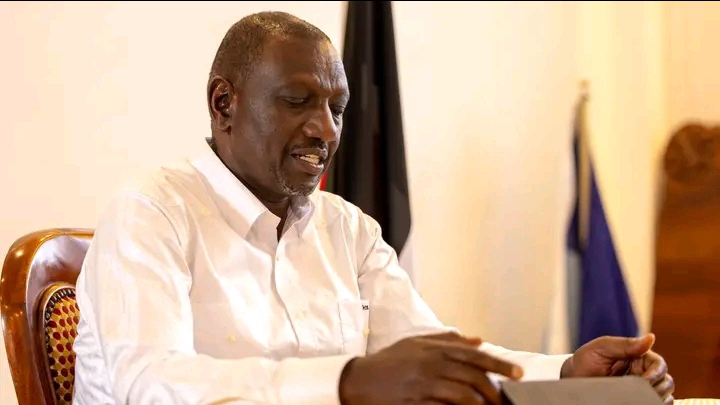

In a fiery address that has ignited a nationwide firestorm, Kenyan President William Ruto took center stage at the 9th Devolution Conference in Homa Bay County on August 13, 2025, unleashing scathing allegations against Members of Parliament (MPs) and senators.
Accusing them of transforming oversight committees into lucrative “extortion rings,” Ruto claimed legislators were demanding hefty bribes from government officials to sanitize reports and overlook corruption.
This bold stance, delivered amid celebrations of Kenya’s devolved governance, has sparked intense debate, drawing praise for its anti-graft zeal while fueling accusations of hypocrisy from critics who point to alleged corruption within the executive itself.
As the dust settles on this high-stakes confrontation, questions loom over the integrity of Kenya’s legislative, executive, and judicial branches, underscoring the persistent battle against systemic graft in East Africa’s economic powerhouse.
The Stage: Inside the 9th Devolution Conference
Held at Homa Bay High School from August 12 to 15, 2025, the 9th Devolution Conference served as a pivotal gathering under the theme “For the People, For Prosperity: Devolution as a Catalyst for Equity, Inclusion and Social Justice.”
This annual event, marking over a decade since Kenya’s 2013 shift to devolved governance, convened national leaders, county governors, development partners, and citizens to assess progress in decentralizing power and resources.
With Sh4 trillion disbursed to counties since devolution’s inception, discussions centered on governance reforms, human rights advancements, and equitable financing mechanisms to bridge regional disparities.
President Ruto, who officially opened the conference, used the platform to pivot from celebration to condemnation.
His remarks followed Senate Speaker Amason Kingi’s critique of corruption and weak accountability in county governments, prompting Ruto to redirect scrutiny toward the legislature.
The event also featured a keynote by former Prime Minister Raila Odinga on August 14, who echoed calls for MPs to prioritize oversight over personal gain, urging them not to solicit funds through extortionate practices.
Cultural exhibitions, policy dialogues, and a joint communiqué capped the conference, highlighting achievements like the recent assent to the County Allocation of Revenue Bill 2025 and the County Public Finance Laws Amendment Bill 2023, which bolster fiscal autonomy for counties.
Homa Bay Governor Gladys Wanga received special commendation from Ruto for securing a Special Economic Zone (SEZ) license, positioning the county as a hub for investment and job creation.
Yet, beneath the optimism, Ruto’s accusations exposed deep fissures in Kenya’s political landscape, where devolution—intended to empower grassroots development—has often been marred by embezzlement and inefficiency.
Ruto’s Unflinching Assault: Bribery, Extortion, and a Call for Reform
At the heart of Ruto’s speech was a damning indictment of parliamentary practices, particularly the so-called “soko huru” scheme—a slang term for unchecked extortion where committee members allegedly coerce payments from witnesses for favorable outcomes.
The president alleged that MPs and senators routinely demand bribes from Cabinet Secretaries, governors, and other state officers appearing before oversight committees, threatening unfavorable reports unless payments are made.
“It cannot continue to be business as usual,” Ruto declared, emphasizing how such acts undermine the national fight against corruption and erode public trust in institutions.
Escalating his claims during a subsequent ODM-Kenya Kwanza Parliamentary Group Meeting in Karen on August 18, 2025, Ruto cited intelligence reports of a staggering Ksh 150 million bribe paid to a Senate committee by a governor to influence proceedings.
He vowed arrests for those involved, stating, “There are MPs collecting money on behalf of Parliament. We are going to arrest them,” and extended the pledge to include bribers, invoking the Anti-Bribery Act of 2016.
Ruto urged National Assembly Speaker Moses Wetang’ula and Senate Speaker Amason Kingi to intervene decisively, insisting on “no sacred cows” and no interference in investigations by the Ethics and Anti-Corruption Commission (EACC).
The president’s critique didn’t spare the judiciary, which he lambasted for “Kenyan innovations” like anticipatory bail that allegedly shield corrupt individuals from prosecution.
Ruto argued that such practices turn the courts into a “haven for the corrupt,” hindering accountability and allowing graft to flourish.
Framing these issues within devolution’s context, he highlighted how legislative corruption squanders resources meant for public services, stalling equity and inclusion goals.
In a related revelation, Ruto exposed an alleged Sh10 million bribery scandal tied to the Anti-Money Laundering Bill, accusing MPs of sabotaging reforms for personal gain and pledging to pursue culprits through formal channels like the Directorate of Criminal Investigations (DCI).
Echoes of Support and Backlash: A Nation Divided
Ruto’s remarks elicited a spectrum of reactions, reflecting Kenya’s polarized political terrain. Supporters hailed his candor as a watershed moment in the anti-corruption war.
Homa Bay Town MP Peter Kaluma praised the president’s “tough talk,” noting the stunned silence in the conference hall and urging governors to redirect funds toward public welfare.
Homa Bay County leaders commended Ruto’s administration for development strides, including enhanced financial laws that empower local governments.
However, critics decried the accusations as selective and hypocritical. Narok Senator Ledama Olekina questioned Ruto’s sincerity, alleging that State House operatives and Cabinet Secretaries orchestrate larger scandals, ignoring executive graft.
Former Mukurweini MP Kabando Wa Kabando labeled the claims “hypocritical,” citing Ruto’s alleged bribery in political maneuvers, such as the impeachment of former Deputy President Rigathi Gachagua.
Kiambu Senator Karungo wa Thang’wa suggested the president’s knowledge implied complicity in government malpractice.
The Senate responded aggressively, with the Public Accounts Committee (PAC), chaired by Homa Bay Senator Moses Kajwang’, demanding Ruto’s summons under Article 125 of the Constitution to substantiate his claims.
Nairobi Senator Edwin Sifuna queried governors’ silence, implying potential complicity, while Kathiani MP Robert Mbui confirmed extortion as a longstanding parliamentary vice, referencing past committee disbandments over similar issues.
Public sentiment on social media amplified the controversy. Users like @Kodwa_ accused Ruto of starting his tenure with bribes to opposition MPs, questioning “Kikulacho?” (What’s biting you?).
@MbariawaMbaria demanded arrests for bribers too, while @IkeOjuku noted MPs’ anger, reportedly refusing tea and lunch post-speech.
Transparency advocate @SheiMasinde called on the EACC to probe proactively, warning that unsubstantiated claims risk public disillusionment.
Indeed, the EACC has launched investigations into the MPs following Ruto’s allegations, signaling potential legal repercussions.
Broader Ramifications: Tensions in Kenya’s Governance Triad
Ruto’s outburst has thrust Kenya’s anti-corruption efforts into the spotlight, exposing tensions between the executive, legislature, and judiciary.
With devolution at stake, the allegations underscore how graft impedes service delivery, exacerbating inequalities in a nation grappling with economic reforms.
Ruto admitted his waning popularity due to tough policies but defended them as necessary for long-term prosperity.
The Senate’s summons push highlights constitutional checks, potentially setting a precedent for executive accountability.
Meanwhile, calls for arresting both bribe-takers and givers—echoed in public discourse—could reshape anti-graft strategies, addressing systemic flaws rather than isolated incidents.
Beyond the Storm: Celebrating Devolution’s Milestones
Despite the controversy, the conference spotlighted devolution’s successes. Ruto praised its role in fostering inclusion, with initiatives like SEZs driving regional growth.
Discussions on human rights and financing yielded actionable policies, reinforcing devolution as a cornerstone of Kenya’s democratic evolution.
A Pivotal Moment in Kenya’s Fight Against Corruption
President Ruto’s August 13, 2025, speech at the Homa Bay Devolution Conference marks a defining juncture, positioning him as an anti-corruption vanguard while inviting scrutiny of his administration.
As investigations unfold and debates rage, the episode challenges Kenya to confront entrenched graft, ensuring devolution delivers prosperity for all.
Whether this leads to genuine reform or mere political theater remains to be seen, but one thing is clear: the battle for ethical governance is far from over.
Share This Post