







In a bold move to catalyze economic growth and improve livelihoods, the Kenyan government has outlined a comprehensive plan to transform the Coast region through strategic investments in the Blue Economy, electrification, housing, youth empowerment, and healthcare.
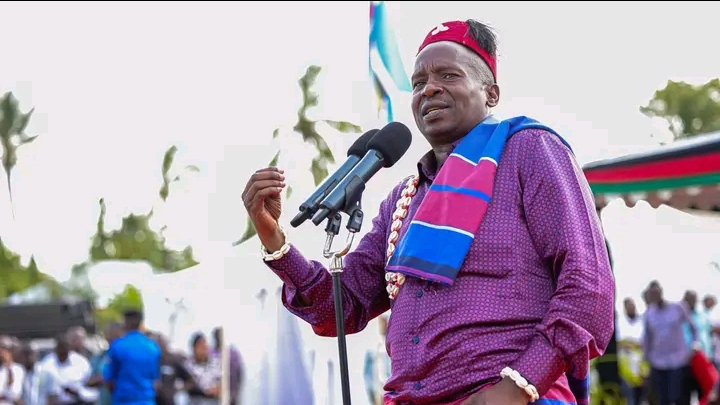
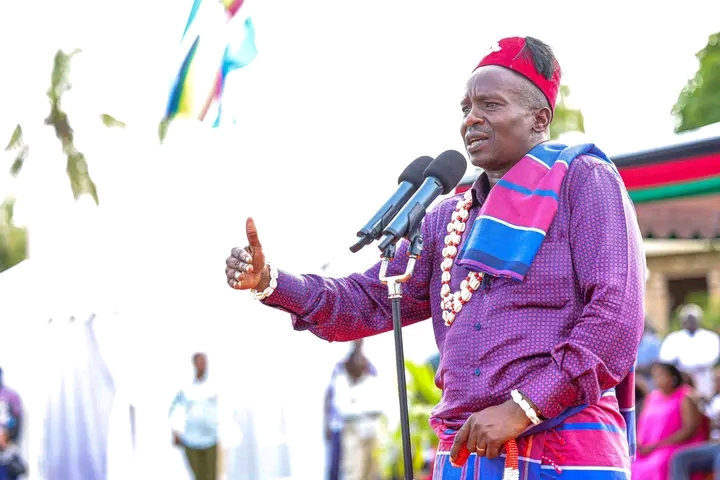
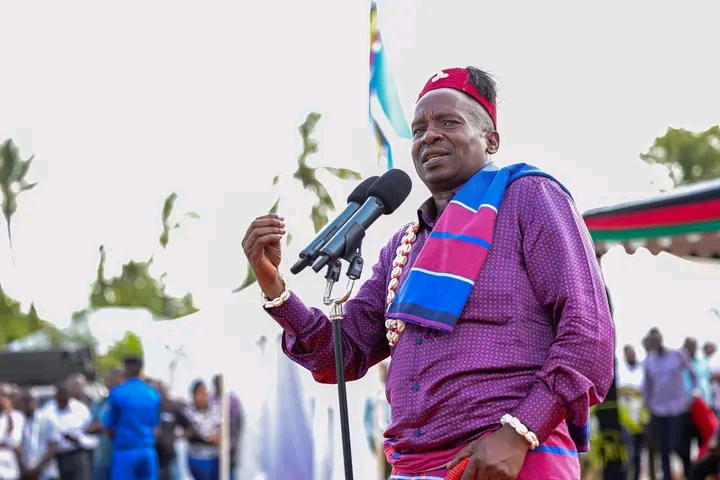
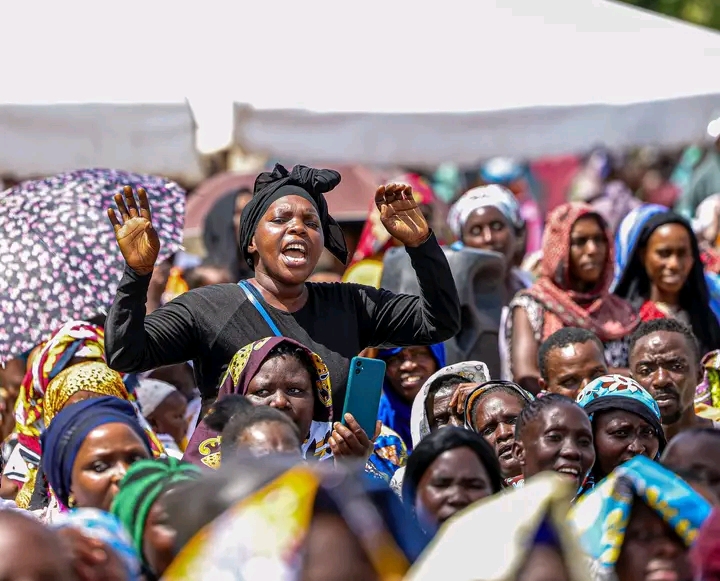
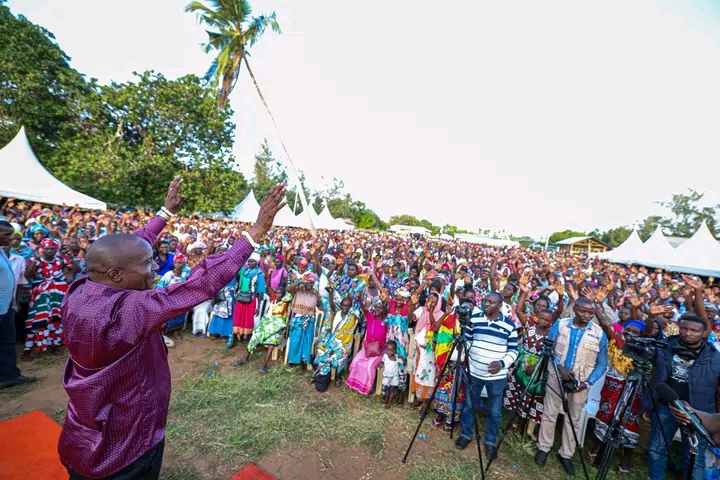
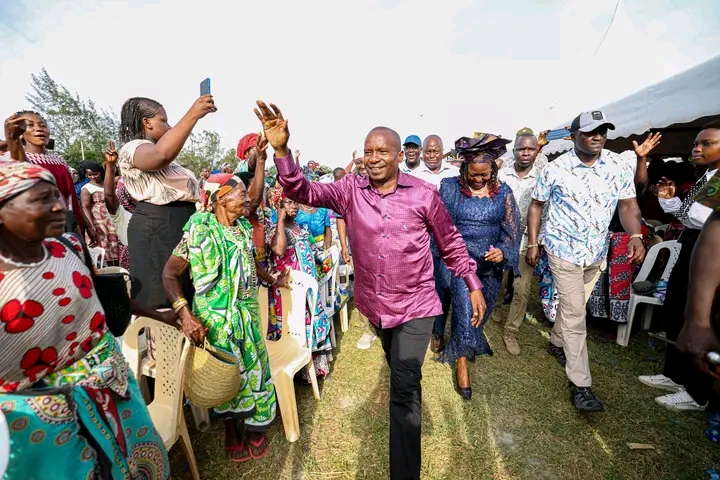
Speaking during a visit to Chumani, Kilifi North, Kilifi County on July 4, 2025, Deputy President Prof. Kithure Kindiki reaffirmed the government’s commitment to uplifting the region through targeted initiatives under the Bottom-Up Economic Transformation Agenda (BETA).
These initiatives aim to empower local communities, reduce poverty, and create sustainable economic opportunities.
Major Investments in the Blue Economy
A cornerstone of the government’s plan is the development of the Blue Economy, a critical sector for the coastal region’s economic growth.
The government has disbursed Sh3.2 billion to Beach Management Units (BMUs) across coastal counties to support fishing communities and enhance their contribution to the national economy.
In Kilifi County, a flagship project is the recently completed fish processing and storage centre, inspected earlier this year by President William Ruto.
“This facility is a game-changer for fishermen in Kilifi,” said Deputy President Kindiki. “It will significantly reduce post-harvest losses, improve the quality of fish products, and boost the earnings of local fishermen.”
The centre is designed to modernize the fisheries sector by ensuring better storage and processing capabilities, enabling fishermen to access larger markets and compete more effectively.
Electrification to Power 20,000 Homes in Kilifi
Access to electricity is a key pillar of the government’s transformation agenda, and Kilifi County is a major beneficiary of a Sh1.8 billion rural electrification program.
This initiative aims to connect 20,000 households to the national grid, with Sh253 million specifically allocated to Kilifi North Constituency.
The “Last Mile Connectivity Programme” is expected to enhance access to electricity, spur economic activities, and improve the quality of life for residents by enabling small businesses, powering homes, and supporting community development projects.
Empowering Micro and Small Enterprises (MSEs)
The government’s Bottom-Up Economic Transformation Agenda places Micro and Small Enterprises (MSEs) at the heart of its economic strategy.
To support small-scale traders, the government is constructing 400 modern markets nationwide, providing a conducive environment for entrepreneurs to conduct business with dignity and safety.
These markets are expected to create a ripple effect, fostering local trade, creating jobs, and boosting incomes for thousands of traders, particularly women and youth.
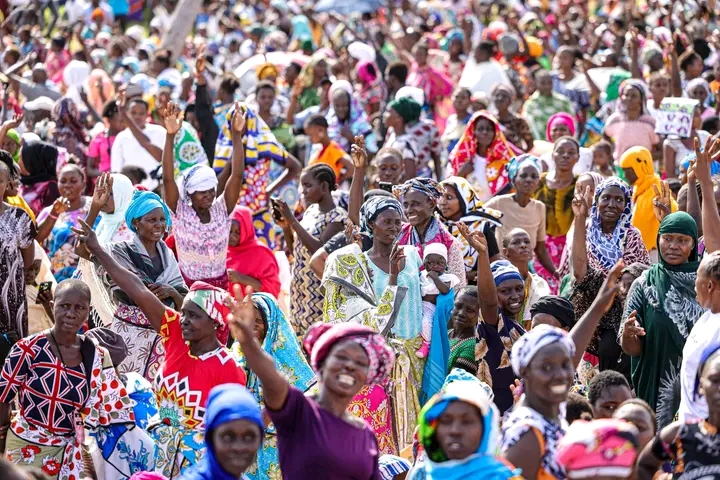
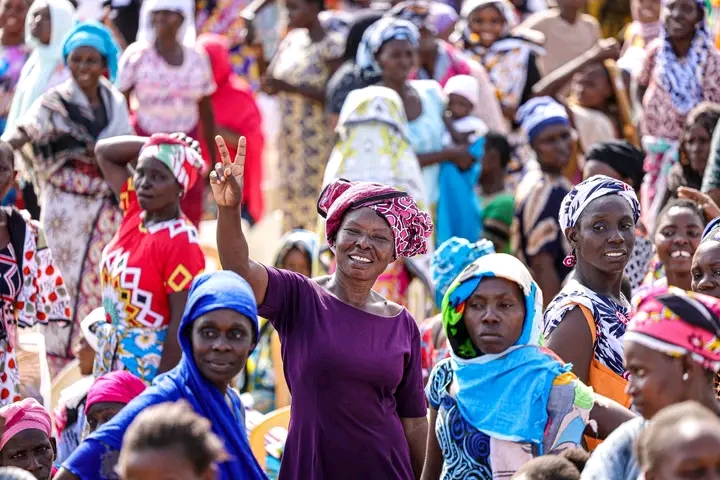
During his visit, Deputy President Kindiki engaged with women’s SACCOs (Savings and Credit Cooperative Organizations) in Kilifi North, emphasizing the government’s commitment to empowering women through access to financial services and market opportunities.
“By supporting MSEs, we are building a foundation for inclusive economic growth that leaves no one behind,” he noted.
Tackling Youth Unemployment Through Innovative Programs
Youth unemployment remains a pressing challenge in Kenya, and the government is rolling out multiple initiatives to address it.
Starting this month, the Climate Workx program, as directed by President William Ruto, will create green job opportunities for young people, aligning economic empowerment with environmental sustainability.
Additionally, the Kazi Mitandaoni program is leveraging digital platforms to connect youth with online job opportunities, while the Kazi Majuu program facilitates access to international job markets.
“These programs are designed to create jobs and income opportunities locally and globally,” said Kindiki. “We are committed to ensuring that our young people have the skills and opportunities they need to thrive in a rapidly changing world.”
Advancing Universal Health Coverage
The government’s push for Universal Health Coverage (UHC) is also gaining momentum. Deputy President Kindiki commended the 24 million Kenyans who have registered under the Social Health Authority (SHA), including 450,000 residents of Kilifi County.
He urged more citizens to enroll in the program, which aims to provide affordable and accessible healthcare to all Kenyans.
The SHA is a critical component of the government’s efforts to improve health outcomes and ensure that no one is left behind in accessing quality medical services.
Housing and Infrastructure Development
In addition to the Blue Economy, electrification, and youth empowerment, the government is investing in affordable housing to address the region’s housing deficit.
These efforts align with the broader goal of improving living standards and creating jobs in the construction sector.
The combination of housing projects, modern markets, and electrification underscores the government’s holistic approach to transforming the Coast region.
A Vision for Inclusive Growth
The government’s multifaceted approach to transforming the Coast region reflects a commitment to inclusive and sustainable development.
By investing in key sectors such as fisheries, energy, healthcare, and youth empowerment, the administration aims to unlock the region’s economic potential while addressing long-standing challenges such as unemployment and poverty.
Deputy President Kindiki’s visit to Kilifi County highlights the government’s hands-on approach to engaging with local communities and ensuring that national projects are effectively implemented.
As these initiatives take root, the Coast region is poised to become a hub of economic activity, with improved infrastructure, empowered communities, and new opportunities for growth.
Share This Post