











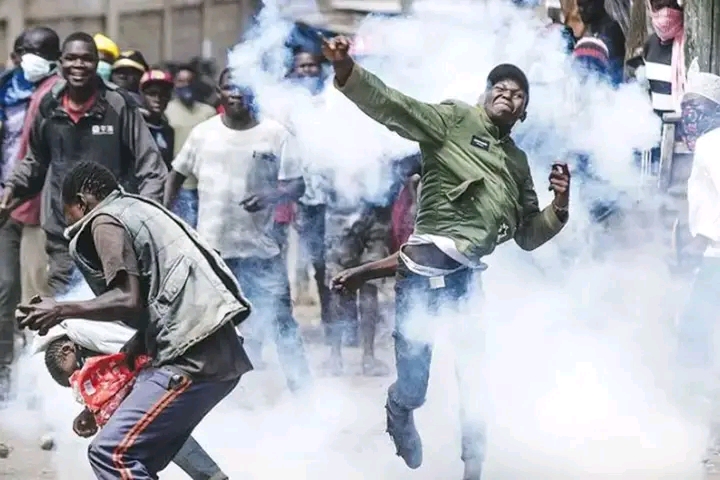

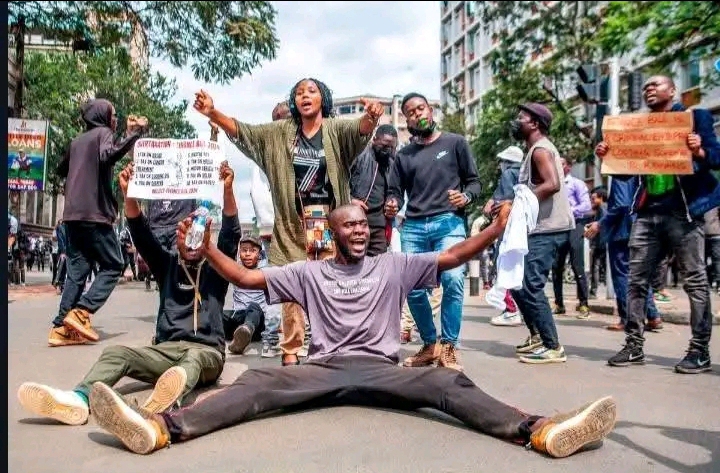
Starting this June 2025, Kenya marked the first anniversary of the deadly anti-Finance Bill protests with a renewed wave of demonstrations led by Generation Z(Gen Z), signaling a deepening rift between the country’s youth and its government.
What began in 2024 as opposition to proposed tax hikes has evolved into a broader movement demanding justice for victims of police brutality, an end to abductions, and systemic governance reforms.
The protests, centered around June 25 and extending into June 26, were marred by violence, media censorship, and reports of at least 12 fatalities, underscoring the ongoing struggle for accountability and democratic freedoms in Kenya.
Roots of the Movement: The 2024 Finance Bill Protests
The 2025 protests trace their origins to the tumultuous events of June 2024, when thousands of young Kenyans mobilized against the controversial Finance Bill, which proposed significant tax increases.
The demonstrations culminated in the storming of Parliament on June 25, 2024, a historic act of defiance that left over 60 people dead, primarily in Nairobi, with many killed by police gunfire. At least 20 individuals remain missing, fueling public outrage.
The intensity of the protests forced President William Ruto to withdraw the Finance Bill, but unresolved grievances—police brutality, abductions, and governance failures—set the stage for the 2025 anniversary protests.
The 2025 demonstrations, organized under hashtags like #Justice4OurMashujaa and #NeverForgetKE, aimed to honor the victims of the 2024 clashes while pressing for accountability and systemic change.
Social media platforms, particularly X, amplified the movement, enabling Gen Z to document abuses and mobilize supporters across Kenya and beyond.
Nationwide Protests and Disruptions
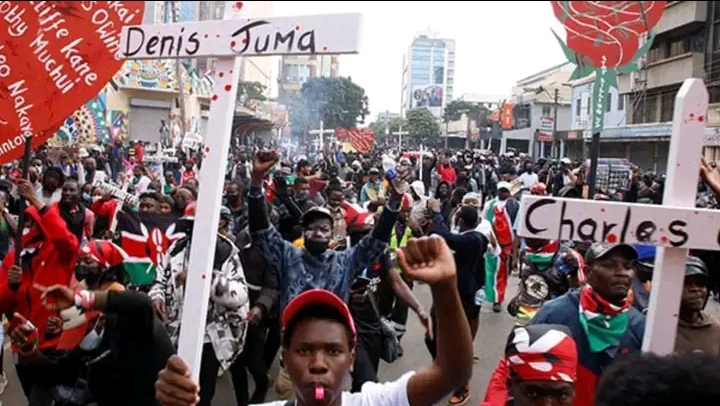
On June 25, 2025, thousands of predominantly Gen Z protesters took to the streets in at least 25 counties, including Nairobi, Mombasa, Kisumu, Nakuru, Nyeri, Eldoret, and Kisii.
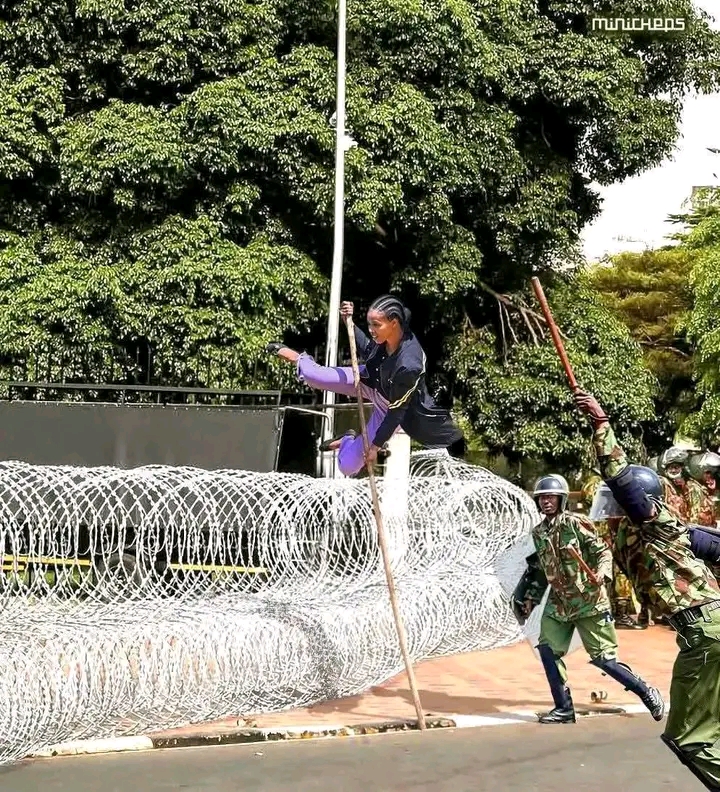
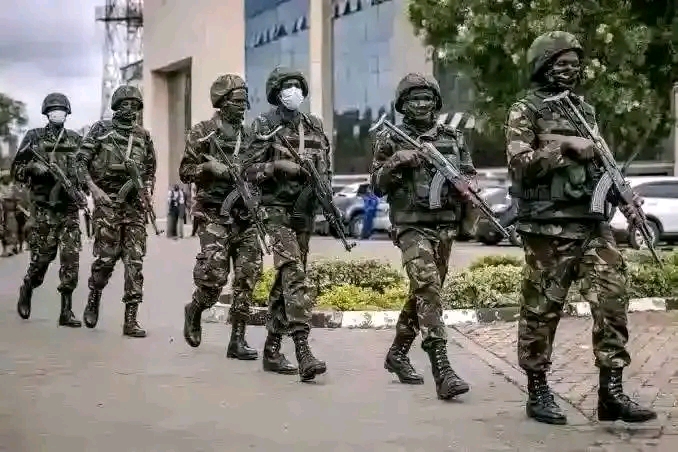
In Nairobi, the epicenter of the movement, demonstrators gathered at key landmarks like the Kenyatta Avenue Roundabout, marching toward Parliament and State House, both fortified with razor wire and heavy police presence.
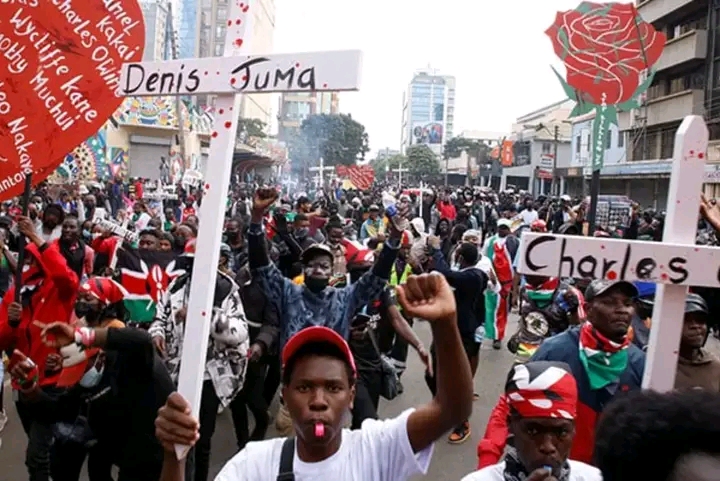
Protesters waved Kenyan flags, carried placards commemorating the 2024 victims, and chanted slogans such as “Ruto Must Go” and “We Want Justice.”
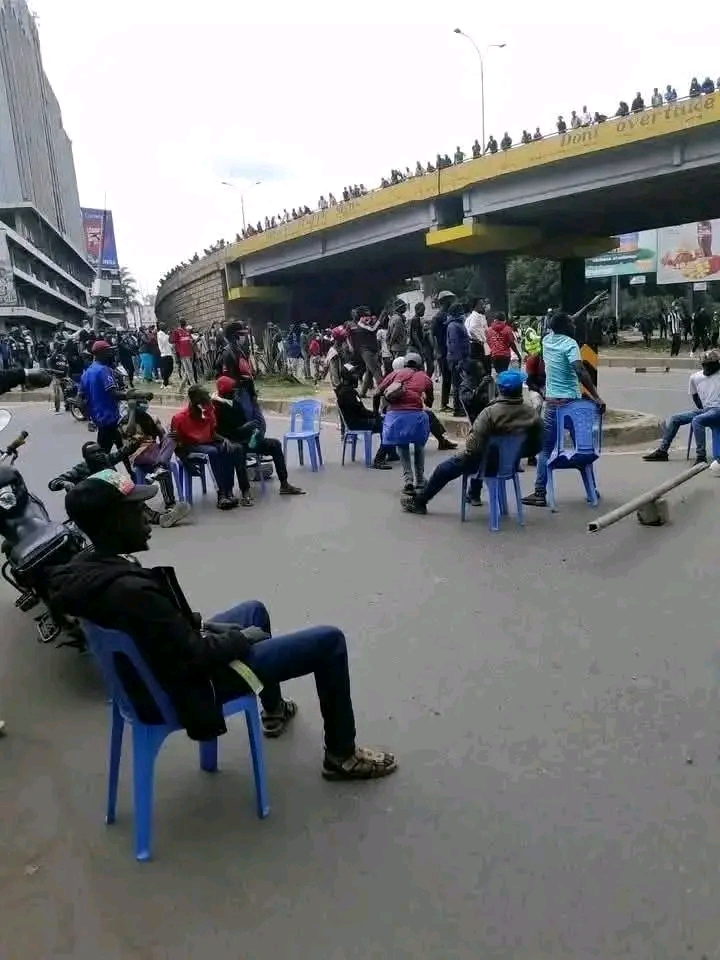
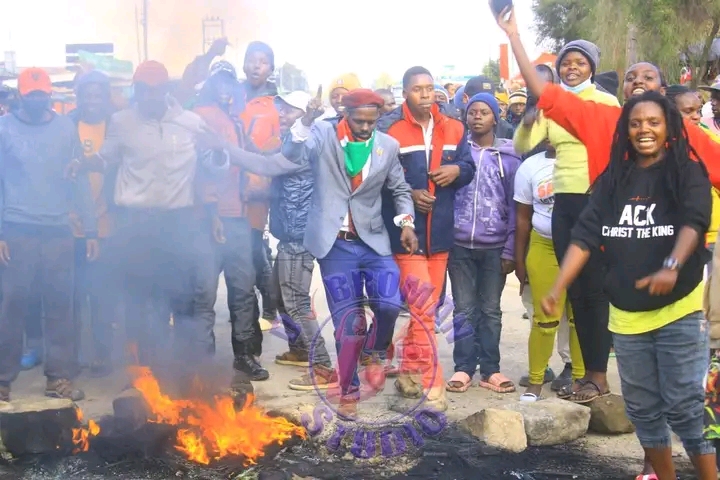
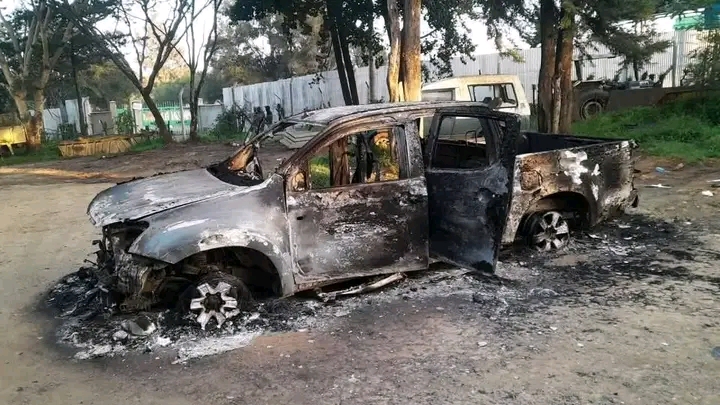
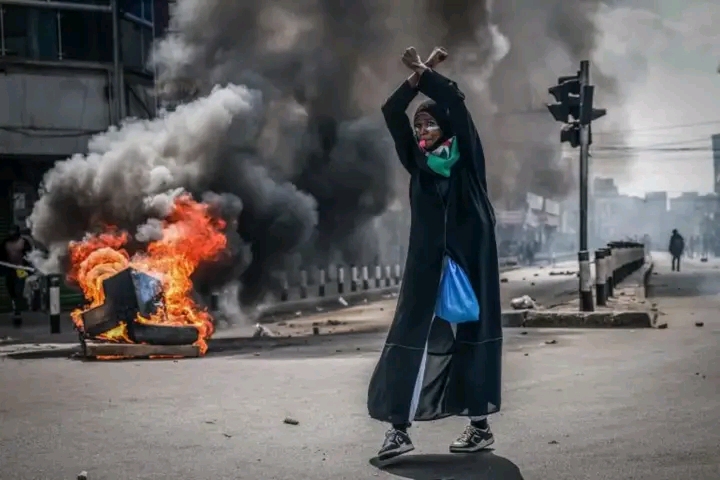
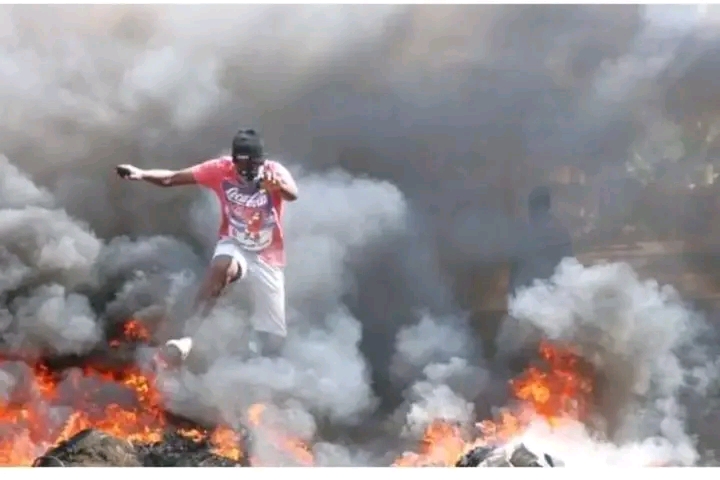
The protests disrupted daily life, with bonfires lit, roads barricaded, and public transport halted, leading to a near-total shutdown of businesses in major urban centers. In Nairobi’s Central Business District (CBD), violent clashes between protesters and anti-riot police persisted into June 26, further paralyzing economic activity.
The scope of the demonstrations highlighted the widespread discontent among Kenya’s youth, who constitute a significant portion of the population and are increasingly vocal about economic hardship and political exclusion.
Police Brutality and Fatalities
The police response mirrored the excessive force seen in 2024, drawing widespread condemnation from human rights organizations.
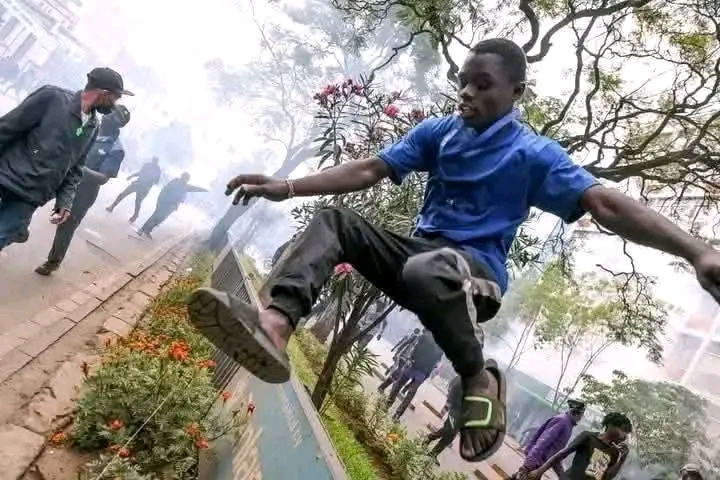
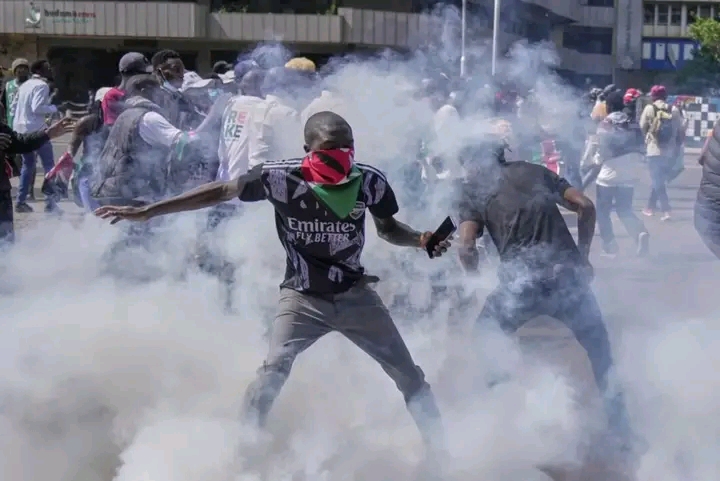
Anti-riot units deployed tear gas, water cannons, batons, and live ammunition to disperse crowds, particularly in Nairobi, Molo, Matuu, Ol Kalou, Ongata Rongai, Juja, and Kikuyu.
At least 12 people were killed on June 25, 2025, with fatalities reported in Nairobi’s Ngara and Embakasi, Molo, Matuu, and Ol Kalou. Among the victims was a Form Three student from Njenga Karume Secondary School in Molo, shot dead during confrontations, and a security guard at Kenya Power’s Stima Plaza in Nairobi, who succumbed to gunshot wounds.
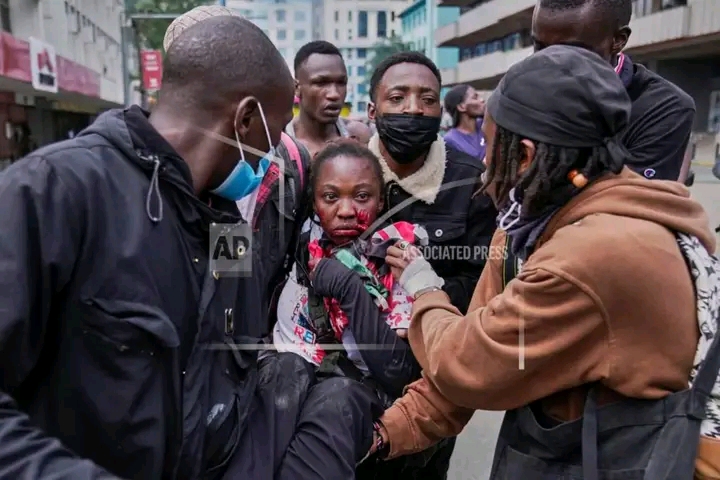
Over 400 people were injured, with at least eight sustaining gunshot wounds, according to medical personnel at Kenyatta National Hospital and reports from rights groups.
The Kenya National Commission on Human Rights (KNCHR) and Amnesty International condemned the use of live ammunition and the involvement of plainclothes officers and alleged hired “goons” armed with clubs, who were filmed attacking protesters in Nairobi’s CBD.
The Independent Policing Oversight Authority (IPOA) launched investigations into the violence, collaborating with KNCHR to address allegations of police misconduct.
Media Censorship and Digital Crackdown
A significant escalation in the government’s response was the shutdown of major television stations, including NTV and Citizen TV, on June 25, 2025. The Communications Authority of Kenya (CA) ordered media outlets to halt live coverage of the protests, citing national security concerns.
When stations defied the directive, authorities forcibly accessed transmission facilities in Limuru to switch off signals, prompting accusations of censorship.
Former Chief Justice Willy Mutunga and the Kenya Editors’ Guild condemned the move as unconstitutional, arguing it violated press freedom and Kenya’s democratic principles.
Reports of slowed internet speeds further fueled fears of a broader digital crackdown aimed at stifling protest coverage and coordination.
Abductions and Regional Authoritarianism
The protests were fueled by ongoing grievances, notably a wave of abductions targeting government critics.
Since June 2024, over 80 individuals, including activists and bloggers, have been abducted, with many cases attributed to security agents, though the government has not acknowledged responsibility.
The death of blogger Albert Ojwang in police custody on June 9, 2025, and the abductions of activists like Maria Sarungi Tsehai and Kizza Besigye highlighted a disturbing regional trend of authoritarian suppression in Kenya, Tanzania, and Uganda. These incidents intensified public anger, serving as a catalyst for the June 2025 protests.
Government and International Reactions
President William Ruto, who was in Kilifi County during the June 25 protests, faced criticism for deflecting responsibility and labeling demonstrators as criminals.
The Foreign Ministry dismissed a joint statement from 12 Western envoys, including representatives from the US, UK, and Germany, who urged restraint and condemned the use of masked officers and goons.
The envoys emphasized the right to peaceful protest as a cornerstone of Kenya’s democracy, but the government rejected their remarks as interference.
Former Deputy President Rigathi Gachagua and opposition leader Raila Odinga called for an end to police brutality and justice for victims.
Human rights organizations, including Amnesty International, demanded independent investigations into the killings and abductions, with calls for a UN fact-finding team to probe police conduct.
The international community’s scrutiny underscored Kenya’s position as a key democratic player in East Africa, raising concerns about its trajectory amid rising authoritarian measures.
Internal Divisions and Strategic Shifts
While the Gen Z movement has been a powerful force for change, it faces internal divisions.
Some activists, such as Kasmuel McOure, have shifted toward political engagement, aligning with establishment figures like Raila Odinga, a move criticized by others as a betrayal of the movement’s grassroots ethos.
Meanwhile, many protesters remain committed to street demonstrations, focusing on issues like police brutality and women’s rights.
These divisions reflect differing visions for achieving reform, with some advocating for political power and others prioritizing sustained grassroots mobilization.
Impact and Future Outlook
The June 2025 protests have solidified Kenya’s Gen Z as a formidable force in challenging systemic issues, including corruption, police brutality, and political exclusion.
The movement’s adept use of social media for mobilization and documentation has disrupted traditional political structures, exposing government repression to a global audience.
However, the lack of accountability for the 2024 killings, ongoing abductions, and media censorship signal a deepening authoritarian streak that threatens Kenya’s democratic gains.
Comparisons to youth-led movements across Africa highlight the protests’ significance as a shift away from ethnic-based politics toward unified demands for economic justice and governance reforms.
Yet, the government’s preemptive tactics, such as targeting activists before protests, suggest a strategic effort to suppress dissent.
As Kenya approaches consultations for the 2025 Finance Bill, fears of renewed unrest loom large, with the potential for further escalation if grievances remain unaddressed.
The legacy of the Gen Z protests hinges on whether they can translate into meaningful reforms or remain an unheeded cry for change. For now, Kenya’s youth continue to push for a reimagined nation, undeterred by the heavy cost of lives and freedoms.
The movement’s resilience and global resonance underscore its potential to reshape Kenya’s political landscape, provided it can navigate internal divisions and external repression.
Share This Post