


Marsabit, Kenya| A transformative revival is underway in Marsabit County’s mineral-rich Hillo Mining Belt, as over 59 artisanal mining cooperatives are being formalized to unlock the region’s economic potential while addressing past environmental and security challenges.
This initiative, aligned with Kenya’s Mining Act of 2016 and the government’s Bottom-Up Economic Transformation Agenda (BETA), aims to create sustainable livelihoods, boost national revenue, and position Marsabit as a key contributor to Kenya’s Vision 2030 development plan.
A New Era for Artisanal Mining in Marsabit
The Hillo Mining Belt, located in the Dabel region of Marsabit County, is renowned for its gold deposits but has faced significant hurdles due to unregulated mining activities.
In the past, these operations led to severe environmental degradation, widespread insecurity, and the infiltration of illegal foreign miners, prompting the government to shut down the region’s mining activities. Now, a structured approach to formalizing artisanal mining is breathing new life into the area.
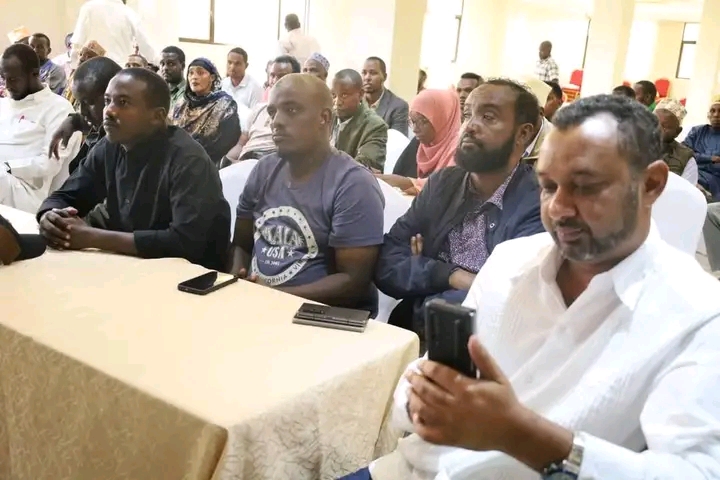
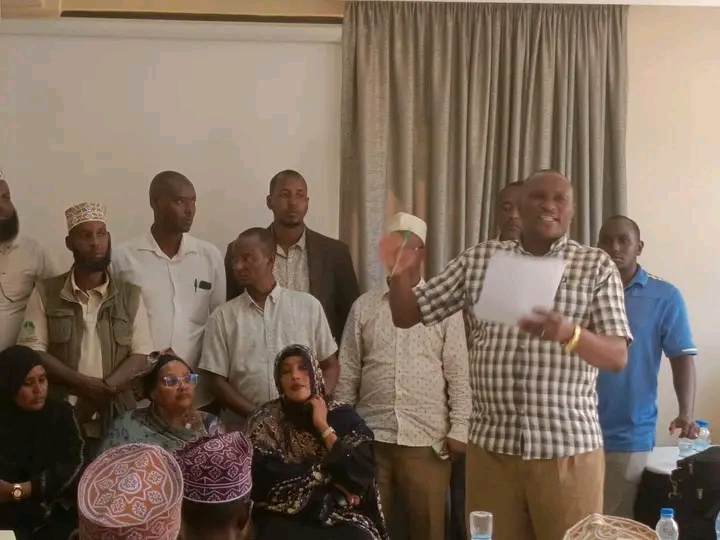
Assistant Commissioner for Cooperatives in Moyale, Meshack Owuor, announced the formation of a cooperative union to coordinate the efforts of over 10,000 artisanal miners.
“The cooperative movement is not only helping us organize the miners but is also the key to ensuring compliance with safety, environmental, and legal standards,” Owuor stated during a recent briefing.
He emphasized that the union will streamline operations, improve access to markets, and provide miners with the tools and training needed to operate responsibly.
To date, 45 of the 59 cooperatives have secured environmental clearances from the National Environment Management Authority (NEMA) and are awaiting mining permits from the Ministry of Mining.
This formalization process ensures that mining activities adhere to strict environmental and safety regulations, mitigating the risks that led to the region’s closure in previous years.
Economic Potential and Job Creation
The revitalization of the Hillo Mining Belt holds immense promise for Marsabit County and Kenya as a whole.
Mining Superintendent Oscar Mwakughu estimated that the belt could generate over Ksh2 billion (approximately $15.5 million USD) annually once fully operational.
This revenue is expected to come from gold extraction, with potential for further growth as other minerals in the region are explored.
In addition to economic output, the initiative is projected to create more than 4,500 direct jobs, with thousands more indirect opportunities in sectors such as transportation, equipment supply, and local commerce.
“This is a game-changer for Marsabit,” Mwakughu said. “Not only will it provide sustainable livelihoods for thousands of families, but it will also contribute significantly to national revenue and help Marsabit play a meaningful role in Kenya’s Vision 2030.”
The formalization of artisanal mining aligns with the government’s BETA, which seeks to empower grassroots communities by fostering inclusive economic growth.
By organizing miners into cooperatives, the government aims to provide access to financing, modern equipment, and training, enabling small-scale miners to compete in global markets while adhering to international standards.
Addressing Past Challenges
The closure of the Hillo Mining Belt was a direct response to the environmental and security issues caused by unregulated mining.
Illegal operations led to deforestation, soil erosion, water contamination, and land degradation, threatening the delicate ecosystem of Marsabit’s arid region.
Additionally, the lack of oversight allowed illegal foreign miners to exploit the region, fueling conflicts with local communities and contributing to insecurity.
The current initiative takes a proactive approach to addressing these challenges. By formalizing cooperatives, the government is establishing clear legal frameworks for mining activities, ensuring that only licensed operators are permitted to participate.
Environmental impact assessments (EIAs) and regular audits are now mandatory, and the cooperatives are required to implement reclamation plans to restore degraded lands.
Security measures have also being strengthened to prevent the return of illegal miners.
The cooperative union will work closely with local authorities to monitor mining sites and ensure compliance with regulations.
“We are our people, and we want to protect their interests while ensuring the region remains safe and sustainable,” Owuor noted.
A Step Toward Sustainable Development
The revival of the Hillo Mining Belt is part of a broader effort to formalize Kenya’s artisanal and small-scale mining (ASM) sector, which employs hundreds of thousands of people across the country.
According to the Ministry of Mining, ASM contributes significantly to Kenya’s mineral output, particularly in gold, gemstones, and construction materials.
However, the sector has long been plagued by informality, leading to lost revenue, environmental damage, and unsafe working conditions.
By establishing cooperatives, providing training, and enforcing regulations, the government hopes to transform ASM into a sustainable driver of economic growth.
For Marsabit residents, the formalization of the Hillo Mining Belt offers a chance for economic empowerment and a renewed sense of hope.
“Before, mining was chaotic, and many of us didn’t benefit,” said Halima Abdi, a member of a local cooperative.
“Now, we’re organized, and we’re learning how to mine responsibly. This could change our lives and our community for the better.”
Looking Ahead
As the Hillo Mining Belt prepares to resume operations, stakeholders are optimistic about its potential to drive economic growth and sustainable development.
The cooperative union is already exploring partnerships with private investors and international markets to enhance the region’s competitiveness.
Additionally, plans are in place to establish a local mineral testing and certification center to ensure that Marsabit’s gold meets global standards.
“This is just the beginning,” Mwakughu said. “With the right support, Marsabit could become a model for artisanal mining in Kenya and beyond.”
As the region embarks on this new chapter, the focus remains on balancing economic growth with environmental stewardship and community empowerment, ensuring that the Hillo Mining Belt’s revival benefits all stakeholders for generations to come.
Share This Post