
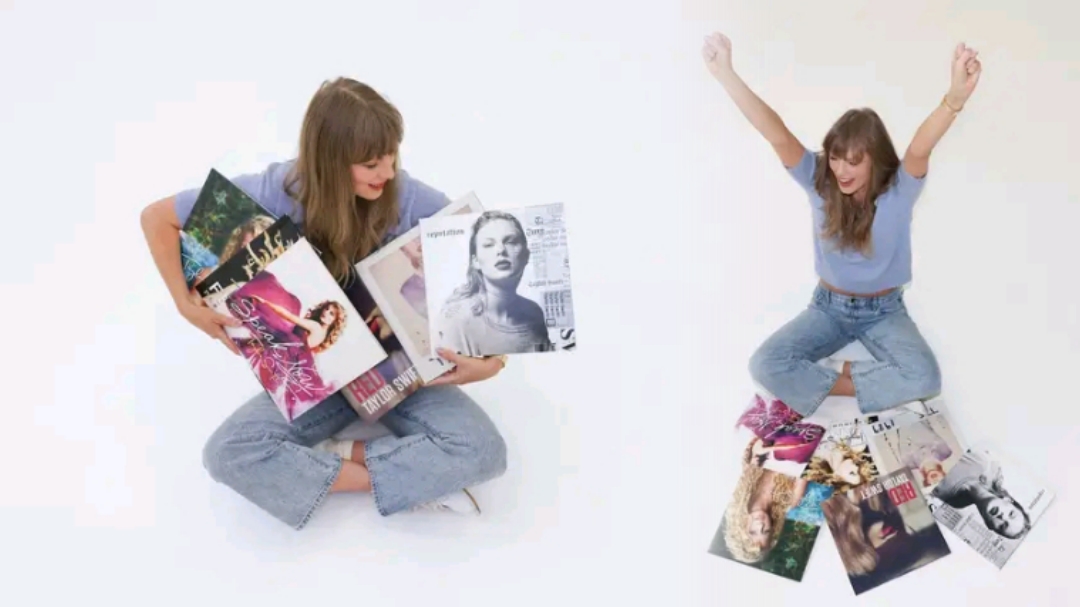

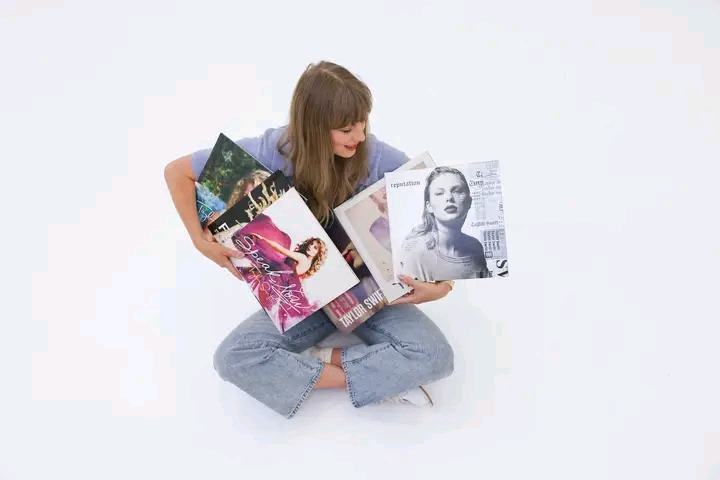
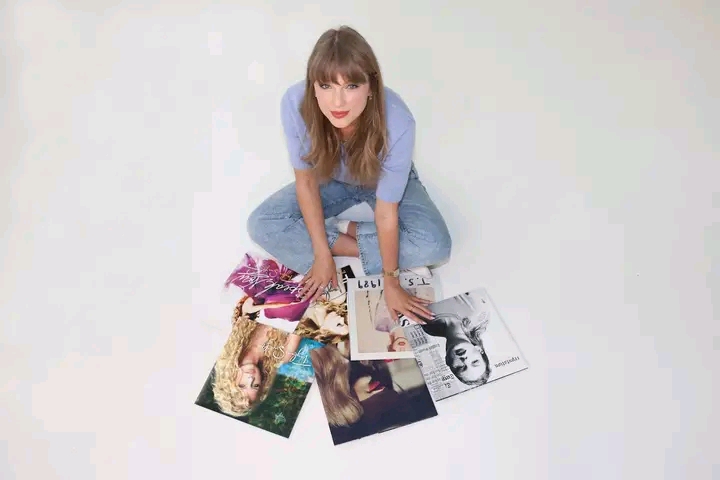
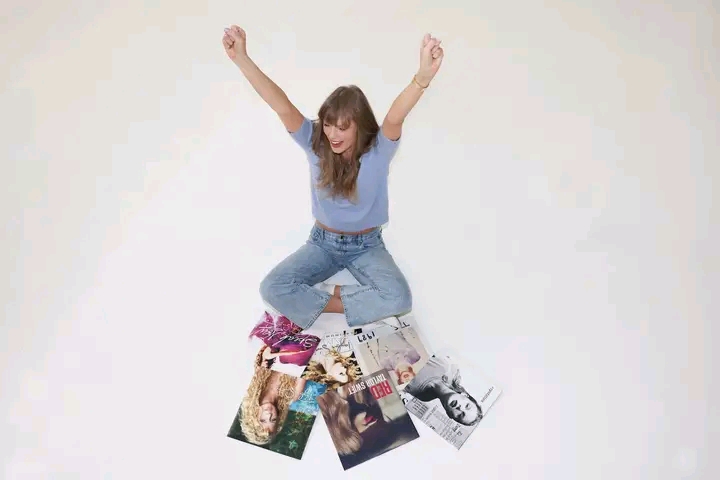
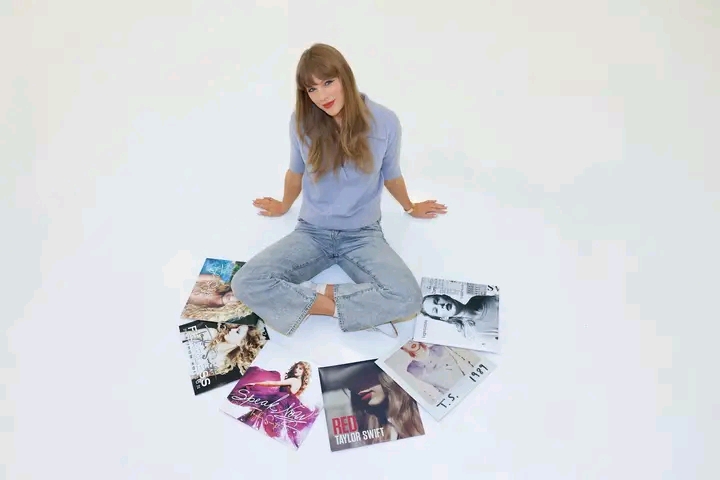
In a monumental moment for artistic control and creative ownership, global superstar Taylor Swift has successfully purchased the master recordings of her first six albums, reclaiming full control over her music catalog.
The announcement, made via an emotional handwritten letter posted on her website on Friday, May 30, 2025, marks the culmination of a years-long journey to regain ownership of her early work after a highly publicized dispute.
Swift’s victory not only reshapes her legacy but also sets a powerful precedent in the music industry for artists seeking autonomy over their creations.
A Journey Rooted in Creative Control
Swift’s quest to own her masters began in 2019 when her former label, Big Machine Records, sold the rights to her first six albums—Taylor Swift (2006), Fearless (2008), Speak Now (2010), Red (2012), 1989 (2014), and Reputation (2017)—to music executive Scooter Braun for a reported $300 million.
The sale, which Swift publicly criticized as happening without her consent or consultation, left her without control over the original recordings of her early career.
In response, Swift embarked on an ambitious project to re-record these albums, releasing them as “Taylor’s Version” to reclaim her work and redirect revenue streams to herself.
The re-recording effort has been a resounding success, with Fearless (Taylor’s Version), Red (Taylor’s Version), Speak Now (Taylor’s Version), and 1989 (Taylor’s Version) topping charts and earning critical acclaim.
These releases not only introduced new generations to Swift’s catalog but also included previously unreleased “Vault Tracks,” offering fans fresh material and insight into her creative process.
However, Swift’s ultimate goal was always to own her original masters, a dream she has now realized through a deal with Shamrock Capital, the investment firm that acquired the masters from Braun in 2020.
The Deal: A Financial and Emotional Triumph
In her heartfelt letter to fans, Swift expressed overwhelming joy at the achievement, writing, “I’ve been bursting into tears of joy at random intervals ever since I found out that this is really happening. I really get to say these words: All of the music I’ve ever made… now belongs… to me.”
While Swift did not disclose the exact financial details, industry insiders estimate the deal’s value to be around $300 million, significantly lower than the $600 million to $1 billion speculated by outlets like the New York Post earlier this month.
The agreement grants Swift full ownership of her master recordings, allowing her to control how her music is used, licensed, and distributed moving forward.
The purchase underscores Swift’s status as one of the music industry’s most powerful figures.
With a net worth exceeding $1 billion, largely driven by her record-breaking Eras Tour, lucrative re-recordings, and savvy business ventures, Swift had the financial clout to secure this deal.
Yet, her statement emphasizes the emotional weight of the moment, highlighting her deep connection to her music and her fans.
“This is a moment of pure celebration,” she wrote, signaling a shift from the “sadness and longing” that fueled her re-recording journey to a place of triumph and gratitude.
Addressing Reputation (Taylor’s Version) and Future Plans
Swift also used her announcement to address speculation surrounding Reputation (Taylor’s Version), the highly anticipated re-recording of her 2017 album. Fans have eagerly awaited its release, particularly after Swift teased “Vault Tracks” from the album.
In her letter, she revealed that she has not yet re-recorded a significant portion of Reputation, explaining, “I haven’t even re-recorded a quarter of it.” However, she confirmed that some vault tracks are ready, hinting at surprises to come.
“They’re waiting to hatch when the time is right,” she wrote playfully, accompanied by her signature snake emoji, a nod to the album’s iconic imagery.
Additionally, Swift shared that she has fully re-recorded her self-titled debut album, Taylor Swift, but is taking a measured approach to its release.
“Both it and Reputation can still have their moments to re-emerge when the time is right,” she noted. “But if it happens, it won’t be from a place of sadness and longing for what I wish I could have. It will just be a celebration now.”
This suggests that while Swift remains committed to her re-recording project, her focus has shifted to celebrating her reclaimed catalog rather than proving a point through re-releases.
A Broader Impact on the Music Industry
Swift’s acquisition of her masters is more than a personal victory—it’s a landmark moment for the music industry.
The loss of her masters in 2019 sparked widespread discussion about artists’ rights, particularly for young musicians signing early-career contracts.
Swift’s public battle and subsequent actions, including her re-recordings and now this purchase, have inspired other artists to prioritize ownership and negotiate stronger deals.
Her transparency with fans, from detailing her struggles to celebrating her wins, has also redefined the artist-fan relationship, fostering a sense of shared triumph.
Industry experts see Swift’s move as a game-changer. “Taylor has not only rewritten her own narrative but also set a blueprint for artists to take control of their work,” says music business analyst Jane Carter.
“Her financial success gave her leverage, but her strategic re-recordings created the pressure needed to make this deal possible.”
The re-recordings diminished the commercial value of the original masters, as fans and streaming platforms gravitated toward the “Taylor’s Version” releases, likely incentivizing Shamrock Capital to negotiate.
What’s Next for Taylor Swift?
With her masters secured, Swift’s creative and business opportunities are boundless. Owning her catalog grants her unprecedented control over licensing for films, commercials, and other media, potentially unlocking new revenue streams.
Fans are also buzzing about the possibility of new music, with Swift hinting at future projects in her letter.
Her mention of “celebration” suggests that upcoming releases, whether re-recordings or original work, will reflect her newfound freedom and joy.
Swift’s Eras Tour, which concluded in 2024, solidified her as a cultural and economic force, grossing over $1 billion and boosting local economies worldwide.
Her ability to balance massive commercial success with artistic integrity has cemented her as a role model for aspiring musicians.
As she moves forward, Swift’s focus on ownership and authenticity will likely continue to shape her legacy and influence the industry.
A Legacy Reclaimed
Taylor Swift’s purchase of her master recordings is a testament to her resilience, business acumen, and unwavering commitment to her art.
From the heartbreak of losing her masters to the triumph of reclaiming them, Swift has turned a personal setback into a universal victory for artists’ rights.
Her emotional letter to fans, filled with gratitude and optimism, underscores the significance of this moment—not just for her, but for the millions who have supported her journey.
As Swift herself put it, “All of the music I’ve ever made… now belongs… to me.” For an artist who has built her career on storytelling, this chapter may be her most powerful yet—a story of reclaiming her voice, her work, and her legacy on her own terms.
Share This Post