
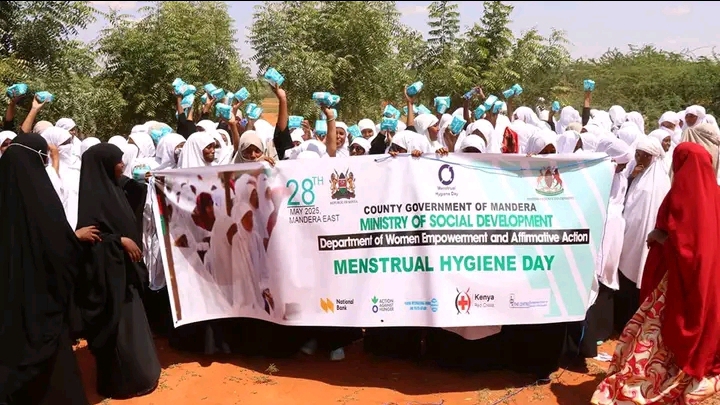

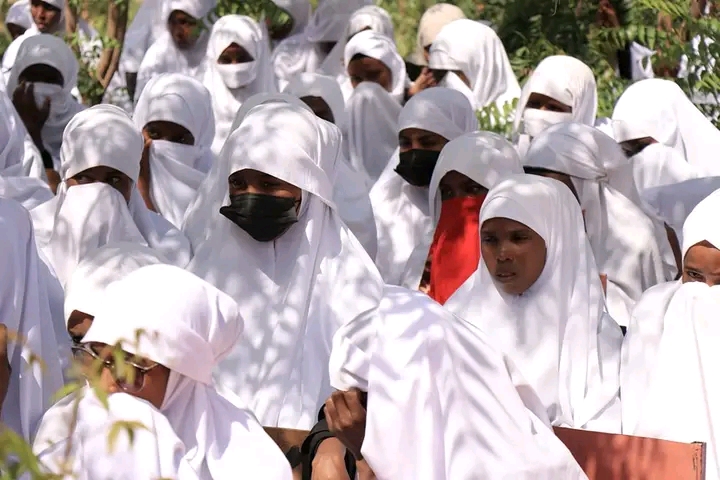
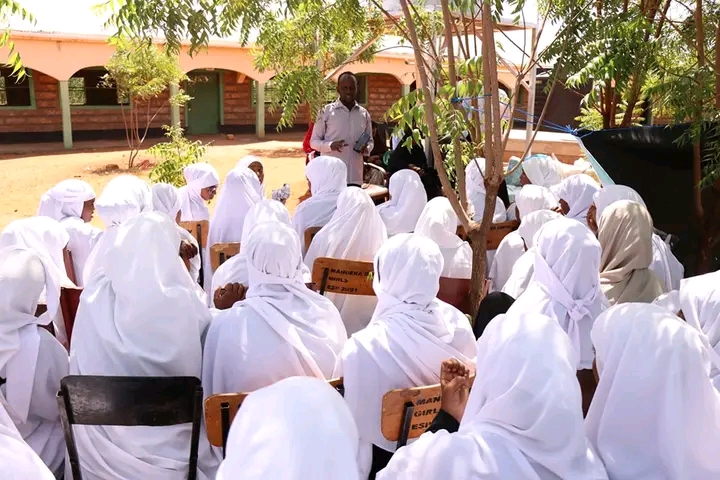
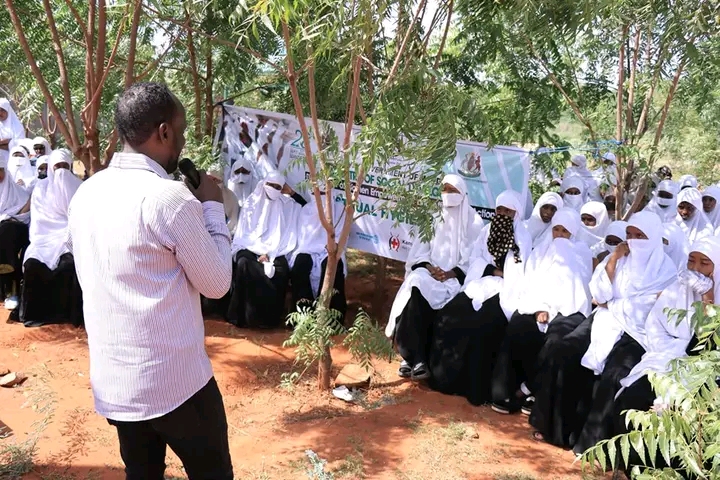
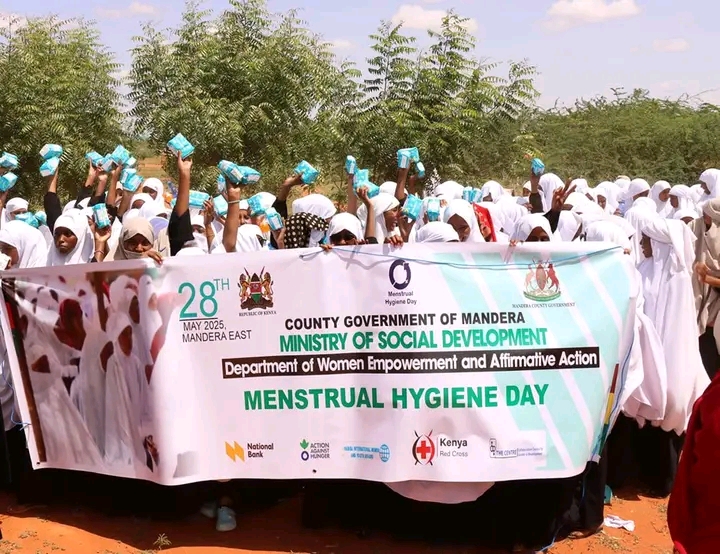
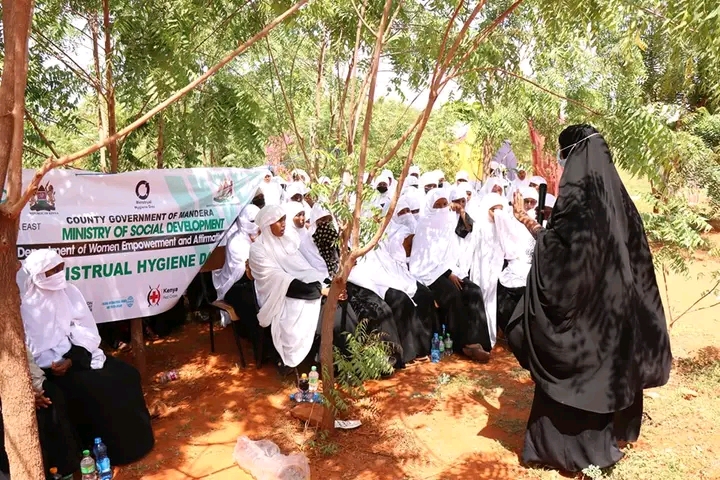
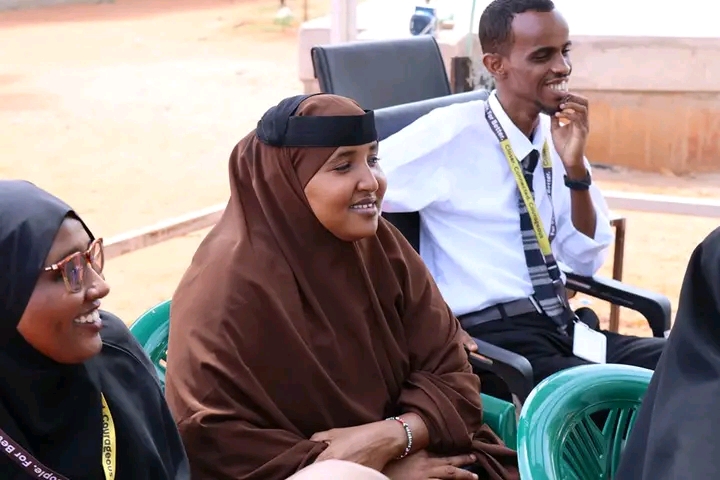
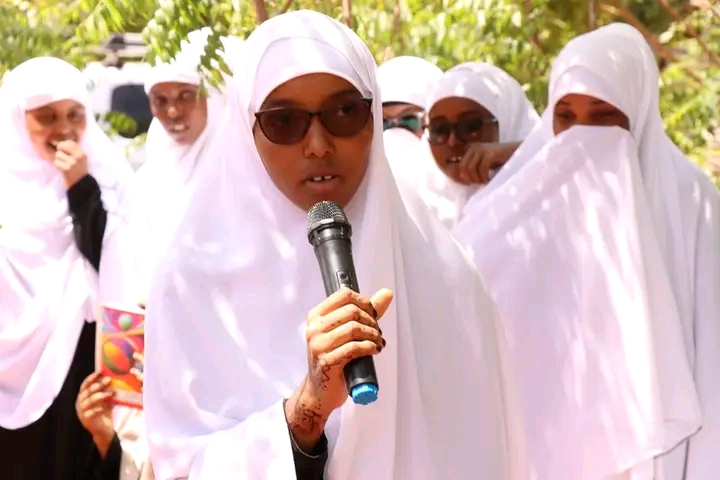
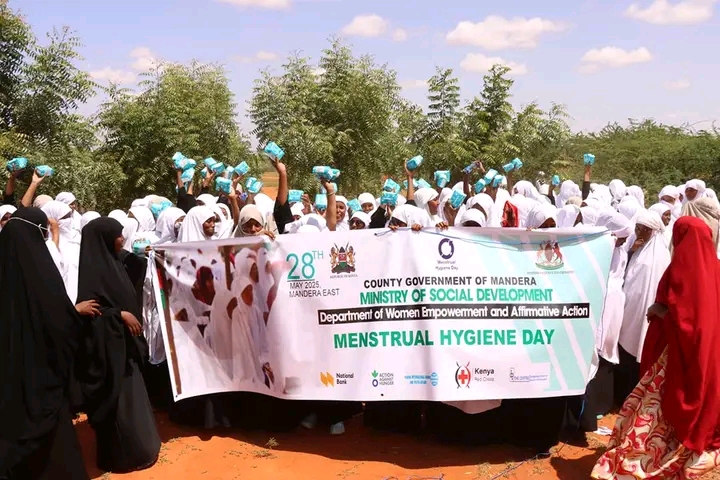
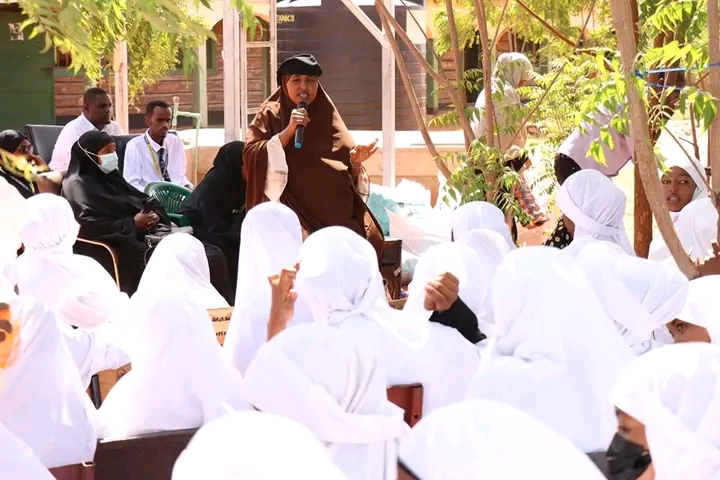
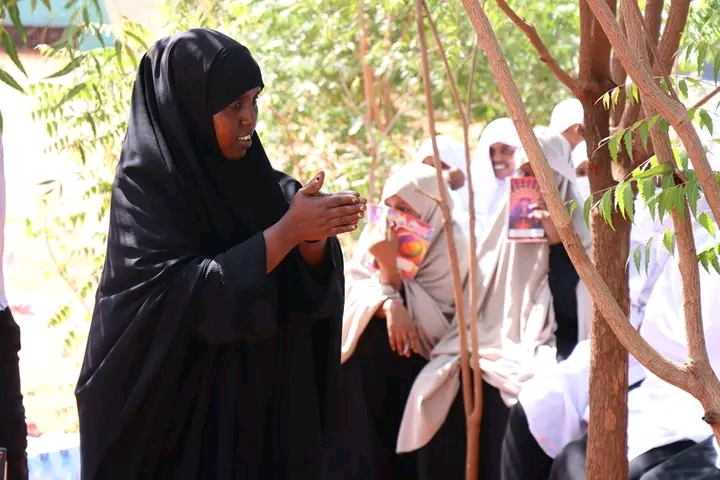
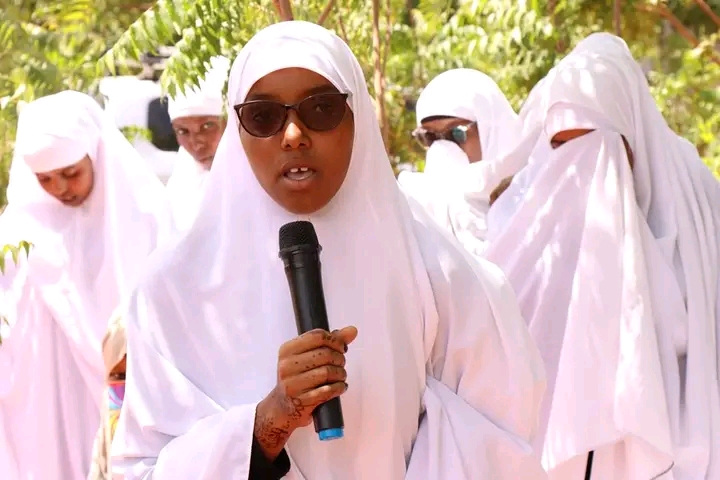
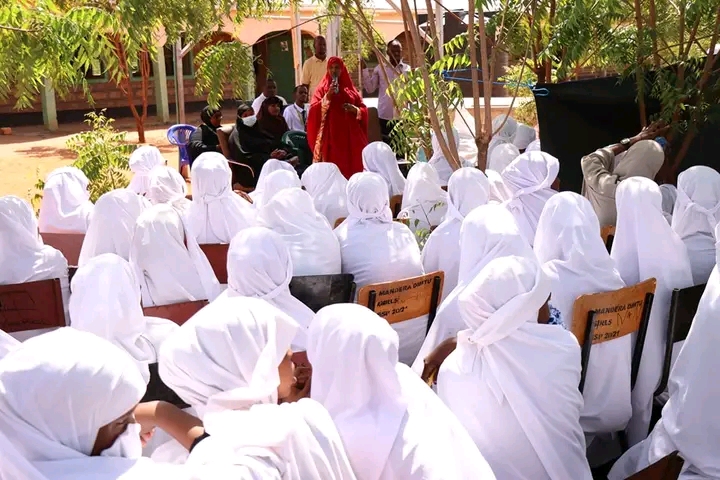
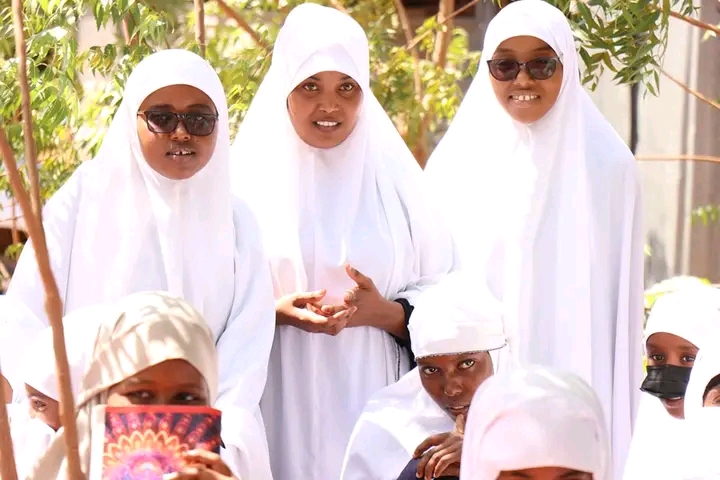
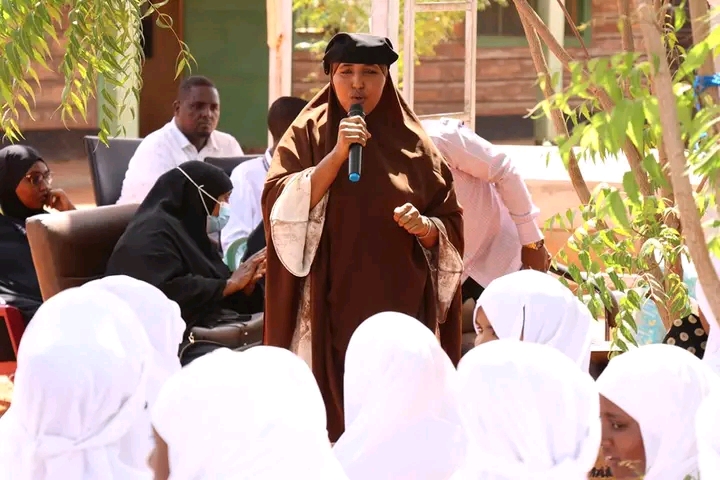
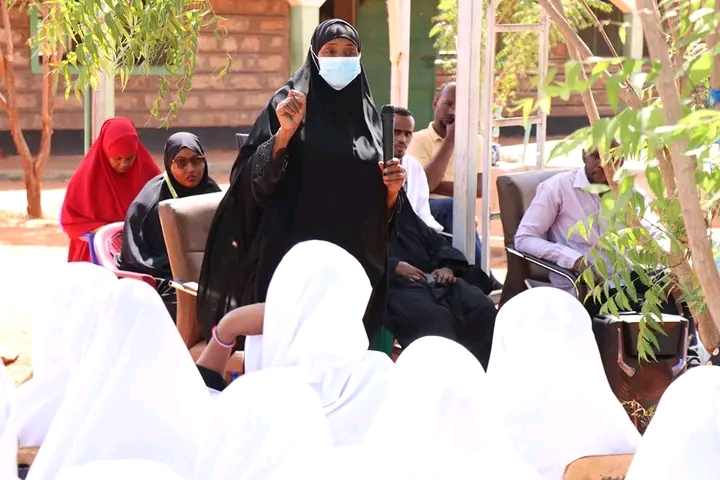
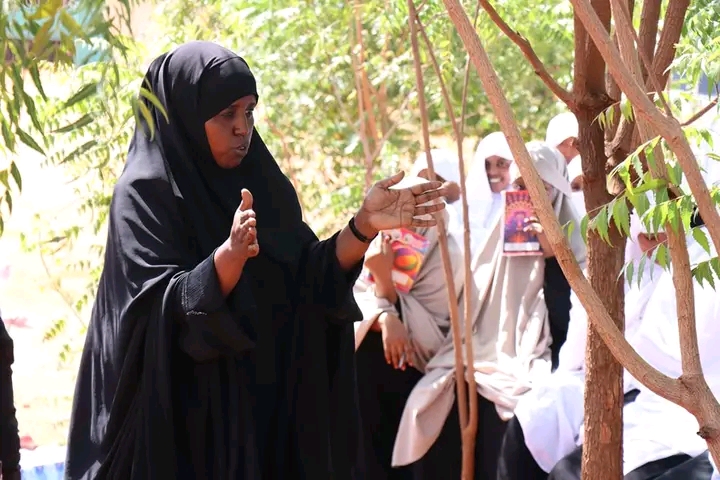
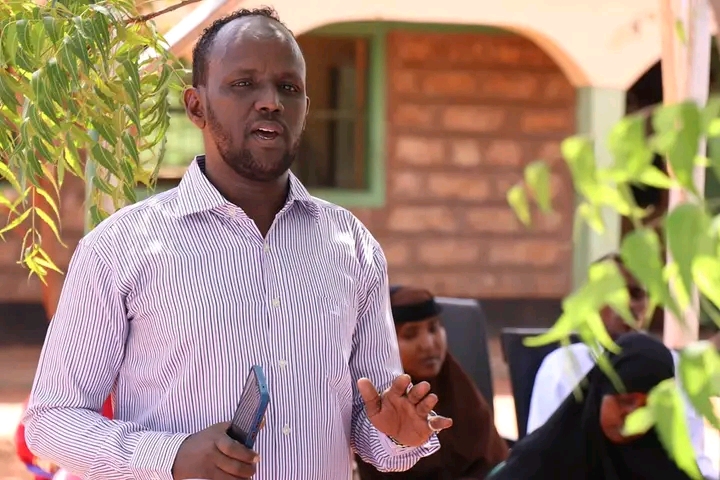
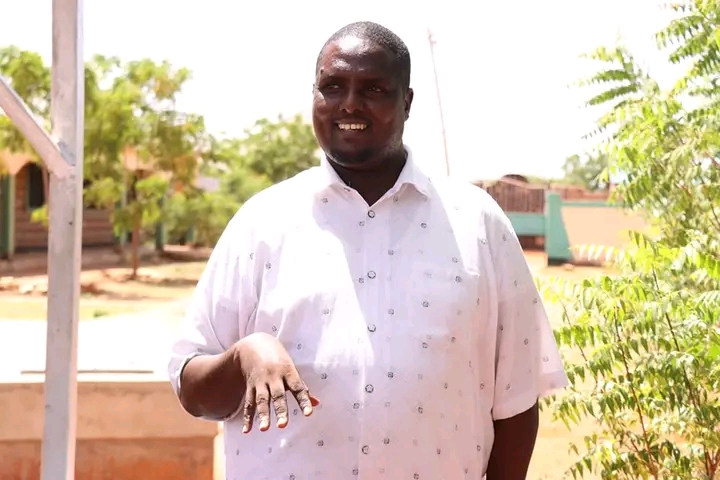
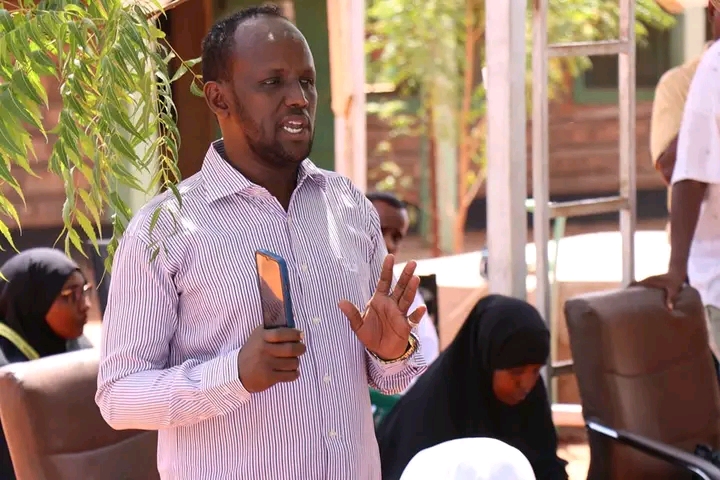
In a vibrant and impactful initiative, Mandera County’s Department of Women Empowerment and Affirmative Action, under the Ministry of Social Development, joined forces with the National Bank of Kenya, the Ministry of Health Services, and other key stakeholders to host a transformative mentorship program at Mandera Dimtu Girls’ Secondary School.
The event, held in commemoration of Menstrual Hygiene Day, embraced the global theme “Together for a Period-Friendly World,” aiming to break taboos, foster education, and empower young girls with knowledge and resources to manage their menstrual health confidently.
A Unified Effort for Menstrual Health and Empowerment
The mentorship program brought together a diverse group of stakeholders united in their commitment to improving menstrual hygiene and addressing related social challenges among adolescent girls in Mandera County.
The event was a collaborative effort, with contributions from the Ministry of Health Services, the National Bank of Kenya, and the county’s departments of youth, sports, and education.
This multi-sectoral partnership underscored the importance of collective action in creating a supportive environment for young women to thrive.
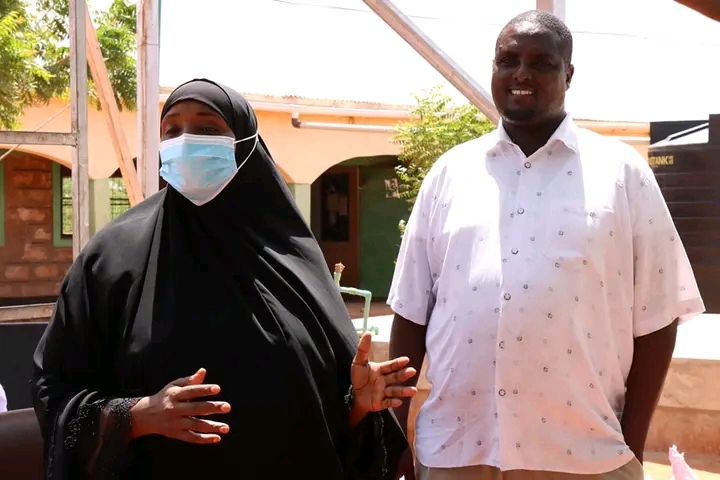
Presiding over the event was Mr. Ibrahim Billow, the Acting Director of Women Empowerment and Affirmative Action. His leadership set the tone for a day filled with meaningful dialogue, practical education, and tangible support for the students.
Accompanied by representatives from the partnering organizations, Mr. Billow emphasized the county’s dedication to empowering young girls through education, access to resources, and the dismantling of societal stigmas surrounding menstruation.
Breaking the Silence: Insightful Discussions on Menstrual Hygiene
The program featured in-depth discussions designed to educate the students of Dimtu Girls’ Secondary School on critical topics related to menstrual health.
Facilitators from the Ministry of Health Services provided expert guidance on maintaining proper menstrual hygiene, addressing common myths, and promoting practices that ensure physical and emotional well-being during menstruation.
These sessions were tailored to resonate with the young audience, fostering an open and safe space for questions and dialogue.
Beyond menstrual hygiene, the event tackled the pressing issue of early pregnancies, a significant challenge in many communities across Kenya.
Experts highlighted the importance of reproductive health education, decision-making skills, and access to support systems to help girls avoid unintended pregnancies and stay focused on their education and personal growth.
By addressing these interconnected issues, the program aimed to equip the students with the knowledge and confidence to navigate adolescence with dignity and agency.
Empowering Through Action: Dignity Kits and Hygiene Materials
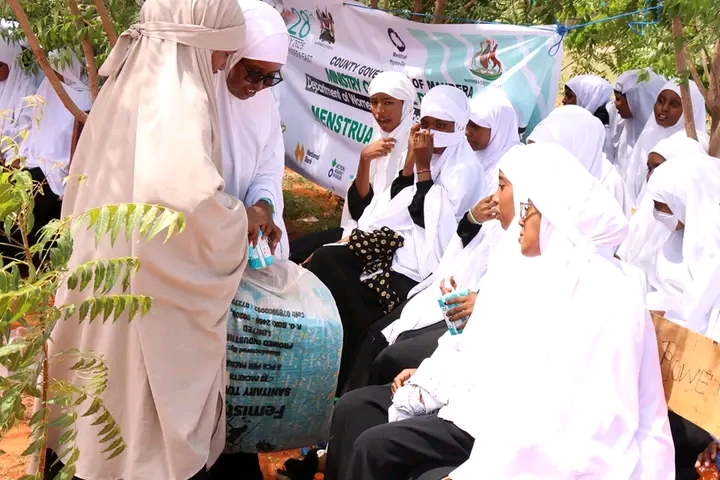
A highlight of the event was the distribution of gift packages containing dignity kits and essential hygiene materials to the students. These kits, carefully curated to meet the girls’ needs, included items such as sanitary pads, soap, and other personal care products.
The provision of these resources was a practical step toward ensuring that no girl misses school or feels marginalized due to a lack of access to menstrual hygiene products—a common barrier in many underserved communities.
The initiative not only addressed immediate needs but also sent a powerful message about the importance of dignity and self-care.
For many of the students, receiving these kits was a moment of empowerment, reinforcing their right to health, education, and a stigma-free environment.
A Broader Vision for a Period-Friendly World
The event at Dimtu Girls’ Secondary School aligns with the global objectives of Menstrual Hygiene Day, observed annually on May 28 to raise awareness about the importance of good menstrual hygiene management.
The theme “Together for a Period-Friendly World” emphasizes collaboration across sectors and communities to create systems and policies that support women and girls.
In Mandera County, this vision was brought to life through the partnership between government agencies, financial institutions, and educational stakeholders.
Mandera County’s efforts reflect a growing recognition of the need to address menstrual health as a public health and human rights issue.
Limited access to sanitary products, inadequate sanitation facilities, and cultural stigmas can prevent girls from fully participating in education and community life. By hosting such programs, the county is taking proactive steps to bridge these gaps and promote gender equity.
Voices of Leadership and Commitment
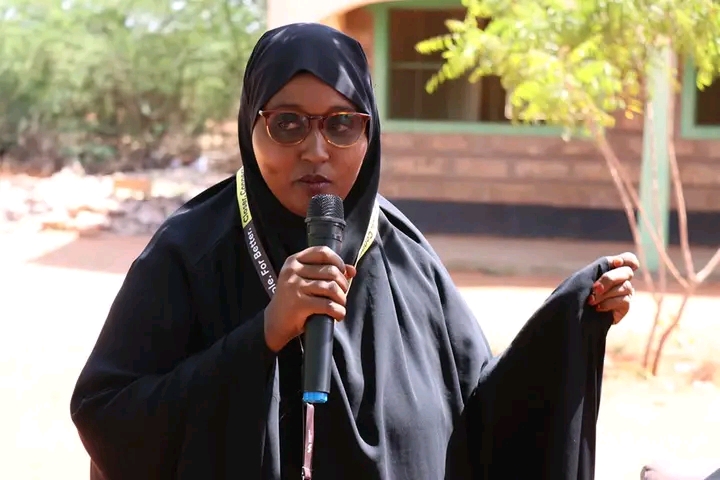
Mr. Ibrahim Billow, in his address to the students, reiterated the county’s commitment to fostering an environment where girls can pursue their dreams without the constraints of societal or economic barriers.
“Empowering our young women is not just about providing resources; it’s about giving them the knowledge and confidence to shape their futures,” he stated.
His words were echoed by representatives from the National Bank of Kenya, who emphasized their organization’s role in supporting community-driven initiatives that uplift vulnerable populations.
Health officials also highlighted the long-term benefits of such programs, noting that educated and empowered girls are more likely to contribute positively to their communities and break cycles of poverty and inequality.
The involvement of the education and youth departments further reinforced the holistic approach, ensuring that the program’s impact extends beyond the school walls.
A Step Toward a Brighter Future
The mentorship program at Mandera Dimtu Girls’ Secondary School is a testament to the power of collaboration in addressing critical social issues.
By combining education, resource distribution, and community engagement, Mandera County is setting a precedent for how local governments can champion menstrual health and gender empowerment.
The event not only provided immediate support to the students but also planted seeds for long-term change by challenging stigmas and fostering a culture of openness and support.
As Kenya and in particular Mandera County, continues to make strides in improving menstrual hygiene management and reproductive health education, initiatives like this one serve as a model for other counties and regions.
The success of the program underscores the importance of sustained investment in girls’ education, health, and well-being—key pillars for building a more equitable and inclusive society.
Share This Post