
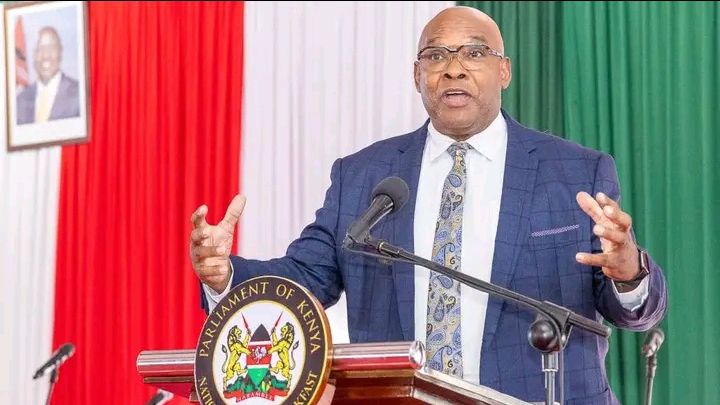

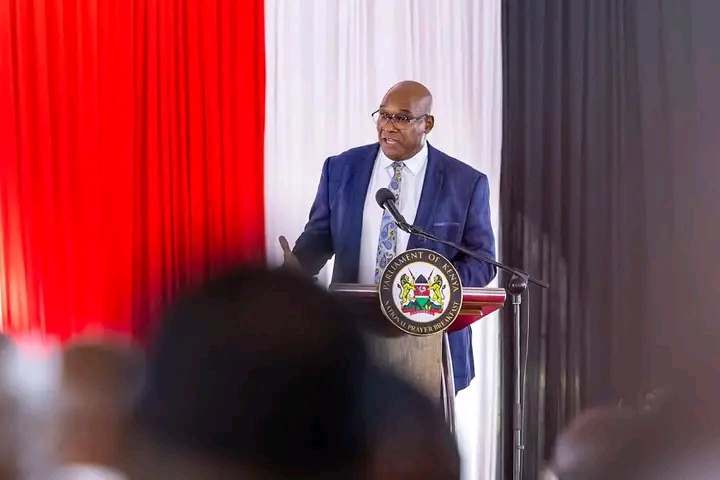
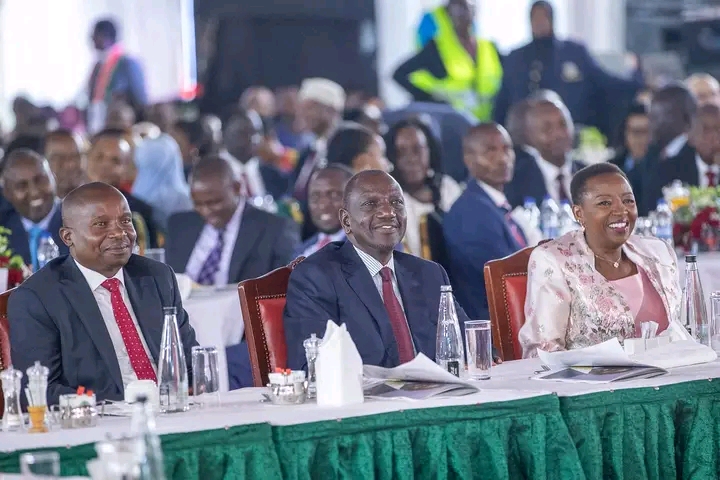
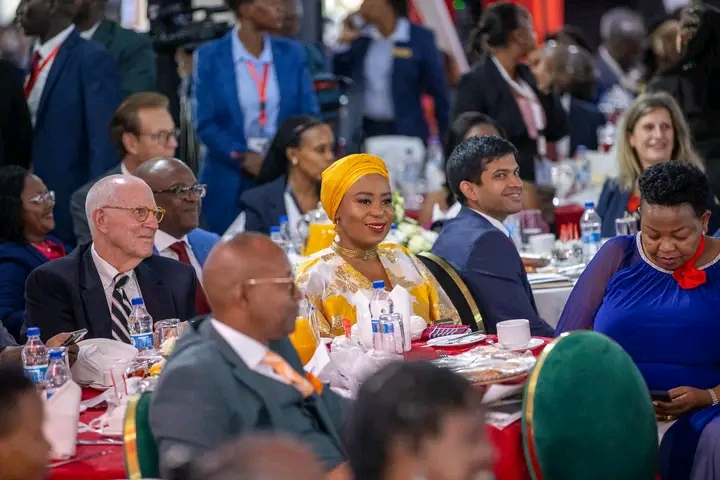
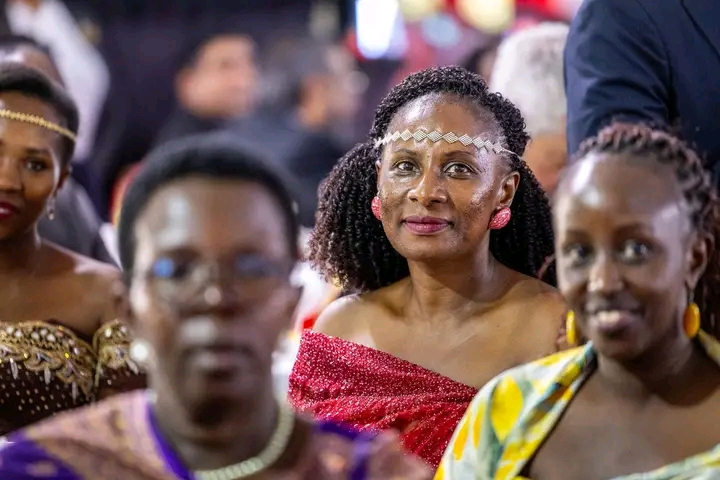
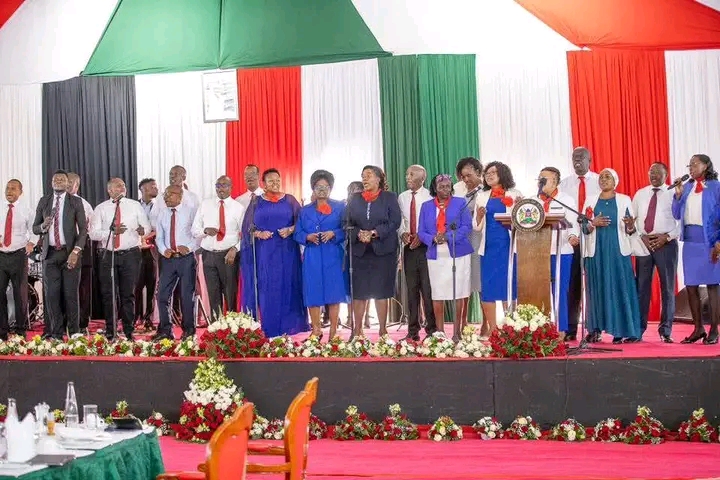
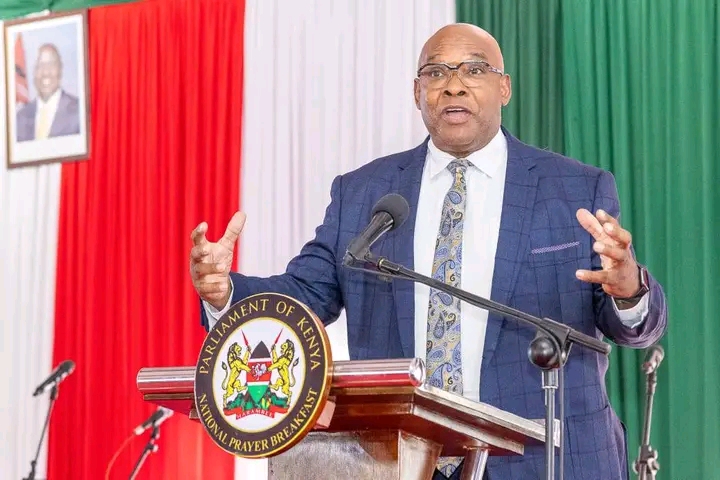
Nairobi, Kenya| At the 22nd National Prayer Breakfast held at the Safari Park Hotel in Nairobi, former NFL star turned pastor Rickey Allen Bolden delivered a powerful and heartfelt keynote address, calling on Kenyan leaders to mend ties with Generation Z (Gen Z) following the government’s response to the 2024 Finance Bill protests.
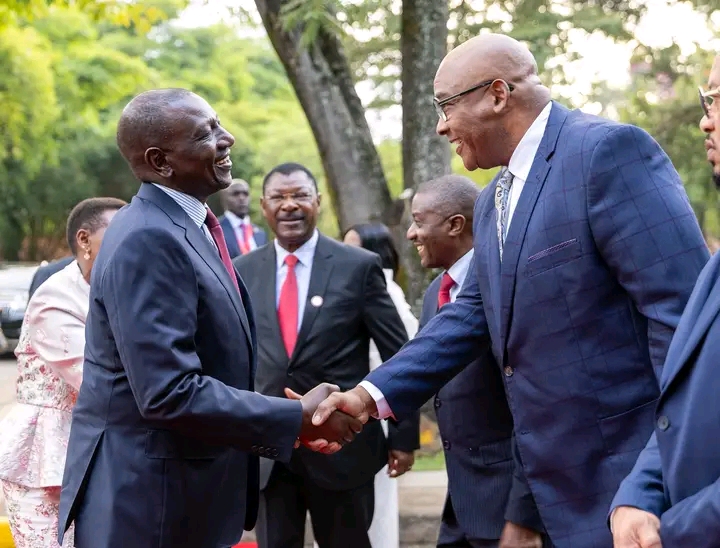
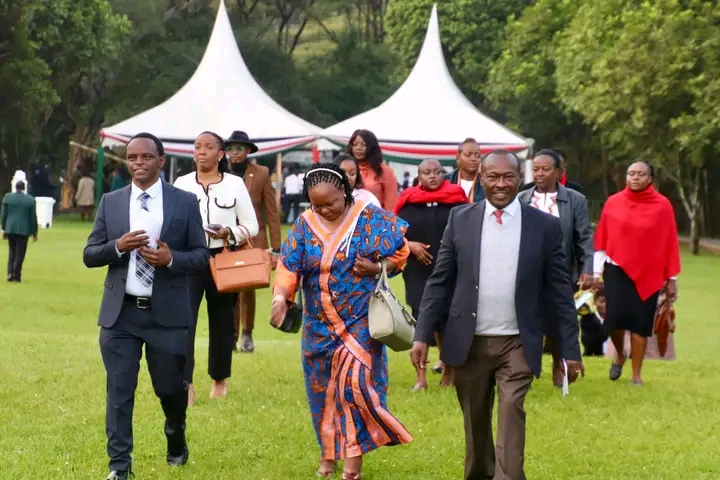
Speaking under the theme “Rise and Rebuild,” Bolden’s speech resonated deeply with an audience that included President Dr. William Ruto, Deputy President Prof. Kithure Kindiki, and other senior government officials, parliamentarians, diplomats, and religious leaders.
His message centered on the urgent need for intergenerational reconciliation, respect for the youth, and inclusive governance to shape a united and prosperous Kenya.
A Call for Apology and Inclusion
Pastor Bolden, a renowned American motivational speaker and former professional football player, addressed the emotional and civic disconnect between Kenya’s leadership and its younger generation.
Reflecting on the 2024 Finance Bill protests, which saw widespread youth-led demonstrations met with arrests and temporary internet shutdowns, Bolden urged the government to acknowledge any missteps and extend a formal apology to Gen Z.
“It would mean a lot if our leaders could stand and say: ‘We are sorry for how we responded. We recognize your concerns, and we want to work together moving forward,’” Bolden said, his words met with resounding applause from the audience.
He emphasized that young Kenyans, particularly Gen Z, are not just the future but active contributors to the nation’s present, deserving of respect and inclusion in decision-making processes.
“They are seeking love, respect, and inclusion. They want to feel that their voices matter,” he added, highlighting the growing civic engagement of Kenyan youth, who have increasingly turned to digital platforms to amplify their concerns.
Bolden stressed that Gen Z’s activism reflects a desire for meaningful dialogue rather than rebellion, urging leaders to treat them as mature stakeholders in society.
Drawing from Personal Experience
To illustrate his point, Bolden shared personal anecdotes from his life as a father and former athlete. He described how he treats his grown children—a doctor, a financial advisor, and a therapist—as equals, consulting them on major life decisions.
“They’re going to college, building careers, starting families—they are no longer children. They deserve to be treated with dignity,” he said, drawing a parallel to Kenya’s youth.
Bolden also recounted a pivotal moment from his NFL career under coach Marty Schottenheimer, who treated him as an equal despite his rookie status.
This experience, he said, taught him the value of recognizing individuals’ potential, a lesson he believes Kenyan leaders can apply to their relationship with Gen Z. “When you respect young people as adults, they rise to the occasion,” he noted.
Government Response: A Step Toward Reconciliation
Bolden’s message appeared to strike a chord with Kenya’s leadership. Deputy President Kithure Kindiki, responding to the pastor’s remarks, acknowledged the need for older generations to reflect on their actions and foster mutual respect with the youth.
“We must foster intergenerational relationships. While we listen to our youth and own up to past mistakes, we also encourage them to respect authority and value the wisdom that comes with age,” Kindiki said.
He underscored the importance of building bridges across generations to ensure a peaceful and cohesive society.
President William Ruto, who listened attentively throughout the address, offered a brief but poignant response. “To our children, if there was any misstep, we apologise,” he said, signaling a willingness to engage with the youth and address their grievances.
The president’s remarks, though concise, were seen as a significant gesture toward reconciliation, particularly in the wake of the 2024 protests that exposed deep frustrations among young Kenyans.
The Broader Context: Gen Z’s Rising Influence
Bolden’s speech comes at a time when Kenya’s Gen Z is asserting itself as a formidable force in civic and political spheres.
The 2024 Finance Bill protests, driven largely by young people, highlighted their ability to mobilize through social media and demand accountability from their leaders.
Issues such as economic inequality, unemployment, and perceived government overreach fueled the demonstrations, which were met with a heavy-handed response, including arrests and internet restrictions.
These events have underscored the growing divide between Kenya’s leadership and its youth, who make up a significant portion of the population.
According to recent data, over 60% of Kenya’s population is under the age of 35, making the inclusion of young voices in governance not just desirable but essential for sustainable development.
A Message of Unity and Faith
Beyond his focus on intergenerational reconciliation, Bolden’s address emphasized the broader theme of unity and spiritual renewal.
Drawing on his experiences in American politics, he shared a story of being challenged for speaking positively about someone from a different political party.
“I’m not one of them. I’m one of His. My politics never drives my faith. My faith must always drive my politics,” he said, urging leaders to prioritize love and unity over partisan divides.
“The people will know that you’re my disciples by your love for one another,” he added, quoting scripture to reinforce his message. Bolden also highlighted the importance of strong local relationships as a foundation for global partnerships.
“The relationships in the diaspora help fund the project in Jerusalem,” he said, referring to the role of international collaboration in national development.
However, he cautioned, “One of the tragedies could always be that you have relationships to the diaspora, but you don’t have relationships here at home.”
The National Prayer Breakfast: A Platform for Reflection
The 22nd National Prayer Breakfast, co-hosted by the Parliament of Kenya and attended by high-profile figures such as National Assembly Speaker Dr. Moses Masika Wetang’ula and Senate Speaker Amason Jeffah Kingi, provided a fitting backdrop for Bolden’s message.
The annual event, a gathering of national leaders, religious figures, and international guests, is designed to foster reflection, unity, and spiritual renewal.
This year’s theme, “Rise and Rebuild,” aligned closely with Bolden’s call for healing and collaboration across generations, political divides, and global boundaries.
A Vision for Kenya’s Future
In his closing remarks, Pastor Bolden encouraged Kenyans to seek divine guidance in their efforts to transform the nation.
“When you have the hand of the King of kings on your lives, your lives will be blessed, and Kenya will never be the same,” he said, inspiring hope for a united and prosperous future.
As Kenya navigates the challenges of governance, economic development, and social cohesion, Bolden’s message serves as a timely reminder of the power of inclusion, respect, and reconciliation.
By bridging the gap between generations and fostering meaningful dialogue, Kenya’s leaders have an opportunity to harness the energy and creativity of Gen Z to build a stronger, more equitable nation.
Share This Post