
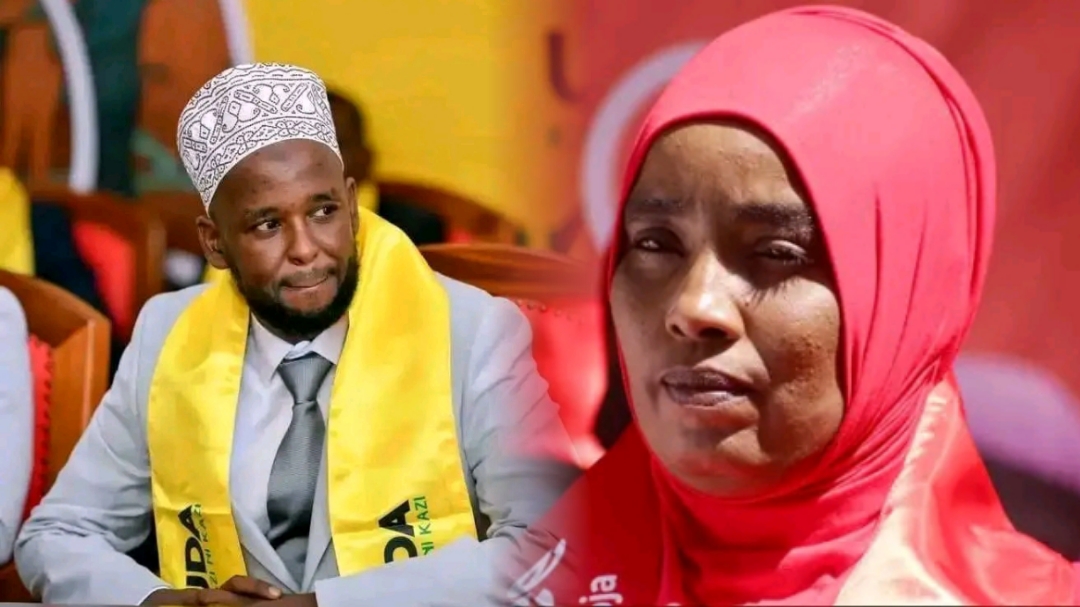

In the heart of Kenya’s arid landscapes, where political ambitions often intertwine with deep-rooted family bonds, the recent Isiolo South by-election has unfolded as a compelling saga of competition, legacy, and potential healing.
Tubi Mohamed Tubi, representing the United Democratic Alliance (UDA), emerged victorious in a landslide win on February 26, 2026, securing the parliamentary seat with an overwhelming 7,352 votes.
This triumph not only solidified UDA’s dominance in the region but also spotlighted a unique familial dynamic, as Tubi defeated his elder sister, Bina Tubi, who ran on the Jubilee Party ticket and garnered 634 votes.
Amid the celebrations, Tubi’s immediate pivot toward reconciliation has captured national imagination, hinting at a mending of ties strained by electoral rivalry.
The by-election, triggered by the untimely death of their father, the late former MP Mohamed Tubi, transformed a personal loss into a public spectacle.
Isiolo South, a constituency known for its pastoralist communities and strategic location in Kenya’s northern frontier, had been left without representation, prompting the Independent Electoral and Boundaries Commission (IEBC) to call for the polls.
What began as a standard political exercise quickly evolved into a headline-grabbing contest, drawing attention from across the country due to the sibling showdown.
Tubi Mohamed, a 36-year-old political newcomer with strong grassroots support, positioned himself as a continuation of his father’s developmental agenda, emphasizing infrastructure improvements, water access, and security enhancements in a region plagued by resource conflicts.

His sister Bina, equally committed to the family’s legacy, advocated for similar issues but under the Jubilee banner, highlighting education and women’s empowerment as key priorities.
The third candidate, Isaac Fayo of the National Economic Development Party, who withdrew from the race midway, still received 44 votes, underscoring the electorate’s fragmented yet decisive preferences.
The Electoral Dynamics and UDA’s Sweeping Momentum
This victory in Isiolo South was part of a broader clean sweep by UDA in multiple by-elections held on the same day, reflecting the party’s growing influence under President William Ruto’s administration.
Provisional results showed Tubi taking an early lead, with tallies climbing steadily as votes from remote polling stations trickled in.
By the time IEBC officials unsealed the final ballot boxes, the margin was unmistakable, a testament to effective campaigning that leveraged digital outreach, community rallies, and endorsements from national UDA figures.
Analysts point to several factors fueling this outcome: UDA’s robust mobilization machinery, which outpaced Jubilee’s efforts in a constituency where voter turnout hovered around 60 percent, and a shifting political landscape where loyalty to ruling coalitions often trumps individual candidacies.
In Isiolo South, where ethnic and clan affiliations play a pivotal role, Tubi’s alignment with UDA resonated with voters seeking stability and government-backed projects, while Bina’s Jubilee affiliation may have been hampered by the party’s waning national clout post-2022 elections.
Beyond the numbers, the contest illuminated the intricacies of Kenyan politics, where family names carry significant weight.
The late Mohamed Tubi had served the constituency with distinction, fostering a legacy of unity among diverse communities including Borana, Somali, and Meru groups.
His children stepping into the fray evoked both nostalgia and tension, with campaigns occasionally veering into personal territory.
Reports from local observers noted heated debates at public forums, where supporters clashed over who best embodied their father’s vision.
Yet, the election remained largely peaceful, a credit to enhanced IEBC security measures and community leaders’ calls for civility.
This restraint prevented the sibling rivalry from escalating into broader communal discord, a risk in a region with historical sensitivities.
From Rivals to Allies: Tubi’s Gesture of Reconciliation
As the IEBC returning officer officially declared Tubi Mohamed the winner, handing him the certificate amid cheers from supporters, the new MP’s thoughts turned swiftly from conquest to kinship.
She is my sister. We shall work out something. Sibling rivalry is normal, he stated in a post-election interview, his words echoing a profound acknowledgment of the human element in politics.
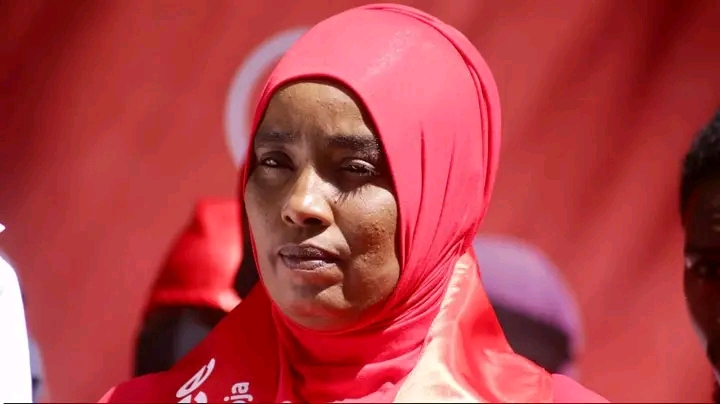
Tubi elaborated on his intent to extend an olive branch in the coming days, suggesting collaborative efforts on constituency projects that could bridge their political divides.
This olive branch, symbolic of peace and renewal, comes at a time when the family is still grieving their father’s passing, adding emotional depth to the gesture.
Residents of Isiolo South have largely welcomed this development, viewing it as a step toward collective progress.
Local elders, who often mediate disputes in pastoralist societies, expressed optimism that the siblings could channel their shared heritage into unified advocacy for the area.
One community leader remarked that such reconciliation could set a precedent for other politically divided families in Kenya, where intra-family contests are not uncommon but rarely end with public overtures of harmony.
Political commentators agree, noting that Tubi’s approach demonstrates maturity and could enhance his legislative effectiveness by fostering cross-party dialogue on issues like drought mitigation and youth employment.
Analyzing the Broader Political and Social Ramifications
Delving deeper, this by-election offers valuable insights into the evolving nature of Kenyan democracy.
The overwhelming UDA victory reinforces the party’s stronghold in northern Kenya, a region pivotal for national security and economic corridors like the LAPSSET project.
It also underscores the challenges faced by opposition parties like Jubilee, which must reinvent themselves to regain relevance amid shifting voter allegiances.
From an analytical standpoint, the sibling dynamic adds a layer of intrigue, highlighting how personal relationships can influence electoral outcomes.
In a nation where politics is often familial, cases like this prompt discussions on gender roles, with Bina’s participation challenging traditional norms in a male-dominated arena, even if her defeat raises questions about barriers for women candidates.
Moreover, the event prompts reflection on reconciliation in polarized societies. Tubi’s pledge could inspire similar efforts nationwide, especially in constituencies scarred by electoral violence.
As Kenya gears up for future polls, this story serves as a reminder that politics, at its core, is about people and their connections.
With Tubi now sworn in, eyes will be on whether this olive branch bears fruit, potentially transforming a tale of rivalry into one of enduring family solidarity and communal advancement.
In the end, the Isiolo South by-election transcends mere vote counts, embodying the resilience of family bonds against the backdrop of ambition.
As Tubi steps into his role, his commitment to reconciliation may well define not just his tenure, but the constituency’s path forward.
Share This Post