
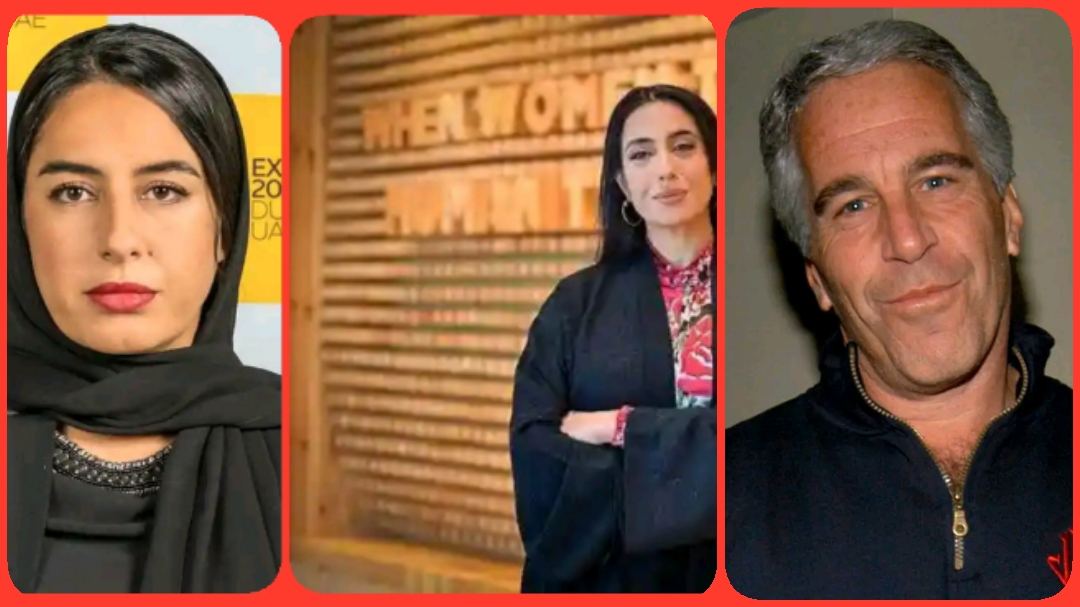

In a stunning revelation from the recently unsealed Jeffrey Epstein files by the US Department of Justice, Emirati diplomat Hind Al-Owais emerges as a figure entangled in a web of correspondence with the convicted sex offender.
These documents, spanning hundreds of emails exchanged between 2011 and 2012, paint a troubling picture of personal meetings, introductions involving young women, and references to Al-Owais’s younger sister—described in one message as “even prettier than me.”
As the current Director of the UAE’s Permanent Committee for Human Rights, Al-Owais’s alleged proximity to Epstein raises profound questions about accountability, elite networks, and the stark contradictions in global human rights advocacy.
Jeffrey Epstein, the financier whose name became synonymous with exploitation and influence-peddling, built an empire that ensnared politicians, celebrities, and business magnates.
Convicted in 2008 for procuring a minor for prostitution, Epstein continued to operate in elite circles until his arrest in 2019 and subsequent death in custody.
The latest batch of files, released amid ongoing scrutiny of his associates, includes approximately 469 emails involving Al-Owais, highlighting her repeated interactions with him during a period when she was ascending in diplomatic ranks.
These communications, often casual yet suggestive, detail arrangements for social encounters and travel, fueling speculation about the nature of their relationship.
Hind Al-Owais: A Champion of Rights with a Shadowed Past
Al-Owais’s professional trajectory is one of prominence in international diplomacy. Appointed in 2015 as a Senior Adviser to the UAE President’s Office at the United Nations, she later served as Counsellor at the UAE’s Permanent Mission to the UN before assuming her current role overseeing the coordination and implementation of the UAE’s human rights strategies on the global stage.
She has positioned herself as an advocate for women’s empowerment, speaking at conferences and pushing for gender equality initiatives.
Yet, the Epstein files cast a long shadow over this image, revealing a side that appears at odds with her public persona.
The emails begin in October 2011, predating her UN appointment by several years, and continue through May 2012.
They document Epstein’s calendar entries for personal meetings with Al-Owais and her sister, including a January 28, 2012, notation for time with both.
In one exchange, Al-Owais expresses excitement about introducing her sister to Epstein, writing, “My sister is here and I have told her so much about you I want her to meet you let me know when!”
Epstein responds by suggesting lunch, prompting Al-Owais to reply, “I am so excited to see you and introduce you to my sister—she is even prettier than me!”
Another message from January 2012 adds an eerie layer: “Preparing one girl is hard enough, two girls is definitely a challenge.”
Reports circulating on social media and in some media outlets allege that the sister, identified as Hala in the files, was just 13 years old at the time—a claim that, if verified, would elevate the exchanges from mere social planning to potential indicators of grave misconduct.
While primary documents do not explicitly confirm her age, the context of Epstein’s history with underage girls amplifies the alarm.
Critics argue these interactions, even if innocuous on the surface, demand scrutiny given Epstein’s pattern of grooming and trafficking.
Broader Patterns: Arab Elites and Epstein’s Orbit
Al-Owais’s case is not isolated within the Epstein saga, which increasingly uncovers ties to influential figures from the Arab world.
The files reference other disturbing connections, such as an Emirati businessman allegedly arranging the shipment of sacred Kiswa cloth—pieces from the black covering of the Kaaba in Mecca—to Epstein’s residence in 2017, well after his conviction.
This gesture, described in emails as carrying profound religious significance touched by millions of Muslims, underscores the bizarre intersections of power, piety, and perversion.
Further revelations include an unverified FBI tip from 2019 claiming an overheard conversation where a sheikh purportedly offered his virgin daughter to then-President Donald Trump, with Epstein responding approvingly—a detail that, while anonymous and uncorroborated, fits a pattern of elite entitlement.
Another email allegedly from Sheikh Sultan Ahmed bin Sulayem expresses enthusiasm for a “torture video,” though the context remains murky and contested.
These threads suggest a network where wealth and status shielded individuals from accountability, prompting critical reflection on whether such behaviors represent aberrations or systemic issues within certain elite circles.
Such associations challenge the authenticity of religious and cultural claims by these figures.
If these individuals cloak themselves in Islamic identity while engaging in acts that flagrantly contradict ethical teachings, it raises questions about the integrity of institutions they represent.
Where are the voices of principled scholars, muftis, and God-fearing leaders in condemning these lapses?
Their silence, amid centuries-old traditions of moral guidance, allows a vacuum where hypocrisy thrives, eroding trust in both religious and political establishments.
Human Rights Hypocrisy: From Libya to Epstein
The irony deepens when considering Al-Owais’s role in human rights. The UAE, under whose banner she operates, actively supported the 2011 NATO-led intervention in Libya, contributing fighter jets and diplomatic backing to the campaign that ousted Muammar Gaddafi.
Framed as a response to Gaddafi’s alleged human rights abuses—including threats of massacres in Benghazi—the operation was hailed by some as a humanitarian triumph.
However, post-intervention analyses reveal a more complex reality: NATO’s actions prolonged the conflict, multiplied civilian deaths, and exacerbated chaos, with reports of war crimes on all sides, including by rebel forces and airstrikes causing unintended casualties.
Al-Owais, as a rising diplomat during this era, symbolized the UAE’s push for international norms on rights and protections.
Yet, her alleged Epstein ties expose a glaring double standard: advocating for intervention against abuses abroad while potentially entangled in networks that enabled exploitation at home.
This duality taints global perceptions, suggesting that human rights rhetoric may serve as a veneer for geopolitical ambitions rather than genuine commitment.
The Libya intervention, intended to protect civilians, instead unleashed a decade of instability, militia rule, and further violations—mirroring how elite impunity perpetuates cycles of harm.
In a world where the “good guys” often reveal themselves as architects of deception, these revelations demand rigorous investigation and reform.
Al-Owais has not publicly responded to the allegations, and no charges have been filed, but the files compel a reevaluation of how power operates unchecked.
As scrutiny intensifies, the true test will be whether institutions confront these shadows or allow them to persist, further eroding faith in justice and morality.
Share This Post