
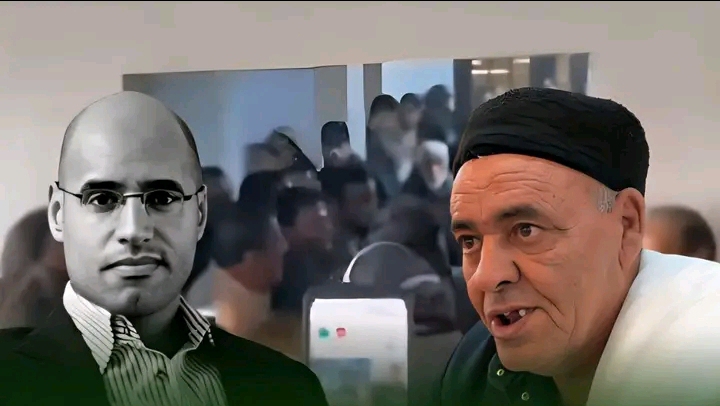

Libya has been plunged into what many describe as a moment of deep national sorrow following reports of the assassination of Dr. Saif al-Islam Gaddafi in Zintan.
The development has sent shockwaves across the country and reignited painful questions about Libya’s fractured political and social landscape.
Speaking from Bani Walid, Mustafa Diab, a prominent member of the Social Council of the Warfalla Tribes, painted a grim picture of a nation overwhelmed by grief and uncertainty.
In remarks made during an interview with Al Arabiya Al Hadath, Diab said that the killing of Saif al-Islam represents not merely the loss of an individual, but a profound tragedy for Libya as a whole, one that has touched every community and reopened old wounds.
According to Diab, the body of Saif al-Islam arrived safely, and preparations are underway for his burial following Friday prayers.
The announcement has intensified emotions in Bani Walid and beyond, with many residents viewing the moment as one of collective mourning rather than a private family affair.
The anticipated funeral is expected to draw widespread attention, reflecting the enduring weight Saif al-Islam’s name continues to carry in Libya’s turbulent post-2011 history.
In his emotional tribute, Diab described Saif al-Islam as “a symbol of struggle and of the Libyan state,” words that underscore how polarizing yet powerful his legacy remains.
For supporters, Saif al-Islam embodied the idea of a unified Libya and the hope—however contested—of restoring state authority after years of chaos, militia rule, and political fragmentation.
His reported assassination, Diab argued, is emblematic of a broader national collapse in which reconciliation has repeatedly given way to violence.
The reaction from Bani Walid, a city long associated with the Warfalla tribe and historically loyal to the former Libyan state, reflects wider sentiments among communities that feel marginalized and targeted in the ongoing conflict.
Diab’s statements suggest that the killing is being interpreted not as an isolated incident, but as part of a continuing pattern of political vendettas that have prevented Libya from turning the page on its past.
As Libya continues to struggle with divided institutions, rival governments, and fragile security, the reported death of Saif al-Islam Gaddafi threatens to deepen existing fault lines.
Whether this moment becomes another chapter in the cycle of retaliation or a catalyst for sober national reflection remains uncertain.
What is clear, however, is that for many Libyans, as voiced by Mustafa Diab, the country is once again confronting a tragedy that goes far beyond one man—striking at the heart of Libya’s unresolved identity and future.
Share This Post