
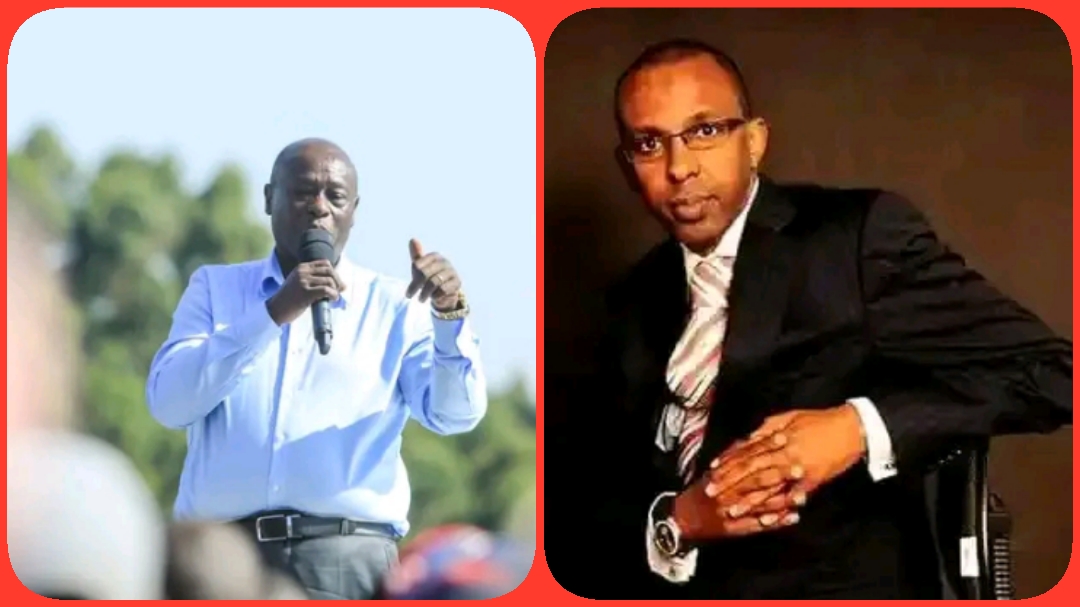

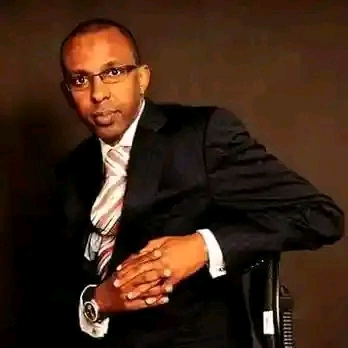
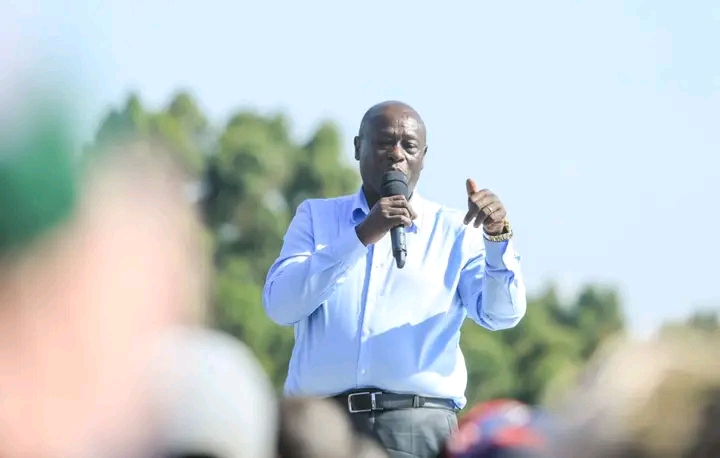
In a striking display of political candor that has ignited widespread debate across Kenya, prominent constitutional lawyer and Senior Counsel Ahmednasir Abdullahi has publicly endorsed former Deputy President Rigathi Gachagua‘s explosive claims of rampant corruption and mismanagement among leaders from Northern Kenya.
Abdullahi, often referred to as the “Grand Mullah” for his sharp legal insights and unfiltered commentary, took to the social media platform X—formerly known as Twitter—to voice his agreement, despite acknowledging Gachagua’s own controversial tribal leanings.
This endorsement comes at a time when Kenya’s political landscape is increasingly polarized, with discussions on devolution funds and regional development disparities taking center stage.
Abdullahi’s statement, posted on January 10, 2026, has amplified Gachagua’s allegations, drawing attention to what both men describe as systemic theft of public resources in one of Kenya’s most underserved regions.
The lawyer’s intervention not only validates Gachagua’s critique but also raises pressing questions about accountability in the wake of devolution, a constitutional reform introduced in 2013 to decentralize power and resources from the national government to counties.
The Controversial Endorsement and Its Context
Ahmednasir Abdullahi, a vocal critic of governance failures and a publisher of the Nairobi Law Monthly magazine, did not mince words in his post.
While labeling Gachagua as an “unapologetically Kikuyu supremacist and a tribalist class A,” Abdullahi asserted that the former deputy president was “100% right” in his assessment of Northern Kenya’s leadership.
This nuanced support highlights a rare moment of cross-regional alignment on issues of corruption, even as it underscores the tribal undercurrents that often dominate Kenyan politics.
Gachagua, who was impeached in October 2024 amid allegations of gross misconduct and inciting ethnic divisions, has been vocal about perceived inequities in resource distribution and leadership accountability since his ouster.
His recent remarks targeted leaders from Northern Kenya, accusing them of siphoning funds meant for local development and redirecting them to personal investments in Nairobi.
Abdullahi’s backing lends significant weight to these claims, given his reputation as a constitutional expert and his history of exposing judicial and political malpractices.
Reports from various media outlets, including Capital FM, have echoed this narrative, noting Abdullahi’s validation of Gachagua’s points on development gaps in the region.
The endorsement has sparked reactions on social media and beyond, with some praising it as a call for transparency, while others view it as fueling ethnic tensions.
Unaccounted Billions: The Devolution Funds Under Scrutiny
At the heart of the accusations lies the handling of devolution funds, a cornerstone of Kenya’s 2010 Constitution aimed at empowering counties to address local needs.
Since its inception in 2013, Northern Kenya—encompassing arid and semi-arid counties such as Garissa, Marsabit, Mandera, Wajir, and Isiolo—has received approximately Kshs 1 trillion in allocations from the national government.
These funds were intended to bolster infrastructure, education, healthcare, and economic opportunities in a region long plagued by marginalization, insecurity, and poverty.
However, Abdullahi claims that leaders in the area “can’t account for about Kshs 1 trillion given to the region since devolution started.”
He specifically pointed to Garissa and Marsabit, questioning the disappearance of Kshs 300 billion allocated to these counties alone.
This staggering figure represents not just financial loss but a betrayal of communities that continue to grapple with inadequate services.
Independent audits and reports from the Auditor General’s office have repeatedly flagged irregularities in county expenditures, including ghost projects, inflated contracts, and unverified disbursements, lending credence to these allegations.
Critics argue that the lack of tangible progress—such as the absence of world-class schools, hospitals, or roads—stems from entrenched corruption.
Abdullahi further accused leaders of having “eaten CDF money,” referring to the Constituency Development Fund, a mechanism designed for grassroots projects but often marred by embezzlement.
This misuse, he contends, has perpetuated cycles of underdevelopment, leaving residents reliant on humanitarian aid amid recurring droughts and conflicts.
Media coverage from outlets like K24 TV and The Kenya Times has amplified these concerns, with headlines emphasizing the failure to build essential institutions despite substantial inflows.
Experts in public finance note that while devolution has brought some improvements, such as increased county revenues, the region’s challenges are compounded by weak oversight mechanisms and political patronage.
Leaders’ Lifestyles and the Nairobi Disconnect
Beyond financial mismanagement, Abdullahi’s critique delves into the personal conduct of Northern Kenya’s elected officials, including Members of the County Assembly (MCAs).
He alleged that these leaders are “all domiciled in Nairobi and have homes, wives, and children only in Nairobi, with none in Northern Kenya.”
This detachment, according to Abdullahi, symbolizes a profound neglect of their constituencies, where leaders prioritize urban luxuries over rural investments.
Such lifestyles are not uncommon in Kenyan politics, where Nairobi’s affluent suburbs like Karen and Runda have become havens for politicians amassing wealth through public office.
Gachagua’s original claims painted these leaders as “thieves who steal from their people and invest public funds in Nairobi,” a sentiment Abdullahi fully endorsed.
This narrative resonates with many Kenyans frustrated by the stark contrast between leaders’ opulent lives and the dire conditions in their home regions.
Social media discussions, including posts from users like @GunnerAfrican, have highlighted similar sentiments, accusing leaders of abandoning their roots for personal gain.
In Northern Kenya, where nomadic pastoralism remains a way of life for many, this absenteeism exacerbates issues like insecurity from banditry and clan conflicts, as leaders are rarely on the ground to advocate for solutions.
Broader Implications for Kenyan Politics and Accountability
Abdullahi’s support for Gachagua, despite criticizing his tribalism, underscores a growing consensus on the need for reforms in devolution and anti-corruption efforts.
As Kenya approaches future elections, these revelations could influence voter sentiment in marginalized areas, potentially shifting alliances and demanding greater transparency.
Gachagua, positioning himself as an opposition voice, has used such critiques to rally support, particularly in his Mount Kenya stronghold, while Abdullahi’s intervention bridges regional divides in the fight against graft.
Calls for investigations by bodies like the Ethics and Anti-Corruption Commission (EACC) and the Directorate of Criminal Investigations (DCI) are mounting, with analysts urging forensic audits of county funds.
President William Ruto’s administration, which has pledged to tackle corruption, faces pressure to act decisively, especially as similar allegations surface in other regions.
Ultimately, this episode serves as a stark reminder of devolution’s unfulfilled promise. While intended to foster equitable development, it has, in some cases, enabled elite capture of resources.
As Abdullahi poignantly concluded in his post, Gachagua may be “playing politics,” but on the matter of Northern Kenya’s leadership failures, he is “being truthful.”
For the people of Northern Kenya, the hope is that such high-profile exposures will finally lead to meaningful change, ensuring that trillions in public funds translate into real progress rather than private fortunes.
Share This Post