
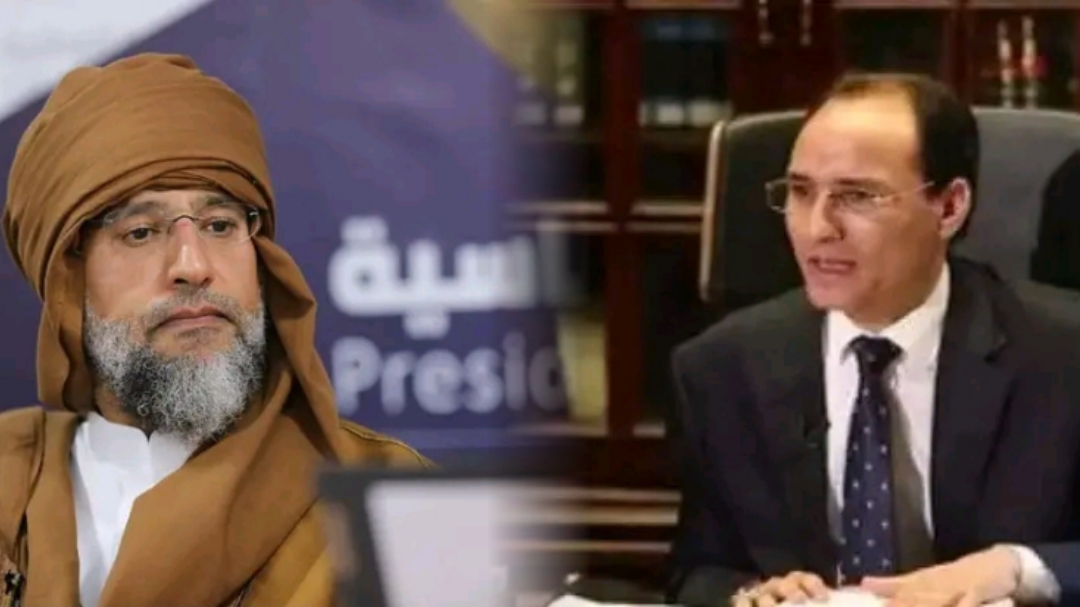

In a significant development aimed at steering Libya out of its protracted political impasse, Dr. Saif al-Islam Gaddafi, the son of the late Libyan leader Muammar Gaddafi, has unveiled a comprehensive initiative designed to foster a peaceful resolution and pave the way for fair elections.
Announced through his legal representative, Professor Khaled Al-Zaydi, the proposal emerges against a backdrop of deteriorating national conditions, where ongoing disputes among key figures threaten to plunge the country into further chaos.
This move underscores Gaddafi’s commitment to prioritizing Libya’s stability and the welfare of its citizens, potentially marking a pivotal moment in the nation’s quest for unity and democratic progress.
The Enduring Turmoil in Post-Revolution Libya
Libya has been mired in instability since the 2011 revolution that toppled Muammar Gaddafi’s regime, leading to a fragmented political landscape characterized by rival governments, armed militias, and foreign interventions.
The eastern part of the country is controlled by forces aligned with the Tobruk-based House of Representatives, while the western region, including the capital Tripoli, operates under the Government of National Unity.
Efforts to hold unified presidential and parliamentary elections have repeatedly faltered, with the most recent attempts in 2021 and subsequent years derailed by legal disputes, security concerns, and disagreements over candidate eligibility.
As of early this year, the nation continues to grapple with economic hardship, including disrupted oil production, widespread poverty, and crumbling infrastructure, all exacerbated by the absence of a legitimate, elected government.
Saif al-Islam Gaddafi himself has navigated a tumultuous path: captured in 2011, sentenced to death in absentia in 2015 for alleged crimes during the uprising, and later released under amnesty in 2017.
Despite an outstanding International Criminal Court warrant for crimes against humanity, he reemerged in Libyan politics in 2021, registering as a presidential candidate and gradually rebuilding alliances with tribal leaders and former regime supporters.
His recent activities, including meetings with influential elders in 2025, have fueled speculation about his ambitions, with some viewing him as a symbol of pre-revolution stability amid current disarray.
Unveiling the Two-Pronged Initiative
At the heart of Gaddafi’s initiative are two distinct options, each crafted to address the entrenched divisions hindering electoral progress.
Professor Al-Zaydi, speaking on behalf of his client, elaborated that the first option envisions the involvement of a neutral entity to oversee the implementation of both parliamentary and presidential elections.
This approach emphasizes inclusivity, ensuring no candidates are excluded based on political affiliations or past controversies, thereby allowing the Libyan populace to serve as the ultimate arbiter through their votes.
Al-Zaydi described this as the “optimal” pathway, one that could restore democratic legitimacy by empowering ordinary citizens to shape their future without interference from partisan interests.
However, acknowledging the practical challenges in realizing this vision—such as logistical hurdles, security threats from militias, and international skepticism—Al-Zaydi noted that this option, while ideal, appears unfeasible under prevailing circumstances.
As an alternative, the second option calls for a collective withdrawal by all disputed political figures from the electoral fray.
This bold step, according to the initiative, represents a sacrificial commitment to national salvation, clearing the path for fresh leadership and averting further escalation.
By stepping aside en masse, these figures would facilitate a smoother transition to elections, minimizing the risk of violence and division that has plagued previous attempts.
Motivations Rooted in National Urgency
The initiative’s timing is no coincidence, as Al-Zaydi highlighted the rapidly worsening situation in Libya, where prolonged stalemates have eroded public trust and invited potential catastrophe.
Dr. Saif al-Islam Gaddafi, through his lawyer, has emphasized that the current “farce” of power struggles—marked by self-serving maneuvers among entrenched leaders—could ultimately lead to the nation’s destruction if left unchecked.
This sentiment echoes broader concerns about the squandering of Libya’s vast oil wealth, the erosion of national unity, and the human toll of ongoing conflicts, which have displaced thousands and stifled economic recovery.
Al-Zaydi further conveyed Gaddafi’s unwavering dedication to a peaceful solution, noting his active participation in political dialogues aimed at consensus-building.
The proposal, he stressed, is devoid of personal agendas and solely focused on Libya’s collective interests and the aspirations of its people.
In a direct appeal, Al-Zaydi urged all stakeholders who genuinely prioritize the country’s well-being to seriously consider this initiative, warning that ignoring it could foreclose opportunities for reconciliation.
This call resonates with Gaddafi’s earlier efforts, such as his 2022 suggestions for phased elections, which, though rejected by some parties, demonstrated his ongoing engagement in crisis resolution.
Broader Implications for Libya’s Path Forward
If adopted, Gaddafi’s initiative could represent a turning point, potentially bridging the east-west divide and reinvigorating international support for Libya’s stabilization.
Analysts suggest that his tribal alliances, particularly in the south and west, position him as a unifying figure for those nostalgic for the Gaddafi-era’s relative prosperity, including free healthcare and education.
Yet, challenges abound: his legal entanglements, including the ICC warrant, could complicate foreign endorsements, while critics fear a return to authoritarianism.
Domestically, the proposal might encourage disarmament of militias and restoration of services, but success hinges on buy-in from rivals like Prime Minister Abdul Hamid Dbeibah and eastern strongman Khalifa Haftar.
As Libya inches toward possible elections in 2026, this initiative invites reflection on the delicate balance between forgiveness and accountability in a post-conflict society.
Whether it sparks genuine dialogue or fades amid entrenched rivalries remains to be seen, but it undeniably amplifies the urgent call for Libyans to reclaim their destiny from the shadows of division.
Share This Post