
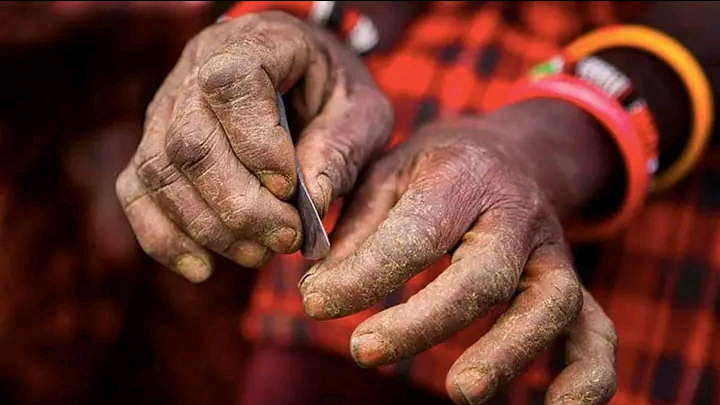

In a disturbing shift that has stunned activists and community leaders, Female Genital Mutilation (FGM) in Mauche Ward, Njoro Sub-County, Nakuru County, is no longer confined to young girls.
Increasingly, married women and young mothers are being subjected to the harmful practice under intense societal pressure to conform to outdated cultural expectations.
What was once seen primarily as a rite of passage imposed on adolescents has evolved into a broader assault on women’s rights and bodily autonomy, prompting urgent calls for intervention.
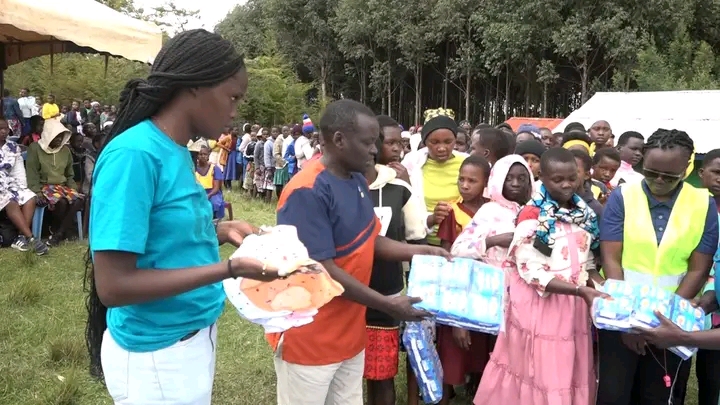
The alarming trend came into sharp focus during a three-day community outreach programme organised by teachers from Koilonget Mixed Secondary School, local village elders, Community Health Promoters, and two dedicated anti-FGM organisations – Let’s Talk About It Initiative and Soar Kenya Foundation.
The campaign, which drew hundreds of residents, aimed not only to educate the community about the grave dangers of FGM but also to dismantle the deep-rooted stigma that continues to fuel its persistence.
Sheila Cheruiyot, a teacher at Koilonget Mixed Secondary School who has been at the forefront of the fight, delivered a sobering revelation: more than one hundred individuals have undergone FGM in Mauche Ward this year alone, with a significant proportion being married women and young mothers.
“These are not children anymore,” she stressed. “We are now seeing grown women being coerced or shamed into undergoing the cut because they are told they are incomplete or unworthy without it.”
Cheruiyot issued a direct appeal to men in the community, urging them to reject the stigma and stand as allies in protecting both their daughters and their wives from this violation.
The outreach programme highlighted how parents sometimes justify forcing school-age girls, typically between ten and eighteen years old, into FGM and early marriage as a misguided form of “protection.”
Yet the consequences are devastating: severe health complications, interrupted education, heightened risk of teenage pregnancy, and lifelong psychological trauma.
Girls who undergo the cut frequently drop out of school, trapped in a cycle of poverty and gender-based violence that extends across generations.
Chepkirui Ruto of Let’s Talk About It Initiative described FGM unequivocally as a gross human rights violation that robs women and girls of their dignity and future prospects.
James Yegon, representing Soar Kenya Foundation, emphasised the irreversible physical damage and deep emotional scars left by the practice, calling for sustained awareness campaigns that reach every corner of the community.
Community Health Promoter Beatrice Chaintoik and Koilonget student Angela Cherono both underscored how FGM fuels school dropout rates, child marriage, and social exclusion.
“When a girl is cut, her dreams are cut with her,” Cherono told the gathered crowd, her voice carrying the weight of peers who have already been lost to the practice.
The young advocate pleaded for intensified education and empowerment initiatives that place girls at the centre of their own futures.
To encourage attendance and reinforce the message of change, organisers distributed gifts to the hundreds of residents who participated in the sensitisation events – a small but symbolic gesture in a broader strategy to replace harmful traditions with positive community reinforcement.
As Kenya continues its nationwide push to eradicate FGM by 2030 in line with Sustainable Development Goals, the emerging pattern in Mauche Ward serves as a stark reminder that cultural practices do not remain static. When one door closes on cutting young girls, another may open on pressuring adult women if vigilance wanes.
Community leaders, educators, health workers, and activists are united in their resolve: the fight against FGM must evolve just as the practice itself has, ensuring that no woman – regardless of age or marital status – is left vulnerable to this brutal tradition.
The message from Mauche Ward is clear: ending FGM demands more than laws and declarations.
It requires courageous conversations, male involvement, sustained education, and an unwavering commitment to upholding the rights and dignity of every girl and woman in the community.
Share This Post