




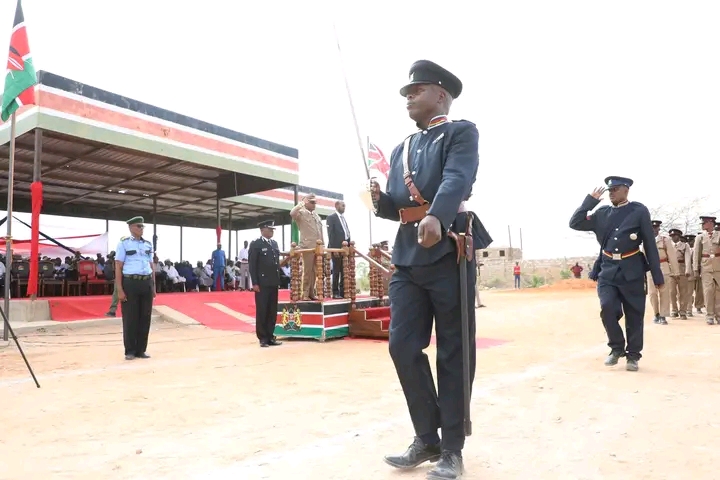
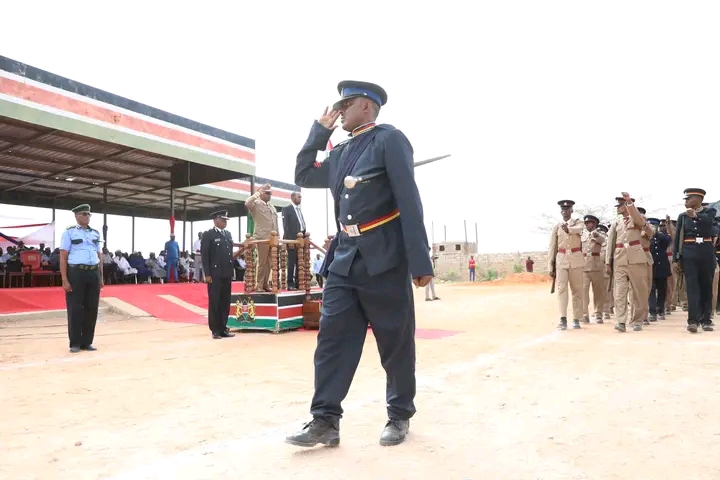
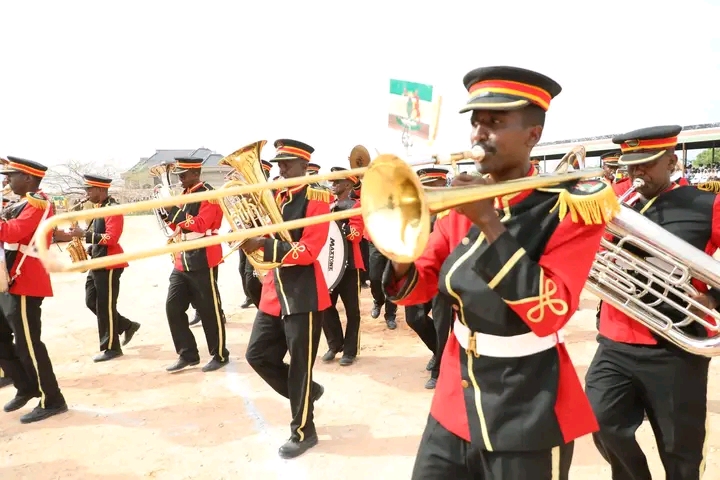
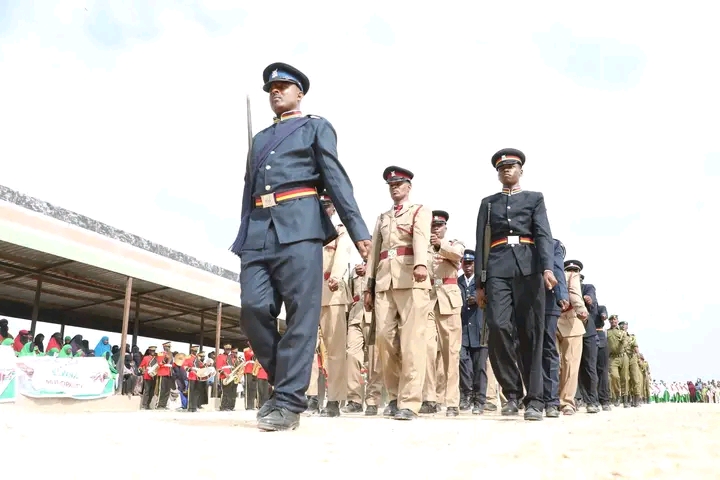
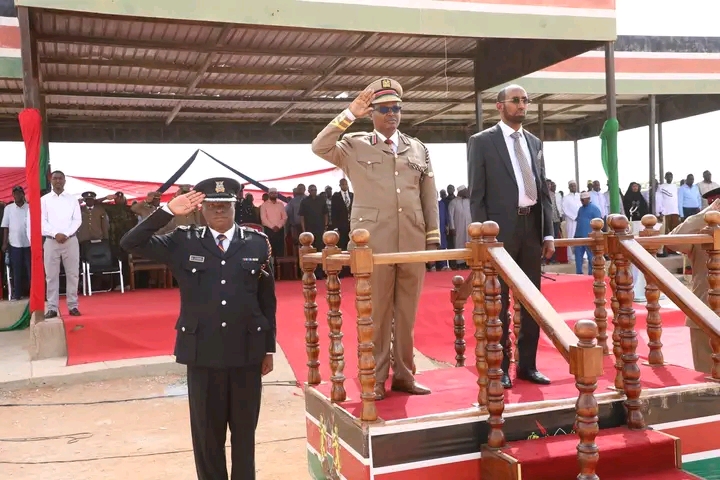
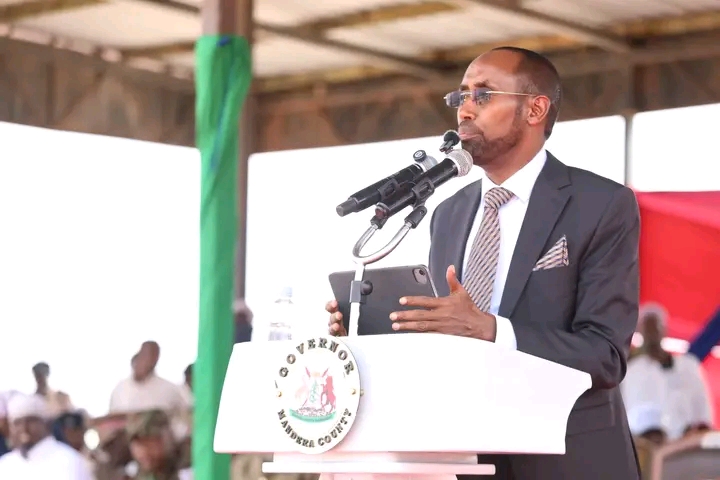
Elwak, Mandera County| In an electrifying Jamhuri Day address delivered to thousands at Elwak Stadium, Mandera County Governor Mohamed Adan Khalif painted an ambitious and compelling vision of the county as East Africa’s next great cultural, pastoral and eco-tourism destination, while showcasing three years of transformative progress across every sector.
Speaking under this year’s national theme of “Tourism, Wildlife and MICE: Accelerating Economic Growth through Partnership and Innovation,” Governor Khalif reminded the crowd how far Kenya has come since independence, gracefully transforming the pain of colonial history into an open invitation for the world to experience its beauty as guests and partners.
He declared that Mandera, with its strategic triangular border position between Ethiopia and Somalia, its dramatic arid landscapes, rich Somali heritage and legendary hospitality, is perfectly placed to become a flagship cross-border and experiential tourism hub.
From hiking the scenic hills of Dandu, Takaba and Waranqara, exploring the spectacular gorges of Malkamari, camel riding along ancient migratory routes, enjoying buranbur poetry under star-filled skies, tasting authentic local cuisine and staying with pastoral families, Mandera offers visitors experiences found nowhere else.
To protect the wildlife and fragile ecosystems that underpin this tourism potential, the county has partnered closely with the Kenya Wildlife Service, Kenya Forest Service and NEMA to run extensive conservation awareness campaigns across all sub-counties and successfully host major global events such as World Wildlife Day, World Environment Day and International Forest Day in Takaba, Wargadud and various Mandera schools.
As part of current drought-relief efforts, water bowsers are being deployed to wildlife areas, while the county’s aggressive tree-planting campaign saw over 40,000 trees planted (far surpassing the original 6,000-tree target), earning Mandera the national “Living Green for Climate Change” award.
In healthcare, the administration has achieved a achieved a quiet revolution. Mandera County Referral Hospital has been upgraded to a fully-fledged Level 5 teaching and referral facility complete with a new renal unit and specialist clinics.
Elwak Level 4 Hospital now operates the county’s second-largest renal unit capable of serving five patients simultaneously, sparing residents hundreds of kilometres of travel for dialysis.
Theatres in Kutulo and Elwak are fully equipped for Caesarean sections and advanced diagnostics, the medical supplies budget has risen from KSh 322.7 million to KSh 365 million, three new ambulances have been added, 200 health workers trained in maternal and neonatal care, and a weekly Maternal and Perinatal Death Surveillance system has been introduced alongside a new six-body mortuary in Elwak.
More than 104,000 residents have already enrolled with the Social Health Authority, with strong appeals for many more to register.
Trade and economic empowerment have also surged forward. New market infrastructure and direct support have lifted the number of registered SMEs from 7,200 to 8,500, while 200 women vegetable vendors in Mandera East now operate from modern stalls.
Twelve new cooperative societies have been registered and seventy-five startups—twenty cooperatives and fifty-five SMEs—have received seed capital. Construction of a County Aggregation and Industrial Park is about to begin to strengthen value chains and reduce post-harvest losses.
With pastoralism at the heart of Mandera’s identity and a major tourism draw, protecting livestock during the longest recorded cyclic drought has been an urgent priority.
Rapid assessment teams have been deployed, emergency food and water trucking rolled out, and long-term resilience projects launched.
These include a World Bank- and IGAD-supported feasibility study for a major dam on the Dawa River at Lagsure and Lagwarera, fresh livestock-insurance payouts in the pipeline (after 7,100 pastoralists each received KSh 6,000 in the previous cycle), and large-scale vaccination and treatment campaigns that reached over 1.1 million animals.
At the same time, climate-smart agriculture has taken root: 113,000 farmers received subsidised inputs, 3,290 hectares of drought-resistant sorghum and 777 hectares of vegetables were planted, irrigation canals and earth dykes constructed, thousands of irrigation pipes distributed, 240 farmers trained in modern techniques and 5,400 modern beehives procured.
Peace remains the foundation of all progress. The county has enacted the Peacebuilding and Conflict Management Act 2025, established Maslaha Alternative Justice Centres, hosted 23 cross-border peace dialogues with Ethiopia and Somalia, conducted 97 local peace dialogues and 174 monthly outreach programmes while training more than 2,300 youth in digital skills, peace advocacy and entrepreneurship, many of whom received startup kits.
Water security efforts have been nothing short of heroic: 351 million litres delivered to 410,000 people between 2022 and 2025, thirty-two water pans rehabilitated, 350 km of new pipelines laid, seventy-five underground tanks built, fifty-one institutions connected to piped supply and forty additional bowsers mobilised for the current season.
The 25-year Takaba Water Supply Master Plan is underway to bring permanent piped water to 42,000 residents.
Infrastructure development has been equally impressive, with 240 km of roads graveled, 353 km maintained, Mandera airstrip rehabilitated and the Horn of Africa Gateway Development Project (due for completion in 2028) set to revolutionise regional trade and tourism access.
Education has seen dramatic gains. ECDE enrolment has climbed from 23,499 to 35,288 children, transition rates to primary school have reached 92 per cent, 111 new classrooms built, school feeding programmes expanded and duksi integrated into the formal system.
Vocational training numbers rose 32 per cent, with graduates receiving business startup kits. The flagship “Elimu Kwa Wote” initiative has disbursed KSh 1.27 billion in bursaries and scholarships, currently supporting 72,000 students—including 32 studying specialised courses abroad—and has virtually eliminated financially motivated dropouts.
Closing on a note of unity and resilience, Governor Khalif reassured residents that the county, national government and development partners are fully mobilised against the drought and appealed for brotherhood and peaceful resource-sharing with neighbouring communities.
“Mandra will not only endure,” he declared to thunderous applause. “With innovation, peace and shared purpose, Mandera will rise as one of Kenya’s most vibrant tourism, welcoming and prosperous frontiers.”
The celebrations ended with colourful cultural displays, buranbur performances and exhibitions that offered the crowd—and the nation—a tantalising glimpse of the tourism decade Governor Mohamed Adan Khalif has promised to deliver.
Share This Post