
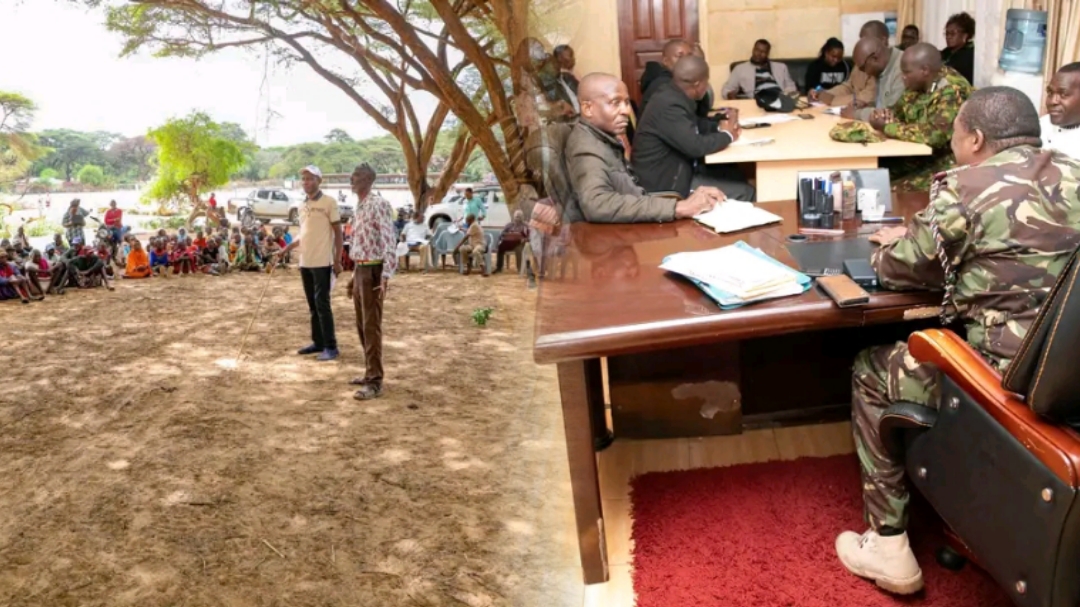

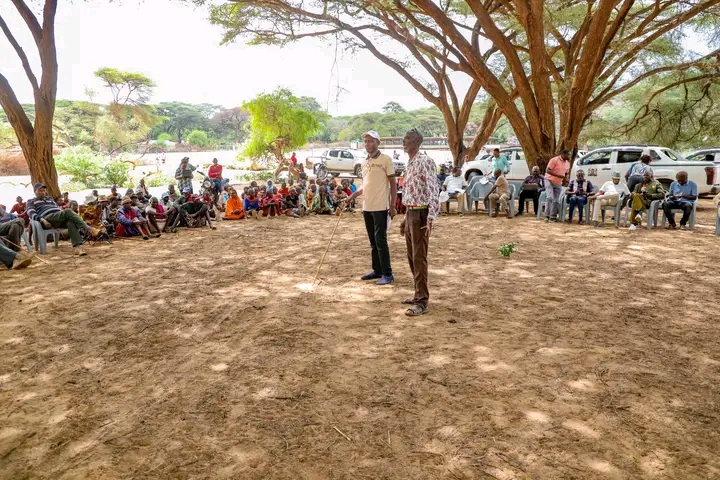
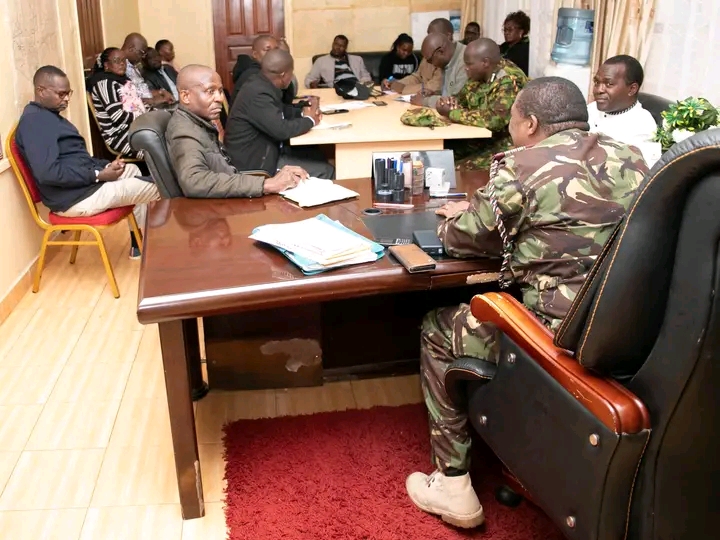
In a groundbreaking move to secure ancestral lands and foster peace in Kenya’s arid north, the State Department for Lands, Marsabit County Government, and National Land Commission (NLC) have launched an intensive sensitization campaign on the Community Land Act, 2016, across Laisamis Constituency – bridging knowledge gaps and paving the way for formal land registration amid rising investment interests.
In the vast, rugged landscapes of Marsabit County, where community land forms the bedrock of pastoralist identity, cultural heritage, and livelihoods, a transformative initiative is underway.
The State Department for Lands and Physical Planning, in close partnership with the Marsabit County administration and the National Land Commission (NLC), recently concluded a series of high-impact sensitization forums in Laisamis Constituency.
This collaborative effort aimed to demystify the Community Land Act, 2016, educate residents on their land rights, and equip them with the knowledge to formally register and govern their communal territories.
Held across nine strategic locations – including South Horr, Kurungu, Ntaletiani, Gatab in Mt. Kulal, Olturot, Loiyangalani, Elmolo Bay, and Kargi – the campaign targeted areas where community land is not just territory but a lifeline for economic opportunities, grazing, and natural resource management.
These forums brought together national and county officials, elders, women, youth, and local leaders in a unified push to strengthen land governance under Kenya’s progressive land reform framework.
Why Community Land Registration Matters in Marsabit County
Kenya’s Community Land Act, 2016, a cornerstone of the 2010 Constitution, recognizes community land as one of three primary land categories (alongside public and private land).
It vests unregistered community land in communities, allowing them to establish governance structures like Community Land Management Committees (CLMCs) for collective decision-making.
In Marsabit, where over 70% of Kenya’s unregistered community land resides in arid and semi-arid regions, formal registration is crucial for:
- Reducing Land Conflicts: Historical disputes over grazing rights and resources often escalate without clear tenure.
- Promoting Sustainable Development: Secure titles attract investors while ensuring equitable benefit-sharing.
- Enhancing Investor Confidence: Projects like the Lake Turkana Wind Power Project can proceed with community consent and fair compensation.
- Empowering Vulnerable Groups: Inclusive governance includes women and youth in decision-making.
The sensitization drive emphasized that natural resources – from wind energy to minerals – are shared assets requiring coexistence, cooperation, and equitable access among communities.
Voices from the Ground: Leaders and Residents Hail the Initiative
Marsabit County Commissioner James Kamau described the campaign as timely, stating:
“Your presence here gives our communities the clarity and confidence they need to protect their land and plan their future. This sensitization will help reduce disputes, enhance cohesion, and ensure that every resident understands the value and responsibilities of community land.”
Leading the State Department’s team, Deputy Director of Land Adjudication and Settlement Andrew Khaemba underscored the broader impacts:
“Community land registration is not just a legal process but also a pathway to empowerment. We want every community in Marsabit to secure their land, avoid conflicts, and benefit from the resources around them.”
He stressed shared resource management, adding that cohesion and fair benefit-sharing are vital for peace and sustainable development.
County leaders were equally enthusiastic. Marsabit County Executive Committee Member (CECM) for Lands, Adan Hirbo, noted:
“The Community Land Act gives our people a voice. Once communities register their land and form governance structures, they open the door to development, stability, and future investments.”
Chief Officer for Lands Galm Guyo praised the collaboration:
“We are proud to have supported this initiative and commend the collective effort that made it a success. We remain committed to backing such activities and look forward to continued collaboration.”
The NLC’s Marsabit County Coordinator, Abdullahi Jillo, highlighted governance tools:
“When communities understand how to manage their land collectively, they prevent disputes and attract investors. Knowledge is the first step toward economic transformation.”
Unprecedented Participation and Community Feedback
A standout feature was the massive turnout of women, who actively engaged in discussions on land and resource governance – signaling a shift toward inclusive decision-making in traditionally patriarchal pastoralist societies.
Local elders and residents expressed relief and optimism. Edidio Lekulo from the Olturot forum in Mt. Kulal shared:
“For years we feared losing our land because we did not know the law. Today, we finally understand how to protect our heritage for future generations.”
Next Steps: From Awareness to Action
Post-sensitization, communities received hands-on guidance on registering as legal entities and adjudicating their land.
This paves the way for issuing community land titles, enabling benefits from investments like renewable energy projects while ensuring transparent resource management.
This Marsabit initiative aligns with national efforts to implement the Community Land Act, 2016, promoting public participation and securing rights for millions in pastoralist counties.
As registration processes advance, Marsabit stands as a model for how empowered communities can drive peace, prosperity, and sustainable growth in Kenya’s vast community lands.
With land disputes historically fueling tensions in northern Kenya, this campaign marks a pivotal step toward lasting stability and economic empowerment.
Residents now armed with knowledge are poised to safeguard their future – one registered parcel at a time.
Share This Post