


In a groundbreaking leap forward for healthcare in East Africa, Kenya has unveiled an advanced nuclear therapy that promises to transform the landscape of cancer treatment.
This innovative approach, known as theranostics, harnesses the power of targeted radioactive medicine to zero in on malignant cells, offering renewed hope to thousands of patients grappling with life-threatening diseases.
Launched at the state-of-the-art Kenyatta University Teaching, Referral and Research Hospital (KUTRRH), this milestone not only marks Kenya’s entry into cutting-edge nuclear medicine but also positions the nation as a pioneer in the region, potentially saving lives and reducing the burden of traditional therapies.
Understanding Theranostics: Precision Medicine Meets Nuclear Science
At its core, theranostics represents a fusion of “therapy” and “diagnostics,” a sophisticated method that combines imaging and treatment in one seamless process.
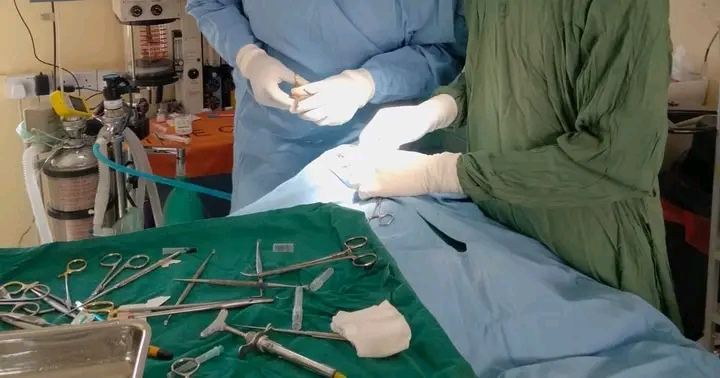
Patients receive an injection of a radioactive pharmaceutical agent designed to seek out and bind to specific proteins or receptors on cancer cells.
Once attached, the radiation emitted by the agent destroys the tumor from within, all while sparing surrounding healthy tissues.
This targeted precision minimizes the debilitating side effects often associated with conventional treatments like chemotherapy and radiation therapy, such as widespread fatigue, hair loss, and organ damage.
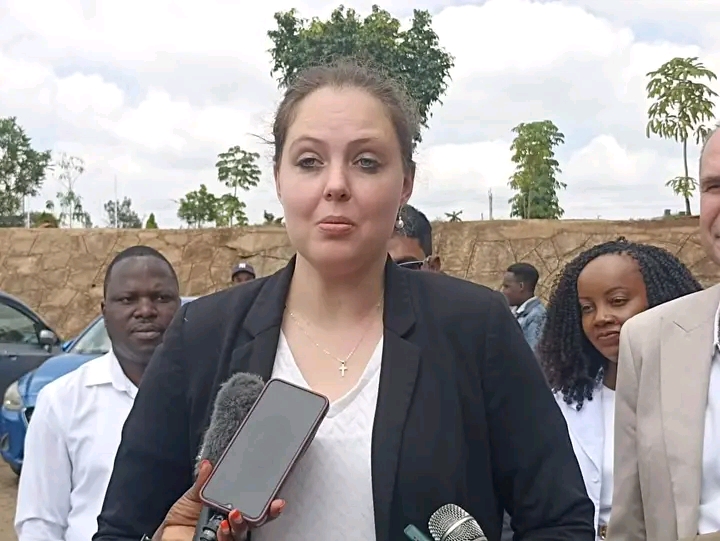
Dr. Harish Nagaraj, the Consultant and Head of Nuclear Medicine at KUTRRH’s Molecular Imaging Centre, explains the therapy’s game-changing potential: “This procedure is particularly effective for cancers such as prostate and breast cancer, which have historically shown resistance to standard methods. By directly attacking the disease at its source, theranostics offers a level of accuracy that can significantly improve outcomes and quality of life for patients.”
The therapy’s introduction comes at a critical time for Kenya, where cancer ranks as the third leading cause of death, claiming over 27,000 lives annually according to recent health statistics.
With rising incidences of prostate and breast cancer—driven by factors like aging populations, lifestyle changes, and improved diagnostics—this new tool could address gaps in existing care protocols, especially for advanced-stage cases that respond poorly to surgery or systemic drugs.
A Historic Launch: Training, Expertise, and Regional Leadership
The rollout of theranostics at KUTRRH was more than just a medical debut; it was a comprehensive initiative aimed at building sustainable capacity in nuclear medicine.
As the first facility in Kenya and East Africa equipped to administer this treatment, KUTRRH hosted a launch event that included specialized training sessions on the safe handling and application of nuclear materials.
Local healthcare professionals collaborated with international experts, fostering knowledge transfer and ensuring adherence to global safety standards.
This collaborative effort underscores Kenya’s commitment to advancing medical infrastructure.
The hospital’s Molecular Imaging Centre, outfitted with advanced PET-CT scanners and radiopharmacy labs, now stands as a hub for theranostics, capable of diagnosing and treating patients in a single visit.
Such integration not only streamlines care but also reduces the need for multiple hospital stays, easing the emotional and financial strain on families.
Challenges and Costs: Navigating Accessibility in a High-Tech Era
Despite its promise, the adoption of theranostics faces significant hurdles, primarily related to affordability.
Each treatment cycle costs approximately Sh1.3 million (around $10,000 USD), with most patients requiring between four to six cycles for optimal results.
This brings the total expense to Sh5.2 million to Sh7.8 million per patient—a prohibitive sum for many in a country where the average annual income hovers below Sh200,000.
Dr. Nagaraj highlighted the financial barriers: “A lot of finances are required in nuclear therapy, and that is why support from the government and donors is crucial since it is not yet covered under the Social Health Authority (SHA).”
The SHA, Kenya’s revamped national health insurance scheme, currently excludes such advanced therapies, leaving patients to rely on out-of-pocket payments, private insurance, or charitable aid.
Advocates are calling for policy reforms to integrate theranostics into public health coverage, arguing that its long-term cost savings—through fewer complications and shorter recovery times—could outweigh initial investments.
To bridge this gap, partnerships with international organizations are proving vital. Donors and grants could subsidize treatments, while public awareness campaigns aim to attract philanthropic support.
In the meantime, KUTRRH is exploring phased payment options and prioritizing cases based on medical urgency to make the therapy more accessible.
Safety Assured: Dispelling Myths and Embracing Innovation
Concerns about radiation exposure have long plagued discussions around nuclear medicine, but experts are quick to reassure the public.
Representatives from the International Atomic Energy Agency (IAEA), who attended the launch, endorsed the therapy’s safety profile.
They emphasized that theranostics is engineered to target only cancerous cells, with the radioactive material decaying rapidly and being excreted from the body, thereby minimizing risks to patients and healthcare workers.
Dr. Frank Sawanga, a key figure in the initiative, urged Kenyans to overcome misconceptions: “Nuclear science is not something to fear; it’s a tool for healing. By embracing it, we can dispel myths about radiation and unlock its full potential in combating diseases like cancer.”
His call echoes broader efforts to educate communities, including workshops and media outreach, to build trust in this technology.
The IAEA’s involvement also ensures compliance with international protocols, including rigorous waste management and radiation monitoring, further solidifying Kenya’s role as a responsible adopter of nuclear advancements.
Looking Ahead: A New Chapter in Kenya’s Fight Against Cancer
As Kenya steps into this new era of precision oncology, the introduction of theranostics at KUTRRH signals a shift toward personalized medicine tailored to individual patient needs.
This development not only enhances treatment efficacy but also positions East Africa on the global map of medical innovation, potentially attracting medical tourism and fostering research collaborations.
For patients like those battling advanced prostate or breast cancer, this therapy represents more than a medical procedure—it’s a lifeline.
With continued government backing, donor support, and public education, theranostics could democratize access to world-class care, reducing cancer mortality rates and improving survival stories across the region.
In a nation resilient in the face of health challenges, this advancement is a testament to progress, blending science, compassion, and hope to conquer one of humanity’s greatest adversaries.
For more information on theranostics and cancer care options in Kenya, consult healthcare providers or visit KUTRRH’s official resources.
Share This Post