

•The Revelation Comes Amid 2025 Spike
In Kenya, where motorcycle taxis—locally known as bodabodas—serve as a lifeline for millions, a troubling rise in road accidents has cast a shadow over this vital sector.
Experts and stakeholders are increasingly pointing to poor eyesight among riders and a widespread lack of proper training as primary culprits behind the escalating fatalities.
This year alone, by the end of September 2025, the country has recorded 3,586 road deaths, a marked increase from just over 3,000 in the same period last year, according to recent statistics.
This surge underscores the urgent need for comprehensive interventions in a industry that not only powers daily mobility but also significantly bolsters the national economy.
The Bodaboda Sector: A Double-Edged Sword in Kenya’s Economy
Bodabodas have revolutionized transportation in Kenya since their emergence in the 1990s, evolving from simple bicycle taxis to motorized vehicles that now dominate urban and rural roads.
With an estimated 2.5 million riders nationwide, the sector provides direct employment to a substantial portion of the youth population, many of whom rely on it as their primary source of income.
Economically, bodabodas contribute approximately Sh660 billion annually to Kenya’s Gross Domestic Product (GDP), accounting for about 4.4% of the total. This includes Sh60 billion in fuel taxes and Sh21 billion in licensing fees, highlighting its role as a revenue generator for the government.
On average, a bodaboda rider earns around Sh1,000 per day from about 15 rides, while the sector as a whole moves nearly Sh1 billion daily through fares, logistics, and related services. However, this economic boon comes at a steep human cost.
The informal nature of the industry—characterized by minimal regulation, easy entry barriers, and often unregulated operations—has led to overcrowded roads and heightened risks.
In many areas, bodabodas operate without formal licensing, insurance, or adherence to traffic rules, exacerbating security challenges and accident rates.
Alarming Statistics: A Year of Escalating Road Carnage
The 2025 data paints a grim picture. Between January and September 14, Kenya logged 3,397 road accident deaths, with bodabodas implicated in a disproportionate share. Earlier in the year, from January to March alone, at least 431 lives were lost in motorcycle-related incidents—an average of five deaths per day.
These figures represent a continuation of a long-term trend; annually, Kenya loses around 4,600 people to road crashes, with bodabodas contributing significantly to this toll.
In regions like Busia County, bodaboda accidents are particularly rampant, with hospitals reporting frequent cases of severe injuries, including amputations and spinal damage.
A cross-sectional survey of 400 bodaboda drivers between January 2024 and February 2025 revealed widespread gaps in road safety knowledge and attitudes, further fueling the crisis.
Globally, road traffic injuries burden public health systems, but in Kenya, the strain is acute, with motorcycle crashes leading to increased morbidity, mortality, and long-term disabilities.
Unpacking the Causes: From Vision Impairments to Systemic Failures
While multiple factors contribute to bodaboda accidents, poor eyesight and inadequate training stand out as critical, often overlooked issues.
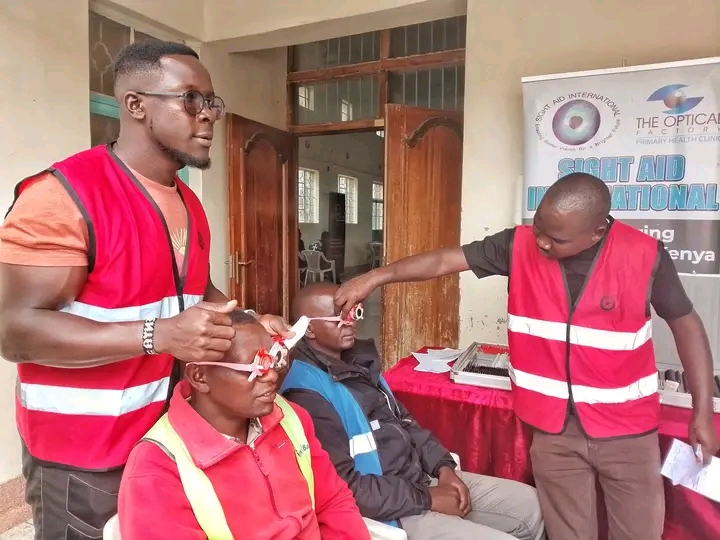
Samuel Mbeche, from Sight Aid International, emphasized during a recent event that impaired vision among motorcyclists is a leading contributor to nationwide fatalities.
Vision is paramount for motorcycle riders, who operate in dynamic, uncontrolled environments where quick reactions to hazards are essential.
Peripheral vision aids in detecting surprises, such as sudden lane changes or pedestrians, while clear sightlines help maintain situational awareness and prevent collisions. Distortions from poor eyesight can exacerbate risks, especially at high speeds or in low-light conditions.
Beyond vision, inadequate training leaves many riders ill-equipped to handle traffic complexities. Common causes identified in empirical studies include overspeeding, negligence, failure to wear helmets, overloading passengers, slippery roads due to rain or sand, poor visibility, and parked vehicles in unapproved areas.
Human error, substandard road conditions, weather, and unroadworthy vehicles also play roles, with up to 98% of accidents linked to unsafe behaviors.
In Busia, for instance, riders cited helmet non-compliance and reckless speeding as reputational and safety hazards.
Spotlight on Initiatives: The Naivasha Road Safety Campaign
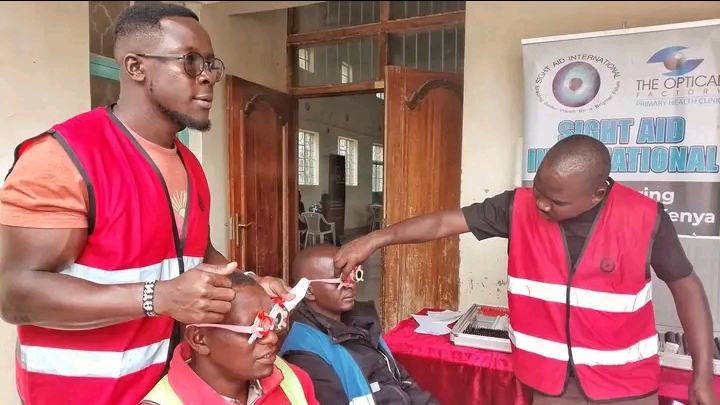
Addressing these challenges head-on, a collaborative road safety awareness campaign was held in Naivasha, organized by Sight Aid International in partnership with Inchcape Kenya, the National Transport and Safety Authority (NTSA), and Post Bank. The event featured free eye check-ups for bodaboda riders, aiming to mitigate vision-related risks.
Maryanne Gathogo, Managing Director of Inchcape Kenya, announced that the company distributed high-quality safety gear to over 200 riders as part of efforts to curb fatalities.
The initiative targets reaching more than 20% of all bodaboda operators, focusing on urban and rural areas where access to training is limited. “Our goal is to empower riders with the tools they need for safer roads,” Gathogo stated.
Lawrence Mbagala of the Private Riders Association highlighted the sector’s economic importance while decrying inadequate training and substandard gear as major contributors to deaths.
He advocated for rider education, particularly during the festive season, and promoted the motto “all the gear, all the time” to encourage consistent use of protective equipment among all road users.
Cyrus Mutisya, Head of Strategic Relationships at Post Bank Kenya, stressed the need for financial literacy to enable operators to invest wisely. Recognizing the sector’s billion-shilling contributions, the bank has introduced tailored financial products to support bodaboda entrepreneurs.
This Naivasha event aligns with broader efforts, such as Inchcape Kenya’s ongoing programs promoting safety, health, and financial literacy for riders.
Similar initiatives, like Makinika Afrika’s training and sticker distribution for public service vehicles, and the Boda Boda Safety Association’s campaigns, reflect a growing push for grassroots-level change.
Government Response: The National Road Safety Action Plan
In a strategic bid to overhaul the transport sector, the Kenyan government is rolling out the National Road Safety Action Plan (2024-2028), which extends beyond the initially mentioned 2024-2025 timeframe to provide a more sustained framework.
Launched in April 2024, the plan aims to reduce road crash fatalities by 35% by 2028 through infrastructure upgrades, enhanced vehicle safety standards, stricter enforcement, and public awareness campaigns.
Specific to bodabodas, the plan includes formalizing the sector for better regulatory compliance and rider management. Operators will be required to wear distinct uniforms tied to their operating stages, complete with visible registration numbers.
Additionally, certified helmets will be mandatory for both riders and passengers, addressing the high incidence of head injuries in crashes.
The government is also integrating digital innovations and data analytics to support implementation, with ongoing dialogues in places like Mombasa to monitor progress.
Broader Implications and Path Forward
The bodaboda crisis has far-reaching implications, straining healthcare systems and perpetuating cycles of poverty through disabilities and lost livelihoods.
As Kenya targets a reduction in traffic fatalities, sustained collaboration between government, private entities, and associations is crucial.
Experts recommend expanding vision screenings, mandatory training programs, and incentives for sustainable practices, such as electric bodabodas to reduce environmental impacts.
Looking ahead, initiatives like the STOP THE BLEED® Kenya program, launched in March 2025, aim to equip first responders—including bodaboda riders—with life-saving skills to handle trauma.
By addressing root causes like poor eyesight and training deficits, Kenya can harness the bodaboda sector’s potential while safeguarding lives on its roads. As the festive season approaches, riders are urged to prioritize safety, embodying the call for “all the gear, all the time.”
Share This Post