
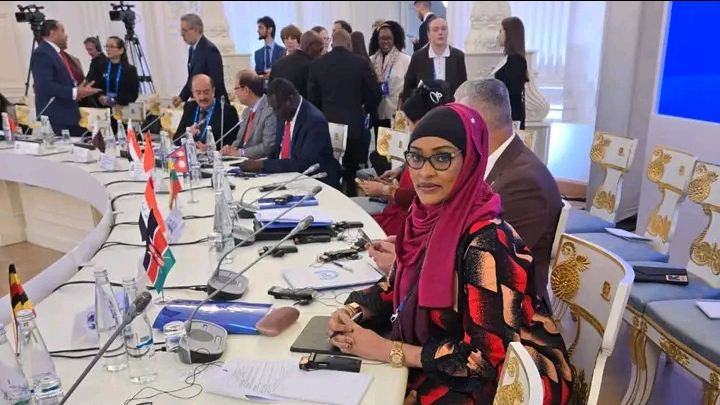

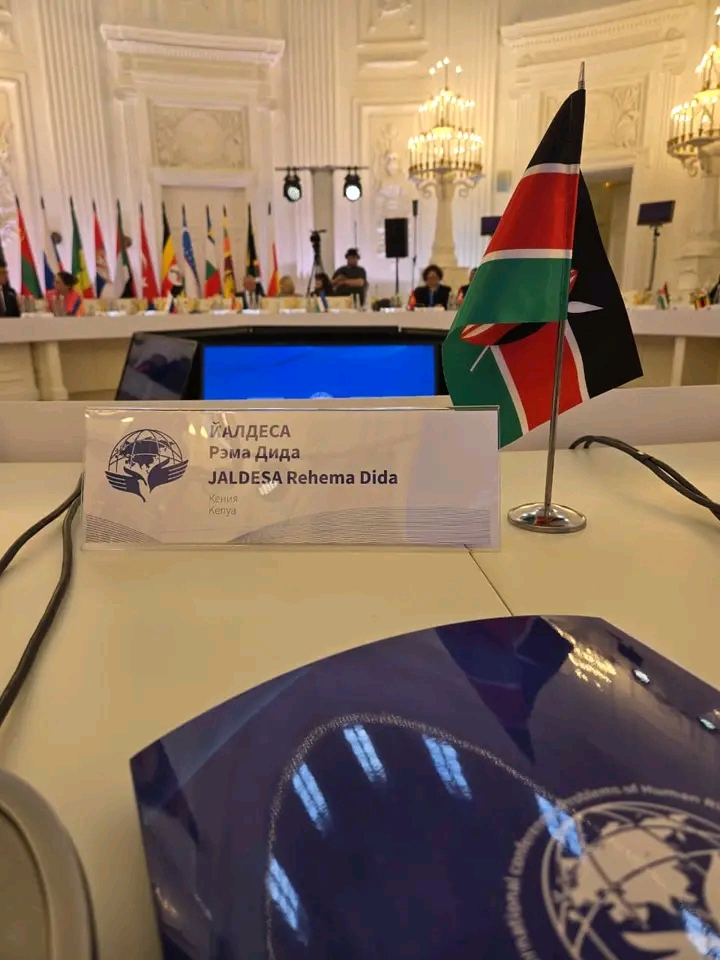
In a pivotal moment for international discourse on technology and humanity, Rehema Dida Jaldesa (RDJ), the esteemed Chairperson of Kenya’s National Gender and Equality Commission (NGEC), took center stage at the IX International Scientific and Practical Conference in Moscow, Russia.
Held on October 23, 2025, the event focused on “Protection of Human Rights in the Context of Digitalization of Society,” drawing global leaders, scholars, and advocates to navigate the complex interplay between rapid technological evolution and fundamental human freedoms.
Accompanied by the NGEC Vice Chairperson, Jaldesa’s participation not only elevated Kenya’s voice on the world stage but also underscored her role as a relentless champion for equality in an increasingly digitized world.
As the digital revolution accelerates, reshaping economies, societies, and governance structures worldwide, Jaldesa’s address served as a clarion call for vigilance.
She emphasized that while innovations like artificial intelligence, big data, and online platforms promise enhanced connectivity and efficiency, they must never erode the bedrock of human dignity.
“As we embrace innovation, we must ensure that digitalization upholds, rather than undermines, the fundamental rights and freedoms of all people,” Jaldesa declared, her words resonating through the conference halls of Moscow.
This sentiment captures the essence of a global challenge: balancing technological progress with ethical safeguards to prevent disparities from widening in the virtual realm.
Delving deeper into the perils and potentials of digital transformation, Jaldesa highlighted how technology is redefining institutional interactions with citizens.
From streamlining access to justice through e-governance tools to facilitating real-time civic engagement via social media, the benefits are undeniable. Yet, she warned of emerging threats that could exacerbate inequalities.
Data privacy breaches, rampant online abuse—including cyberbullying and misinformation—and digital exclusion affecting marginalized groups were pinpointed as critical risks. In regions like Kenya, where mobile penetration has surged but broadband access remains uneven, these issues hit particularly close to home.
Jaldesa painted a vivid picture of a world where the unconnected—often women, rural communities, and low-income populations—are left vulnerable, unable to partake in the digital economy or defend their rights online.
At the heart of Kenya’s strategy, as articulated by Jaldesa, lie three foundational pillars: inclusion, protection, and accountability.
Inclusion ensures that digital tools are accessible to all, bridging gaps in gender, geography, and socioeconomic status. Protection focuses on robust frameworks to shield users from harms like surveillance overreach and algorithmic biases that perpetuate discrimination.
Accountability demands transparency from tech giants, governments, and institutions, holding them responsible for ethical AI deployment and data handling. “Kenya’s approach rests on these key pillars—ensuring that no one is left behind in the digital space,” she stated, offering a blueprint that could inspire global policies.
This framework aligns with Kenya’s broader constitutional commitments to equality under the 2010 Constitution and international obligations under the Universal Declaration of Human Rights.
Jaldesa’s reaffirmation of NGEC’s global partnerships added a layer of collaborative depth to her message.
She spotlighted the 2024 Memorandum of Understanding (MoU) between NGEC and the Office of the High Commissioner for Human Rights in the Russian Federation—a strategic alliance aimed at bolstering human rights education, facilitating seamless information exchange, and enhancing institutional capacities.
This agreement, forged amid growing East-West dialogues on human rights, positions Kenya as a bridge-builder in international relations.
By fostering joint initiatives, the MoU seeks to equip human rights defenders with tools to combat digital threats, from deepfakes undermining electoral integrity to online gender-based violence.
The conference itself was a melting pot of ideas, uniting policymakers, academics, and activists from diverse corners of the globe. Discussions ranged from ethical AI governance to cybersecurity for vulnerable populations, with a shared goal of steering digital transformation toward inclusivity and ethics.
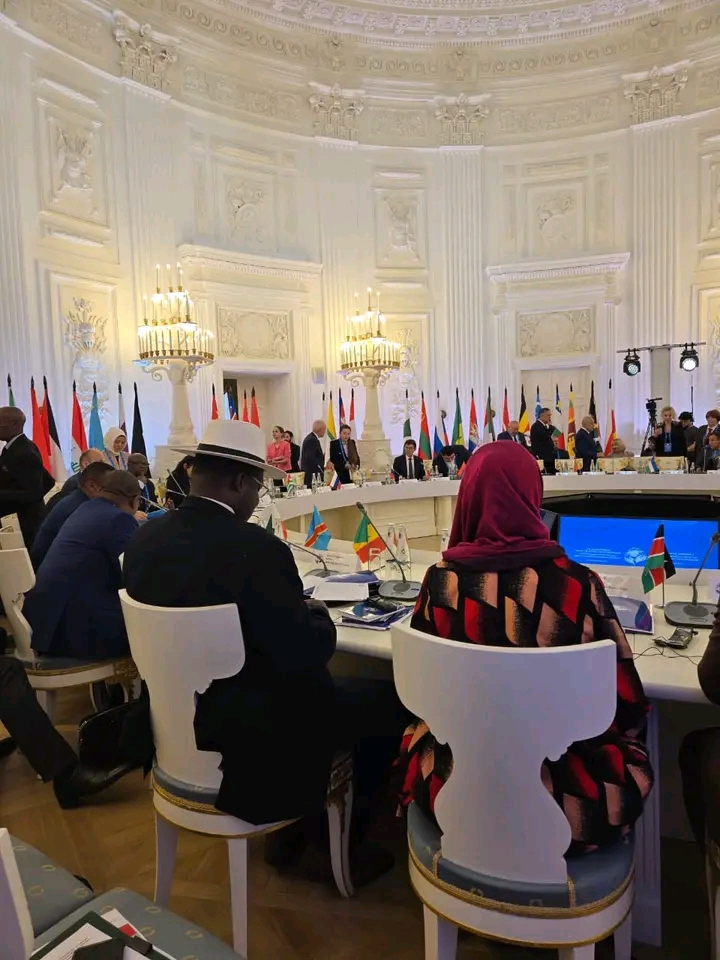
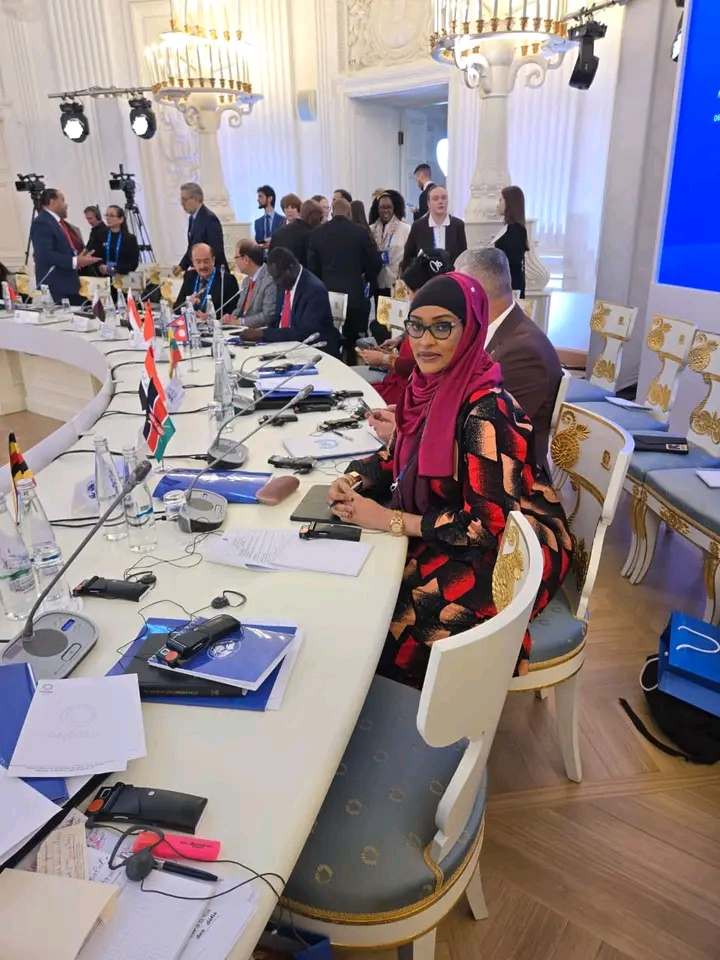
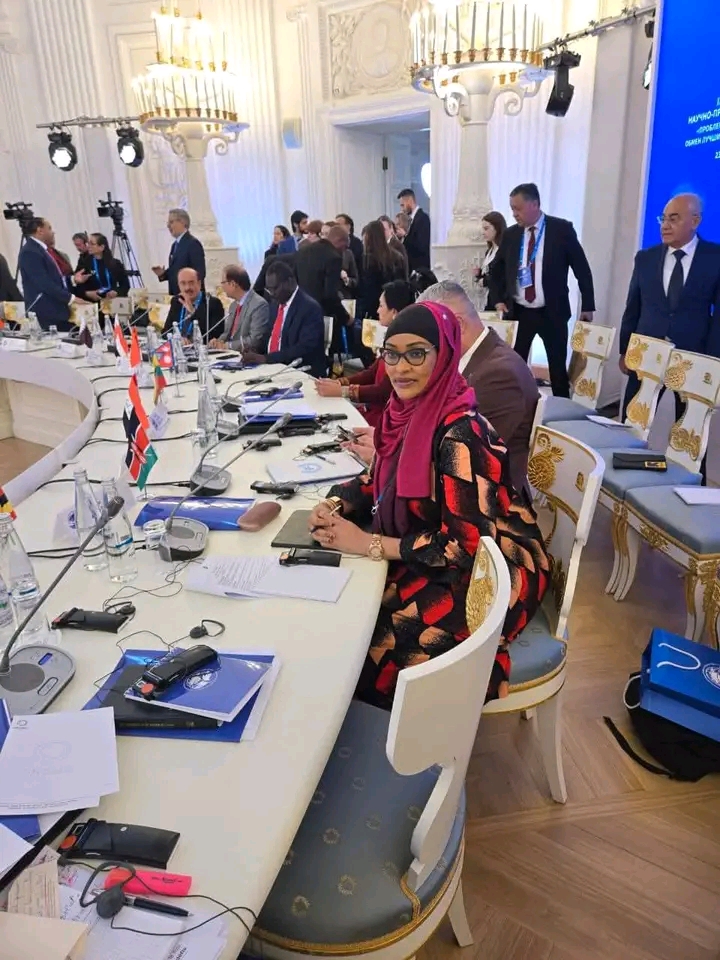
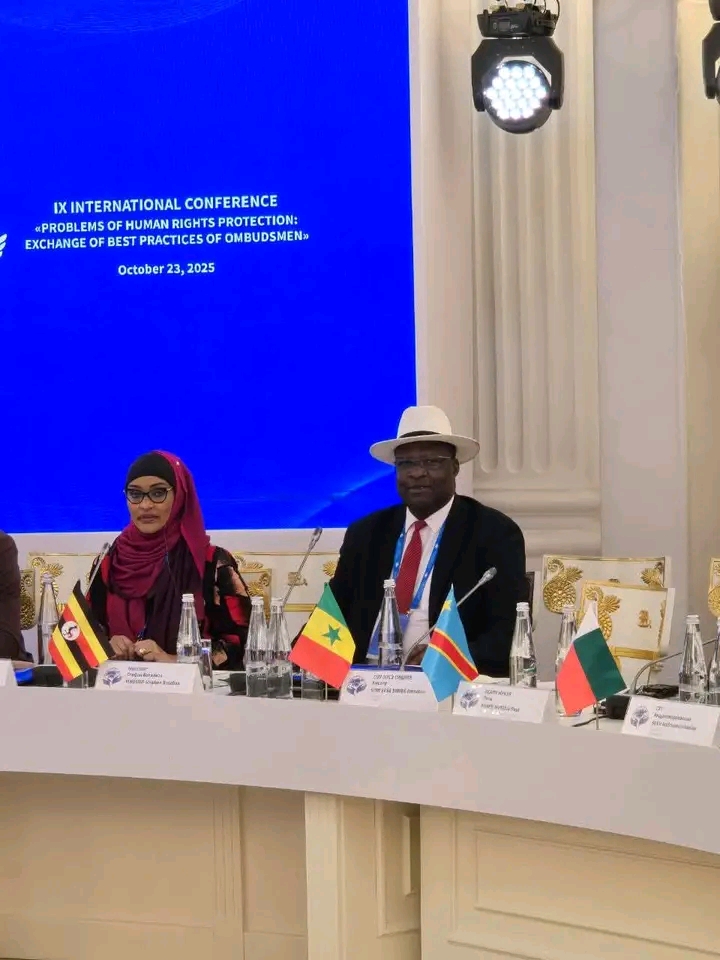
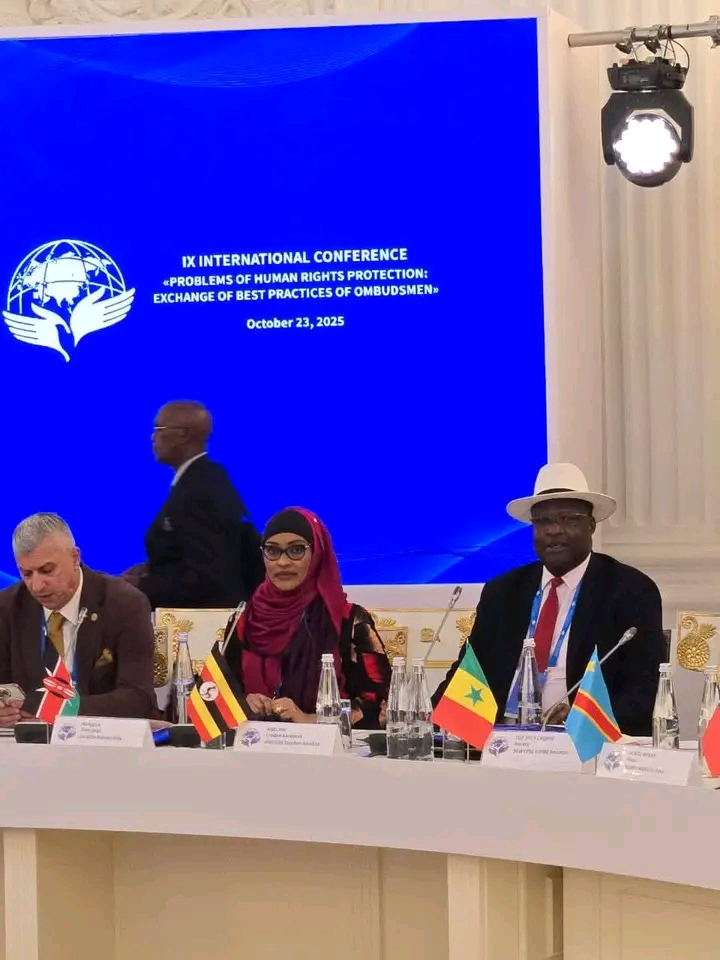
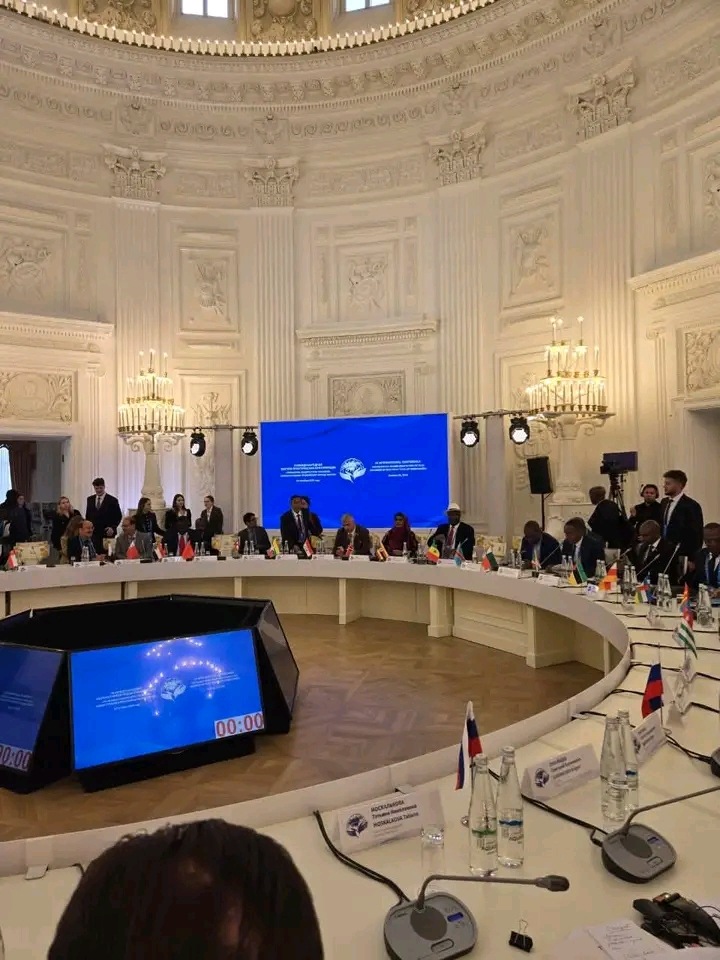
In this context, Jaldesa’s contributions stood out, not just for their eloquence but for their practicality—rooted in Kenya’s real-world experiences with digital initiatives like the Huduma Namba national ID system and efforts to combat online misinformation during elections.
As a trailblazer in gender equality and human rights, Rehema Dida Jaldesa’s journey to this Moscow podium reflects her unwavering dedication.
Appointed as NGEC Chairperson, she has spearheaded campaigns against gender-based violence, advocated for women’s economic empowerment, and pushed for inclusive policies in Kenya’s evolving digital landscape.
Her presence at the conference amplifies NGEC’s mandate under the National Gender and Equality Commission Act of 2011, which tasks the body with promoting gender equality, non-discrimination, and the integration of marginalized voices.
Looking ahead, Jaldesa’s commitments signal a proactive path forward. NGEC’s pledge to collaborate with international bodies ensures ongoing vigilance against digital pitfalls, while advocating for people-centered tech policies.
In an era where algorithms influence everything from job opportunities to social interactions, her vision reminds us that technology should serve humanity, not subjugate it.
This event in Moscow not only highlights the urgency of human rights in digitalization but also positions Rehema Dida Jaldesa as a global thought leader.
As nations grapple with the double-edged sword of tech advancement, Kenya’s insights—championed by RDJ—offer a compelling model for a more equitable digital future.
For more on human rights in the digital age, gender equality initiatives, or international conferences on technology ethics, stay tuned to evolving global dialogues.
Share This Post