

In the arid heartlands of Isiolo County, where dusty roads carve through vast pastoral landscapes, a wave of brutal violence has once again shattered the fragile peace.
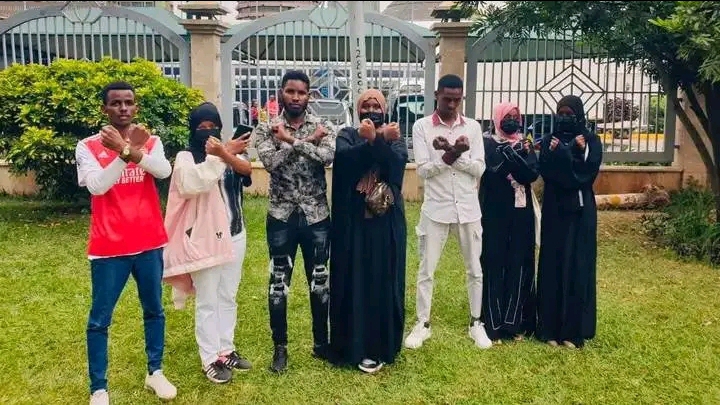
The Waso University Students Association (WUSA), a vibrant coalition of university and college students hailing from Isiolo, has issued a resounding condemnation of the recent killings in Merti, located in the Isiolo North Constituency.
Labeling the attacks as a dire threat to regional stability, the student leaders are demanding immediate action to curb the escalating insecurity that has claimed innocent lives and fueled fears of retaliatory clashes.
The outrage stems from a series of deadly incidents that have gripped the area, including the targeted shooting of road construction workers along the treacherous Gotu-Merti road—a vital artery connecting remote communities but increasingly notorious as a hotspot for banditry and inter-communal strife.
According to reports, armed assailants ambushed and killed at least two workers on October 18, 2025, in what authorities suspect is tied to ongoing resource disputes between neighboring ethnic groups.
Just days later, on October 20, gunmen struck again in the Kilisa village area of Merti, fatally shooting two villagers in a brazen attack that has left families reeling and communities on edge.
These killings were compounded by reports of widespread livestock theft, a common precursor to violence in Kenya’s northern frontier districts, where cattle rustling often escalates into deadly feuds over grazing lands and water sources.
Speaking to the media in an impassioned press briefing, WUSA representatives painted a grim picture of the toll exacted by these senseless acts.
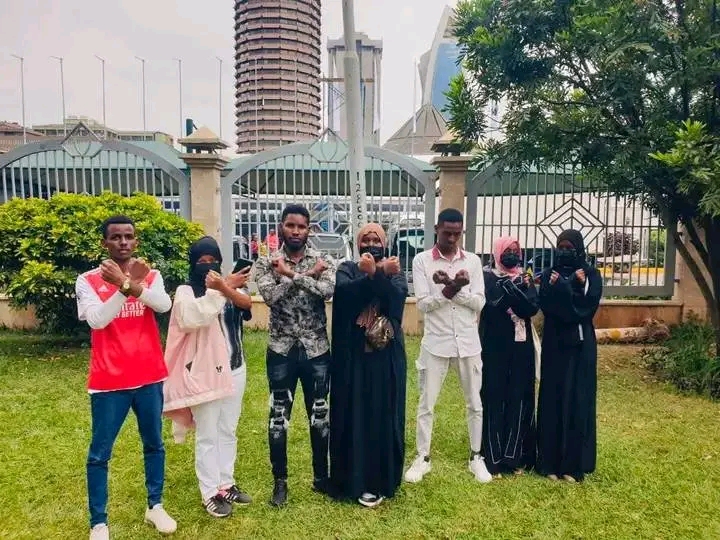
“The loss of lives, including those of hardworking road workers striving to improve our infrastructure, is not just a tragedy—it’s a stark reminder of the unchecked insecurity plaguing our home,” one student leader stated, their voice echoing the collective anguish of a generation weary of conflict.
They highlighted how such violence disrupts education, livelihoods, and the very fabric of society in Isiolo, a county long marred by cyclical clashes between pastoralist communities like the Borana, Samburu, and Somali groups.
The association urged the government to dust off and fully enforce previously signed peace accords—agreements brokered in recent years to foster dialogue and resource-sharing among feuding neighbors—while appealing directly to residents to prioritize peaceful coexistence over vengeance.
Echoing these calls, Isiolo County Police Commander Paul Wambugu addressed the crisis in an exclusive interview with a local vernacular radio station, confirming the incidents and providing a glimpse into the investigative machinery now in motion.
“Our preliminary findings indicate that the victims may have been entangled in the web of inter-communal conflicts that have simmered in this region for too long,” Wambugu revealed, emphasizing that the attacks bear the hallmarks of organized banditry linked to cross-border tensions.
He assured the public that the Directorate of Criminal Investigations (DCI) and the Sub-County Criminal Investigations Officer (SCCIO) in Merti are leading a thorough probe, with forensic teams scouring crime scenes for clues amid the vast, unforgiving terrain.
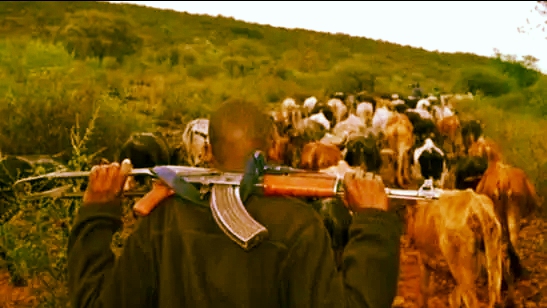
In a bid to stem the tide of potential reprisals, security forces have ramped up operations across key flashpoints, including Merti North, Kom, and Bulesa.
Patrols have been bolstered with additional personnel from the National Police Service, including elite units trained in counter-banditry tactics, to restore order and deter further aggression.
Wambugu’s message to the community was clear and urgent: “We appeal for calm and cooperation. Share any leads with us—your information could be the key to justice.”
This plea comes against a backdrop of heightened vigilance, following a separate but related operation in neighboring Marsabit County where police neutralized four suspected bandits on October 21, recovering AK-47 rifles and thwarting what could have been another deadly incursion.
The Merti killings are not isolated anomalies but part of a troubling pattern in Isiolo, where banditry and ethnic rivalries have claimed countless lives over the years.
Historical data reveals a litany of similar attacks: in 2022, bandits ambushed motorists along the Merti-Isiolo highway, killing two; in 2021, a Form 3 student was gunned down while traveling home on a bus plying the same route.
Earlier this year, in May 2025, authorities seized over 100 firearms and hundreds of kilograms of drugs from armed groups in Merti, underscoring the deep-rooted challenges of arms proliferation and narcotics fueling the violence.
Experts attribute these conflicts to a toxic mix of climate change-induced resource scarcity, political marginalization, and inadequate security infrastructure in Kenya’s arid and semi-arid lands (ASALs).
With climate variability exacerbating droughts, herders are forced into tighter competition for dwindling pastures, often crossing into rival territories and igniting old grudges.
WUSA’s intervention adds a youthful, forward-looking dimension to the discourse, positioning students as agents of change in a region desperate for sustainable solutions.
Their condemnation resonates beyond Isiolo, drawing parallels to nationwide efforts to combat insecurity, such as the government’s Operation Maliza Uhalifu in the North Rift.
Yet, as investigations unfold, questions linger: Will these probes yield arrests and prosecutions, or will they fade into the ether like so many before?
Community leaders, including elders and women’s groups, have joined the chorus, advocating for inclusive peace forums and investments in alternative livelihoods like eco-tourism and irrigation farming to break the cycle of violence.
As the sun sets over the windswept plains of Merti, both the police and student advocates stand united in their plea for harmony. “Peace and unity are our only path forward,” Wambugu reiterated, a sentiment mirrored by WUSA’s call for residents to rise above division.
In a county rich with cultural diversity and untapped potential, the hope is that this latest tragedy becomes a catalyst for lasting reconciliation, rather than another chapter in a saga of bloodshed.
Authorities have promised updates as the investigation progresses, urging vigilance while working tirelessly to safeguard lives and restore trust in this volatile frontier.
Share This Post