
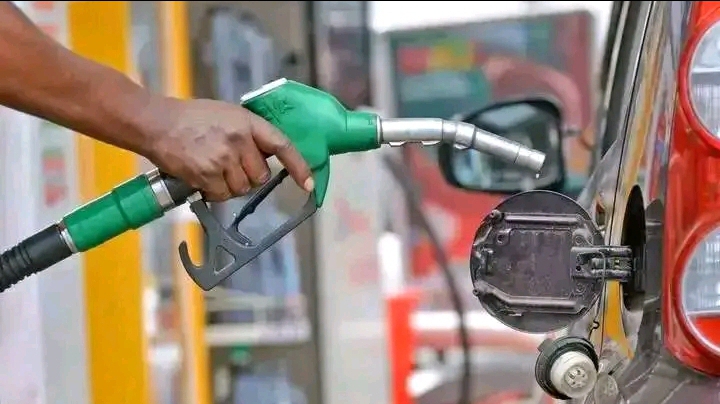

In a welcome move for Kenyan motorists and households amid fluctuating global energy markets, the Energy and Petroleum Regulatory Authority (EPRA) has announced a modest reduction in fuel prices for the month of September 2025.
Effective immediately from September 15, 2025, the pump prices for super petrol, diesel, and kerosene have been adjusted downward, offering a slight respite to consumers grappling with economic pressures.
This latest review underscores EPRA’s ongoing commitment to transparent pricing mechanisms that reflect international crude oil trends and local currency dynamics.
Key Price Adjustments and New Retail Rates in Nairobi
The reductions, though incremental, are poised to ease the burden on daily commuters, transport operators, and low-income families reliant on kerosene for cooking and lighting. Here’s a breakdown of the changes:
- Super Petrol: Reduced by KSh 0.79 per litre, now retailing at KSh 184.52 per litre in Nairobi.
- Diesel: Slashed by KSh 0.11 per litre, with the new price set at KSh 171.47 per litre.
- Kerosene: Lowered by KSh 0.80 per litre, bringing it to KSh 154.78 per litre.
These figures represent the maximum allowable retail prices in the capital, as mandated by EPRA under the Energy Act of 2019.
Prices in other regions may vary slightly due to transportation costs, with remote areas like Turkana or Mandera potentially seeing higher rates to account for logistics.
For instance, in coastal cities like Mombasa, petrol might hover around KSh 181-183 per litre, while inland hubs such as Kisumu could experience marginal increases over Nairobi’s baseline.
Behind the Price Cuts: Factors Driving EPRA’s Decision
EPRA’s monthly fuel price reviews, conducted around the 14th of each month, are influenced by a formula that incorporates the landed cost of imported petroleum products, exchange rate fluctuations, and applicable taxes such as the Value Added Tax (VAT) at 16%, excise duty, and the Road Maintenance Levy.
This September’s adjustments come on the heels of a dip in global crude oil prices, primarily driven by increased production from OPEC+ nations and subdued demand in major economies like China and Europe.
Analysts attribute the reductions to a stabilization in the Kenyan shilling against the US dollar, which has helped mitigate import costs.
Brent crude, a benchmark for Kenya’s fuel imports, has averaged around $75-80 per barrel in recent weeks—a notable decline from earlier peaks in 2025.
Additionally, efficient supply chain management by local oil marketers has contributed to these savings being passed on to consumers.
However, the reductions are relatively modest compared to previous cycles. For context, in August 2025, EPRA had implemented slight increases due to geopolitical tensions in the Middle East affecting supply routes.
This reversal highlights the volatile nature of the energy sector, where factors like weather disruptions, refinery maintenance, and international sanctions can swiftly alter trajectories.
Economic Impact: A Boost for Consumers and Businesses
The price drops, while small, could translate into meaningful savings for various sectors.
For the average Kenyan driver filling a 50-litre tank with petrol, this equates to approximately KSh 39.50 in savings per refill—potentially adding up over multiple trips.
Transport operators, including matatu and boda boda riders, stand to benefit significantly, as diesel forms the backbone of public and freight transportation.
Lower diesel costs could help stabilize fare prices, which have been a point of contention amid rising living expenses.
Households using kerosene for lanterns and stoves will appreciate the KSh 0.80 cut, especially in rural areas where electricity access remains limited.
According to recent data from the Kenya National Bureau of Statistics (KNBS), over 40% of Kenyan homes still rely on kerosene, making this adjustment a direct aid to vulnerable populations.
On a broader scale, reduced fuel prices could curb inflationary pressures. Fuel is a key input in manufacturing, agriculture, and logistics, influencing everything from food prices to construction materials.
Economists project that sustained low energy costs might support Kenya’s GDP growth targets for 2025-2026, fostering investment in green energy transitions like electric vehicles and solar alternatives.
Consumer Tips and What to Watch Next
Motorists are advised to shop around at reputable stations to ensure they’re getting the best deals, as competition among oil marketers like TotalEnergies, Shell, and local players can lead to slight undercuts.
EPRA encourages reporting any price gouging via their hotline or website to maintain market integrity.
Looking ahead, the next review on October 14, 2025, will be closely monitored. With global uncertainties—including potential hurricanes in the Gulf of Mexico or shifts in US Federal Reserve policies—prices could swing again.
EPRA has reiterated its push for sustainable energy practices, urging Kenyans to explore fuel-efficient vehicles and renewable sources to reduce long-term dependency on fossil fuels.
This development aligns with the government’s Vision 2030 agenda, aiming for affordable energy as a pillar of economic resilience. For the latest updates, visit EPRA’s official website or follow their announcements on social media platforms.
In summary, while the reductions may seem minor at first glance, they signal positive momentum in Kenya’s energy landscape, providing timely relief and underscoring the importance of adaptive regulatory frameworks in a dynamic global market.
Stay tuned for more insights on fuel prices, energy policies, and economic trends in Kenya.
Share This Post