


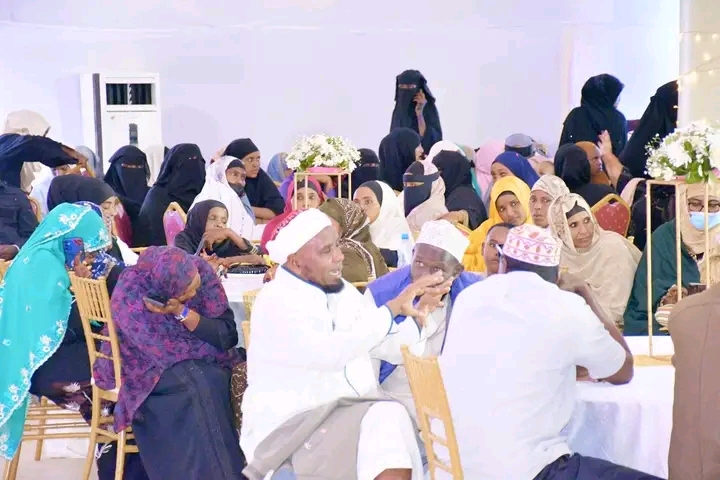
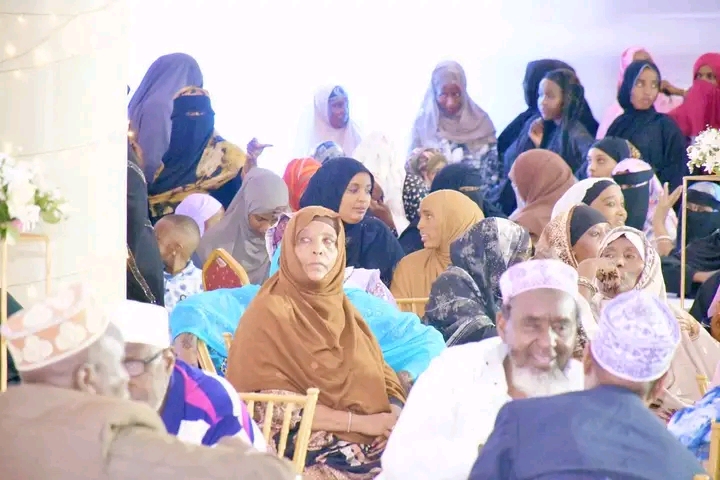
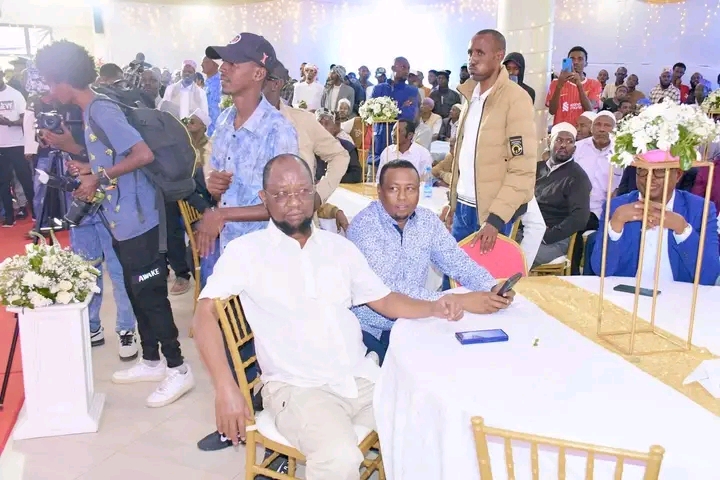
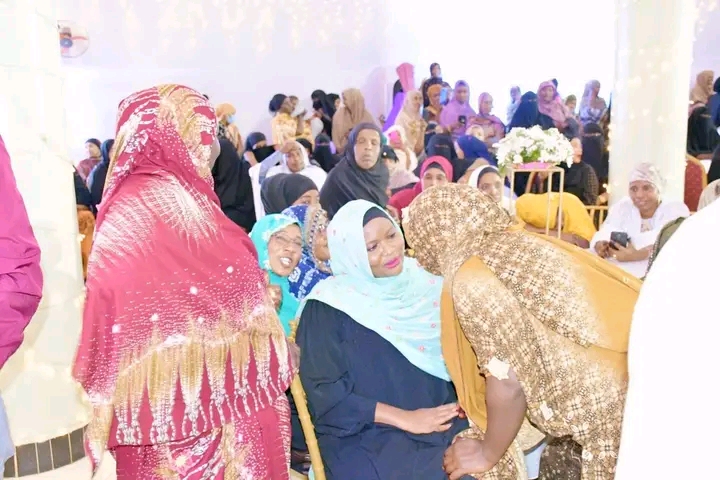
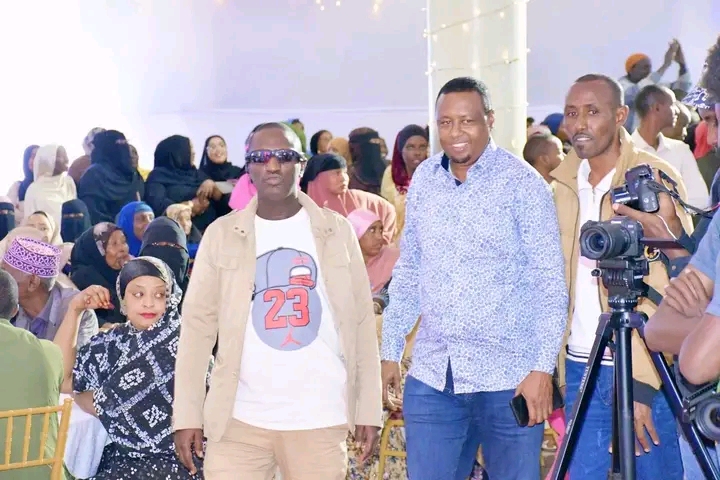
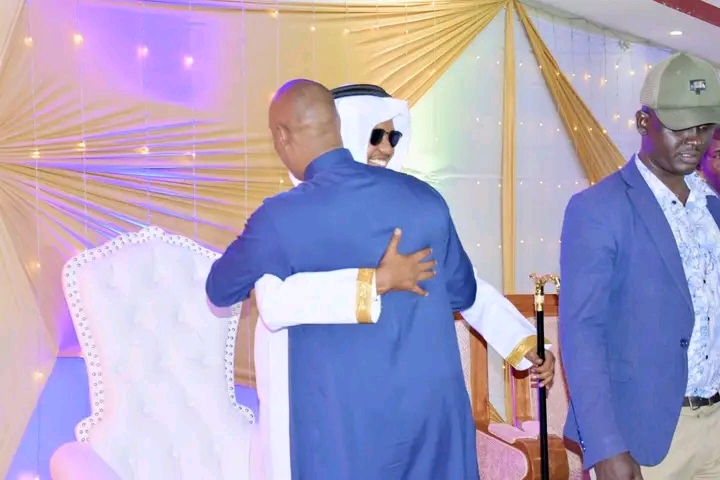
In the heart of Kenya’s arid enclave of Isiolo County, where ancient Borana traditions intertwine with modern political intrigue, a joyous Nikkah ceremony descended into chaos on August 23, 2025.
What was meant to be a sacred union between Dalao, son of former Isiolo Governor Godana Doyo, and his bride from the Karayu clan, turned into a public spectacle of division.
The plush Elboran Resort on the outskirts of Isiolo town, typically a haven for celebrations, became the unlikely battleground for a simmering dispute over the county assembly speakership.
Attendees, including high-profile figures like current Governor Abdi Guyo, Mumina Bonaya (County MP), former Isiolo South MP Abdi Koropu, and the controversial Speaker Abdullahi Banticha, arrived with blessings on their lips—only for the event to unravel amid accusations of political sabotage.
The disruption, which has ignited a firestorm on social media and reshaped local alliances, underscores the perilous blend of tribal loyalties, Islamic marital sanctity, and cutthroat politics in Kenya’s northern frontier.
As condemnations pour in, critics argue that the incident not only shattered a young couple’s dreams but also exposed deep fissures within the Borana community, potentially altering the political landscape ahead of future elections.
The Ceremony: From Blessings to Bedlam
The afternoon affair at Elboran Resort began with promise. Guests exchanged warm Islamic greetings, invoking divine favor upon the couple.
One high-level attendee recited the traditional dua: “Barak Allahu laka wa baraka alaik, wa jama’a bainakuma fi khair” – “May Allah bless you and send blessings upon you, and bring goodness between you.”
Another added heartfelt wishes: “As you unite in marriage, I wish you years of happiness, love, and joy! May Allah bless you! My beloved bride and groom! Congratulations on your wedding!”
Yet, tranquility shattered upon the arrival of Speaker Banticha and his entourage. Sources reveal that the bride’s father, a vocal supporter of Mohamed Roba Qoto (commonly known as MRQ), had explicitly warned Banticha against attending.
Defying the ultimatum, Banticha’s presence prompted the father to halt the Nikkah proceedings abruptly.
Accusations flew: Critics lambasted the bride’s father for overstepping, arguing that while he could control invitations from his Karayu clan side, he had no authority to dictate the groom’s Warjidha family guest list.
Eyewitness accounts paint a vivid picture of the ensuing turmoil. The groom, Dalao, reportedly fled the venue in distress, heading to Nairobi as the ceremony dissolved into confusion.
The bride, heartbroken, was said to be inconsolable, even threatening self-harm and vowing eternal fidelity to Dalao alone. “She declared she would not marry anyone else,” confided a source close to the family, highlighting the personal toll of the political interference.
The Political Undercurrents: A Speakership Saga Fuels the Fire
At the core of this matrimonial meltdown lies a protracted battle for the Isiolo County Assembly speakership. MRQ, the former speaker, staunchly maintains his legitimacy, branding Banticha a “fraudulent claimant.” This rivalry has polarized the region, with clan affiliations amplifying the stakes.
Godana Doyo, the groom’s father and Isiolo’s inaugural governor, hails from the Warjidha clan, while Banticha represents the Hawatu clan. The bride’s father, aligned with MRQ’s Karayu faction, allegedly viewed Banticha’s attendance as a provocation.
The incident escalated when reports emerged of Karayu youths and elders, purportedly led by MRQ, Osman Dima, and others, storming the venue in two Land Cruisers.

A scathing social media post accused them of hypocrisy: “Shockingly, many Karayu who took part in this disruption—such as MRQ, Kumpa, Osman Dima, and MokKu—are themselves married to Sakuye and Somali women. Only MRQ is married to a Digalu. None of them know what it truly means to marry a real Borana girl, yet they had the audacity to interfere in this union.”
The bride’s father reportedly declared a blanket ban on inter-clan marriages involving Warjidha, stating, “No Warjidha will ever marry my daughters, nor will my sons marry from Warjidha.”
This inflammatory remark has been decried as an assault on “JiMa” (Jida-Maliyyu-a broader Borana subgroup), positioning Karayu as adversaries and igniting calls for unity against such divisiveness.
Adding intrigue, MRQ’s cryptic Facebook post three days prior—”LOADING…”—is now interpreted as a sinister foreshadowing.
A Facebook user blasted: “What was loading was just to disrupt the Nikkah of the Fmr Governor Doyo’s son. Petty it is. This is the most senseless act you can least expect from any upright person.”
Cultural and Religious Ramifications: Desecrating the Sacred
In the Borana community, deeply rooted in Oromo traditions and predominantly Islamic faith, marriage is revered as a cornerstone of social harmony.
The Nikkah, an Islamic marriage contract, symbolizes divine union and communal blessing, often transcending personal or political grievances. Disrupting such an event is seen as a grave cultural taboo, akin to profaning a sacred rite.
Local voices echo this sentiment. Raliya, a Hawatu clan tea vendor in Isiolo town, expressed outrage: “Why would Banticha coming to a social event, especially one as important as a wedding, make a bride’s father cancel the wedding? Is Banticha not a Borana or is he some kind of an outcast?”
Previously an MRQ supporter, she declared a shift: “We are very angry about the bride’s father and Mohamed Roba for this heinous action. Now we will not only support Banticha, we will also support Governor Guyo for a second term. I have been an ardent supporter of MRQ before but no more. He has gone too far.”
This backlash extends beyond Hawatu; even Warjidha allies of MRQ are defecting, viewing the disruption as an attack on their clan’s dignity. Analysts suggest MRQ’s political capital is eroding, with the incident alienating moderates who prioritize cultural sanctity over partisan loyalty.
“Marriage in our community is a bridge, not a barrier,” noted a Borana elder anonymously. “Turning it into a political weapon risks fracturing the very fabric of our society.”
Social Media Storm: Condemnations and Calls for Accountability
The saga has exploded online, with hashtags like #IsioloWeddingChaos, #MRQStoopsLow, and #BoranaUnity trending across platforms.
Netizens decry the “stooping to a whole new low” by MRQ and his associates, labeling the disruption “truly unfortunate” and unprecedented.
One post lamented: “The Karayu turned what should have been a sacred wedding into a political battleground. They made it clear that because of the politics at hand, Karayu should only marry Karayu, and Warjidha should only marry Warjidha.”
Defenders of Doyo emphasize his right to invite guests, absolving Governor Guyo and Banticha of blame. The consensus?
Politics has no place in personal milestones, and this incident has humanized the often-abstract world of clan rivalries, drawing sympathy for the young couple caught in the crossfire.
Broader Implications for Isiolo Politics
This wedding debacle could reshape Isiolo’s political dynamics. With Governor Guyo eyeing re-election, the incident bolsters his image as a unifier against MRQ’s perceived extremism.
Clan realignments—Hawatu shifting toward Guyo, Warjidha consolidating against Karayu—may influence voter turnout in upcoming polls.
Experts warn of escalating tensions, urging dialogue to prevent further communal strife in a region already grappling with resource conflicts and devolution challenges.
As for the couple, the Nikkah’s fate remains uncertain. Will love prevail over politics, or has the damage proven irreparable? Sources indicate reconciliation efforts are underway, but the scars may linger.
Stay tuned for updates on this unfolding story, as Isiolo navigates the delicate balance between tradition, faith, and ambition. In a community where weddings forge alliances, this disruption serves as a stark reminder: When politics invades the altar(mimbar), everyone loses.
Share This Post