
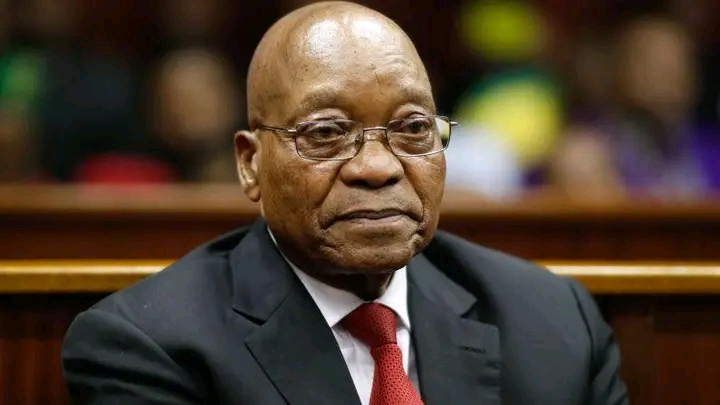

In a powerful and thought-provoking address at the University of Professional Studies, Accra (UPSA) during the 2025 Annual Leadership Lecture, former South African President Jacob Zuma issued a bold call for African nations to adopt a single currency.
This visionary proposal, aimed at fostering economic independence and reducing reliance on the U.S. dollar, has sparked renewed conversations about Africa’s economic future and its quest to dismantle lingering colonial-era structures.
Zuma’s speech, delivered with characteristic conviction, underscored the urgent need for African-owned trading platforms and greater financial autonomy to unlock the continent’s vast economic potential.
A Vision for Economic Unity
Zuma’s address at UPSA, a prestigious platform for thought leadership in Ghana, was a clarion call for African unity in the economic sphere.
He argued that a single African currency would streamline intra-African trade, eliminate the inefficiencies of multiple exchange rates, and shield the continent from the volatility of global financial markets.
“Africa cannot continue to trade in foreign currencies that we do not control,” Zuma declared, emphasizing that reliance on the dollar and other global currencies perpetuates a system of economic dependency rooted in colonial history.
The former president highlighted the African Continental Free Trade Area (AfCFTA), launched in 2021, as a critical step toward economic integration.
However, he stressed that its full potential could only be realized with a unified monetary framework. “A single currency would make trade seamless, reduce transaction costs, and empower African businesses to compete on a global stage,” Zuma said.
He pointed to the European Union’s Euro as a model, noting that a similar system could strengthen Africa’s bargaining power in international markets.
Breaking Free from Colonial Shackles
Zuma’s speech went beyond economics, delving into the historical and political implications of Africa’s financial dependency.
He argued that the continued use of foreign currencies entrenches colonial-era structures, where African economies remain tethered to the interests of Western powers.
“Our resources are vast, yet we allow others to dictate their value through their currencies,” he said, urging African leaders to take bold steps toward financial sovereignty.
He proposed the creation of African-owned trading platforms to facilitate intra-continental commerce and reduce dependence on foreign financial systems.
Such platforms, Zuma argued, would prioritize African goods and services, fostering self-reliance and shielding the continent from external economic shocks.
“We must build systems that reflect our values, our priorities, and our vision for the future,” he said, calling for investment in technology and infrastructure to support these initiatives.
The Challenges and Opportunities Ahead
While Zuma’s proposal for a single currency has ignited excitement, it also raises significant questions about implementation. Africa is home to 54 nations with diverse economies, political systems, and monetary policies.
Harmonizing these into a single currency framework would require unprecedented cooperation and coordination among African Union (AU) member states.
Experts point to challenges such as differing inflation rates, economic disparities, and political will as potential hurdles.
However, Zuma remained optimistic, citing successful regional initiatives like the West African CFA franc and the East African Community’s efforts toward monetary union as stepping stones.
He urged African leaders to prioritize long-term benefits over short-term challenges, emphasizing that a unified currency could strengthen Africa’s global economic standing.
“The world is changing, and Africa must lead, not follow,” he said, calling for a new generation of leaders to champion the cause.
A Call to Action for African Leaders
Zuma’s lecture was not just a critique of the status quo but a rallying cry for African leaders, policymakers, and citizens to take ownership of the continent’s economic destiny.
He called for increased investment in education, innovation, and infrastructure to support economic integration. “Our youth must be equipped to drive this transformation,” he said, highlighting the role of institutions like UPSA in shaping Africa’s future.
The former president also addressed the role of the diaspora, encouraging Africans abroad to contribute their expertise and resources to the continent’s development.
“Africa’s wealth is not just in its minerals or land but in its people,” he said, urging collective action to build a prosperous and self-reliant continent.
Global Context and Implications
Zuma’s proposal comes at a time when global economic dynamics are shifting. The dominance of the U.S. dollar is increasingly being questioned, with countries like China and Russia advocating for alternatives in international trade.
For Africa, reducing dollar reliance could enhance economic resilience, particularly in the face of global crises such as inflation, supply chain disruptions, or geopolitical tensions.
Moreover, a single African currency could attract foreign investment by simplifying trade and reducing currency risks.
It could also strengthen Africa’s voice in global institutions like the International Monetary Fund (IMF) and World Bank, where the continent has historically been underrepresented.
Reactions and the Way Forward
Zuma’s speech has elicited a range of reactions across the continent. Supporters view it as a bold and necessary step toward economic emancipation, while skeptics caution against the complexities of implementation.
Social media platforms, particularly X, have been abuzz with discussions, with many Africans expressing hope that the proposal could galvanize action toward greater unity.
The African Union, which has long advocated for economic integration, could play a pivotal role in advancing Zuma’s vision.
Initiatives like the AfCFTA and the African Monetary Fund provide frameworks for exploring a single currency.
However, experts emphasize the need for robust political commitment, economic reforms, and public buy-in to make it a reality.
Why it Matters!
Jacob Zuma’s call for a single African currency at the UPSA 2025 Annual Leadership Lecture is a bold vision for a continent at a crossroads.
By advocating for financial sovereignty, African-owned trading platforms, and economic unity, Zuma has reignited a critical conversation about Africa’s place in the global economy.
While challenges remain, his message resonates as a powerful reminder of the continent’s potential to chart its own path.
As African leaders, policymakers, and citizens reflect on Zuma’s words, the question remains: Can Africa seize this moment to break free from the chains of economic dependency and build a future defined by unity, resilience, and prosperity?
Only time will tell, but Zuma’s impassioned plea has set the stage for a transformative journey toward a stronger, more independent Africa.
Share This Post