


•The Impromptu Visit Has Spotlighted Healthcare Gaps
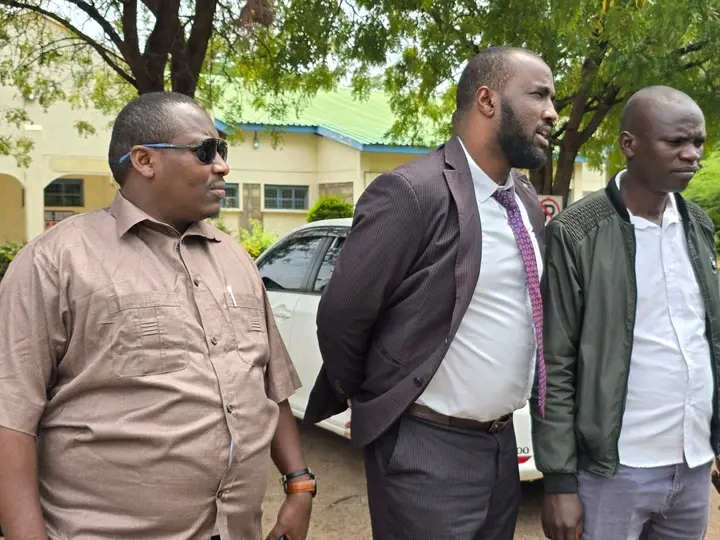
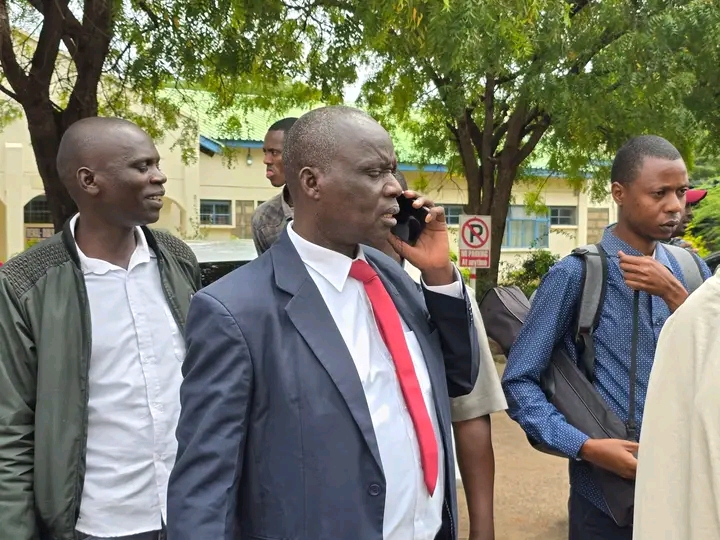
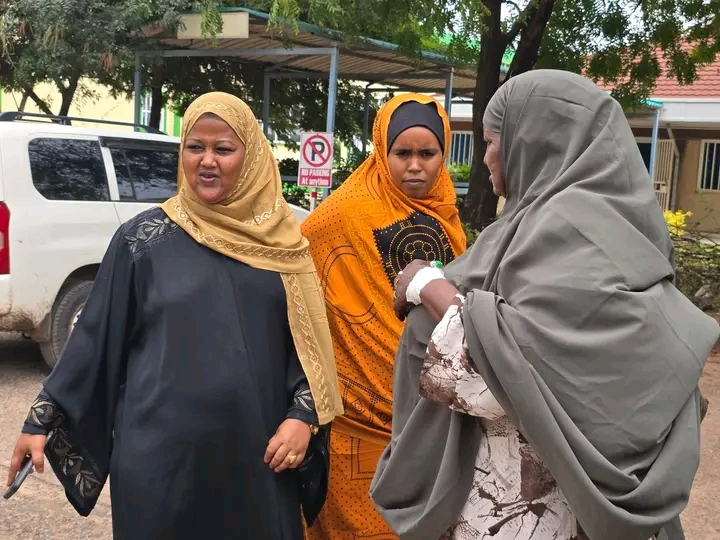
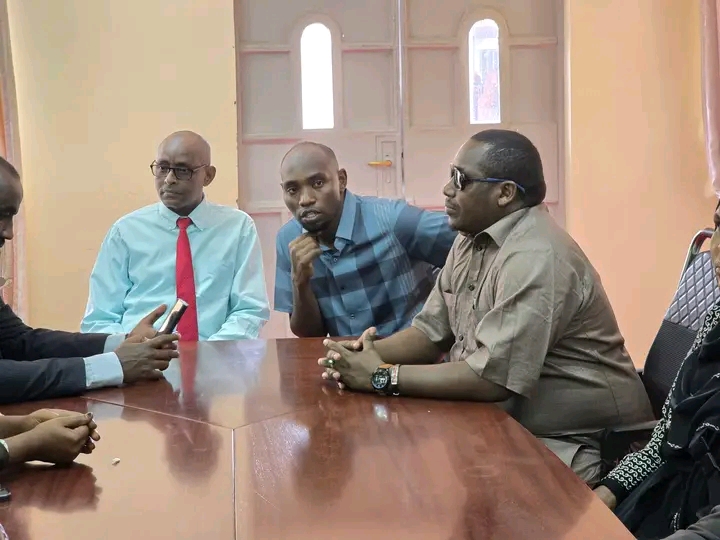
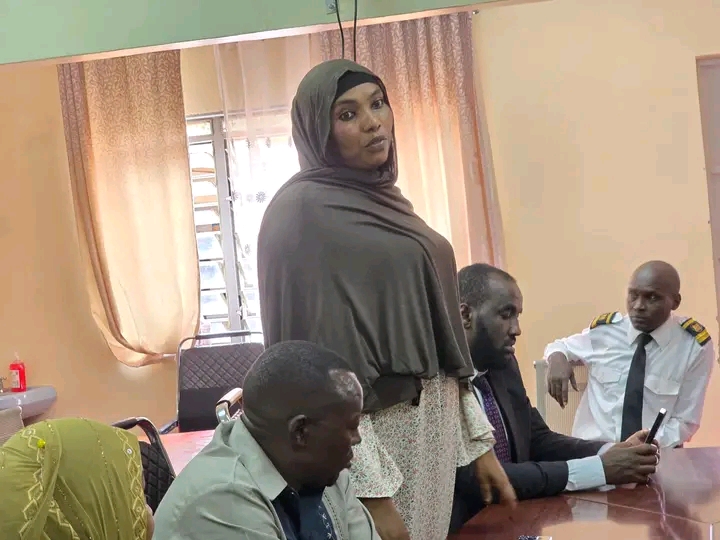
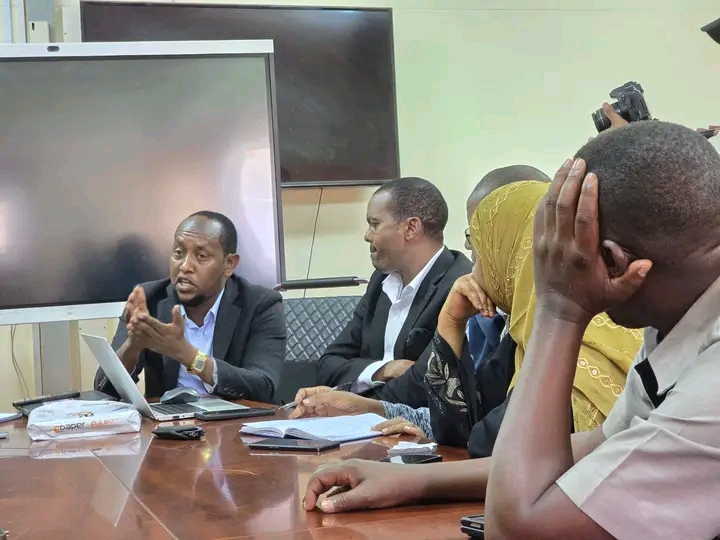

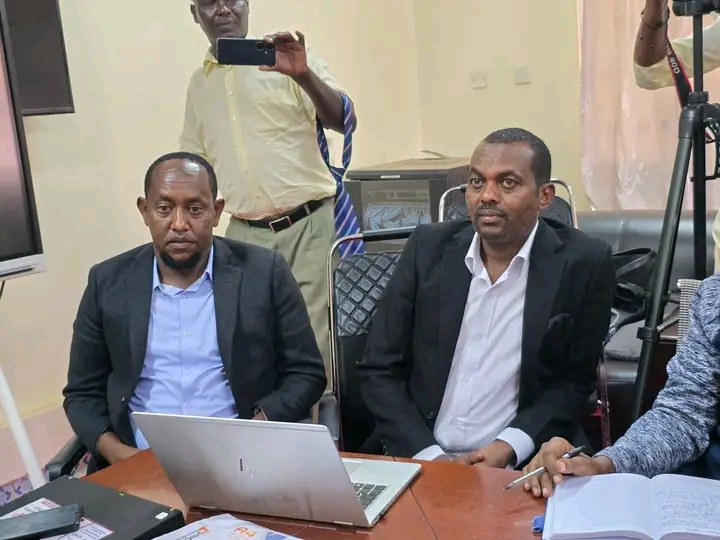
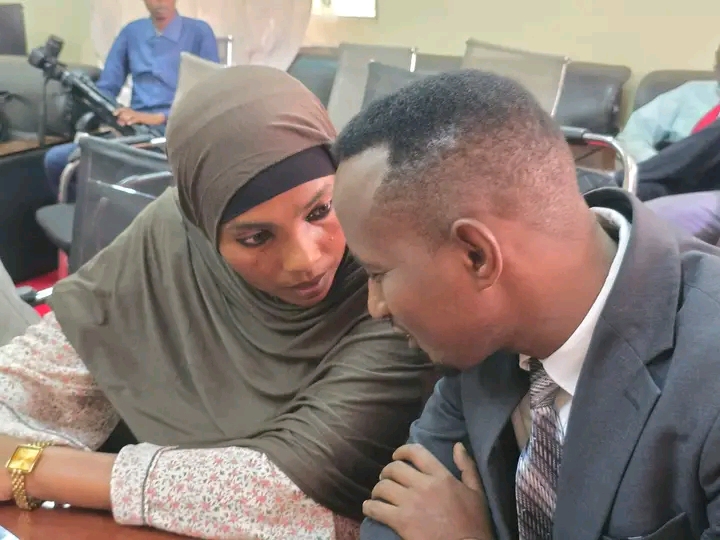

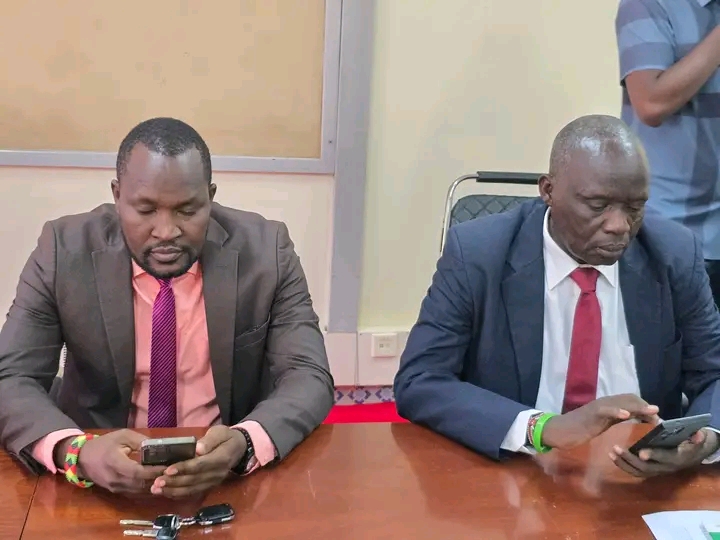
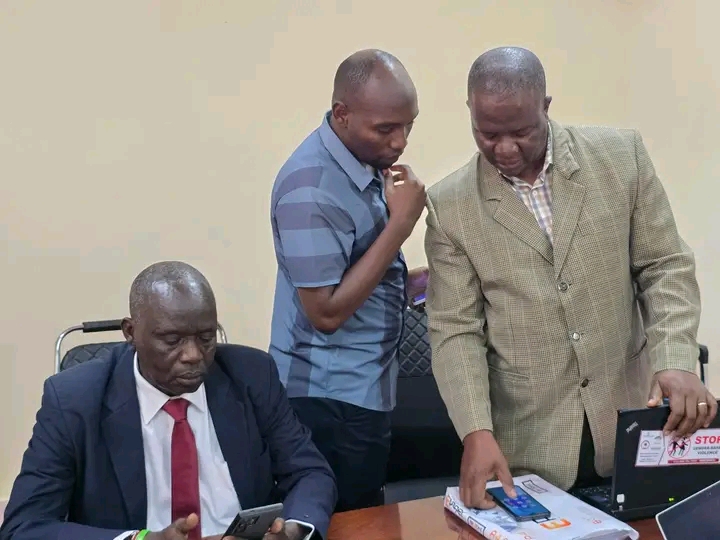


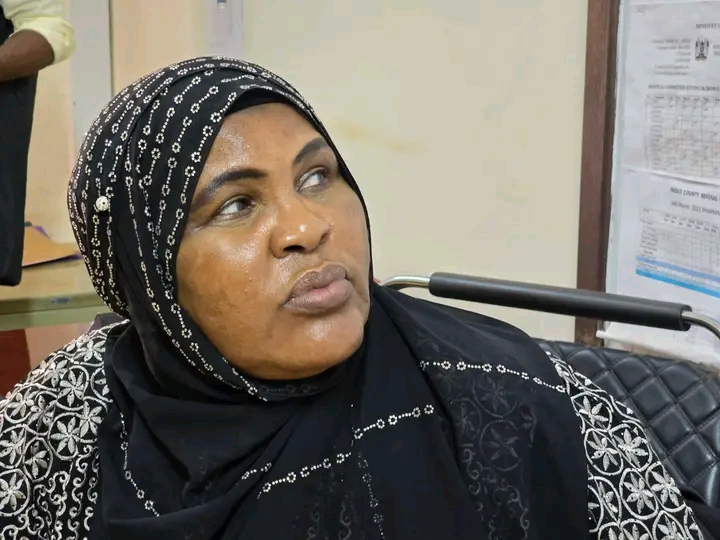
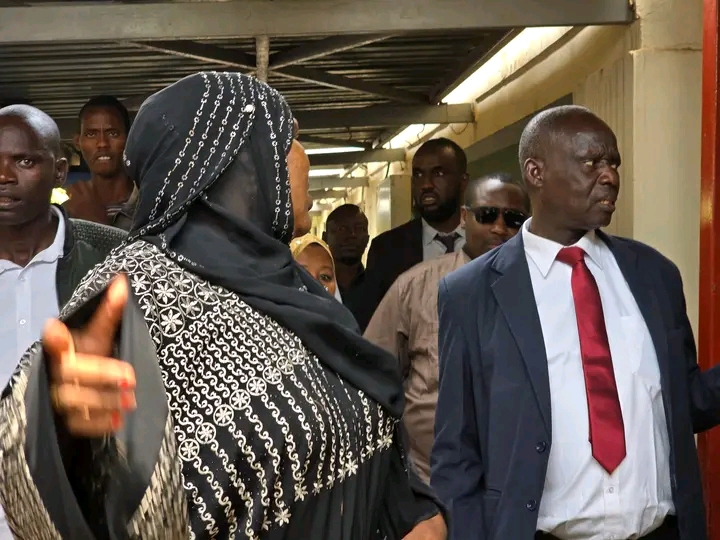
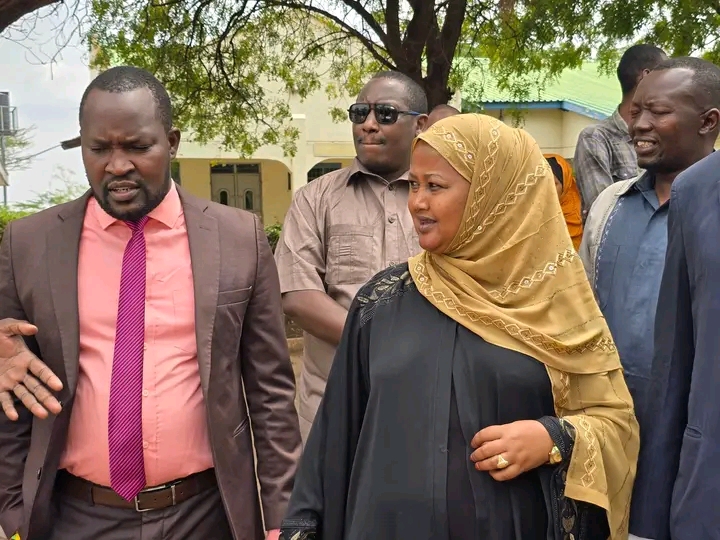
In a bold move underscoring the critical role of oversight in Kenya’s devolved healthcare system, a delegation of Members of the County Assembly (MCAs) from Isiolo County conducted an impromptu visit to the Isiolo County Teaching and Referral Hospital(ICTRH).
This unannounced inspection followed the recent delivery of a substantial consignment of medical drugs and supplies valued at Ksh.27,613,973 from the Kenya Medical Supplies Authority (KEMSA).
Led by the Chairperson of the Health Committee, Salesio Kiambi, and comprising MCAs allied to Speaker Mohamed Roba, the visit aimed to verify the receipt of the vital shipment while addressing persistent concerns over service delivery, staffing shortages, and infrastructure deficiencies that have long plagued the facility.
The delivery from KEMSA represents a significant boost to Isiolo’s healthcare resources, particularly in a region where access to quality medical services remains a pressing challenge for residents, or “wananchi,” as they are commonly referred to in local parlance.
Isiolo County, situated in Kenya’s arid and semi-arid lands (ASALs), grapples with unique healthcare hurdles, including vast geographical distances, limited infrastructure, and a high burden of diseases such as malaria, tuberculosis, and vaccine-preventable illnesses.
This infusion of supplies—encompassing essential medicines, vaccines, and equipment—comes at a pivotal time as the county transitions to the newly established Social Health Authority (SHA), a national initiative designed to enhance universal health coverage under the Social Health Insurance Fund (SHIF).
Purpose and Key Objectives of the Impromptu Visit
The MCAs’ surprise inspection was not merely a routine check but a proactive step to ensure transparency and accountability in the distribution and utilization of public resources.
As health is a fully devolved function under the Fourth Schedule of the Constitution of Kenya, 2010, county assemblies hold a constitutional mandate to oversee executive functions, safeguarding residents’ right to the highest attainable standard of health as enshrined in Article 43.
During the visit, the delegation meticulously confirmed that the KEMSA consignment had been duly received at the Isiolo Referral Hospital. However, the focus quickly shifted to broader systemic issues hindering effective service delivery.
The MCAs engaged directly with hospital administrators and medical staff, raising pointed questions and demands for immediate reforms.
This interaction highlighted the assembly’s commitment to bridging the gap between policy promises and on-ground realities, ensuring that devolved healthcare truly benefits grassroots communities.
Critical Concerns Raised by MCAs: A Deep Dive into Healthcare Challenges
The visit unearthed a litany of concerns, with individual MCAs voicing specific grievances that painted a comprehensive picture of the hospital’s operational shortcomings.
Cherab Ward MCA Golle Abgudo set the tone by critiquing the overall status of the facility. She highlighted subpar services in essential departments, including the mortuary, dialysis unit, and ambulance fleet.
“The state of our mortuary and dialysis services is unacceptable, directly impacting patient outcomes,” Abgudo emphasized, calling for urgent enhancements in critical areas like immunization programs and tetanus injections.
These services are vital in Isiolo, where infectious diseases and injuries from pastoralist lifestyles are rampant, and delays can lead to preventable fatalities.
Another MCA, identified as Losu, sought clarification on the scope of the KEMSA delivery. “Is this consignment exclusively for the referral hospital, or will it extend to dispensaries in our wards?” Losu queried, requesting detailed breakdowns of the medicines included.
This concern reflects broader anxieties about equitable distribution in a county where rural health facilities often operate with minimal stocks, forcing patients to travel long distances for basic care.
Nominated MCA Dekha Bonja zeroed in on emergency response capabilities, demanding transparency on the functionality and number of operational ambulances.
In a region prone to road accidents, banditry, and nomadic movements, reliable ambulances are lifelines, yet reports of breakdowns and fuel shortages have been recurrent.
Burat Ward MCA Lorot addressed human resource bottlenecks, raising alarms over stalled staff promotions, inadequate specialized job groupings, and other staffing challenges.
“Without motivated and well-structured personnel, service delivery suffers,” Lorot argued, pointing to how these issues contribute to burnout and inefficiencies among healthcare workers.
Nominated MCA Nura took a forensic approach, insisting on viewing the official delivery note for the KEMSA consignment and advocating for a thorough counter-check to prevent discrepancies.
He also inquired about the status of polio vaccination campaigns—a global health priority amid ongoing eradication efforts—and the functionality of the Beyond Zero van, a mobile clinic initiative spearheaded by former First Lady Margaret Kenyatta to reduce maternal and child mortality.
Adding another layer, Nura flagged deficiencies in slaughter facilities, noting the absence of public health officers to inspect and certify meat for safety.
This issue is particularly acute in Isiolo’s livestock-dependent economy, where uninspected meat poses risks of zoonotic diseases like brucellosis and anthrax.
Collectively, the MCAs expressed grave concerns over the lack of pharmacists at the hospital. “Qualified pharmacists are indispensable for accurate dispensing and patient safety,” they stressed, warning that their absence could lead to medication errors, drug resistance, and compromised care quality.
Hospital Administration’s Response and Calls for Collaboration
In response to these multifaceted concerns, Hospital Administrator Mr. Adan Boru provided reassurances, confirming that the KEMSA consignment was designated solely for the Isiolo Referral Hospital.
“We are actively addressing the highlighted gaps and appreciate the MCAs’ vigilance,” Boru stated, outlining ongoing measures to bolster infrastructure and staffing.
The hospital team, including County Medical Director of Medical Services Dr. Kivuva, the Director and Deputy Director of Public Health, engaged constructively with the delegation, fostering a dialogue aimed at collaborative solutions.
A notable request from the administration was for MCA support in civic education on the SHA. As Kenya rolls out this new health financing model, public awareness is crucial to encourage enrollment and utilization, ensuring that vulnerable populations in Isiolo—such as pastoralists and low-income families—reap its benefits.
This call aligns with national efforts to achieve Universal Health Coverage (UHC), a cornerstone of President William Ruto’s administration.
Broader Implications: Oversight as a Pillar of Devolved Healthcare
This impromptu visit exemplifies the County Assembly’s unwavering commitment to its oversight role, ensuring transparency, accountability, and the fulfillment of constitutional rights.
By scrutinizing KEMSA deliveries and hospital operations, the MCAs are not only holding the executive accountable but also advocating for systemic improvements that could serve as a model for other counties.
In Isiolo, where healthcare disparities are exacerbated by climate challenges, insecurity, and resource constraints, such interventions are timely. The assembly’s actions reinforce the devolution promise: empowering local governance to deliver tailored, responsive services.
As the county navigates the SHA transition and integrates new supplies, residents can anticipate enhanced access to immunization, emergency care, and essential medicines—provided the raised concerns are swiftly addressed.
The Isiolo County Assembly has pledged to continue monitoring the health sector, conducting regular inspections and pushing for budgetary allocations to plug equipment and staffing gaps.
For wananchi, this oversight translates to hope: a healthcare system that is not just devolved in name but effective in practice, safeguarding lives and promoting well-being in one of Kenya’s most resilient communities.
Share This Post