

Kenya and Japan Strengthen 60-Year Partnership: Ruto Calls for Balanced Trade and Deeper Investments at TICAD 9
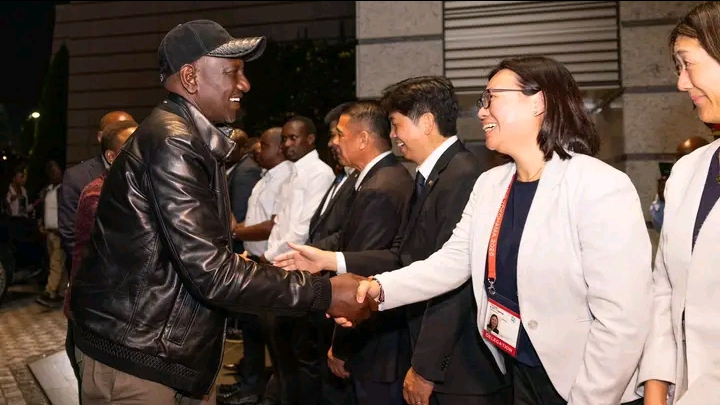
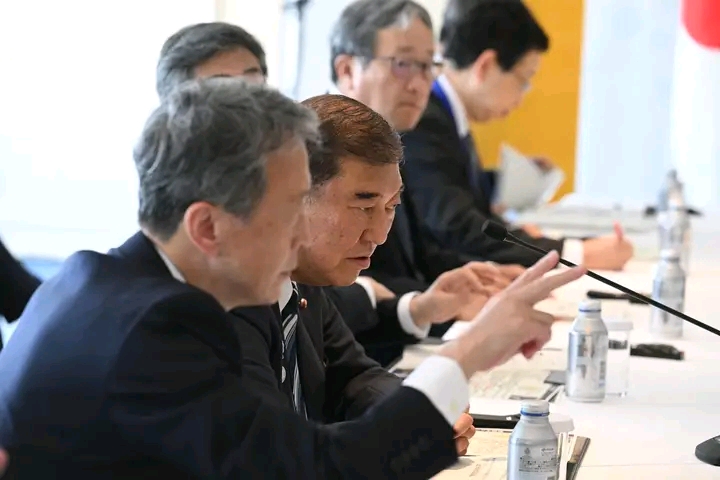
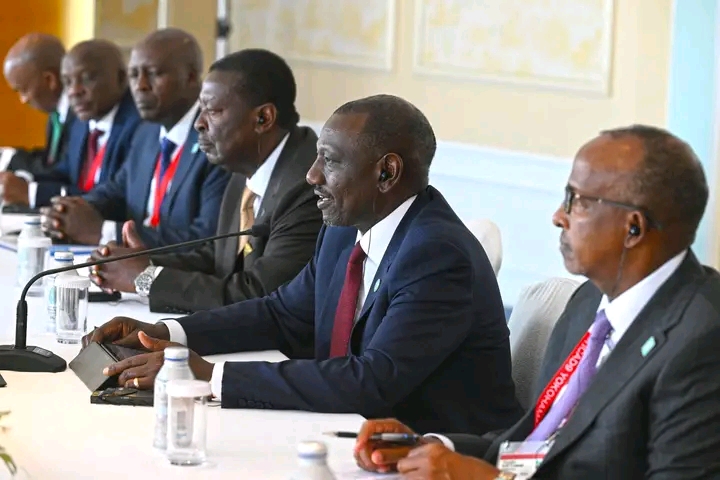
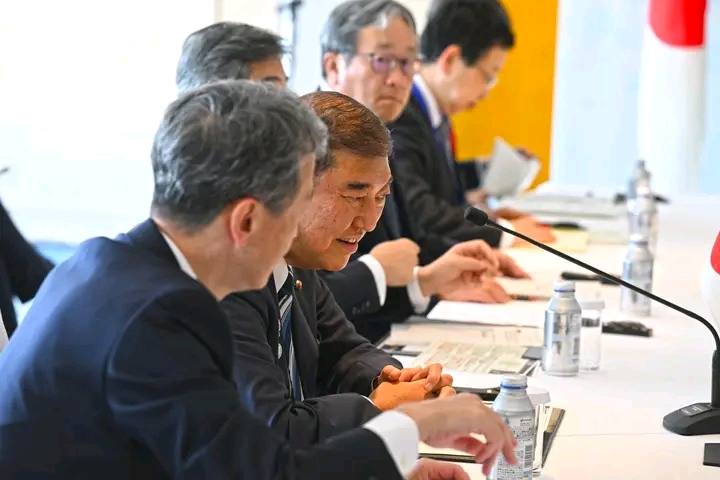
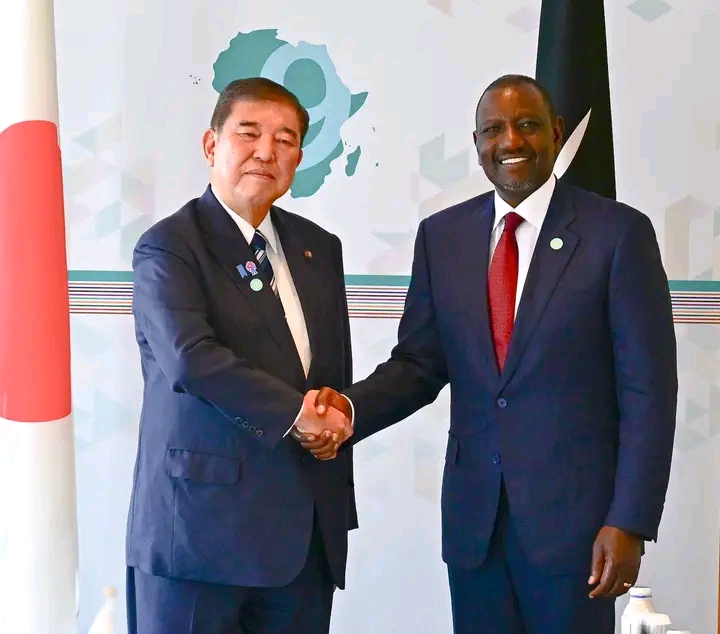
In a pivotal moment for bilateral relations, Kenyan President William Ruto and Japanese Prime Minister Shigeru Ishiba convened in Yokohama on August 20, 2025, ahead of the 9th Tokyo International Conference on African Development (TICAD 9).
This high-level summit underscored the enduring friendship between the two nations, spanning six decades, while spotlighting opportunities for equitable trade, sustainable development, and mutual economic growth.
As Africa emerges as a key player in global renewable energy and infrastructure, the discussions highlighted Kenya’s role as a gateway to the continent, with Japan pledging continued support amid calls for removing trade barriers.
A Storied Alliance: From Post-Independence Ties to Modern Economic Powerhouse
Kenya and Japan’s diplomatic relationship dates back to 1963, when Kenya gained independence and swiftly established ties with the Asian economic giant.
Over the past 60 years, this partnership has evolved from modest beginnings into a robust collaboration encompassing trade, development aid, and technological exchange.
Japan has emerged as Kenya’s third-largest source of official development assistance (ODA), channeling over $5 billion (approximately KSh 650 billion) into the East African nation since the 1970s.
This funding has fueled transformative projects in transport, energy, agriculture, and education, positioning Japan as a reliable ally in Kenya’s quest for sustainable development.
The TICAD framework, initiated by Japan in 1993, has been instrumental in fostering these ties. Held every three years, TICAD brings together African leaders, Japanese officials, and international stakeholders to discuss development strategies.
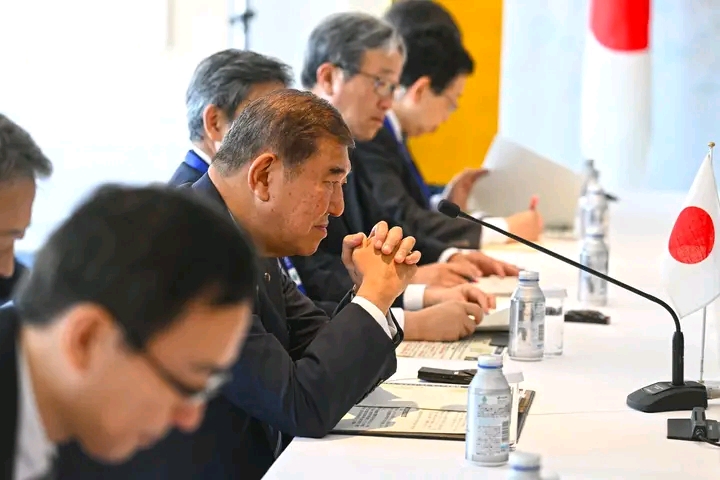
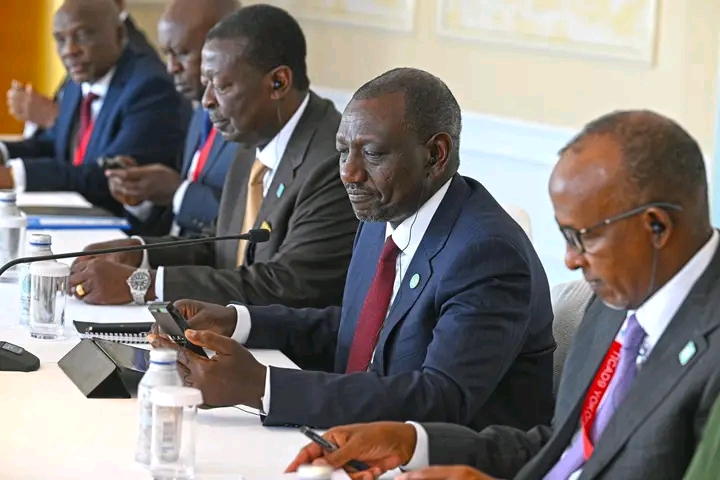
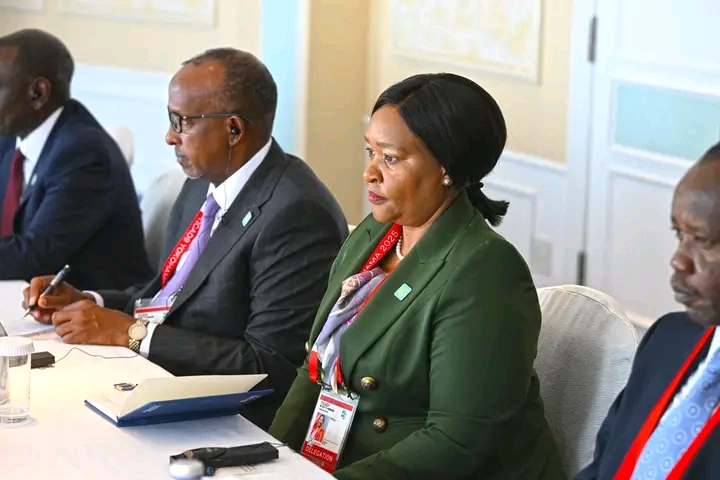
This year’s edition in Yokohama, attended by over 40 African heads of state including Nigeria’s Bola Tinubu and South Africa’s Cyril Ramaphosa, focused on themes like green energy, digital innovation, and resilient infrastructure.
President Ruto’s participation marks his second consecutive visit to Japan in two years, signaling Nairobi’s eagerness to leverage Tokyo’s expertise amid global economic shifts.
During the summit, Prime Minister Ishiba warmly welcomed Ruto, expressing enthusiasm for elevating the partnership.
“I am delighted to welcome President Ruto again and look forward to further strengthening our bilateral relations,” Ishiba stated, emphasizing Japan’s vision for an economic zone linking the Indian Ocean to Africa—a proposal that could unlock new trade corridors and investment flows.
Surging Trade Volumes: Growth Amid Imbalance
Bilateral trade between Kenya and Japan has witnessed remarkable expansion, surging by 33% in 2024 to reach approximately $900 million to $1 billion.
This growth reflects increased exchanges in goods and services, with Japan exporting automobiles, machinery, and electronics to Kenya, while Kenya supplies cut flowers, tea, coffee, nuts, and other agricultural products.
According to recent data, Japan’s exports to Kenya totaled around ¥153.1 billion (about $1 billion), dwarfing Kenya’s exports of ¥12.5 billion (roughly $80 million). This disparity underscores a trade imbalance heavily favoring Japan, a point President Ruto highlighted as a priority for redress.
“In the last 60 years, our trade has grown exponentially, but the relationship remains heavily in favor of Japan,” Ruto remarked in his statement.
He urged Tokyo to address tariff and non-tariff barriers that restrict Kenyan agricultural exports, particularly avocados, tea, flowers, and coffee.
These products face stringent phytosanitary standards, quotas, and import duties in Japan, limiting market penetration despite Kenya’s status as a leading global producer.
For instance, Kenyan avocados—prized for their quality—could tap into Japan’s health-conscious consumer base, while tea exports could compete in a market dominated by Asian suppliers.
Experts note that easing these barriers could boost Kenya’s export revenues significantly, aligning with the African Continental Free Trade Area (AfCFTA) goals.
In response, Ishiba acknowledged the concerns and committed to exploring reforms, potentially through bilateral agreements or TICAD initiatives.
Gratitude for Japan’s Enduring Support: Renewable Energy and Infrastructure Milestones
President Ruto extended heartfelt thanks for Japan’s longstanding contributions to Kenya’s development landscape. As the third-largest ODA provider, Japan has invested heavily in renewable energy and infrastructure, helping Kenya harness its vast geothermal potential and build resilient transport networks.
Notable projects include the Olkaria Geothermal Power Plant expansions, funded by the Japan International Cooperation Agency (JICA), which have positioned Kenya as a leader in clean energy production.
With geothermal accounting for over 40% of Kenya’s electricity, these initiatives not only combat climate change but also create jobs and reduce energy costs.
Infrastructure highlights encompass the Mombasa Port development, road networks like the Ngong Road expansion in Nairobi, and water supply systems in rural areas. These efforts have enhanced connectivity, boosted trade logistics, and improved quality of life for millions.
At TICAD 9, Japan announced fresh commitments, including a ¥25 billion ($169 million) Samurai bond financing to support Kenyan industries, particularly in manufacturing and green technologies.
Additionally, a $14.4 million loan from the Japan Bank for International Cooperation (JBIC) and Mizuho Bank will fund the 35-megawatt Menengai Geothermal Power Plant, further solidifying Kenya’s renewable energy ambitions.
Ruto praised these contributions, noting, “Japan’s support in renewable energy and infrastructure has been instrumental in our country’s progress.” He also highlighted over 120 Japanese companies operating in Kenya, contributing $205 million in foreign direct investment (FDI) in 2024 alone.
Unlocking Mutual Opportunities: Kenya as Africa’s Investment Hub
The summit delved into untapped potentials, with Ruto positioning Kenya as a prime destination for Japanese investors. Key sectors include green energy, electric vehicles (EVs), digital innovation, and small and medium enterprises (SMEs).
Kenya’s strategic location, skilled workforce, and stable business environment make it an ideal “gateway to Africa,” offering access to the 1.4 billion-strong market under AfCFTA.
Discussions yielded promising outcomes, including a $2.2 billion investment package for infrastructure and trade facilitation. Japan also expressed interest in Kenya’s burgeoning tech ecosystem and renewable “superpower” status, as Ruto envisions Africa leading in sustainable energy.
With Kenya forecasting 5.6% GDP growth in 2025—surpassing previous estimates—these collaborations could accelerate industrialization and job creation.
As TICAD 9 concludes on August 22, 2025, the Kenya-Japan summit sets a blueprint for balanced, inclusive growth.
By addressing trade asymmetries and amplifying investments, both nations stand to benefit, fostering a partnership that not only honors their shared history but also paves the way for a prosperous future in an interconnected world.
Share This Post