
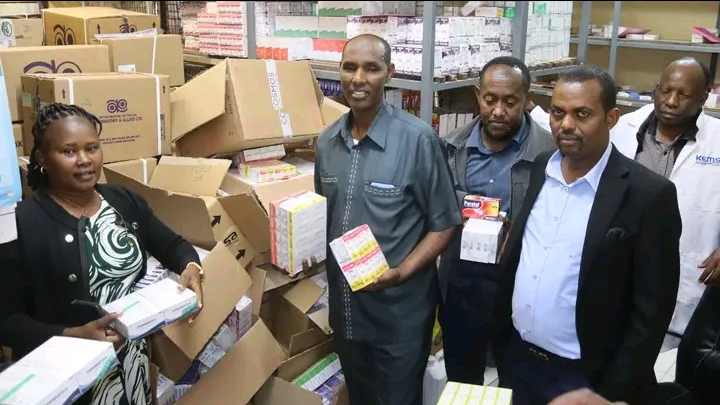

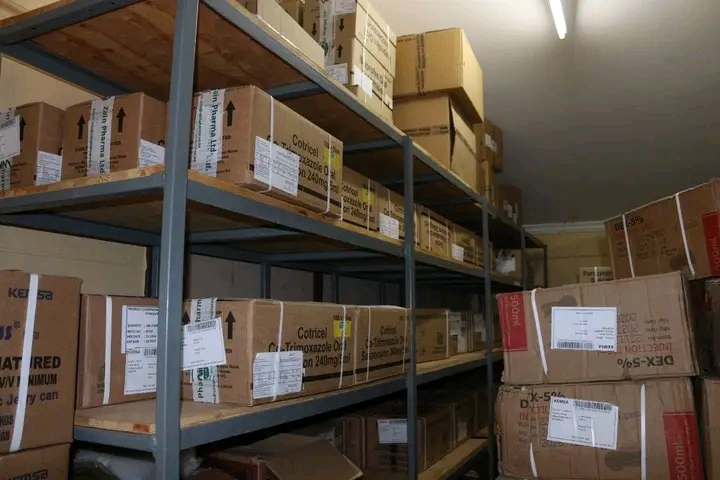
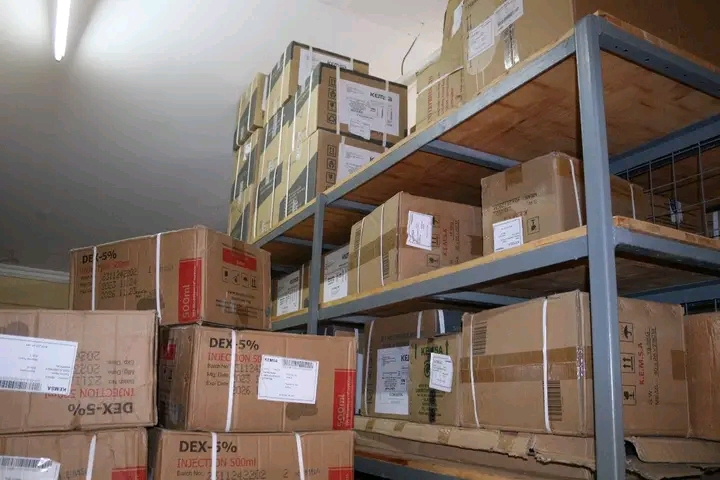
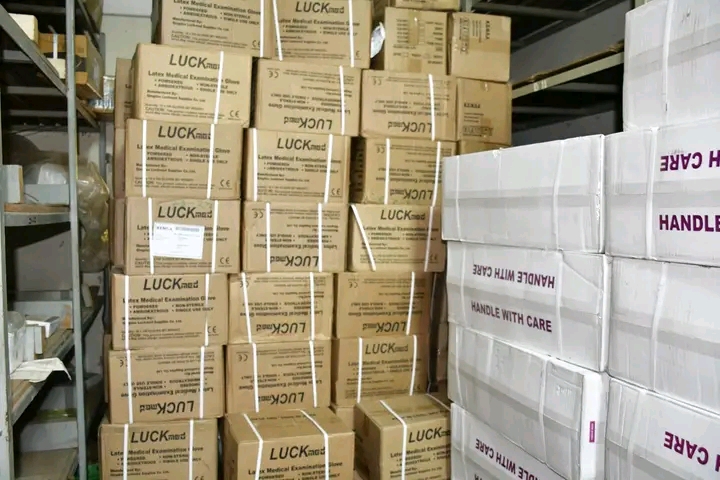
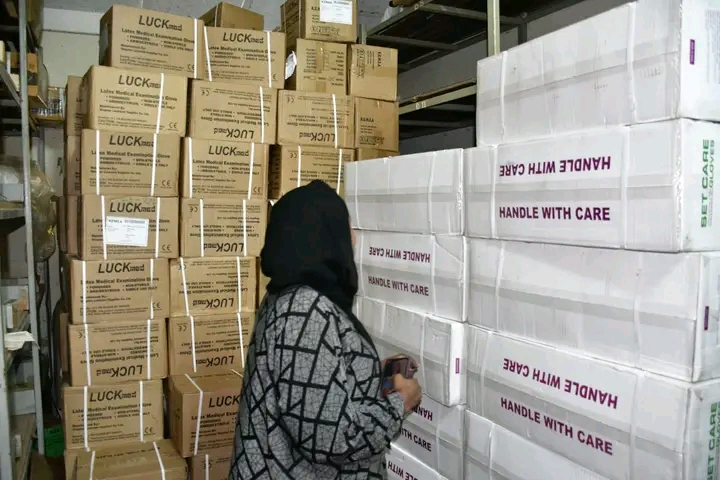
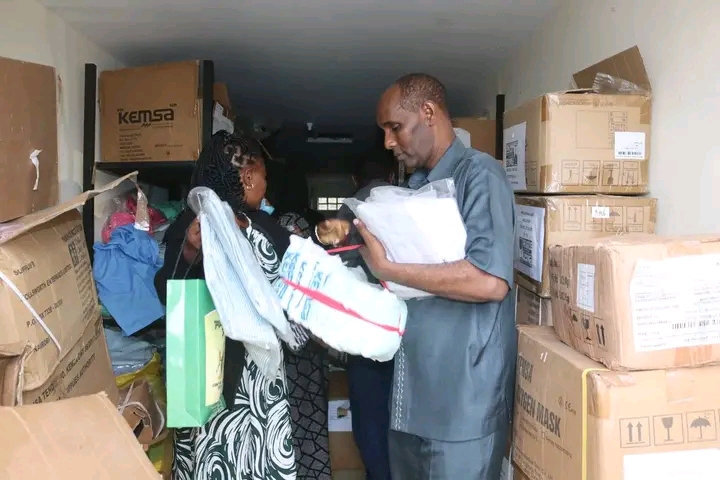
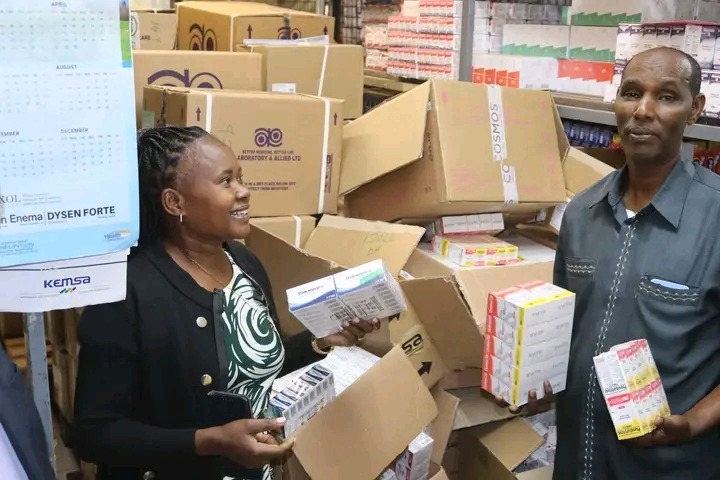
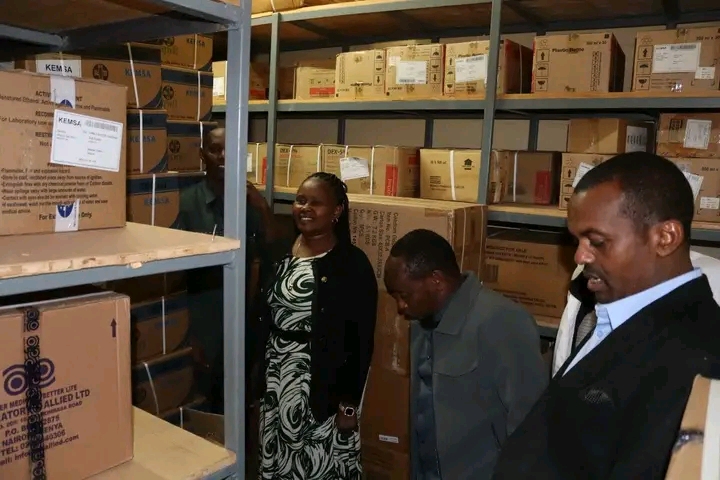
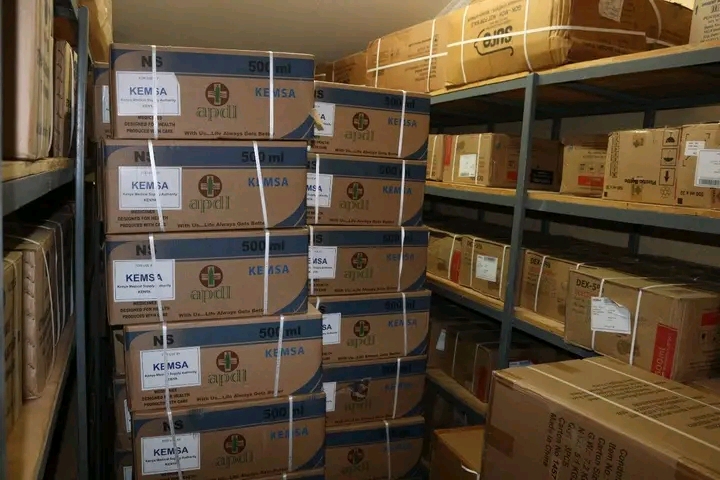
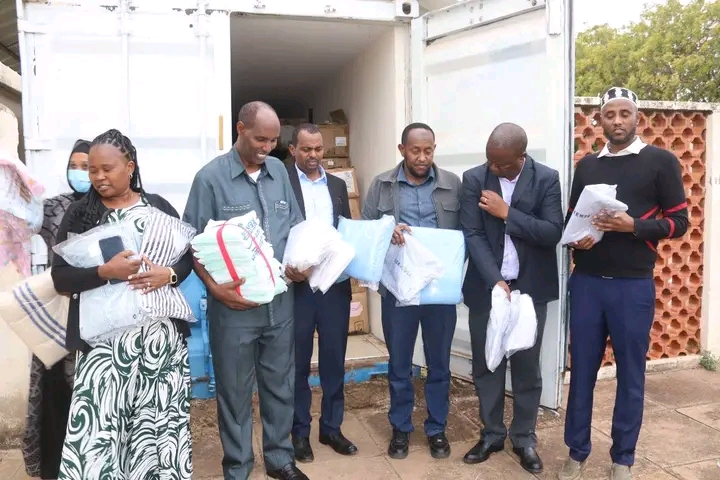
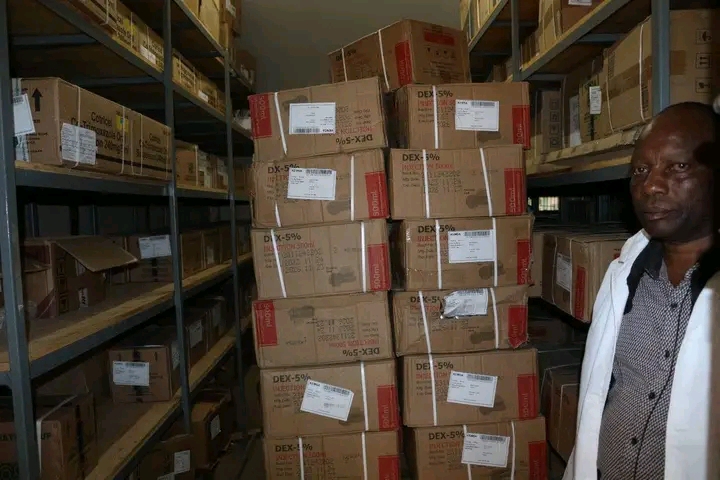
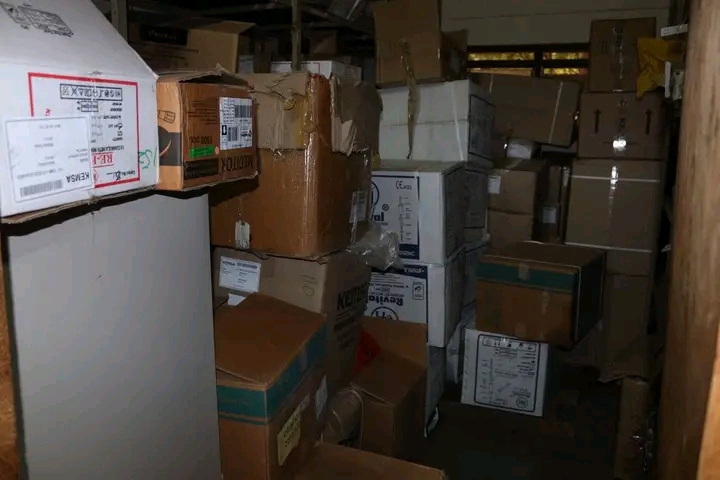
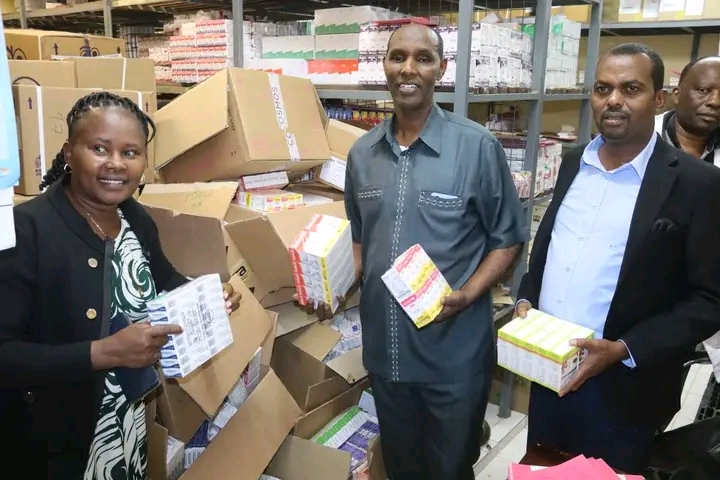
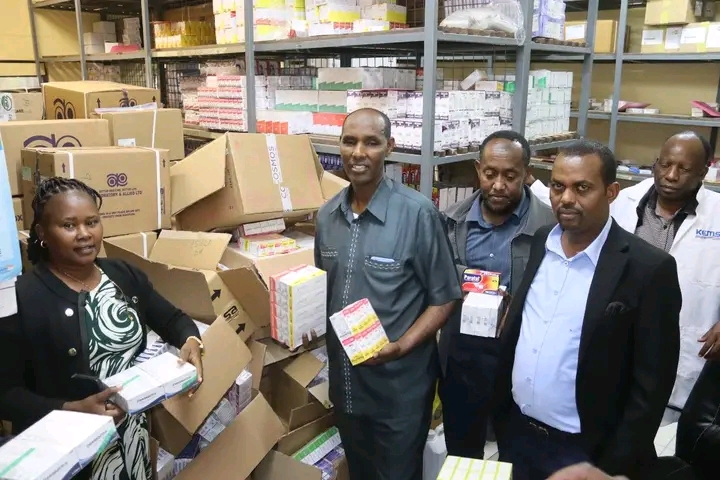
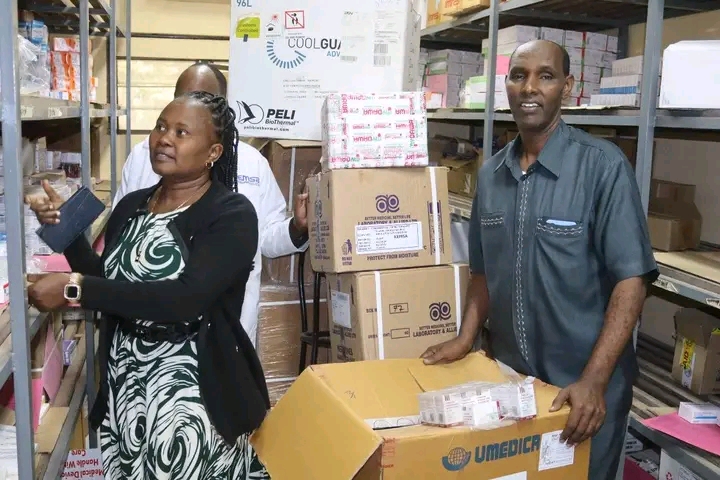
In a significant stride toward revitalizing public health services, Isiolo County has received a vital consignment of medical drugs and supplies valued at Sh27 million from the Kenya Medical Supplies Authority (KEMSA).
This timely delivery arrives as a beacon of hope for residents grappling with persistent drug shortages, inadequate facilities, and soaring healthcare challenges in one of Kenya’s arid and semi-arid lands (ASAL) regions.
The infusion of essential medicines is poised to alleviate the burdens faced by thousands, ensuring that life-saving treatments are within reach without the grueling journeys that have long plagued the community.
The consignment, comprising a wide array of pharmaceuticals including antibiotics, painkillers, injectables, and treatments for chronic conditions like diabetes and hypertension, will be swiftly distributed across the county’s network of hospitals, health centers, and dispensaries.
County officials emphasized that this move directly addresses the chronic stock-outs that have forced patients to endure long-distance travels—often across harsh terrains—to seek basic care in neighboring counties or private facilities.
By decentralizing access to these resources, the initiative aims to enhance service delivery, reduce patient wait times, and foster trust in the public health system.
Governor’s Vision: A Commitment to Decentralized, Quality Healthcare
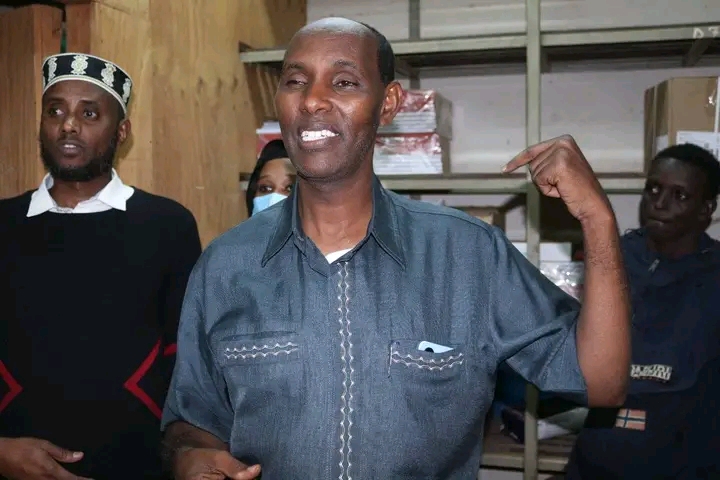
Leading the charge, Isiolo County Governor Abdi Ibrahim Hassan, popularly known as Guyo, hailed the arrival as a pivotal step in his administration’s ongoing efforts to fortify primary healthcare.
In a statement posted on his official Facebook and X accounts, Governor Guyo announced: “Isiolo County has today received a consignment of medical drugs and supplies from KEMSA to boost service delivery across all public health facilities.”
He elaborated on the distribution plans, stating: “The supplies will be distributed to hospitals, health centers, and dispensaries to ensure that residents have reliable access to essential medicines and quality healthcare without the need to travel long distances or face frequent stock-outs.”
Emphasizing the broader impact, the governor added: “This initiative underscores our continued commitment to strengthening primary healthcare and ensuring that services remain decentralized, timely, and of high quality.”
Governor Guyo’s remarks come at a crucial juncture for the county, following his recent survival of an impeachment motion in July 2025.
The Senate plenary, which investigated charges of gross violation of the Constitution, abuse of office, and gross misconduct, ultimately voted 31-12 in his favor, allowing him to retain his position.
This health milestone could signal a renewed focus on governance priorities, with healthcare emerging as a cornerstone of his agenda.
As the third governor of Isiolo since devolution, Hassan has consistently advocated for equitable resource allocation in a region marked by poverty and marginalization.
Present at the reception event were key health department figures, including County Executive Committee Member for Health Lucy Kaburu, Chief Officer for Health Dr. Mohamud Abdikadir, and various departmental directors.
Their involvement underscores a collaborative approach to logistics and distribution, ensuring that the supplies reach even the most remote facilities efficiently.
Unpacking Isiolo’s Healthcare Woes: A Region in Dire Need
Isiolo County, nestled in Kenya’s northern frontier and home to over 268,000 residents, has long been synonymous with formidable healthcare hurdles.
The area’s arid climate, nomadic lifestyles, and sparse infrastructure exacerbate issues like water scarcity, which indirectly fuels health crises by limiting hygiene and sanitation.
Maternal mortality rates here are alarmingly high, standing at 799 deaths per 100,000 live births—far exceeding the national average—due to factors such as limited access to skilled birth attendants, cultural barriers, and inadequate emergency obstetric care.
Zoonotic diseases pose another persistent threat, with outbreaks of Rift Valley fever, brucellosis, and kala-azar frequently overwhelming local systems.
A recent strike by medical workers in October 2024 highlighted staffing shortages and low retention rates, leading to patients abandoning hospitals mid-treatment.
The county’s poverty index of 0.07% further hampers health-seeking behaviors, as many residents cannot afford out-of-pocket expenses or transportation costs.
Even the Universal Health Coverage (UHC) pilot, implemented in Isiolo as one of four counties in 2019, increased outpatient workloads but strained resources without proportional funding increases.
Community distrust runs deep, stemming from inconsistent drug availability and high costs at higher-level facilities.
Programs like the Disease Elimination and Sustainable Integrated Program (DESIP), which ran for six years until 2024, made strides in reducing maternal deaths and improving family planning, but gaps remain.
Initiatives such as the One Health Strategy, launched in November 2024, integrate human, animal, and environmental health to tackle these interconnected challenges.
KEMSA’s Pivotal Role in Kenya’s Health Supply Chain
At the heart of this relief effort is KEMSA, Kenya’s state-owned entity established under the KEMSA Act 2013.
Tasked with procuring, warehousing, and distributing health products and technologies (HPTs) for public programs and national reserves, KEMSA serves as the backbone of the country’s medical logistics.
By maintaining a secure supply chain, it ensures equitable access to essential medicines, supporting the government’s Big Four Agenda on universal healthcare.
This is not Isiolo’s first collaboration with KEMSA. In September 2022, the county procured Sh47 million worth of drugs to restock facilities amid similar shortages.
Subsequent deliveries in June 2023 and March 2024 targeted key hospitals like Isiolo County Teaching and Referral Hospital (ICTRH), Merti, and Garbatulla, demonstrating a pattern of strategic interventions.
Comparable efforts in neighboring counties, such as Turkana’s Sh22 million consignment in May 2025 to counter US aid freezes, highlight KEMSA’s nationwide impact.
Broader Impacts and the Road Ahead
The Sh27 million consignment is expected to have ripple effects beyond immediate relief. By curbing stock-outs, it could lower maternal and child mortality rates, boost immunization coverage, and enhance management of non-communicable diseases.
For nomadic communities in Isiolo’s vast landscapes, mobile health units stocked with these supplies could bridge accessibility gaps, promoting preventive care and early interventions.
Looking forward, Governor Guyo’s administration plans to leverage this momentum for sustained improvements, including investments in human resources and infrastructure.
As Kenya pushes toward full UHC implementation, such partnerships with KEMSA will be crucial in transforming marginalized regions like Isiolo into models of resilient healthcare.
This development not only eases the immediate healthcare crisis but also reignites hope for a healthier, more equitable future in Isiolo County.
Residents, long weary of systemic barriers, may finally see a system that delivers on its promises.
Share This Post