

In the arid heartlands of northern Kenya, where nomadic herders have long navigated the delicate balance between survival and the harsh whims of climate, a groundbreaking initiative is channeling global environmental funds directly into community pockets.
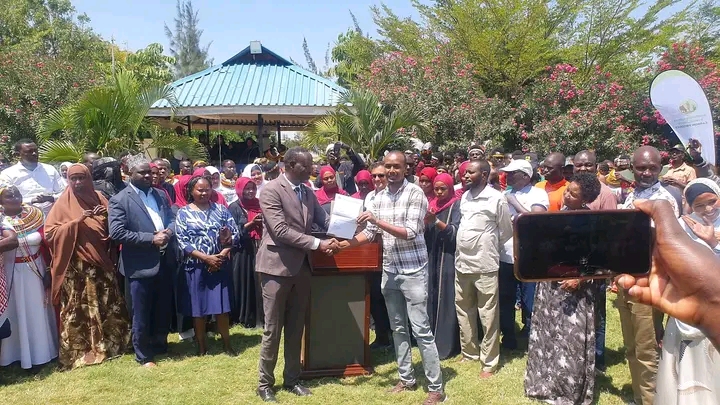
On August 16, 2025, livestock keepers from Isiolo, Marsabit, Samburu, and Laikipia counties celebrated a historic windfall: Sh655 million disbursed through the Northern Kenya Rangelands Carbon Project (NKRCP).
This payout, derived from the sale of carbon credits, marks a pivotal moment in Kenya’s climate action landscape, rewarding indigenous pastoralists for their role in combating global warming while fueling local development.
Yet, beneath the jubilation lies a tapestry of triumphs, debates, and ongoing scrutiny, highlighting the complex interplay between conservation, culture, and commerce.
The Genesis of a Carbon Powerhouse: Understanding the NKRCP
Launched in December 2012 under the umbrella of the Northern Rangelands Trust (NRT), the NKRCP stands as the world’s largest soil carbon removal project, spanning an expansive 1.9 million hectares (4.7 million acres) across 14 community-owned conservancies.
At its core, the project leverages the vast rangelands of northern Kenya—home to iconic wildlife like the Eastern Black Rhino, Grevy’s Zebra, Reticulated Giraffe, and Beisa Oryx—to sequester carbon dioxide from the atmosphere.
By promoting sustainable grazing practices, such as rotational grazing that mimics traditional nomadic patterns, the initiative aims to restore degraded pastures, enhance soil health, and lock away an estimated 50 million tons of CO2 over 30 years.
This is equivalent to offsetting the annual emissions of over 10 million cars, positioning Kenya as a frontrunner in nature-based climate solutions.
The mechanics are rooted in verifiable science: Using the VM0032 methodology certified by Verra (the world’s leading carbon credit standard-setter), the project combines modeled and measured carbon removals.
Pastoralists, who form the backbone of these communities, play a central role by adhering to planned grazing routes that prevent overgrazing, boost vegetation regrowth, and increase carbon storage in the soil.
In return, credits are sold on international markets to corporations seeking to offset their emissions, generating revenue that flows back to the ground level.
From 2013 to 2016 alone, the project produced over 3.2 million verified emissions reduction credits, underscoring its scale and ambition.
NRT, a non-profit organization founded in 2004, facilitates this process by providing technical support, monitoring, and reporting.
The trust oversees 39 community conservancies across Kenya, emphasizing community-led conservation that integrates wildlife protection with human development.
As NRT CEO Mr. Bishal Shah joined beneficiaries in a celebratory dance during the recent disbursement event, it symbolized the project’s intent to blend economic empowerment with cultural vibrancy.
Breaking Down the Sh655 Million Windfall: Who Benefits and How?
This latest infusion of over Sh600 million—precisely Sh655 million—targets 22 community-owned wildlife reserves within the four counties, with funds earmarked for a holistic uplift.
Samburu and Isiolo, boasting the highest number of conservancies, each receive more than Sh100 million, reflecting their larger stake in the project.
The distribution prioritizes transparency and community needs: Approximately 40% supports conservancy operations, including rangeland management and wildlife protection, while 60% fuels social development via the Carbon Community Fund.
Beneficiaries, primarily pastoralist communities like the Samburu, Borana, Rendille, and Turkana, will invest in transformative projects:
- Education: Building schools and scholarships to combat illiteracy rates that hover around 60% in these regions, ensuring the next generation inherits both knowledge and resilient lands.
- Health: Constructing clinics and funding mobile health units to address prevalent issues like malnutrition and waterborne diseases, exacerbated by climate variability.
- Water Infrastructure: Drilling boreholes and rehabilitating dams to secure reliable water sources, reducing the trek for herders and mitigating drought impacts.
- Small Businesses and Livelihoods: Seed funding for eco-tourism ventures, livestock cooperatives, and artisan crafts, diversifying income beyond traditional herding.
Local governments also reap rewards through levies, bolstering county budgets for broader infrastructure.
As one NRT official noted, “These payouts are a direct reward for conserving pastures and slashing carbon emissions, creating a virtuous cycle where environmental stewardship translates to tangible prosperity.”
Counties like Isiolo are even drafting legislation to fortify community wildlife conservation, aligning with Kenya’s National Climate Change Action Plan.
The initiative’s ripple effects extend nationally: By promoting land restoration and carbon sequestration, it supports Kenya’s commitments under the Paris Agreement and the UN’s Sustainable Development Goals, particularly those on climate action (SDG 13) and life on land (SDG 15).
Proponents argue it fosters peace by curbing grazing conflicts, which have historically plagued these semi-arid zones, and enhances biodiversity in habitats critical for endangered species.
Voices from the Ground: Jubilation and Aspirations
Eyewitness accounts from the disbursement ceremony paint a picture of optimism. Pastoralists, clad in traditional attire, shared stories of how improved grazing has already yielded healthier livestock and fewer losses during dry spells.
“This money isn’t just cash; it’s life for our children,” one beneficiary from Marsabit remarked, echoing the project’s goal of building resilience against climate shocks that have intensified in recent years.
NRT emphasizes rigorous governance: A Special Purpose Company (SPC) administers funds with full audits, overseen by a Carbon Oversight Committee comprising community representatives.
Annual General Meetings ensure accountability, and NRT recovers only direct costs, channeling all profits to conservancies. Household surveys track impacts on income, security, and access to essentials, with a focus on marginalized groups like women and youth.
The Shadow Side: Controversies, Suspensions, and Calls for Accountability
Despite these successes, the NKRCP has not escaped controversy, drawing sharp criticism from indigenous rights groups and facing legal hurdles that underscore the challenges of carbon offsetting in communal lands.
In May 2025, Verra suspended the project for a second time, citing concerns over verification processes, though details remain sparse. 8 This followed an earlier suspension and echoed broader scrutiny of soil carbon projects worldwide.
Indigenous pastoralists, through organizations like Survival International, allege that the project disrupts traditional grazing systems—such as the gada (age-set rotations among the Borana) or mpaka (territorial boundaries)—by imposing centralized rotational plans that mimic commercial ranching.
Critics argue this could erode cultural heritage and endanger food security, especially during droughts when flexible migrations are vital.
A January 2025 legal victory for 165 pastoralists from Isiolo challenged NRT’s conservancy model, claiming inadequate consultations and violations of the Community Lands Act (2016), which mandates free, prior, and informed consent (FPIC) for land use changes.
The case highlighted delays in land registration, with some accusing NRT of obstructing community claims to Trust Lands.
Further concerns revolve around benefits distribution: While NRT claims 60% goes to community projects, detractors point to opacity, suggesting up to 40% is funneled into NRT-prescribed activities like ranger salaries, potentially prioritizing conservation over local priorities.
Additionality—the idea that carbon savings wouldn’t occur without the project—is questioned, with no robust evidence proving traditional practices cause degradation or that new methods superiorly store carbon.
Leakage (emissions displaced elsewhere) and permanence (sustaining gains amid climate volatility) remain hotly debated.
NRT counters these claims robustly: It conducted a “re-socialization” process in 2021, hosting village-level meetings and securing signed agreements from all conservancies.
A 16% non-permanence buffer insures against reversals, and grazing committees incorporate community input to prevent conflicts.
The project earned Verra’s CCB Triple Gold Status for climate, community, and biodiversity benefits, and NRT insists no profit is made, with funds audited transparently.
Charting the Future: Balancing Green Gains and Indigenous Rights
As Kenya pushes toward its 2030 target of reducing emissions by 32%, initiatives like the NKRCP exemplify innovative financing for climate resilience.
For pastoralists facing escalating droughts—exacerbated by global warming—this carbon windfall could be a lifeline, fostering sustainable rangelands that support both people and planet.
However, the controversies serve as a cautionary tale: True success hinges on equitable consultations, cultural sensitivity, and ironclad transparency.
Stakeholders, including the Kenyan government, must address these fissures to ensure carbon credits empower rather than alienate. With ongoing court cases and Verra reviews, the project’s trajectory remains dynamic.
For now, the Sh655 million payout stands as a beacon of possibility, inviting the world to witness how northern Kenya’s guardians of the grasslands are reshaping the fight against climate change—one credit at a time.
Share This Post