
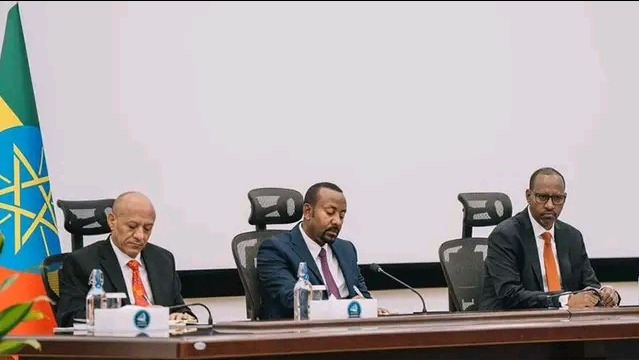

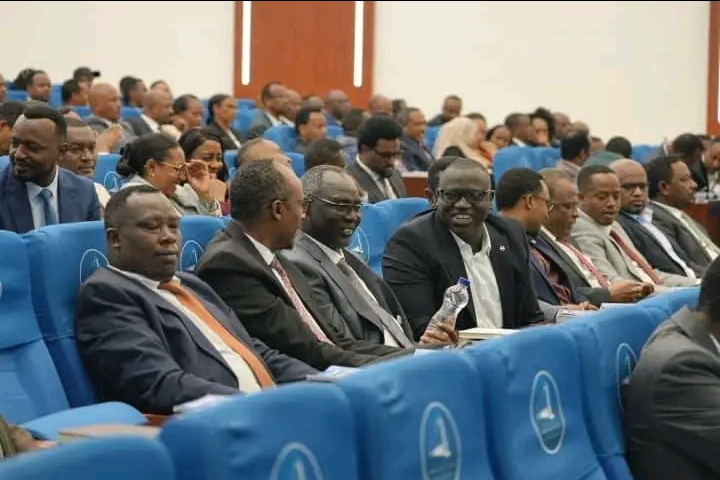
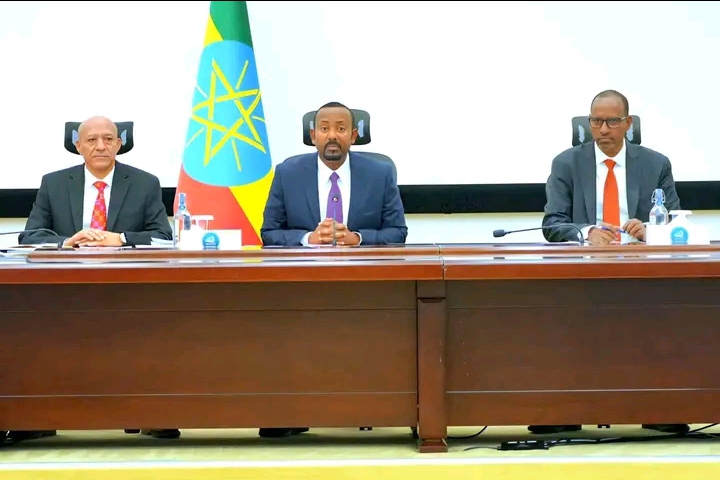
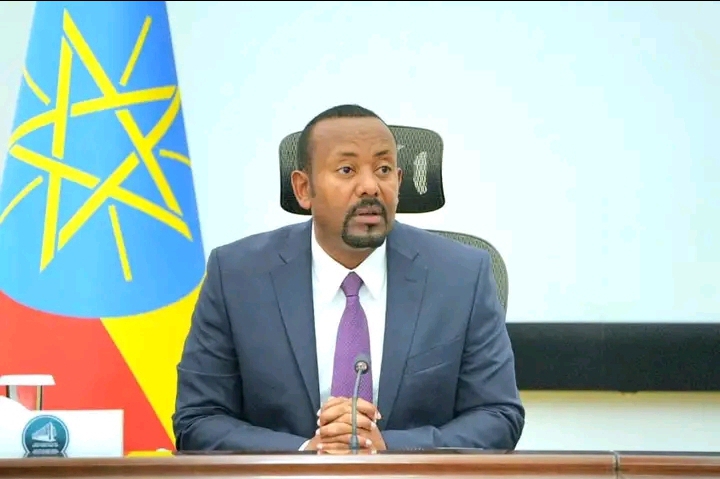
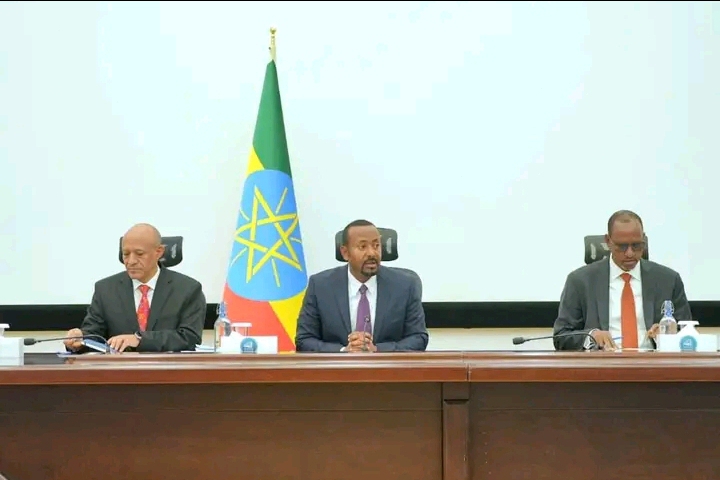
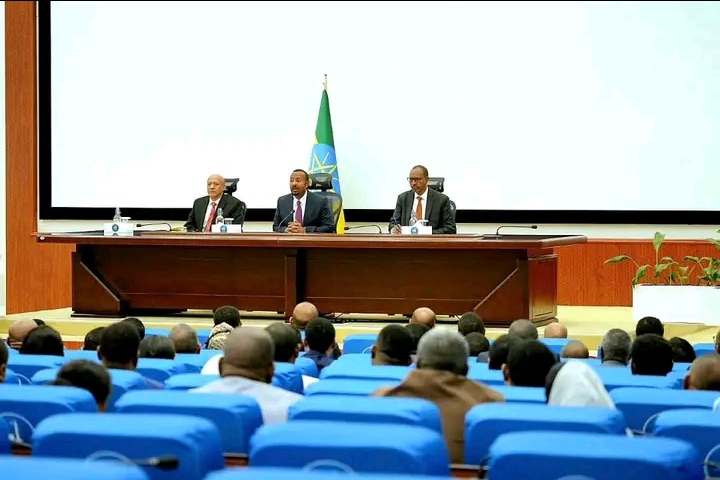
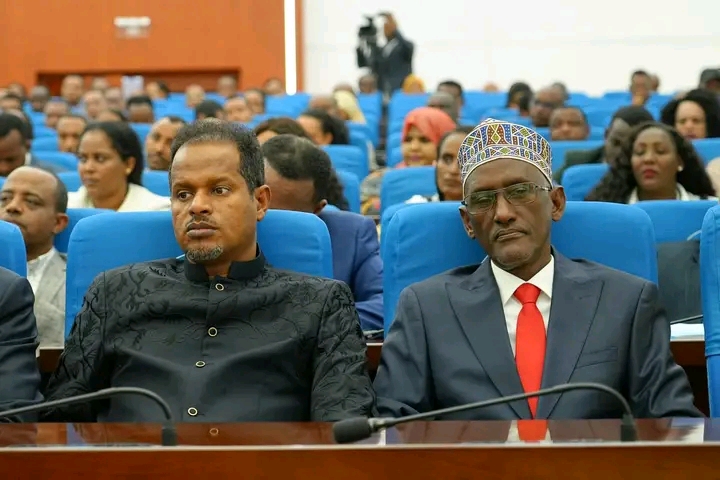
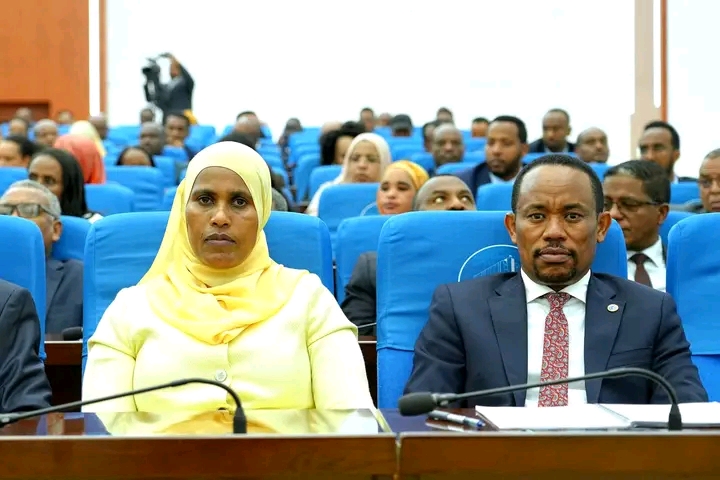
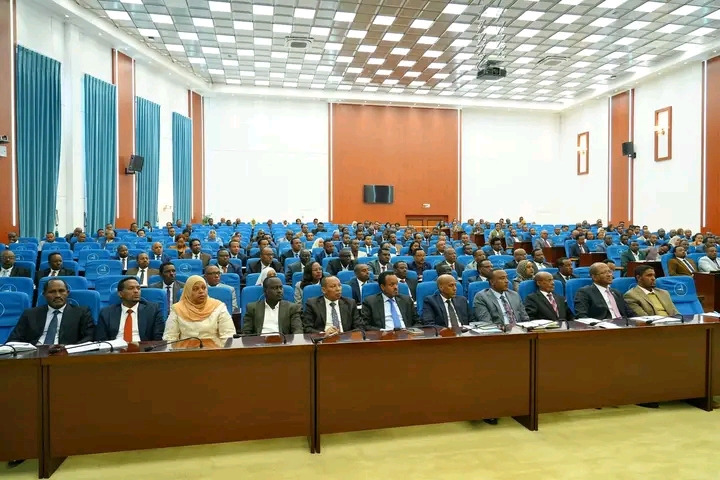
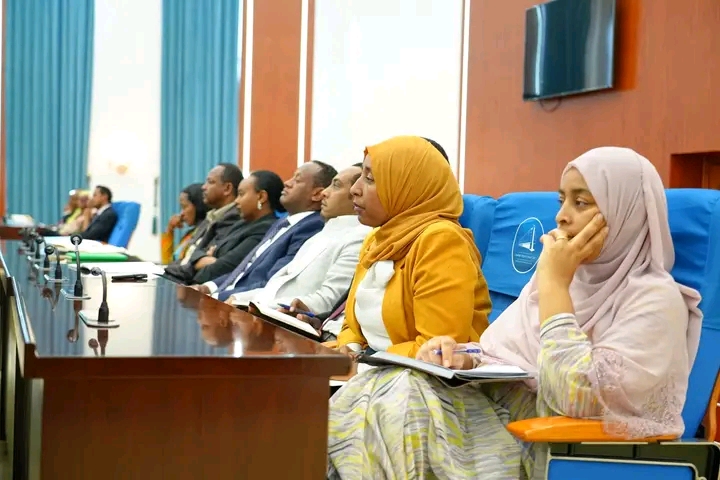
Addis Ababa, Ethiopia| In a fiery and resolute statement issued at the conclusion of its three-day congress on Friday, Ethiopia’s ruling Prosperity Party (PP), led by Prime Minister Abiy Ahmed, reaffirmed its commitment to securing Ethiopia’s “natural and historical” right to Red Sea access while vowing to intensify efforts against what it describes as “treasonous forces” and “historical enemies.”
The statement, laced with pointed accusations and bold declarations, underscores Ethiopia’s ambitious geopolitical repositioning, its progress on domestic reforms, and its unwavering stance on regional stability.
A Geopolitical Triumph: Red Sea Access and GERD Progress
The Prosperity Party’s congress, a pivotal gathering of its leadership, served as a platform to highlight what the party considers transformative achievements. Central to the statement was Ethiopia’s quest for Red Sea access, an issue the PP claims it has elevated to a “global agenda.”
“We have successfully managed to make Ethiopia’s natural and historical right to sea access a global agenda. We have gone further than the first chapter in our bid to restore Ethiopia’s geostrategic interests on the Red Sea,” the statement declared.
This assertive rhetoric reflects Ethiopia’s ongoing push to secure maritime access, a contentious issue in the Horn of Africa, where landlocked Ethiopia has historically sought to reclaim its strategic position.
Equally significant was the party’s emphasis on the Grand Ethiopian Renaissance Dam (GERD), a project that has long been a flashpoint in regional relations, particularly with Egypt and Sudan.
The PP celebrated its diplomatic efforts, stating that Ethiopia has “repositioned itself in the regional geopolitical sphere by pursuing proper and legal principles regarding GERD.”
The statement underscores the government’s success in navigating international negotiations while advancing the dam’s construction, a cornerstone of Ethiopia’s energy and economic ambitions.
Confronting “Treasonous Forces” and “Historical Enemies”
The PP’s statement took a combative tone when addressing perceived threats to Ethiopia’s stability.
Without explicitly naming Eritrea and Egypt, the party accused “historical enemies” of attempting to “divide the government and people” through tactics such as inciting regional conflicts, spreading disinformation via digital media, and supporting “traitorous extremists.”
“Under the leadership and coordination of our historical enemies and with the help of some traitorous extremists, the desire for war by our enemies has not ceased,” the statement read. However, it emphasized that these efforts have been thwarted, asserting that “their chance to weaken Ethiopia is shrinking.”
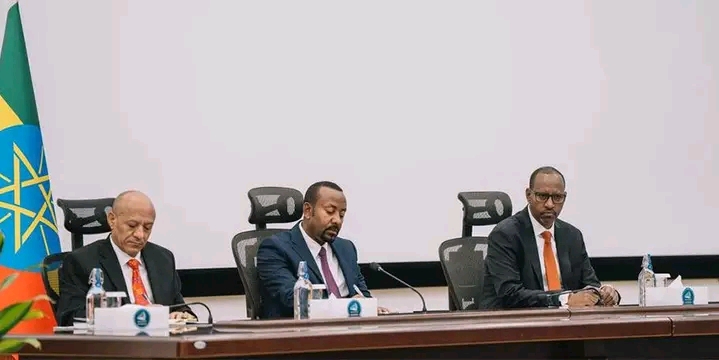
Analysts interpret these remarks as veiled references to Eritrea, with which Ethiopia has had a complex relationship since the 1998–2000 border war, and Egypt, whose opposition to the GERD has fueled tensions.
The PP also appeared to target domestic armed groups, with observers noting that references to “treasonous forces” likely point to the Fano militia in the Amhara region and the Oromo Liberation Army (OLF-Shene), both of which have challenged the federal government’s authority.
The PP outlined six strategies allegedly employed by adversaries to destabilize Ethiopia, including exploiting governance gaps, spreading discontent, and engaging in economic sabotage.
In response, the party pledged to pursue peaceful conflict resolution, enforce the law against armed groups, address governance concerns, counter misinformation, combat corruption, and advance development projects while safeguarding national interests through diplomacy.
Domestic Reforms: A Source of National Strength
The Prosperity Party highlighted its achievements in political, social, and economic reforms, which it claims have transformed Ethiopia from a state of vulnerability to one of strength.
“Our political, social, and economic transformations are successfully moving forward. Instead of being a source of internal vulnerability, they have become a source of national strength,” the statement read.
These reforms, initiated under Prime Minister Abiy Ahmed’s leadership since 2018, include liberalizing the economy, opening political space, and restructuring state institutions.
The PP emphasized that these efforts have been bolstered by its success in “minimizing internal exposure and eradicating treasonous forces,” signaling a hardline stance against internal dissent.
The party also reaffirmed its commitment to advancing Ethiopia’s national interests diplomatically while ensuring the country’s development trajectory remains on track. “We pledge to resist challenges, strive for prosperity, and eliminate obstacles to national development,” the statement concluded.
Tigray’s TPLF Responds: A Call for Reform and Accountability
While the Prosperity Party celebrated its achievements, the Tigray People’s Liberation Front (TPLF), led by Chairman Debretsion Gebremichael, issued its own statement on August 8, 2025, raising concerns about the federal government’s commitment to peace and stability in the Tigray region.
The TPLF, whose legal license was revoked by the National Election Board earlier this year, announced the establishment of an office and committee to implement internal reforms, signaling its intent to regroup and reassert its influence.
Debretsion accused the federal government of failing to fully implement the Pretoria Peace Agreement, signed in November 2022 to end the two-year Tigray War. He claimed that this failure has led to ongoing displacement, migration, and deaths in Tigray.
“There are organized forces working to disrupt peace in the region, and we are working with the interim administration to bring order to the situation,” he said during a media briefing.
The TPLF chairman stressed that the implementation of the Pretoria agreement is “not negotiable” and accused the federal government of delaying the return of displaced Tigrayans and failing to address the issue of “invaders and settlers” in Tigrayan territory.
“We were told to prepare a list of returnees, but due to a lack of preparation by the federal government, they have not yet returned,” Debretsion stated, accusing Addis Ababa of violating the peace accord.
In a surprising nod to regional diplomacy, Debretsion emphasized the continuation of people-to-people ties with Eritrea, stating, “The people-to-people relationship we started with Eritrea will not stop; it will continue.”
He also declared that Tigray would not allow itself to be “surrounded or closed off 360 degrees by anyone,” signaling a defiant stance amid ongoing regional tensions.
A Nation at a Crossroads
The contrasting narratives from the Prosperity Party and the TPLF highlight the complex and often contentious political landscape in Ethiopia.
The PP’s bold claims of progress and resilience stand in stark contrast to the TPLF’s accusations of federal government inaction and regional instability.
As Ethiopia navigates its ambitious geopolitical goals, including Red Sea access and GERD completion, it faces the dual challenge of maintaining internal cohesion and countering external pressures.
The Prosperity Party’s congress statement reflects a government determined to project strength and unity, even as it grapples with domestic insurgencies and regional rivalries.
Meanwhile, the TPLF’s calls for reform and accountability underscore the lingering wounds of the Tigray War and the fragility of the peace process.
As Ethiopia moves forward, the interplay of these dynamics will shape its path toward prosperity or further conflict.
For now, the Prosperity Party remains steadfast in its vision, vowing to “eliminate obstacles” and secure Ethiopia’s place on the global stage. Whether this vision can be realized amidst internal and external challenges remains to be seen.
For more updates on Ethiopia’s political and economic developments, stay tuned to our platform for comprehensive coverage.
Share This Post